The hidden portrait turns looking into both a professional task and an intimate negotiation over who controls the image.
Why this matches +
These offer a related experience with a meaningful difference in story, tone, or presentation.
An adjacent discovery: a related idea with a different viewing experience.
Genres: Drama / Romance
Shared film traits
Based on recorded story, mood and style. Your preferences can change the order.
What changes Portrait of a Lady on Fire connects portraiture and an intimate relationship constrained by historical expectations.
In late-eighteenth-century Brittany, painter Marianne is hired to make a portrait of Héloïse, a young woman whose arranged marriage depends on a painting she refuses to sit for. Marianne first observes her under the pretense of companionship, then paints from memory. When Héloïse agrees to pose, the two women develop an intimacy shaped by the short time before the marriage. Their relationship also includes the household’s young servant Sophie, whose pregnancy leads to a clandestine abortion. The portrait is completed, and Marianne and Héloïse separate, with a final later encounter preserving the force of their shared memory.
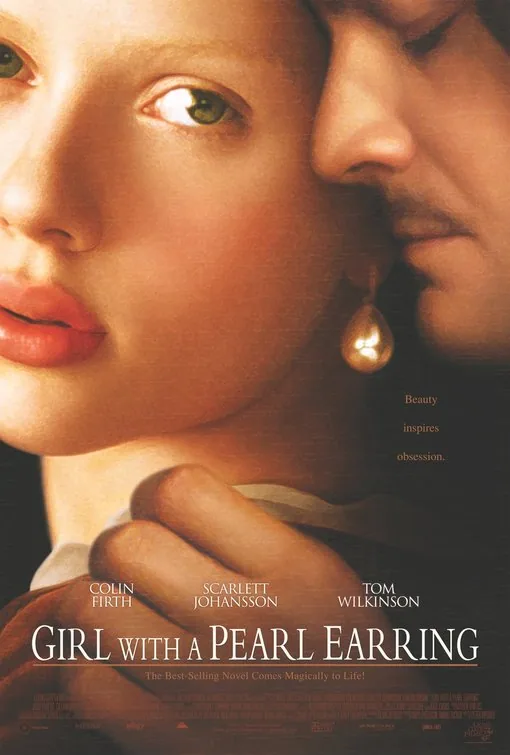
Griet’s work in Vermeer’s home brings her visual intelligence into the painting process while patronage and household power place limits on what she can choose. Griet’s visual insight matters inside a household where her labor and status remain subordinate.
Why this matches +
These offer a related experience with a meaningful difference in story, tone, or presentation.
An adjacent discovery: a related idea with a different viewing experience.
Genres: Drama / Romance
Shared film traits
Based on recorded story, mood and style. Your preferences can change the order.
What changes Girl with a Pearl Earring explores an artist's work and a complicated intimate relationship in a period setting.
A young domestic servant named Griet enters the household of Johannes Vermeer and becomes involved in the making of a portrait that draws her into the painter’s private workspace. Her eye for color and composition gives her a form of expertise, but it does not erase the class, gender and patronage structures governing her position. The film’s careful light and framing make looking itself feel intimate, while the portrait’s historical mystery invites viewers to fill gaps the evidence cannot answer. Based on Tracy Chevalier’s novel, it imagines a sitter and relationship; it should not be mistaken for documented biography of Vermeer or the unknown model.
The changing timeline makes memory itself part of the form through which the marriage is understood.
Why this matches +
These offer a related experience with a meaningful difference in story, tone, or presentation.
An adjacent discovery: a related idea with a different viewing experience.
Genres: Drama / Romance
Shared film traits
Based on recorded story, mood and style. Your preferences can change the order.
Memory and identity
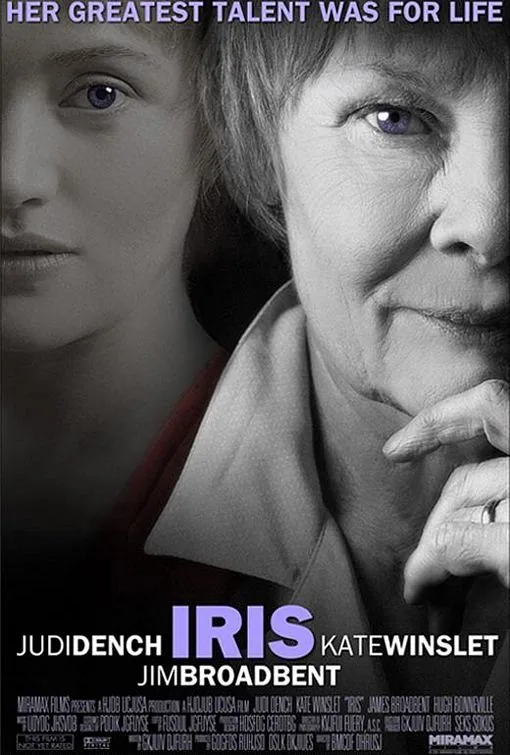
What changes Iris follows a long artistic marriage through changing identities and serious illness.
The film follows novelist Iris Murdoch and her husband John Bayley across their courtship and later years, when her developing dementia changes their shared life. Young Iris’s curiosity and unconventional energy are placed beside the painful limits that illness imposes on memory and communication. The story is a portrait of enduring attachment, shaped by shifts between the couple’s early intellectual intimacy and later caregiving.
Bernstein’s public brilliance and private relationships remain connected but cannot be collapsed into one story.
Why this matches +
These offer a related experience with a meaningful difference in story, tone, or presentation.
An adjacent discovery: a related idea with a different viewing experience.
Genres: Drama / Romance
Shared film traits
Based on recorded story, mood and style. Your preferences can change the order.
What changes Maestro explores the strains and sustaining bonds of a marriage alongside an artist's public life.
Leonard Bernstein’s conducting career begins with an unexpected debut, while his long relationship with actress Felicia Montealegre becomes the emotional center of his personal life. The film follows their marriage through professional success, parenthood and Bernstein’s complicated identity, moving across decades and shifts in style. Bradley Cooper uses music, performance and black-and-white-to-color transitions to portray public artistry alongside private strain, without reducing either spouse to a simple role.
A hotel worker's guarded routine is shaken by the possibility of companionship and another kind of life.
Why this matches +
These offer a related experience with a meaningful difference in story, tone, or presentation.
An adjacent discovery: a related idea with a different viewing experience.
Genres: Drama / Romance
Shared film traits
Based on recorded story, mood and style. Your preferences can change the order.
Memory and identity
What changes Albert Nobbs follows a gender-nonconforming person navigating identity and survival in a restrictive historical setting.
In late nineteenth-century Dublin, Albert Nobbs works as a discreet hotel waiter while maintaining a carefully guarded identity that has enabled survival and relative security. A new encounter with a painter forces Albert to imagine a different domestic future, but the desires and dependencies around the hotel complicate that hope. Rodrigo García's period drama follows the costs of concealment in a society with narrow options.
In 1920s Copenhagen, artist Gerda Wegener asks her spouse to pose in a dress for a portrait when a model is unavailable. The session opens a path for Lili Elbe to understand and live publicly as herself, while Gerda’s paintings draw attention to Lili and change the life they share. Encounters with doctors and the possibility of surgery add pressure to their marriage, but Lili’s identity is not simply a role-play or a project for her spouse. Tom Hooper’s film adapts David Ebershoff’s fictionalized novel about Elbe and Wegener, combining documented people with invented scenes and altered chronology. It is therefore a dramatized interpretation, not a direct record of Lili’s life or early gender-affirming care.
What drives the story
Gerda’s portrait session is the catalyst, but Lili’s self-understanding grows beyond the pose and the assumptions of the people around her. The film follows her effort to live as herself while its novel-based structure reshapes the historical record.
The people at its centre
Gerda’s affection and grief coexist with Lili’s need for recognition and agency. Their relationship changes under unequal social and medical pressures; Lili should not be reduced to a lesson in Gerda’s sacrifice.
What it feels like
Painterly interiors and close attention to clothes and gesture make art part of how the characters negotiate identity and public presentation.
Worth knowing
A fit for intimate period dramas about identity, art and a changing marriage. The film adapts a fictionalized novel and has been criticized for filtering Lili’s story through a cisgender gaze, so it should not stand in for a full biography or a general account of trans experience.
Self-discoveryLoveArtistic recognition
Mood
Intimate · Tender · Melancholic
Pacing
Episodic relationship drama · Personal transition
Visual style
Painterly period aesthetic · Portraiture · European interiors
Storytelling
Trans identity · Spousal relationship · Historical dramatization