The hidden portrait turns looking into both a professional task and an intimate negotiation over who controls the image.
Why this matches +
Selected for the central appeal: Period dramas about portraiture, intimacy and the unequal conditions surrounding creative work.
Genres: Drama / Romance
Shared film traits
Based on recorded story, mood and style. Your preferences can change the order.
What changes Portrait of a Lady on Fire builds a restrained relationship around a painter observing her sitter and the pressures placed on both women, with a female artist and a mutual romance rather than Griet's position as Vermeer's servant.
In late-eighteenth-century Brittany, painter Marianne is hired to make a portrait of Héloïse, a young woman whose arranged marriage depends on a painting she refuses to sit for. Marianne first observes her under the pretense of companionship, then paints from memory. When Héloïse agrees to pose, the two women develop an intimacy shaped by the short time before the marriage. Their relationship also includes the household’s young servant Sophie, whose pregnancy leads to a clandestine abortion. The portrait is completed, and Marianne and Héloïse separate, with a final later encounter preserving the force of their shared memory.
A hotel worker's guarded routine is shaken by the possibility of companionship and another kind of life.
Why this matches +
These offer a related experience with a meaningful difference in story, tone, or presentation.
An adjacent discovery: a related idea with a different viewing experience.
Genres: Drama / Romance
Shared film traits
Based on recorded story, mood and style. Your preferences can change the order.
What changes Albert Nobbs follows a servant navigating limited choices and identity within a restrictive period household, focusing on work and survival rather than a portrait's creation.
In late nineteenth-century Dublin, Albert Nobbs works as a discreet hotel waiter while maintaining a carefully guarded identity that has enabled survival and relative security. A new encounter with a painter forces Albert to imagine a different domestic future, but the desires and dependencies around the hotel complicate that hope. Rodrigo García's period drama follows the costs of concealment in a society with narrow options.
Jane’s narration gives her interior judgment authority within a restrictive society.
Why this matches +
These offer a related experience with a meaningful difference in story, tone, or presentation.
An adjacent discovery: a related idea with a different viewing experience.
Genres: Drama / Romance
Shared film traits
Based on recorded story, mood and style. Your preferences can change the order.
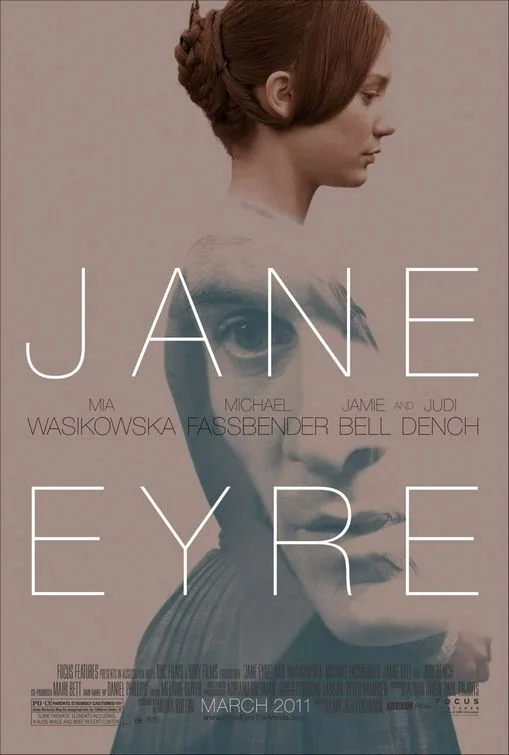
What changes Jane Eyre follows a young woman employed in a wealthy household whose attachment to its master is shaped by class and secrecy, replacing the painter's studio with a Gothic romance.
Orphan Jane Eyre is mistreated by her relatives and sent to a harsh school before finding work as a governess at Thornfield Hall. Her affection for the house’s owner, Edward Rochester, is complicated by a secret that threatens their future together. The adaptation follows Jane’s moral independence through a gothic romance, balancing intimacy with questions of class, authority, and the right to choose a life on one’s own terms.
A pact between two strategists turns sexual reputation into leverage, then becomes unstable when one participant develops an attachment that threatens their performance of control.
Why this matches +
These offer a related experience with a meaningful difference in story, tone, or presentation.
An adjacent discovery: a related idea with a different viewing experience.
Genres: Drama / Romance
Shared film traits
Based on recorded story, mood and style. Your preferences can change the order.
What changes Dangerous Liaisons explores desire and unequal power in a visually elaborate historical society, emphasizing aristocratic manipulation rather than a servant's artistic observation.
In pre-revolutionary aristocratic society, former lovers Merteuil and Valmont make seduction a contest and a tool for revenge. Their targets include the young Cécile and the devout Madame de Tourvel, whose reputations are more vulnerable than those of the people manipulating them. Valmont's genuine attachment complicates the game but does not turn coercion into courtship, while Merteuil's awareness of gendered restriction does not excuse her use of others. Letters, manners and public exposure make power appear elegant until the consequences become visible. Letters allow Merteuil and Valmont to stage, record and later expose their private contests.
A young domestic servant named Griet enters the household of Johannes Vermeer and becomes involved in the making of a portrait that draws her into the painter’s private workspace. Her eye for color and composition gives her a form of expertise, but it does not erase the class, gender and patronage structures governing her position. The film’s careful light and framing make looking itself feel intimate, while the portrait’s historical mystery invites viewers to fill gaps the evidence cannot answer. Based on Tracy Chevalier’s novel, it imagines a sitter and relationship; it should not be mistaken for documented biography of Vermeer or the unknown model.
What drives the story
Griet’s work in Vermeer’s home brings her visual intelligence into the painting process while patronage and household power place limits on what she can choose. Griet’s visual insight matters inside a household where her labor and status remain subordinate.
The people at its centre
The painter’s attention can recognize Griet’s perception and still benefit from her subordinate labor; the relationship remains shaped by his status and her dependence. Vermeer’s interest can value her eye while preserving his control of the work and its rewards.
What it feels like
Muted color, measured framing and quiet domestic labor evoke a painterly world where glances and withheld speech carry more weight than overt romance. Still compositions make small shifts in gaze feel more consequential than dialogue.
Worth knowing
Compare with restrained period dramas about labor, patronage and looking; identify the story as fiction around a historical portrait, not a recovered account of Vermeer’s sitter. The sitter and intimacy are imagined from a novel, not established facts about the portrait.
Artistic perceptionClassPower
Mood
Restrained · Intimate · Uneasy
Pacing
Slow burn
Visual style
Painterly compositions · Muted light
Storytelling
Servant artist collaboration · Secret portrait · Patron entitlement