A hotel worker's carefully protected identity and labor routine meet an uncertain possibility of intimacy, making economic security and a private future inseparable.
What should feel similar?
Find your next favourite
9 of 18 films · Closest overall matches
Hide films you’ve seen or don’t want. Saved on this device.
No matches for this combination yet.
Try another option or reset your choices to see more films.
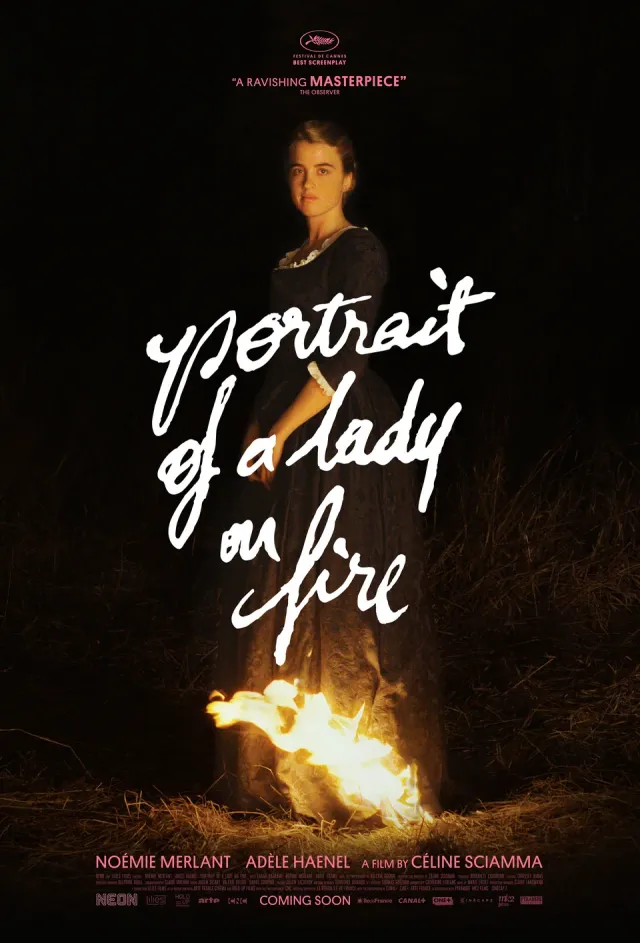
The hidden portrait turns looking into both a professional task and an intimate negotiation over who controls the image.
Why this matches +
These films share important themes, atmosphere or storytelling interests with this selection.
Genres: Drama / Romance
Shared film traits
Based on recorded story, mood and style. Your preferences can change the order.
What changes Its own story: The hidden portrait turns looking into both a professional task and an intimate negotiation over who controls the image.
In late-eighteenth-century Brittany, painter Marianne is hired to make a portrait of Héloïse, a young woman whose arranged marriage depends on a painting she refuses to sit for. Marianne first observes her under the pretense of companionship, then paints from memory. When Héloïse agrees to pose, the two women develop an intimacy shaped by the short time before the marriage. Their relationship also includes the household’s young servant Sophie, whose pregnancy leads to a clandestine abortion. The portrait is completed, and Marianne and Héloïse separate, with a final later encounter preserving the force of their shared memory.
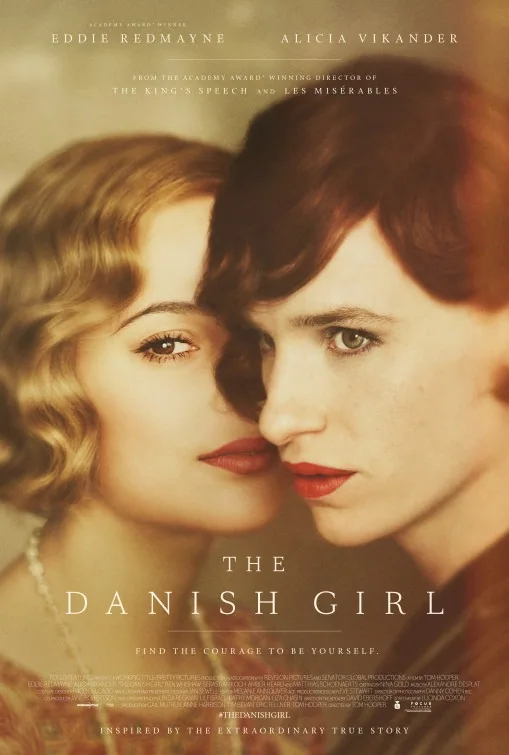
Gerda’s portrait session is the catalyst, but Lili’s self-understanding grows beyond the pose and the assumptions of the people around her. The film follows her effort to live as herself while its novel-based structure reshapes the historical record.
Why this matches +
These films share important themes, atmosphere or storytelling interests with this selection.
Genres: Drama / Romance
Shared film traits
Based on recorded story, mood and style. Your preferences can change the order.
Memory and identity
What changes Its own story: Gerda’s portrait session is the catalyst, but Lili’s self-understanding grows beyond the pose and the assumptions of the people around her. The film follows her effort to live as herself while its novel-based structure reshapes the historical record.
In 1920s Copenhagen, artist Gerda Wegener asks her spouse to pose in a dress for a portrait when a model is unavailable. The session opens a path for Lili Elbe to understand and live publicly as herself, while Gerda’s paintings draw attention to Lili and change the life they share. Encounters with doctors and the possibility of surgery add pressure to their marriage, but Lili’s identity is not simply a role-play or a project for her spouse. Tom Hooper’s film adapts David Ebershoff’s fictionalized novel about Elbe and Wegener, combining documented people with invented scenes and altered chronology. It is therefore a dramatized interpretation, not a direct record of Lili’s life or early gender-affirming care.
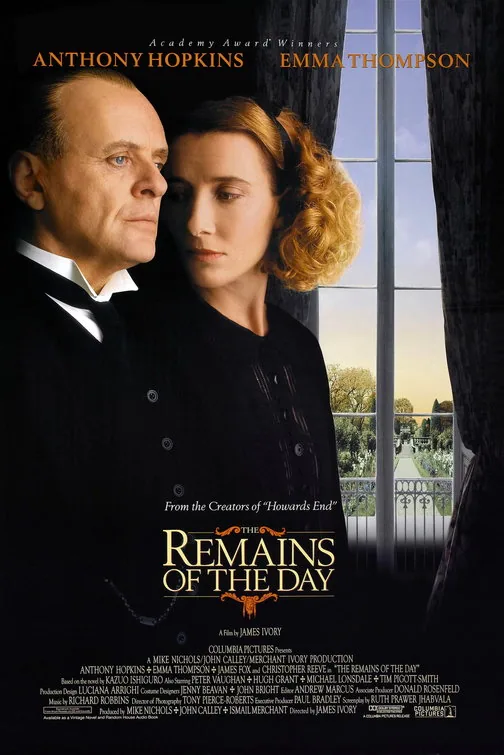
A present-day visit to a former colleague opens memories of the household and of the choices Stevens made in the name of service.
Why this matches +
These films share important themes, atmosphere or storytelling interests with this selection.
Genres: Drama
Shared film traits
Based on recorded story, mood and style. Your preferences can change the order.
What changes Its own story: A present-day visit to a former colleague opens memories of the household and of the choices Stevens made in the name of service.
In postwar Britain, butler James Stevens drives across the West Country to visit Miss Kenton, the former housekeeper at Darlington Hall. Their journey is intercut with memories of the years they served Lord Darlington, a gentleman whose prewar political associations later stain his reputation. Stevens prides himself on emotional restraint and professional dignity, while Kenton challenges his loyalty to the household and invites him to acknowledge their personal attachment. He repeatedly subordinates private feeling to service, even as the political choices made at the estate reveal how professionalism can become complicity. The return trip gives Stevens time to reconsider what he has preserved and what he has lost. James Ivory's adaptation builds its drama from manners, omissions and the distance between public conduct and private regret.
A developing romance is shaped by a custody system that can turn private intimacy into evidence and by each woman's changing sense of what she wants for herself. Public scrutiny changes what the relationship can safely leave undocumented.
Why this matches +
These films share important themes, atmosphere or storytelling interests with this selection.
Genres: Drama / Romance
Shared film traits
Based on recorded story, mood and style. Your preferences can change the order.
What changes Its own story: A developing romance is shaped by a custody system that can turn private intimacy into evidence and by each woman's changing sense of what she wants for herself. Public scrutiny changes what the relationship can safely leave undocumented.
Therese, a young department-store clerk and aspiring photographer, meets Carol, a married mother navigating divorce and a custody dispute. Their attraction begins with tentative looks and a shared journey, but power between them is not fixed by age, wealth or experience alone. Custody surveillance makes private affection legible to people who can use it against Carol, while Therese's artistic and personal choices develop beyond the romance. The film treats restraint as an effect of scrutiny and social risk, not a lack of desire.
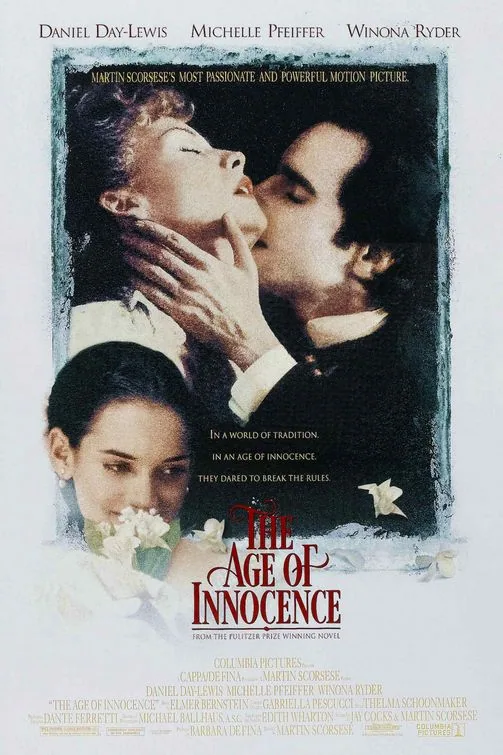
The romance is governed by the city's social code: every private impulse is filtered through reputation, family alliances and what people can safely say in public.
Why this matches +
These films share important themes, atmosphere or storytelling interests with this selection.
Genres: Drama / Romance
Shared film traits
Based on recorded story, mood and style. Your preferences can change the order.
What changes Its own story: The romance is governed by the city's social code: every private impulse is filtered through reputation, family alliances and what people can safely say in public.
In 1870s New York, lawyer Newland Archer is engaged to May Welland when her cousin Countess Ellen Olenska returns from Europe after leaving an unhappy marriage. Newland sympathizes with Ellen as society judges her, and his defense of her grows into a love he cannot openly pursue. Family expectations, reputation and May's apparent innocence narrow the choices available to all three. Newland and Ellen delay a future together until the social cost seems impossible to bear. Years later, an opportunity to see Ellen again forces Newland to confront the life he chose and what restraint has preserved or denied him.
Brandon seeks ordinary intimacy and belonging while hostile scrutiny turns personal information into a tool for gender policing and escalating violence. Coercive disclosure, not his identity, changes the danger around him.
Why this matches +
These films explore a related idea in a different setting, genre or style.
An adjacent discovery: a related idea with a different viewing experience.
Genres: Drama / Romance
Shared film traits
Based on recorded story, mood and style. Your preferences can change the order.
What changes Graphic sexual violence and murder make this a substantially harsher account of threatened identity and belonging than the guarded hotel-worker drama.
Brandon Teena, a young trans man, builds a romantic relationship with Lana and a fragile place among friends in rural Nebraska. Acceptance remains conditional, and people who learn about his identity use disclosure as a means of control rather than responding to him on his own terms. The film moves from courtship and everyday companionship into sexual and physical violence, exposing how a community's responses shape danger. Its dramatization carries representational limits; Brandon's trans identity is not a deception, and the film cannot stand in for his complete life or every trans experience. The tenderness with Lana is given room before the film's violence overwhelms it.
The day’s ordinary encounters shift the professor’s attention without neatly resolving the loss he carries.
Why this matches +
These films explore a related idea in a different setting, genre or style.
An adjacent discovery: a related idea with a different viewing experience.
Genres: Drama / LGBTQ-related
Shared film traits
Based on recorded story, mood and style. Your preferences can change the order.
Memory and identity
What changes Acute suicidal despair and stylized bereavement replace the quieter labor routine and imagined future, while concealed longing and social isolation connect them.
In 1960s Los Angeles, a British professor is grieving the sudden death of his partner and tries to move through one day while deciding whether he can continue living alone. Encounters with a friend, a student and strangers alter the emotional texture of that day without undoing his loss. The film turns clothing, color and routine into close expressions of grief, loneliness and the fragile possibility of renewed attention.
An emigrant's established new attachments are tested by a return that makes her former home newly attractive without erasing obligations already accepted elsewhere.
Why this matches +
These films explore a related idea in a different setting, genre or style.
An adjacent discovery: a related idea with a different viewing experience.
Genres: Drama / Romance
Shared film traits
Based on recorded story, mood and style. Your preferences can change the order.
What changes Its own story: An emigrant's established new attachments are tested by a return that makes her former home newly attractive without erasing obligations already accepted elsewhere.
A young Irish woman leaves limited work prospects for New York, where homesickness gradually gives way to employment, friendship, and a serious relationship. A family death draws her back to a place that now offers possibilities unavailable before she left. The return makes belonging a choice with consequences for commitments kept partly out of view, exposing how a newly formed identity can become difficult to explain when an older community imagines a different future for her.
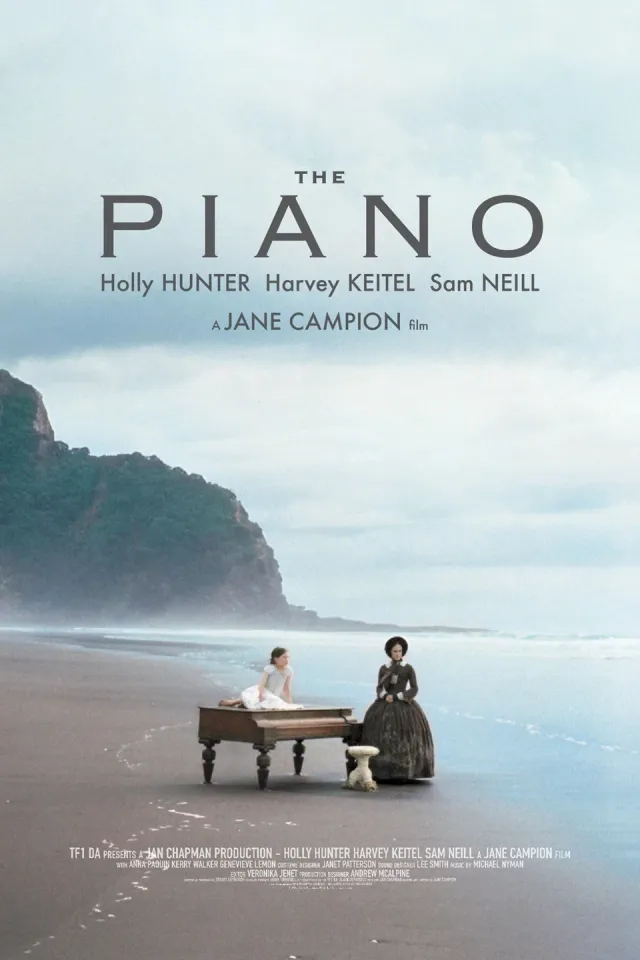
A piano left on the shore becomes the object of a bargain that draws Ada into a relationship outside her arranged marriage and intensifies her husband's control.
Why this matches +
These films explore a related idea in a different setting, genre or style.
An adjacent discovery: a related idea with a different viewing experience.
Genres: Drama / Romance
Shared film traits
Based on recorded story, mood and style. Your preferences can change the order.
What changes Sexual coercion and bodily violence make the constrained longing and economic bargaining much harsher than the hotel-worker portrait.
Mute Scottish pianist Ada McGrath arrives in colonial New Zealand with her daughter Flora and her piano for an arranged marriage to settler Alisdair Stewart. When the piano is left on the beach, Ada persuades neighbor George Baines to retrieve it, and he makes a bargain: she can play it at his home if she gives him lessons. Their private meetings turn into an affair, while Alisdair's response to Ada's desire becomes increasingly controlling. Flora moves between interpreting for her mother and acting on loyalties of her own, changing the balance of power. Jane Campion's story links communication, erotic desire and colonial property, but the central woman's limited speech should not obscure the unequal conditions in which the men negotiate her choices.
The school’s gentle routines conceal a system with no meaningful choice for students.
Why this matches +
These films explore a related idea in a different setting, genre or style.
An adjacent discovery: a related idea with a different viewing experience.
Genres: Drama / Romance
Shared film traits
Based on recorded story, mood and style. Your preferences can change the order.
Memory and identity
What changes Its own story: The school’s gentle routines conceal a system with no meaningful choice for students.
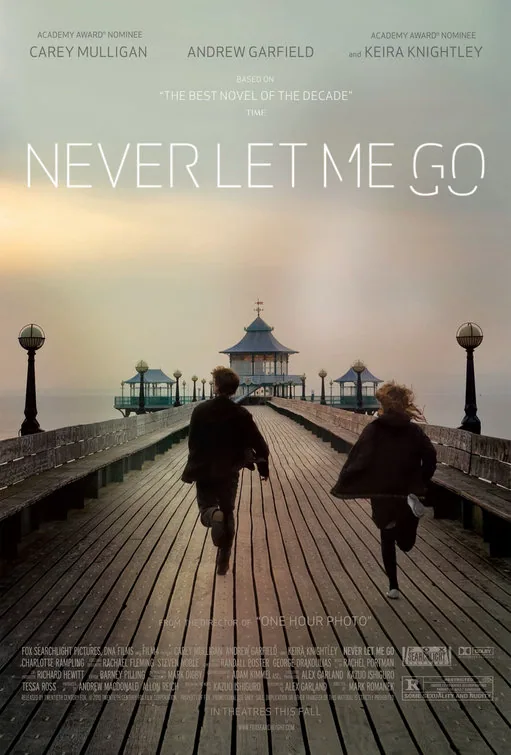
Kathy, Ruth, and Tommy grow up at a secluded English boarding school that teaches them to value health and art while concealing their purpose. As adults, they gradually understand that their lives have been designed to serve a medical system built around donated organs. The dystopian drama frames this discovery through friendship, memory, and longing, asking what humanity means when the future has been assigned by others.
The misdelivered meal gives Ila and Saajan a private channel through which ordinary routines turn into personal conversation.
Why this matches +
These films explore a related idea in a different setting, genre or style.
An adjacent discovery: a related idea with a different viewing experience.
Genres: Drama / Romance
Shared film traits
Based on recorded story, mood and style. Your preferences can change the order.
What changes Its own story: The misdelivered meal gives Ila and Saajan a private channel through which ordinary routines turn into personal conversation.
A meal prepared by Ila for her inattentive husband is mistakenly delivered to Saajan, a lonely widower nearing retirement in Mumbai. When the error goes unnoticed, Ila and Saajan begin exchanging notes through the lunchbox, sharing disappointments and hopes that they rarely express to people around them. Ritesh Batra’s Hindi-language drama follows this correspondence alongside the rhythms of the city’s delivery system, finding intimacy in food, routine, and small acts of attention. Its emotional movement is quiet and open-ended rather than driven by a conventional romantic resolution.
A concealed relationship becomes an escape operation when institutional exploitation threatens the life of a captive whose humanity is being denied.
Why this matches +
These films explore a related idea in a different setting, genre or style.
An adjacent discovery: a related idea with a different viewing experience.
Genres: Fantasy / Drama
Shared film traits
Based on recorded story, mood and style. Your preferences can change the order.
What changes Explicit sexuality, creature fantasy and violent institutional pursuit replace the restrained period workplace, while marginalized people seek intimacy outside social permission.
A cleaner who communicates through sign language works in a secret Cold War laboratory where an amphibious being is imprisoned for study. Her repeated visits create a relationship outside the facility's language of strategic value and controlled experimentation. Learning that the creature will be killed, she recruits friends for a rescue, making affection inseparable from resistance to an authority that treats bodily and social difference as grounds for domination.
A move from public exhibition to medical protection reveals how difficult recognition becomes when others control one's visibility.
Why this matches +
These films explore a related idea in a different setting, genre or style.
An adjacent discovery: a related idea with a different viewing experience.
Genres: Drama / Historical
Shared film traits
Based on recorded story, mood and style. Your preferences can change the order.
What changes Its own story: A move from public exhibition to medical protection reveals how difficult recognition becomes when others control one's visibility.
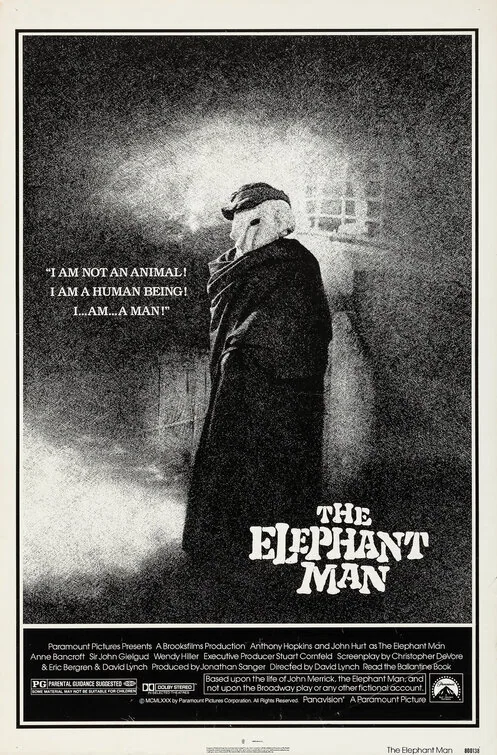
A London surgeon encounters a severely disfigured man exhibited as a spectacle and arranges to examine and shelter him. As the patient's intelligence and sensitivity become visible, medical care, public fascination and social patronage create new forms of display. His search for ordinary dignity forces people offering protection to consider whether their attention differs enough from the exploitation they condemn.
A day in each woman’s life forms a braided structure; their choices echo one another while belonging to different relationships and historical moments.
Why this matches +
These films explore a related idea in a different setting, genre or style.
An adjacent discovery: a related idea with a different viewing experience.
Genres: Drama / LGBTQ-related
Shared film traits
Based on recorded story, mood and style. Your preferences can change the order.
Memory and identity
What changes Its own story: A day in each woman’s life forms a braided structure; their choices echo one another while belonging to different relationships and historical moments.
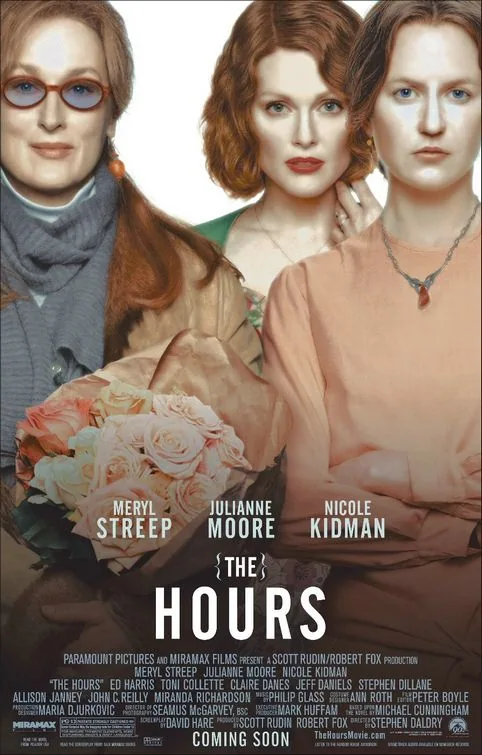
The film follows three women on separate days in different decades: Virginia Woolf in 1920s England, Laura Brown in 1950s Los Angeles and Clarissa Vaughan in contemporary New York. Virginia writes Mrs. Dalloway while struggling with illness and the restrictions of her life; Laura reads the novel as domestic dissatisfaction closes around her; Clarissa cares for Richard, a poet and former lover dying of AIDS. Editing and recurring gestures connect the women without making their experiences identical. The result is a literary drama about care, escape and the futures people imagine for themselves.
A pre-vow family visit becomes a search for concealed wartime deaths, unsettling two women’s different ways of living with history and choosing a future. Wanda’s investigation and Ida’s vocation meet at family graves but lead to different future choices.
Why this matches +
These films explore a related idea in a different setting, genre or style.
An adjacent discovery: a related idea with a different viewing experience.
Genres: Drama
Shared film traits
Based on recorded story, mood and style. Your preferences can change the order.
Memory and identity
What changes Its own story: A pre-vow family visit becomes a search for concealed wartime deaths, unsettling two women’s different ways of living with history and choosing a future. Wanda’s investigation and Ida’s vocation meet at family graves but lead to different future choices.
Before taking religious vows, novice Anna visits her only surviving relative, Wanda, and learns that she was born Jewish and given a different name. Their journey to locate the remains of family members killed during the occupation leads to difficult questions about local violence, survival and what can be recovered from silence. Wanda’s political past and grief shape one response; Ida’s quiet discipline and uncertainty shape another. Their discoveries do not produce a simple replacement identity or a single verdict on Poland. The film’s black-and-white, nearly square compositions make its sparse spaces and withheld information part of the historical tension, not merely an elegant style.
An encounter with a young family activates memories that make Leda reassess her choices and what she has hidden from herself.
Why this matches +
These films explore a related idea in a different setting, genre or style.
An adjacent discovery: a related idea with a different viewing experience.
Genres: Drama / Psychological thriller
Shared film traits
Based on recorded story, mood and style. Your preferences can change the order.
Memory and identity
What changes Its own story: An encounter with a young family activates memories that make Leda reassess her choices and what she has hidden from herself.
On a Greek island holiday, professor and translator Leda Caruso observes a young mother, Nina, struggling with the demands of caring for her daughter. A missing doll becomes an unsettling focus for Leda, while memories of her own years as a mother return through flashbacks. As Leda and Nina speak, the film explores choices, resentment, desire, and the parts of motherhood people rarely admit aloud. Maggie Gyllenhaal’s adaptation of Elena Ferrante’s novel is a psychological character study with a deliberately uneasy view of intimacy and maternal identity.
The vote gives each woman a formal voice in a crisis shaped by coercion.
Why this matches +
These films explore a related idea in a different setting, genre or style.
An adjacent discovery: a related idea with a different viewing experience.
Genres: Drama
Shared film traits
Based on recorded story, mood and style. Your preferences can change the order.
What changes A collective debate after sexual assault replaces an individual worker's guarded hopes, while economic dependency and the possibility of leaving a controlling social order connect them.
Women in an isolated Mennonite colony gather after discovering that men have drugged and sexually assaulted them. With the perpetrators absent, they debate whether to stay, fight, or leave, weighing faith, safety, family, and the future of their children. The drama centers collective deliberation rather than depicting violence as spectacle, asking how a community can make a decision when its inherited rules have failed to protect it.
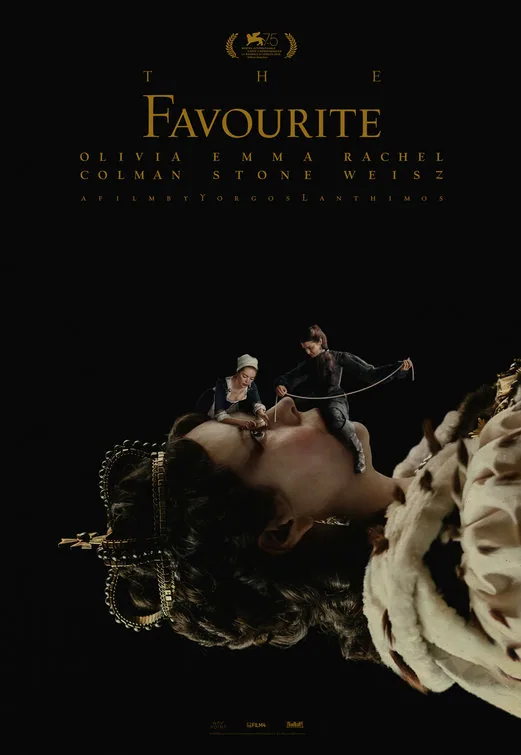
Two women compete for proximity to a ruler whose emotional and physical needs determine political access.
Why this matches +
These films explore a related idea in a different setting, genre or style.
An adjacent discovery: a related idea with a different viewing experience.
Genres: Drama / Comedy
Shared film traits
Based on recorded story, mood and style. Your preferences can change the order.
What changes Its own story: Two women compete for proximity to a ruler whose emotional and physical needs determine political access.
At the court of an ailing queen, a powerful confidante manages both political business and an intimate bond with the monarch. A newly arrived cousin uses apparent vulnerability to secure a position and challenge that influence. Their rivalry makes affection, bodily care and access to power difficult to distinguish, with state decisions shaped by intensely personal competition.
In late nineteenth-century Dublin, Albert Nobbs works as a discreet hotel waiter while maintaining a carefully guarded identity that has enabled survival and relative security. A new encounter with a painter forces Albert to imagine a different domestic future, but the desires and dependencies around the hotel complicate that hope. Rodrigo García's period drama follows the costs of concealment in a society with narrow options.
What drives the story
A hotel worker's guarded routine is shaken by the possibility of companionship and another kind of life.
The people at its centre
Albert's careful habits protect hard-won stability but also limit intimacy and self-expression.
What it feels like
The hotel becomes a small social system where class, work and private longing intersect.
Worth knowing
Its quiet drama asks what change can cost when safety has depended on concealment.
IdentitySurvivalLoneliness
Mood
Restrained · Melancholic · Hopeful
Pacing
Measured · Character-led
Visual style
Muted period interiors · Formal costumes · Close observation
Storytelling
Concealed identity · Hotel service · Social constraint