The vocal performances connect public triumph with the labor and pressure behind it.
Why this matches +
Selected for the central appeal: Music biographies about celebrated performers, difficult childhoods and the personal cost of fame.
Genres: Biography / Drama
Shared film traits
Based on recorded story, mood and style. Your preferences can change the order.
Music and performance
What changes Whitney Houston: I Wanna Dance with Somebody follows a celebrated vocalist through fame, relationships and personal struggle.
This musical biographical film follows Whitney Houston from early singing opportunities through her rise as a recording and film star. Performances and career milestones sit alongside pressures from family, managers, relationships, and the music business. The story presents a singular voice inside a network of people who shape and profit from public fame, while revisiting the joy and cost of performing for ever-larger audiences.
The concert schedule gives Garland an immediate professional goal amid instability and exhaustion.
Why this matches +
Selected for the central appeal: Music biographies about celebrated performers, difficult childhoods and the personal cost of fame.
Genres: Biography / Drama
Shared film traits
Based on recorded story, mood and style. Your preferences can change the order.
Music and performance
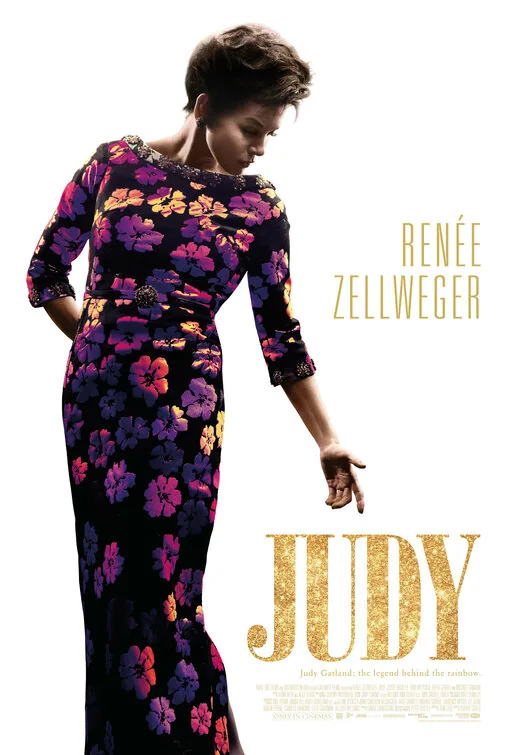
What changes Judy follows a celebrated singer whose public performances coexist with declining health and private instability.
In 1968, Judy Garland arrives in London to perform a run of concerts as her finances and health deteriorate. The drama moves between the pressure of the performances and memories of her childhood under studio control, showing how fame shaped her private life. Renée Zellweger portrays Garland during a difficult final chapter, with the story focused on work, family and the search for connection.
The music career gives Aretha a platform but also exposes her to people who claim authority over her choices.
Why this matches +
Selected for the central appeal: Music biographies about celebrated performers, difficult childhoods and the personal cost of fame.
Genres: Biography / Drama
Shared film traits
Based on recorded story, mood and style. Your preferences can change the order.
Music and performance
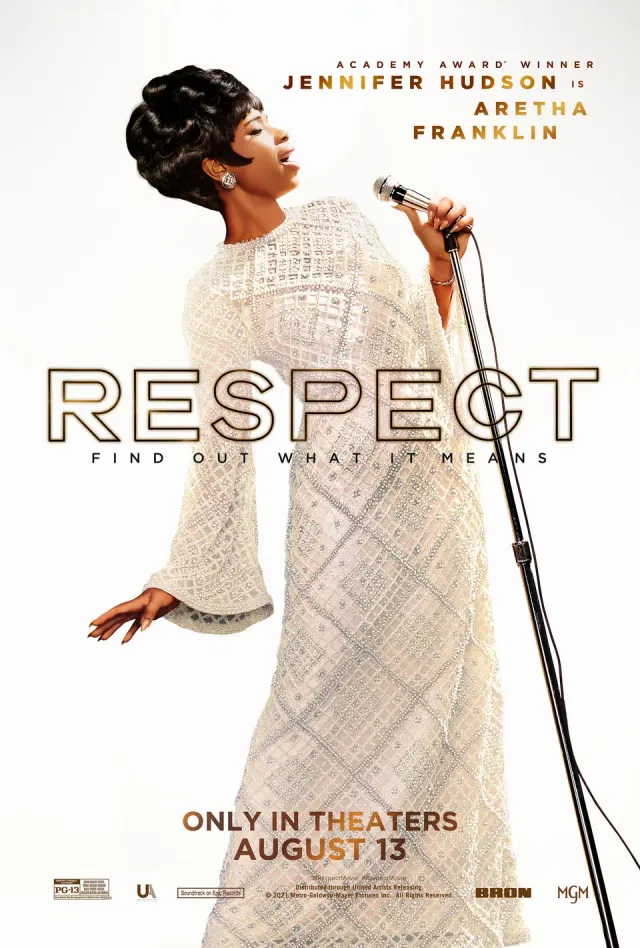
What changes Respect follows a singer's rise from a difficult family environment to public acclaim.
Aretha Franklin rises from singing in her father’s church to national recognition, while navigating family expectations, abusive relationships and the demands of the music industry. The biographical musical drama traces the years leading to her landmark recordings and performances, emphasizing her developing control over her voice and career. Jennifer Hudson portrays Franklin as a performer whose public power grows alongside a difficult private journey.
Rose’s voice brings professional success, but the schedule and management around it leave her little space to control her own life.
Why this matches +
These offer a related experience with a meaningful difference in story, tone, or presentation.
An adjacent discovery: a related idea with a different viewing experience.
Genres: Drama / Musical
Shared film traits
Based on recorded story, mood and style. Your preferences can change the order.
Music and performance
What changes The Rose portrays a famous singer whose intense public persona cannot protect her from private decline.
Mary Rose Foster, known to her fans simply as the Rose, is an acclaimed singer whose packed touring schedule and demanding manager leave her exhausted and lonely. She wants to return to her Florida hometown as a star, but fame keeps her moving and makes ordinary relationships difficult. After a humiliating encounter with a country singer she admires, she leaves with chauffeur Huston Dyer, and the two begin an intense romance. Their connection is tested by touring, old attachments, alcohol, and the pressure to keep performing. The story follows a gifted artist as the stage persona begins to crowd out her private life.
Cash’s rise in music and his pursuit of June Carter unfold alongside addiction and the consequences of his unresolved family history.
Why this matches +
These offer a related experience with a meaningful difference in story, tone, or presentation.
An adjacent discovery: a related idea with a different viewing experience.
Genres: Drama / Biography
Shared film traits
Based on recorded story, mood and style. Your preferences can change the order.
Music and performance
What changes Walk the Line follows a singer's rise, troubled relationships and addiction alongside powerful performances.
The film follows Johnny Cash from a childhood marked by grief and a harsh relationship with his father into his early success as a recording artist. After military service, he forms a band, auditions for Sam Phillips and joins a touring circuit that brings him together with June Carter. Their connection develops while Cash’s first marriage falters and his fame, touring and substance use strain his life. June’s affection does not instantly fix his addiction, and the film centers on the long, uneven effort to become someone who can accept help. The performances and songs give the story a musical structure, but its emotional through-line is the gap between public confidence and private instability. It is an adaptation drawn from Cash’s autobiographies, not a complete documentary account.
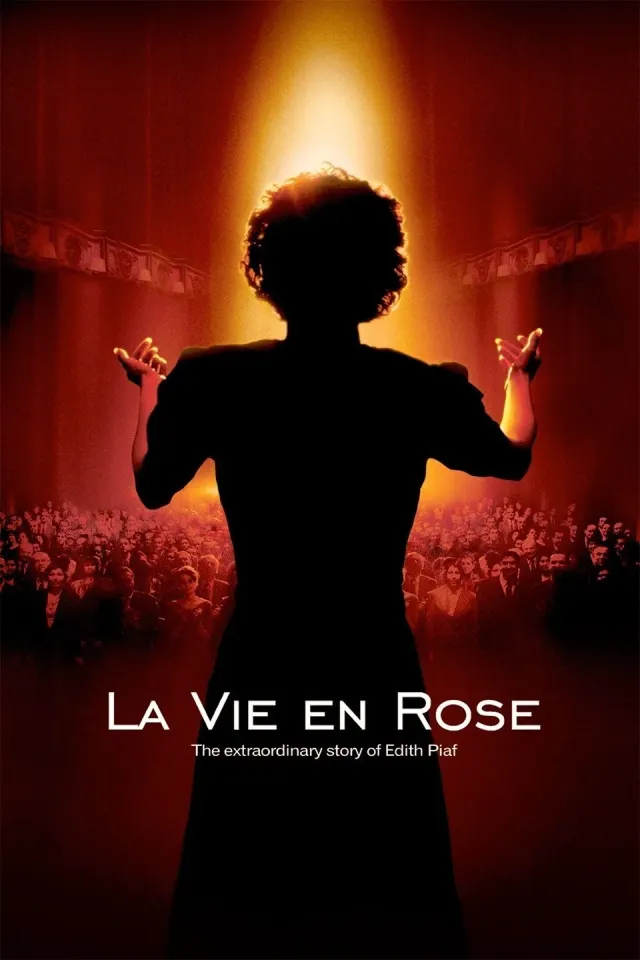
A singer's public force emerges from an unstable childhood of poverty, illness and dependence on people whose care is unevenly available. Success brings technical discipline, fame and passionate attachment without providing reliable safety from bodily decline or loss. The narrative moves among periods rather than allowing each triumph to cancel what preceded it. The biographical drama makes performance a way of commanding attention that private life cannot sustain, while refusing to keep the celebrated voice separate from the vulnerable person through whom it is produced.
What drives the story
A nonlinear account of artistic formation and decline juxtaposes commanding performance with relationships and physical crises that fame cannot secure against loss.
The people at its centre
Piaf's dependence on caretakers, collaborators and Cerdan complicates the public image of singular will, while grief changes what professional endurance can mean.
What it feels like
Emphatic embodiment, stage performance and abrupt temporal shifts make recognition and disorientation coexist rather than form a smooth chronological rise.
Worth knowing
The film condenses biography and dramatizes intimate scenes; avoid treating suffering as a necessary price of artistic worth or assuming one remembered performance resolves the life around it.