An account of musical success is organized around the emotional crises that bring Elton into rehabilitation.
Why this matches +
Selected for the central appeal: Music biographies about performers, addiction and relationships tested by fame.
Genres: Biography / Musical
Shared film traits
Based on recorded story, mood and style. Your preferences can change the order.
Music and performance
What changes Rocketman follows a singer's rise to fame alongside substance use and troubled relationships.
Elton John recounts the experiences that shaped his career while confronting addiction and emotional damage. His musical partnership with Bernie Taupin opens a route from an unhappy childhood to extraordinary public success, but recognition cannot resolve his need for affection. Familiar songs become dramatized memories and fantasies, turning a performer's rise into a story about self-invention, exploitative intimacy and the work of accepting care.
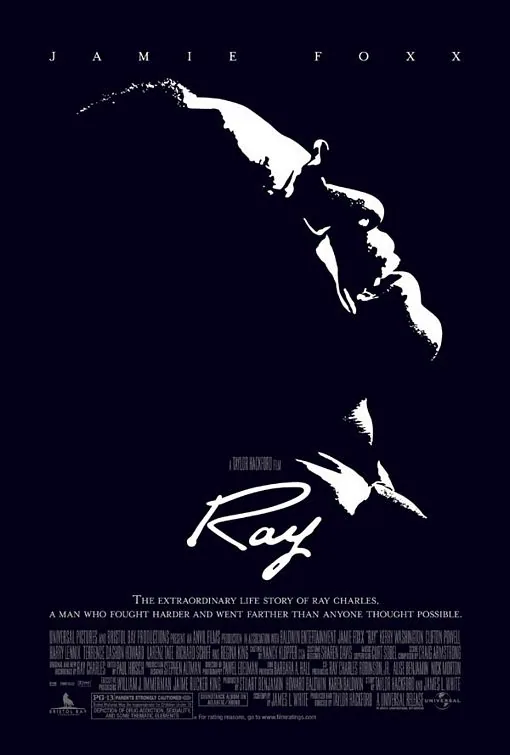
The music career rises through performance and business choices, while childhood loss and addiction repeatedly disrupt Charles’s family and professional life.
Why this matches +
Selected for the central appeal: Music biographies about performers, addiction and relationships tested by fame.
Genres: Biography / Drama
Shared film traits
Based on recorded story, mood and style. Your preferences can change the order.
Music and performance
What changes Ray follows a celebrated musician through childhood trauma, artistic success and addiction.
Ray Charles grows up in poverty in Florida, loses his sight as a child and learns from his mother to navigate the world independently. As a young musician he travels the touring circuit, builds a recording career by combining gospel and rhythm and blues, and becomes a major performer. His success exists alongside complicated relationships, infidelity and heroin addiction. After he refuses to perform at a segregated venue, the film follows his public stand as well as the personal crisis that brings him into treatment. Memories of his brother’s accidental death recur as Ray confronts guilt and takes responsibility for his recovery.
A nonlinear account of artistic formation and decline juxtaposes commanding performance with relationships and physical crises that fame cannot secure against loss.
Why this matches +
Selected for the central appeal: Music biographies about performers, addiction and relationships tested by fame.
Genres: Drama / Biography
Shared film traits
Based on recorded story, mood and style. Your preferences can change the order.
Music and performance
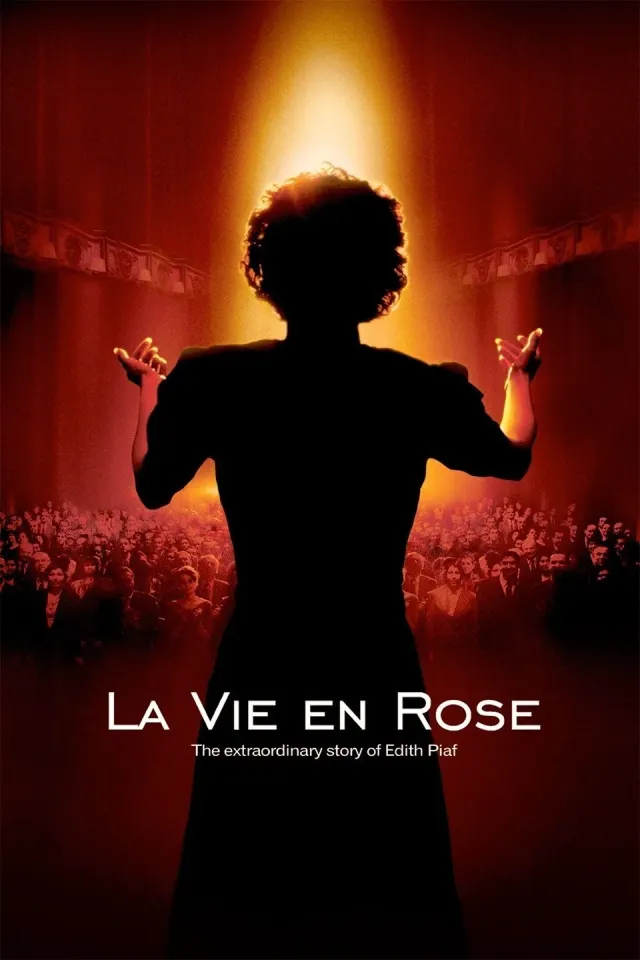
What changes La Vie en Rose follows a singer whose public success coexists with addiction, grief and physical decline.
A singer's public force emerges from an unstable childhood of poverty, illness and dependence on people whose care is unevenly available. Success brings technical discipline, fame and passionate attachment without providing reliable safety from bodily decline or loss. The narrative moves among periods rather than allowing each triumph to cancel what preceded it. The biographical drama makes performance a way of commanding attention that private life cannot sustain, while refusing to keep the celebrated voice separate from the vulnerable person through whom it is produced.
A manager's discovery of a marketable performer develops into a controlling arrangement that turns the machinery of success into an obstacle to artistic and personal freedom. Commercial success expands Elvis’s audience while Parker’s financial and contractual control narrows the choices the film dramatizes.
Why this matches +
These offer a related experience with a meaningful difference in story, tone, or presentation.
An adjacent discovery: a related idea with a different viewing experience.
Genres: Biography / Drama
Shared film traits
Based on recorded story, mood and style. Your preferences can change the order.
Music and performance
What changes Elvis follows a performer whose fame and touring are shaped by a complicated professional relationship.
A young performer's musical force attracts a manager who recognizes how rebellion can be sold while claiming he alone can protect the career it creates. Success reshapes family life, public image and the terms on which the singer can work, as promises of opportunity become increasingly difficult to separate from financial confinement. The relationship is narrated through the manager's self-defense, making the spectacle of stardom also an argument over who gets to explain its costs. Parker’s retrospective narration shapes the story, so the manager’s account is part of its subject and a limit.
declining career raising the question of life beyond the road
Why this matches +
These offer a related experience with a meaningful difference in story, tone, or presentation.
An adjacent discovery: a related idea with a different viewing experience.
Genres: Drama / Music
Shared film traits
Based on recorded story, mood and style. Your preferences can change the order.
Music and performance
What changes Crazy Heart follows a country singer confronting addiction and the damage done to his relationships.
A once-successful country singer performs in modest venues while alcohol and a drifting life erode his work and relationships. A journalist’s interest and a bond with her young son offer a reason to imagine change, but recovery requires choices romance cannot make for him. The drama follows an aging musician through music, regret and accepting responsibility for his future.
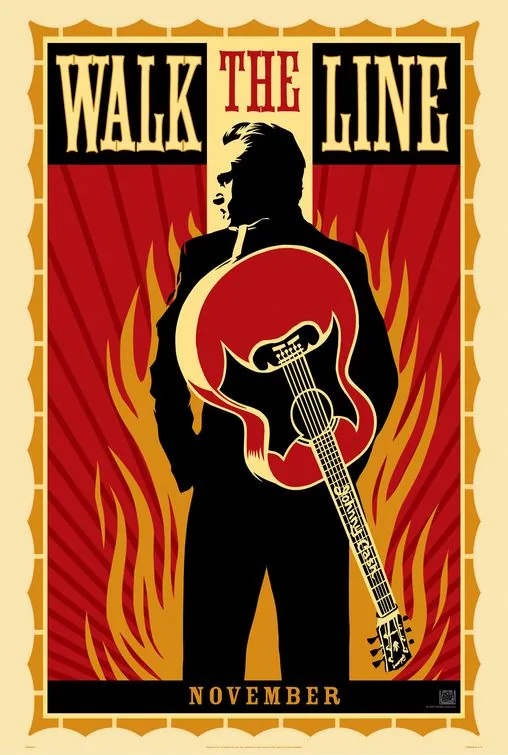
The film follows Johnny Cash from a childhood marked by grief and a harsh relationship with his father into his early success as a recording artist. After military service, he forms a band, auditions for Sam Phillips and joins a touring circuit that brings him together with June Carter. Their connection develops while Cash’s first marriage falters and his fame, touring and substance use strain his life. June’s affection does not instantly fix his addiction, and the film centers on the long, uneven effort to become someone who can accept help. The performances and songs give the story a musical structure, but its emotional through-line is the gap between public confidence and private instability. It is an adaptation drawn from Cash’s autobiographies, not a complete documentary account.
What drives the story
Cash’s rise in music and his pursuit of June Carter unfold alongside addiction and the consequences of his unresolved family history.
The people at its centre
His need for June’s attention and her refusal to be reduced to a rescuer create a romance shaped by boundaries and repeated failure.
What it feels like
Concert scenes and musical performances turn biography into a rhythm of public triumph followed by private collapse.
Worth knowing
For viewers drawn to music biographies centered on romance, performance and recovery. Its dramatic compression should not be treated as a complete factual chronology.