Songs punctuate the biography and mark shifts in how Brown understands his influence and control.
Why this matches +
Selected for the central appeal: Musician biographies about creative success, personal relationships and the cost of addiction.
Genres: Biography / Drama
Shared film traits
Based on recorded story, mood and style. Your preferences can change the order.
Music and performance
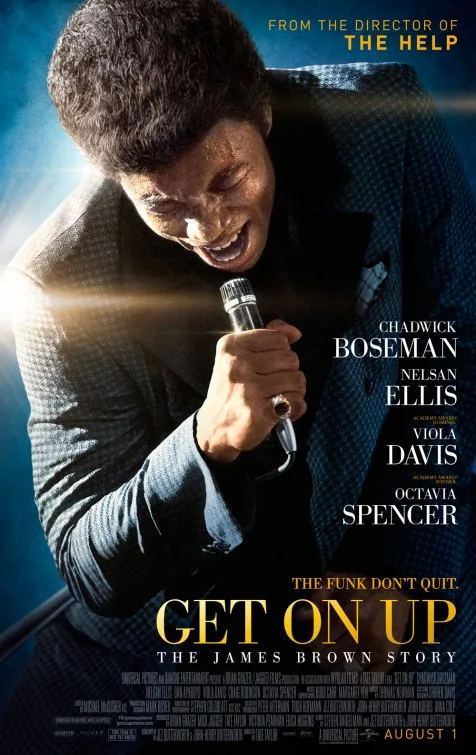
What changes Get on Up follows James Brown from hardship to musical fame while exploring performance and troubled relationships, with a nonlinear account of a different Black American artist.
A musical biopic follows James Brown from a difficult childhood through the rise of a singular stage performer whose discipline and ambition reshape popular music. The narrative moves across time rather than offering a simple rise-and-fall sequence, connecting performance to family wounds, business power and the cost of control. Its energy comes from music and Brown’s forceful presence, alongside a frank look at the damage behind his success.
Cash’s rise in music and his pursuit of June Carter unfold alongside addiction and the consequences of his unresolved family history.
Why this matches +
Selected for the central appeal: Musician biographies about creative success, personal relationships and the cost of addiction.
Genres: Drama / Biography
Shared film traits
Based on recorded story, mood and style. Your preferences can change the order.
Music and performance
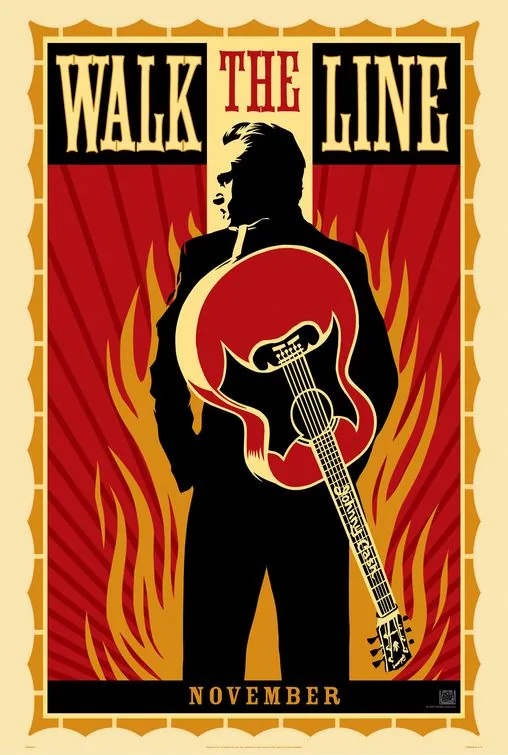
What changes Walk the Line traces Johnny Cash's musical rise, addiction and intimate relationships, moving from rhythm and blues to country music.
The film follows Johnny Cash from a childhood marked by grief and a harsh relationship with his father into his early success as a recording artist. After military service, he forms a band, auditions for Sam Phillips and joins a touring circuit that brings him together with June Carter. Their connection develops while Cash’s first marriage falters and his fame, touring and substance use strain his life. June’s affection does not instantly fix his addiction, and the film centers on the long, uneven effort to become someone who can accept help. The performances and songs give the story a musical structure, but its emotional through-line is the gap between public confidence and private instability. It is an adaptation drawn from Cash’s autobiographies, not a complete documentary account.
Parker’s charisma and brilliance coexist with dependency and self-destruction; Chan tries to keep a home life possible.
Why this matches +
Related viewing experiences with the specific differences recorded for each pair.
An adjacent discovery: a related idea with a different viewing experience.
Genres: Drama / Biography
Shared film traits
Based on recorded story, mood and style. Your preferences can change the order.
Music and performance
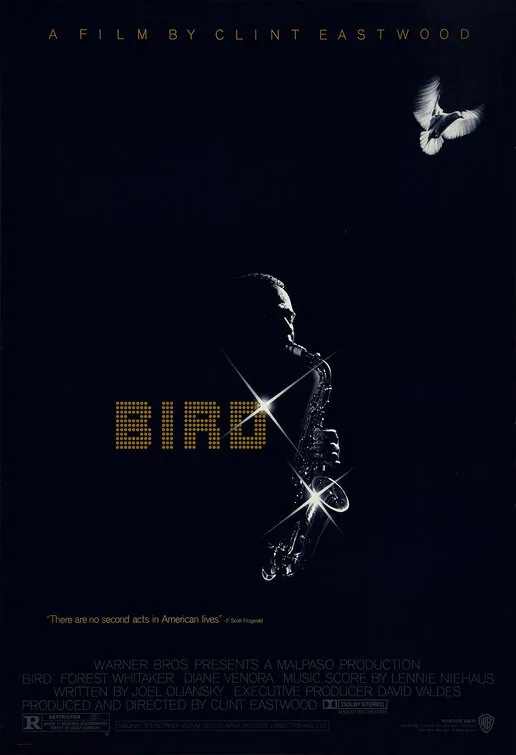
What changes Bird portrays jazz musician Charlie Parker's talent and addiction, using a more somber portrait of a different performer rather than Ray's broader career and recovery arc.
The film follows jazz saxophonist Charlie Parker from his early Kansas City performances into the New York bebop scene and his turbulent life with Chan Parker. Success brings periods of exhilaration and collapse, while drug and alcohol dependence repeatedly interrupts his playing and relationships. Chan helps reconnect him with work and family life, but Parker’s health and artistic drive remain difficult to separate. Told through shifting memories and music, the portrait moves between performance, intimacy and breakdown, framing bebop as a creative revolution carried by a life under strain.
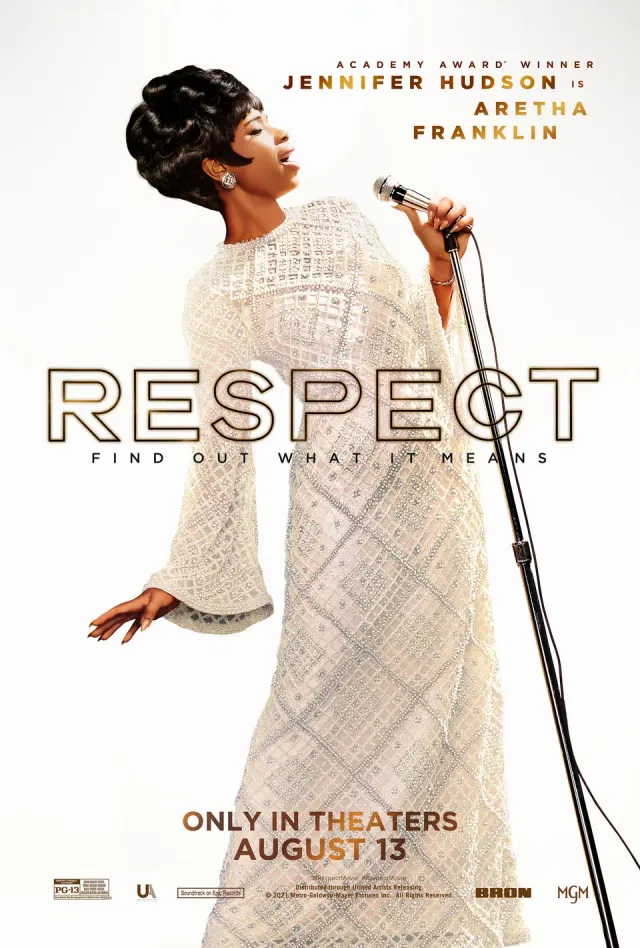
The music career gives Aretha a platform but also exposes her to people who claim authority over her choices.
Why this matches +
Related viewing experiences with the specific differences recorded for each pair.
An adjacent discovery: a related idea with a different viewing experience.
Genres: Biography / Drama
Shared film traits
Based on recorded story, mood and style. Your preferences can change the order.
Music and performance
What changes Respect follows Aretha Franklin's career, family pressures and pursuit of artistic control, centering a woman in soul music rather than Ray Charles's life.
Aretha Franklin rises from singing in her father’s church to national recognition, while navigating family expectations, abusive relationships and the demands of the music industry. The biographical musical drama traces the years leading to her landmark recordings and performances, emphasizing her developing control over her voice and career. Jennifer Hudson portrays Franklin as a performer whose public power grows alongside a difficult private journey.
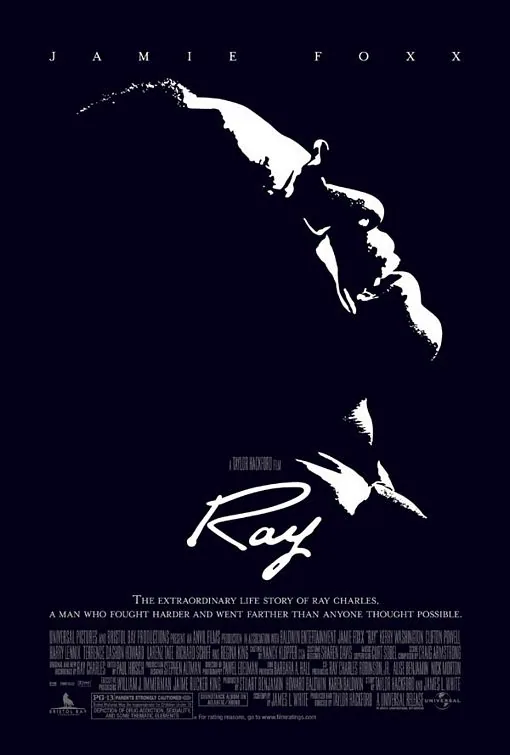
Ray Charles grows up in poverty in Florida, loses his sight as a child and learns from his mother to navigate the world independently. As a young musician he travels the touring circuit, builds a recording career by combining gospel and rhythm and blues, and becomes a major performer. His success exists alongside complicated relationships, infidelity and heroin addiction. After he refuses to perform at a segregated venue, the film follows his public stand as well as the personal crisis that brings him into treatment. Memories of his brother’s accidental death recur as Ray confronts guilt and takes responsibility for his recovery.
What drives the story
The music career rises through performance and business choices, while childhood loss and addiction repeatedly disrupt Charles’s family and professional life.
The people at its centre
His marriage to Della Bea and his relationships with musicians are strained by fame, affairs and addiction; their responses do not reduce him to either a genius or a villain.
What it feels like
Concert scenes, period recordings and Jamie Foxx’s performance make the film’s musical sequences central to its rhythm.
Worth knowing
This is a dramatized life story with compressed events and invented or reshaped scenes, not a complete record of Charles’s career or relationships.
MusicAmbitionRecovery
Mood
Expressive · Reflective · Melancholic
Pacing
Episodic · Music-led · Building
Visual style
Period detail · Concert performance · Memory flashback
Storytelling
Musical biography · Addiction drama · Civil-rights story