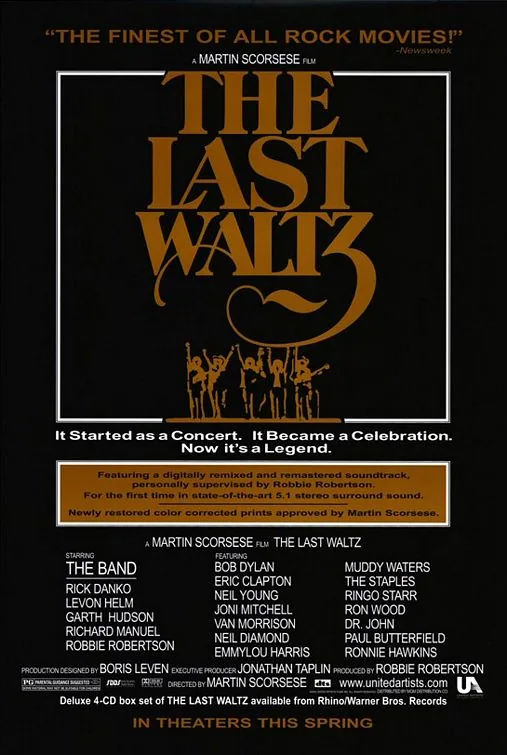
A farewell concert gathers The Band and guests to revisit a shared musical history.
Why this matches +
These films share important themes, atmosphere or storytelling interests with this selection.
Genres: Documentary / Music
Shared film traits
Based on recorded story, mood and style. Your preferences can change the order.
Music and performance
What changes Its own story: A farewell concert gathers The Band and guests to revisit a shared musical history.
Martin Scorsese's concert documentary records The Band's farewell performance at San Francisco's Winterland Ballroom, framed by conversations and rehearsal scenes. The musicians perform career favorites with guests including Bob Dylan, Joni Mitchell, Neil Young, Muddy Waters, Van Morrison, and Eric Clapton. Interviews with Robbie Robertson and other members reflect on the group's history and decision to stop touring. A single concert becomes both a musical celebration and a farewell to a shared chapter.
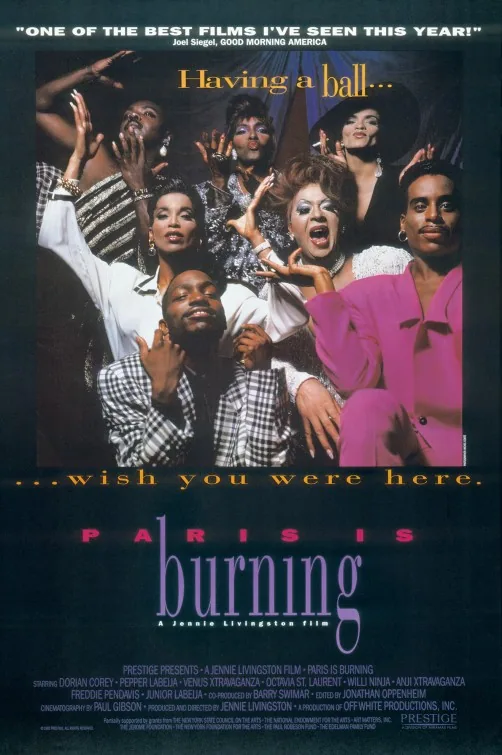
The documentary uses the ball competitions and participants’ accounts to map a cultural community and its creative vocabulary.
Why this matches +
These films share important themes, atmosphere or storytelling interests with this selection.
Genres: Documentary / LGBTQ-related
Shared film traits
Based on recorded story, mood and style. Your preferences can change the order.
Music and performance
What changes Its own story: The documentary uses the ball competitions and participants’ accounts to map a cultural community and its creative vocabulary.
Jennie Livingston’s documentary observes New York’s Harlem ballroom scene through the people who compete in its balls and the houses that organize community life. Performers explain categories such as fashion, realness and voguing, while house mothers and members describe the care, ambition and rivalry that shape their chosen families. The film moves between extravagant performance and candid interviews about work, race, gender, sexuality, poverty and the desire for recognition. It preserves a particular moment in ballroom culture while foregrounding the voices of the people who built its styles and social worlds.
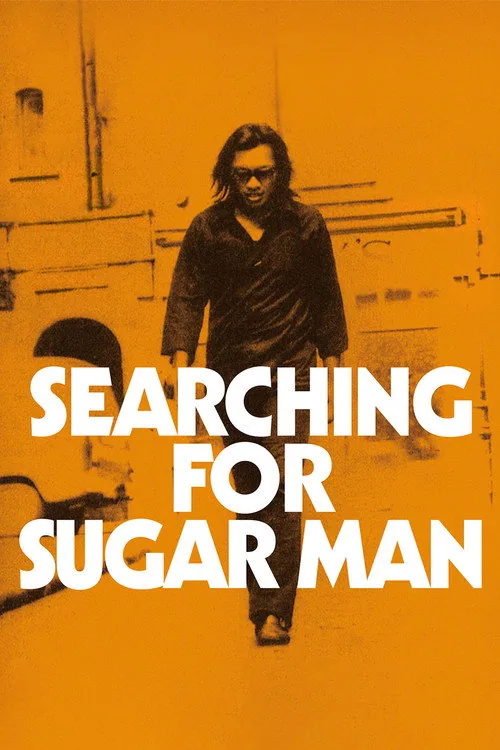
Two admirers follow contradictory stories about Rodriguez, seeking to learn what happened to the singer whose work shaped their lives.
Why this matches +
These films share important themes, atmosphere or storytelling interests with this selection.
Genres: Documentary / Music
Shared film traits
Based on recorded story, mood and style. Your preferences can change the order.
Music and performance
What changes Its own story: Two admirers follow contradictory stories about Rodriguez, seeking to learn what happened to the singer whose work shaped their lives.
Malik Bendjelloul’s documentary follows two South African fans who investigate the fate of Sixto Rodriguez, a Detroit musician whose records became unexpectedly influential in South Africa while he remained obscure in the United States. Rumors about his life and death circulate among listeners, prompting the fans to search for reliable answers. The film links a music mystery with rediscovery, cultural memory, and the surprising paths by which songs can find an audience far from their creator’s home.
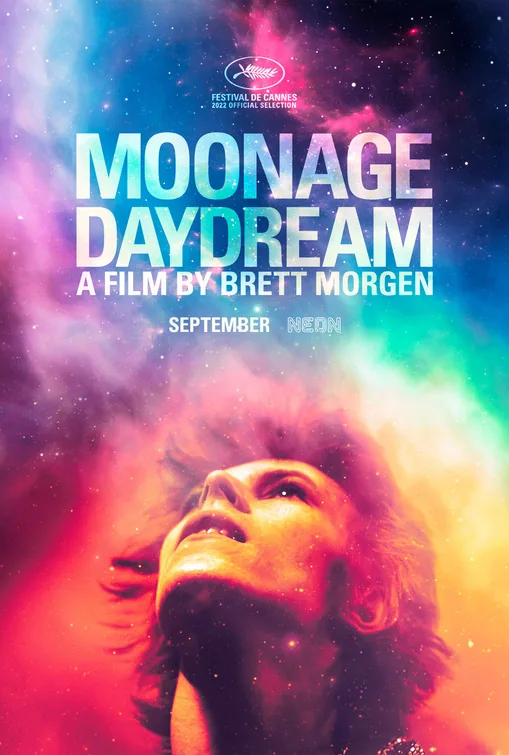
Archival images and Bowie’s own recorded reflections move through career periods and artistic questions without conventional interview narration.
Why this matches +
These films share important themes, atmosphere or storytelling interests with this selection.
Genres: Documentary / Music
Shared film traits
Based on recorded story, mood and style. Your preferences can change the order.
Music and performance
What changes Its own story: Archival images and Bowie’s own recorded reflections move through career periods and artistic questions without conventional interview narration.
Brett Morgen constructs an audiovisual portrait of David Bowie from concert performances, archival interviews, photographs and film fragments drawn across the musician’s career. Bowie’s recorded voice and music carry the film through shifting chapters about fame, artistic reinvention, identity and spiritual inquiry. Rather than use a conventional sequence of talking-head commentary, the documentary treats Bowie’s changing public selves and creative work as the material of an immersive montage.
The animated bricks literalize Pharrell’s view of ideas as reusable building blocks.
Why this matches +
These films share important themes, atmosphere or storytelling interests with this selection.
Genres: Animation / Documentary
Shared film traits
Based on recorded story, mood and style. Your preferences can change the order.
What changes Its own story: The animated bricks literalize Pharrell’s view of ideas as reusable building blocks.
Pharrell Williams recounts his life and creative development through animated Lego imagery, from childhood in Virginia Beach to musical collaborations and global success. Interview material and performance history are translated into a playful visual language that makes music feel like construction: sounds, influences, and partnerships become pieces assembled into new forms. The documentary’s unusual format connects personal memory with an accessible account of artistic process.
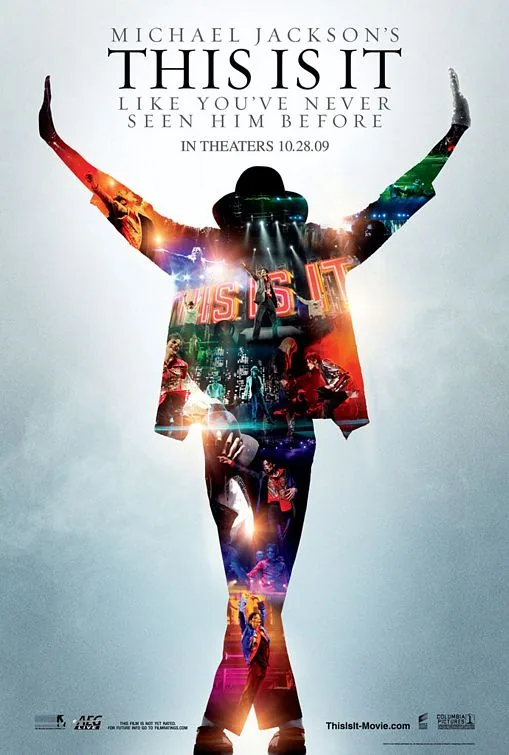
The film's engine follows performance appears as collective labor alongside the star; this keeps the stakes tied to observable choices.
Why this matches +
These films explore a related idea in a different setting, genre or style.
An adjacent discovery: a related idea with a different viewing experience.
Genres: Documentary / Music
Shared film traits
Based on recorded story, mood and style. Your preferences can change the order.
Music and performance
What changes Its own story: The film's engine follows performance appears as collective labor alongside the star; this keeps the stakes tied to observable choices.
This documentary assembles rehearsal footage from Michael Jackson’s preparation for a planned concert residency in London. Musicians, dancers and production staff collaborate on songs, choreography, staging and technical details, showing the work behind a large performance. It is less a conventional biography than a record of artistic process, centered on an unfinished concert project.
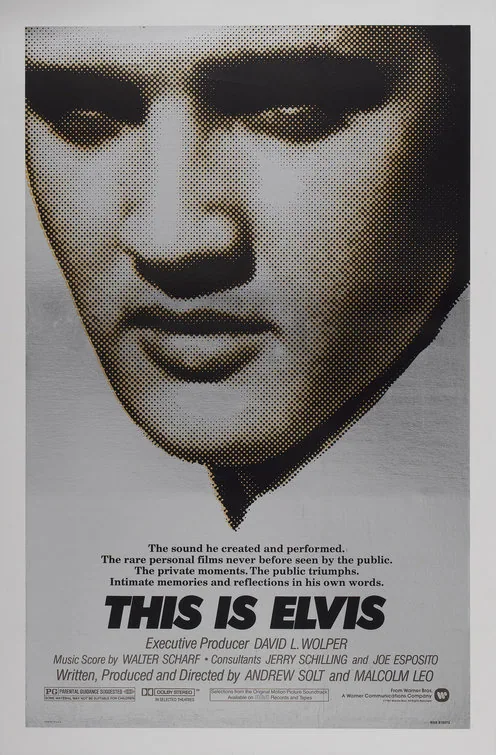
A life story is assembled from performances, interviews and staged memories.
Why this matches +
These films explore a related idea in a different setting, genre or style.
An adjacent discovery: a related idea with a different viewing experience.
Genres: Documentary / Music
Shared film traits
Based on recorded story, mood and style. Your preferences can change the order.
What changes Its own story: A life story is assembled from performances, interviews and staged memories.
This documentary traces Elvis Presley's life through archival performances, news footage and dramatized segments with actors. It moves from early success through major career changes and later personal strain, using the performer’s public image as a guide to a more complicated private story. The film asks how audiences can remember a figure whose work and vulnerability were both made public.
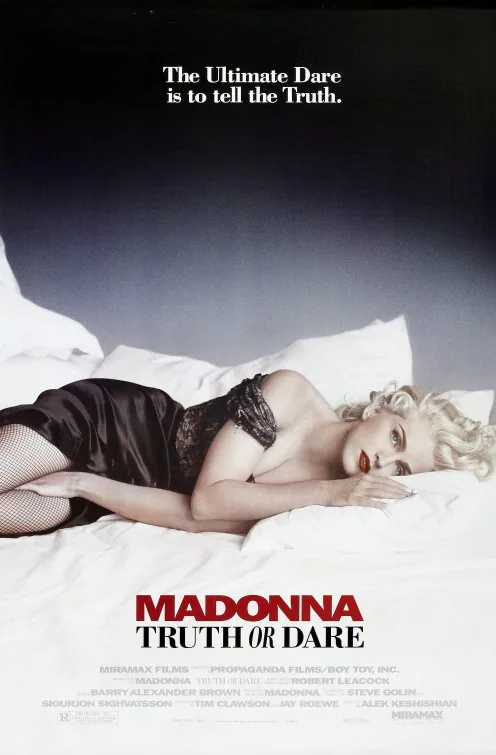
The tour structure connects choreography and concerts with the personal moments around them.
Why this matches +
These films explore a related idea in a different setting, genre or style.
An adjacent discovery: a related idea with a different viewing experience.
Genres: Documentary / LGBTQ-related
Shared film traits
Based on recorded story, mood and style. Your preferences can change the order.
Music and performance
What changes Its own story: The tour structure connects choreography and concerts with the personal moments around them.
This documentary follows Madonna and her dancers during the Blond Ambition World Tour, moving between staged performances and candid moments on the road. Rehearsals, family meetings, backstage conflicts and conversations about celebrity reveal how a carefully constructed pop spectacle is sustained by work and relationships. The film's performance sequences and direct address make public image and private access part of its form.
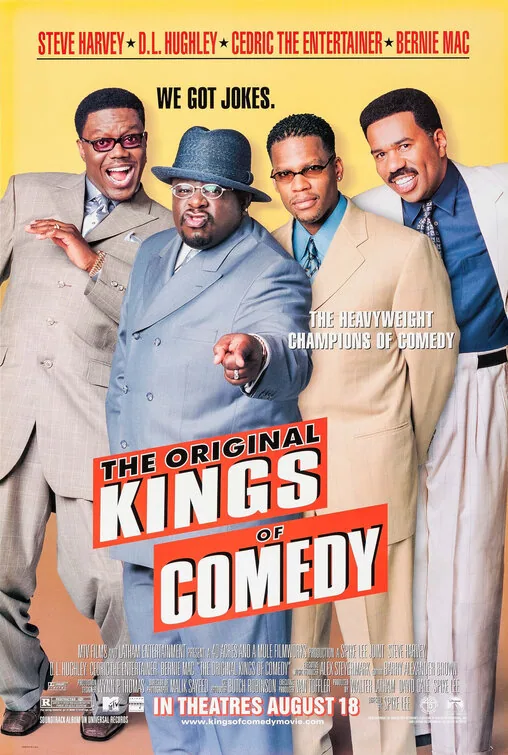
The film's structure is the live show itself, with four performers building a collective portrait through distinct comic voices.
Why this matches +
These films explore a related idea in a different setting, genre or style.
An adjacent discovery: a related idea with a different viewing experience.
Genres: Documentary / Comedy
Shared film traits
Based on recorded story, mood and style. Your preferences can change the order.
Music and performance
What changes Its own story: The film's structure is the live show itself, with four performers building a collective portrait through distinct comic voices.
Spike Lee's concert film follows four comedians as they perform before a live audience during the Kings of Comedy tour. Steve Harvey, D.L. Hughley, Cedric the Entertainer and Bernie Mac each bring a distinct stage persona, using family stories and observations about culture, race and everyday life. The film frames the routines as both individual performances and a shared event, preserving the crowd's response as part of the experience.
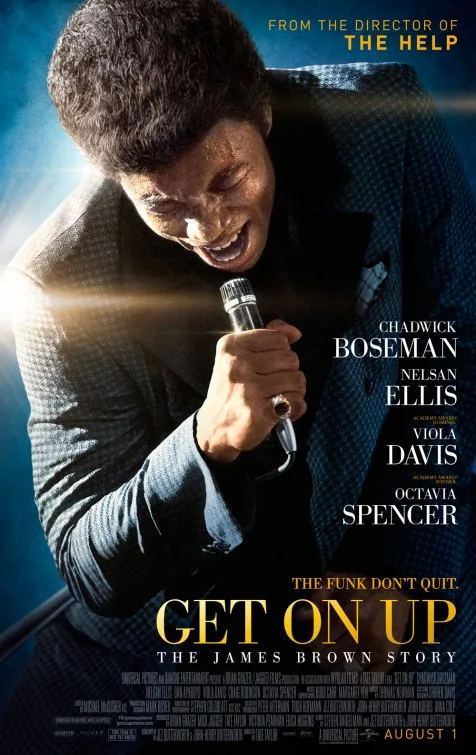
Songs punctuate the biography and mark shifts in how Brown understands his influence and control.
Why this matches +
These films explore a related idea in a different setting, genre or style.
An adjacent discovery: a related idea with a different viewing experience.
Genres: Biography / Drama
The approach A dramatic feature rather than documentary footage.
Shared film traits
Based on recorded story, mood and style. Your preferences can change the order.
Music and performance
What changes A fictionalized career reconstruction includes abuse, personal conflict and adult material rather than concentrating on a recorded performance.
A musical biopic follows James Brown from a difficult childhood through the rise of a singular stage performer whose discipline and ambition reshape popular music. The narrative moves across time rather than offering a simple rise-and-fall sequence, connecting performance to family wounds, business power and the cost of control. Its energy comes from music and Brown’s forceful presence, alongside a frank look at the damage behind his success.
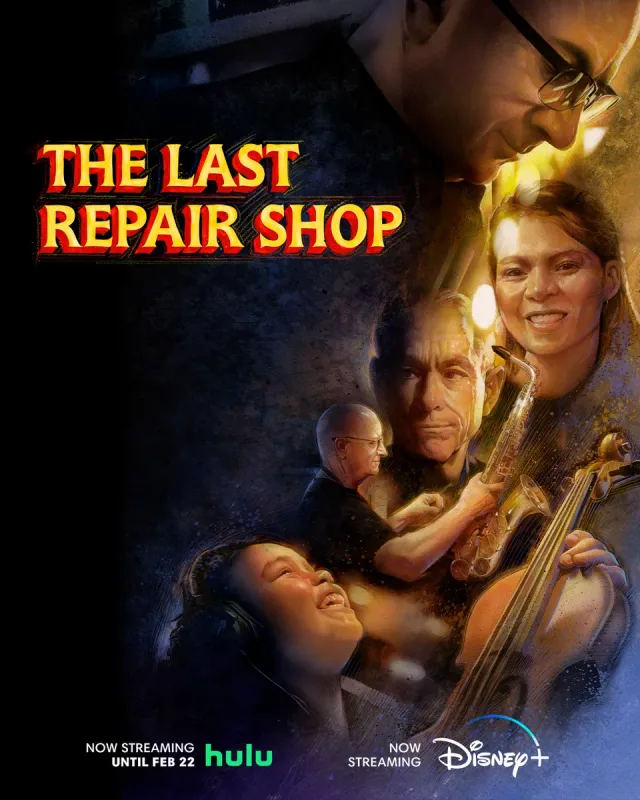
Instrument repairers keep music accessible for children in a public school district.
Why this matches +
These films explore a related idea in a different setting, genre or style.
An adjacent discovery: a related idea with a different viewing experience.
Genres: Documentary / Short
Shared film traits
Based on recorded story, mood and style. Your preferences can change the order.
Music and performance
What changes Its own story: Instrument repairers keep music accessible for children in a public school district.
This documentary short visits a Los Angeles school district workshop where a small group of craftspeople repair and restore instruments for student musicians. Their work supports children whose families might not be able to buy new instruments, while the repairers reflect on craft, music and the paths that brought them to the shop. Ben Proudfoot and Kris Bowers build an intimate portrait of public service through daily labor and personal memory.
Winehouse's own recordings and archival footage carry a chronological account from early promise to international fame.
Why this matches +
These films explore a related idea in a different setting, genre or style.
An adjacent discovery: a related idea with a different viewing experience.
Genres: Documentary / Music
Shared film traits
Based on recorded story, mood and style. Your preferences can change the order.
Music and performance
What changes Its own story: Winehouse's own recordings and archival footage carry a chronological account from early promise to international fame.
This documentary traces singer-songwriter Amy Winehouse from teenage performances in London through the success of her albums Frank and Back to Black. Archival home videos, interviews, recordings, and concert footage show her developing artistry alongside relationships, addiction, and intrusive media attention. The film follows her rapid rise and the pressures that intensified as private struggles became public spectacle. Asif Kapadia's portrait examines both the musician's distinctive voice and the circumstances surrounding her death at age 27.
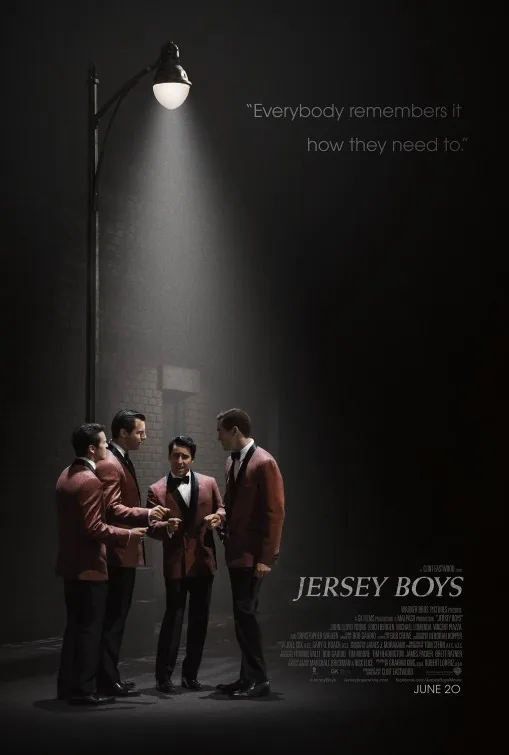
The changing narrators make the band’s shared history feel disputed rather than settled.
Why this matches +
These films explore a related idea in a different setting, genre or style.
An adjacent discovery: a related idea with a different viewing experience.
Genres: Music / Drama
The approach A dramatic feature rather than documentary footage.
Shared film traits
Based on recorded story, mood and style. Your preferences can change the order.
Music and performance
What changes Its own story: The changing narrators make the band’s shared history feel disputed rather than settled.
Four young men from New Jersey form the Four Seasons and rise from local performances to international success, with Frankie Valli’s distinctive voice at the center. Told in sections shaped by the band members’ perspectives, the story tracks recording breakthroughs alongside debts, family strain and changing loyalties. The musical biopic examines the cost of group ambition while returning to the songs that made the band recognizable.
The music career rises through performance and business choices, while childhood loss and addiction repeatedly disrupt Charles’s family and professional life.
Why this matches +
These films explore a related idea in a different setting, genre or style.
An adjacent discovery: a related idea with a different viewing experience.
Genres: Biography / Drama
The approach A dramatic feature rather than documentary footage.
Shared film traits
Based on recorded story, mood and style. Your preferences can change the order.
Music and performance
What changes A scripted career biography includes addiction, relationship harm and childhood trauma rather than the recovery of a community festival on film.
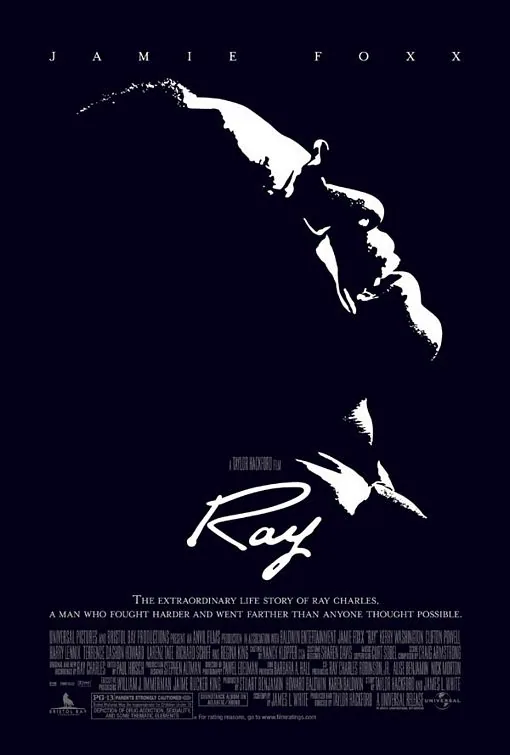
Ray Charles grows up in poverty in Florida, loses his sight as a child and learns from his mother to navigate the world independently. As a young musician he travels the touring circuit, builds a recording career by combining gospel and rhythm and blues, and becomes a major performer. His success exists alongside complicated relationships, infidelity and heroin addiction. After he refuses to perform at a segregated venue, the film follows his public stand as well as the personal crisis that brings him into treatment. Memories of his brother’s accidental death recur as Ray confronts guilt and takes responsibility for his recovery.
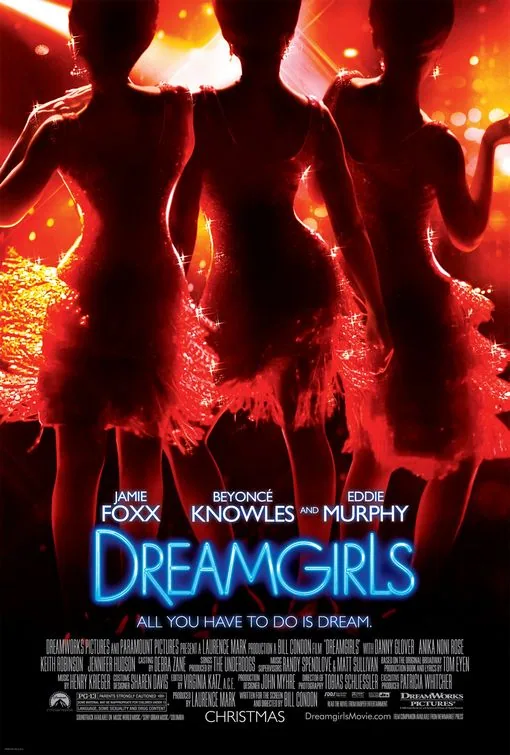
A manager's strategy for commercial access reshapes an ensemble by treating performers' bodies, voices and relationships as adjustable parts of a marketable product. Curtis moves the group toward crossover success by changing its sound, billing and lineup, creating winners and costs.
Why this matches +
These films explore a related idea in a different setting, genre or style.
An adjacent discovery: a related idea with a different viewing experience.
Genres: Drama / Musical
The approach A dramatic feature rather than documentary footage.
Shared film traits
Based on recorded story, mood and style. Your preferences can change the order.
Music and performance
What changes A scripted musical drama foregrounds exploitation, fractured relationships and professional betrayal rather than offering documentary access to a real tour.
A vocal trio enters the recording business through a manager who can see a route to success in markets structured by racial exclusion. The pursuit of crossover appeal changes the group's sound, public image and distribution of attention, pushing its most distinctive singer out of the center. Romantic dependence and professional control become difficult to separate as different women seek a voice in the work and futures being sold under their names. Effie’s vocal power does not protect her from a business model that increasingly sells another face and sound.
Jimmy’s drive to create a soul band gives a disparate group a shared project and a route onto the stage.
Why this matches +
These films explore a related idea in a different setting, genre or style.
An adjacent discovery: a related idea with a different viewing experience.
Genres: Drama / Comedy
The approach A dramatic feature rather than documentary footage.
Shared film traits
Based on recorded story, mood and style. Your preferences can change the order.
Music and performance
What changes Its own story: Jimmy’s drive to create a soul band gives a disparate group a shared project and a route onto the stage.
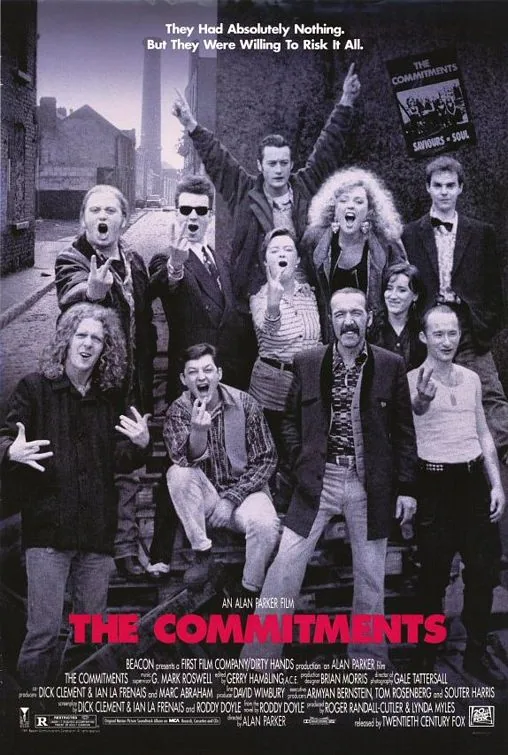
In Dublin, music enthusiast Jimmy Rabbitte advertises for singers and musicians to create a soul band shaped by the American artists he admires. He brings together a group of working-class performers, including singer Deco and veteran trumpeter Joey ‘The Lips’ Fagan, and leads them through rehearsals toward local gigs. As the band’s sound improves, Jimmy’s management ambitions, Deco’s temperament and tensions between musicians begin to pull the group apart. The film follows their rise and unraveling through rehearsals and performances, using the band’s music to connect individual hopes with the wider community around them.
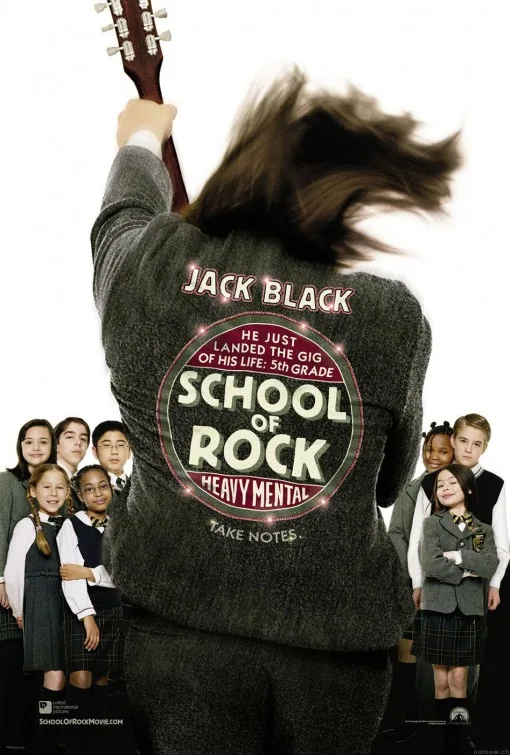
A fraudulent teaching assignment creates an unofficial student band whose performance deadline forces the teacher to choose between ego and responsibility.
Why this matches +
These films explore a related idea in a different setting, genre or style.
An adjacent discovery: a related idea with a different viewing experience.
Genres: Comedy / Music
The approach A dramatic feature rather than documentary footage.
Shared film traits
Based on recorded story, mood and style. Your preferences can change the order.
Music and performance
What changes Its own story: A fraudulent teaching assignment creates an unofficial student band whose performance deadline forces the teacher to choose between ego and responsibility.
A guitarist expelled from his band impersonates his flatmate to take a substitute teaching job at a strict private school. Discovering musical ability among his pupils, he secretly turns lessons into rehearsals for a band competition. What begins as a way to recover his own status becomes an effort to help children challenge restrictive expectations, while the deception threatens the trust allowing their confidence to grow.
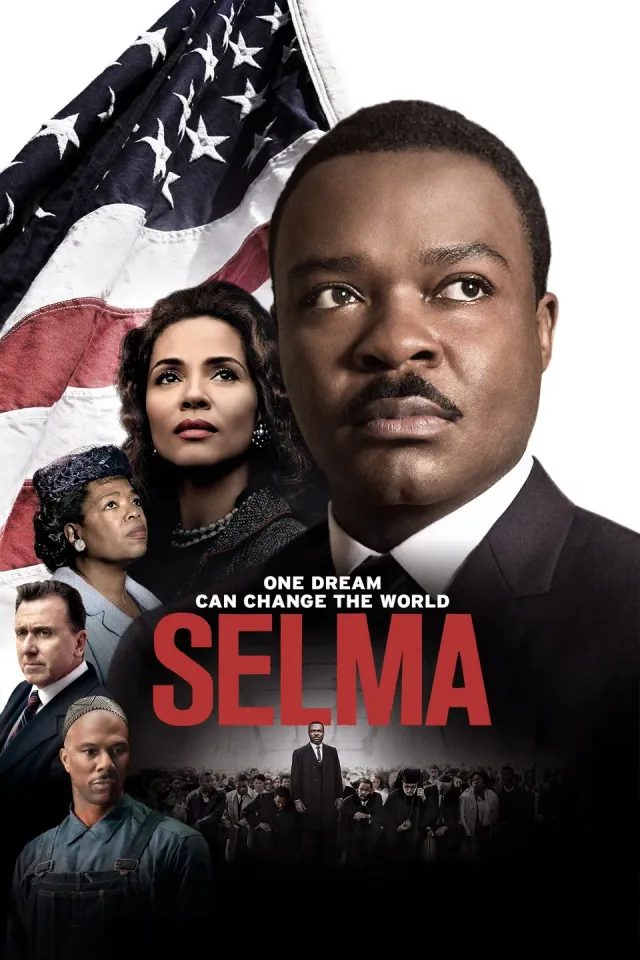
The campaign turns local voter suppression into a national political crisis through organizing, repeated marches and strategic negotiation rather than a single heroic action.
Why this matches +
These films explore a related idea in a different setting, genre or style.
An adjacent discovery: a related idea with a different viewing experience.
Genres: Drama / Biography
The approach A dramatic feature rather than documentary footage.
Shared film traits
Based on recorded story, mood and style. Your preferences can change the order.
Political resistance
What changes A historical civil-rights drama includes explicit racist violence and political confrontation rather than being organized around recovered concert performances.
In 1965, Martin Luther King Jr. and civil-rights organizers focus their campaign on Selma, Alabama, where Black residents face systematic barriers to voter registration. The film follows strategy meetings, local organizing, confrontations with Sheriff Jim Clark’s officers and the attacks on marchers that draw national attention. King negotiates with President Lyndon Johnson while activists disagree over timing, tactics and the risks borne by people on the ground. The planned march from Selma to Montgomery becomes a public test of federal responsibility, local courage and the meaning of political pressure, ending with a speech before the state capitol.
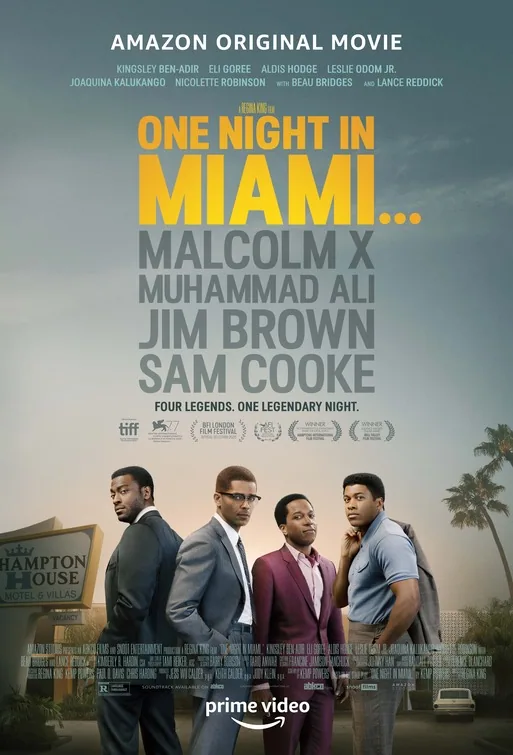
A celebrated boxing victory brings four influential friends together for an imagined night of argument about race and public responsibility.
Why this matches +
These films explore a related idea in a different setting, genre or style.
An adjacent discovery: a related idea with a different viewing experience.
Genres: Drama / Historical
The approach A dramatic feature rather than documentary footage.
Shared film traits
Based on recorded story, mood and style. Your preferences can change the order.
Music and performance · Political resistance
What changes Its own story: A celebrated boxing victory brings four influential friends together for an imagined night of argument about race and public responsibility.
On February 25, 1964, Cassius Clay defeats Sonny Liston in Miami and celebrates privately with Malcolm X, soul singer Sam Cooke, and football star Jim Brown at the Hampton House. Their gathering turns into a debate about what Black achievement demands from public figures, as Malcolm urges his friends to challenge racism while Cooke and Brown weigh their own approaches and responsibilities. Regina King’s chamber drama imagines this meeting as an intimate account of friendship, conviction, fame, and political pressure.
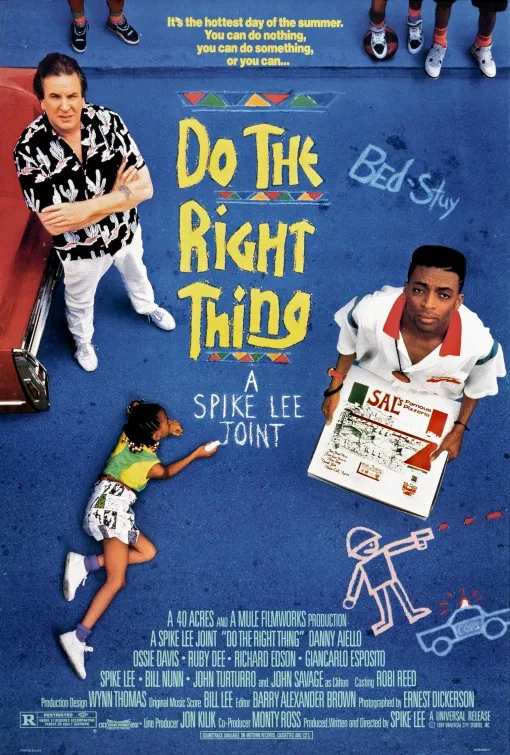
A neighborhood's daily tensions escalate around a pizzeria, making private grievances impossible to keep separate.
Why this matches +
These films explore a related idea in a different setting, genre or style.
An adjacent discovery: a related idea with a different viewing experience.
Genres: Drama / Comedy
The approach A dramatic feature rather than documentary footage.
Shared film traits
Based on recorded story, mood and style. Your preferences can change the order.
Political resistance
What changes A scripted neighborhood day builds toward racial confrontation and lethal violence; its communal perspective is related but its dramatic pressure is much harsher.
On the hottest day of the year in a Brooklyn neighborhood, a dispute over the pictures displayed on a pizzeria's wall becomes a flashpoint for accumulated racial tensions. Mookie, who delivers for the pizzeria's Italian American owner, moves among residents whose jokes, grievances, and loyalties reveal sharply different experiences of the same block. As the heat rises, the film asks what responsibility means when anger meets injustice.
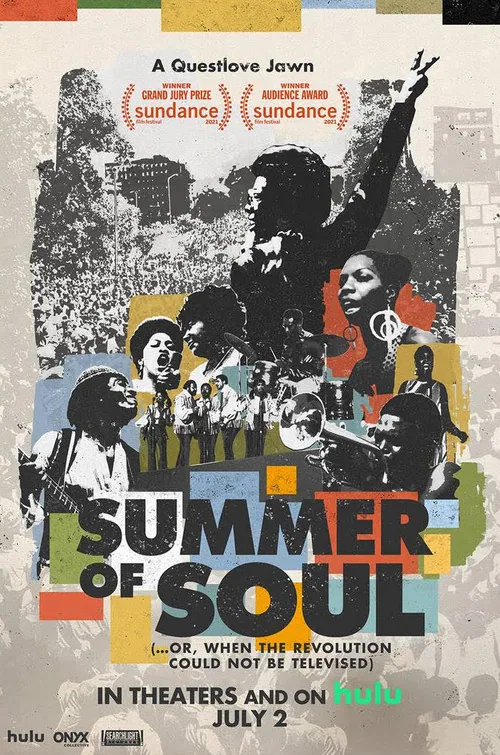
About Summer of Soul (…Or, When the Revolution Could Not Be Televised)+
This documentary revisits the 1969 Harlem Cultural Festival through recovered performance footage, archival news material, and interviews with people connected to the event. Music and testimony place the concerts within a period of political change and cultural pride. Its central act is also one of historical recovery: it asks how a major public gathering could be so widely attended yet remain peripheral in later popular memory.
What drives the story
The recovered recordings make the festival’s audience and atmosphere present across time.
The people at its centre
Interviews connect musical celebration with the social conditions surrounding it.
What it feels like
The film treats visibility as a question of who controls cultural memory.
Worth knowing
Its structure lets performances carry emotional force without displacing historical context.
MusicMemoryCommunity
Mood
Joyful · Reflective · Political
Pacing
Concert sequences alternate with reflective interviews and context
Visual style
Archival color footage · Stage performance · Interview portraits
Storytelling
Archival recovery · Live performance · Historical testimony