Explore films connected to One Night in Miami... through Black identity, political responsibility, friendship. Choose the qualities you want to carry into your next watch.
What should feel similar?
Find your next favourite
9 films · Closest overall matches
Hide films you’ve seen or don’t want. Saved on this device.
No matches for this combination yet.
Try another option or reset your choices to see more films.
Based on recorded story, mood and style. Your preferences can change the order.
Political resistance · Memory and identity
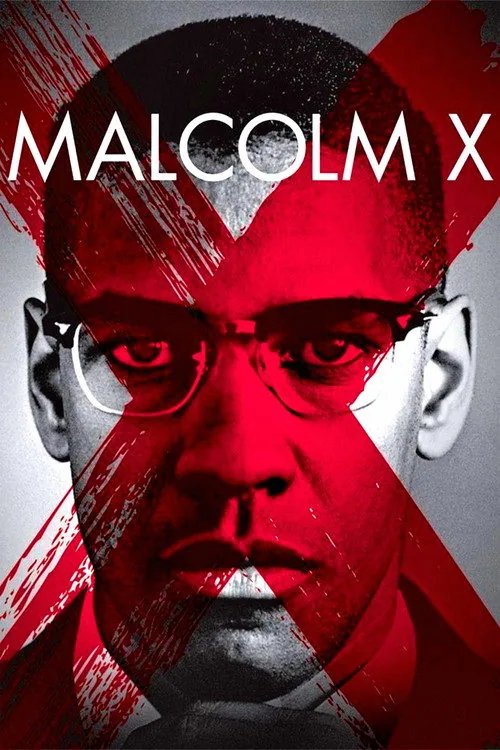
What changes One Night in Miami...: parallel character introductions, confined single-night structure, argument escalates through changing alliances and forward-looking close. Malcolm X: a name change and religious transformation mark stages in a life shaped by racial violence and organizing..
Spike Lee’s biographical drama follows Malcolm Little from a childhood shaped by racial violence and family loss through his criminal years in Boston and Harlem. Imprisonment leads him to the Nation of Islam, where he becomes a prominent minister and adopts the name Malcolm X; later, a break with the organization and a pilgrimage to Mecca reshape his views. The film then follows his independent political work and assassination in 1965. Denzel Washington’s performance anchors a long, chaptered account based largely on The Autobiography of Malcolm X.
Both share themes of friendship, plus an intimate and reflective atmosphere.
Why this matches +
Genres: Drama / Biography
Shared film traits
Based on recorded story, mood and style. Your preferences can change the order.
Power and authority · Memory and identity
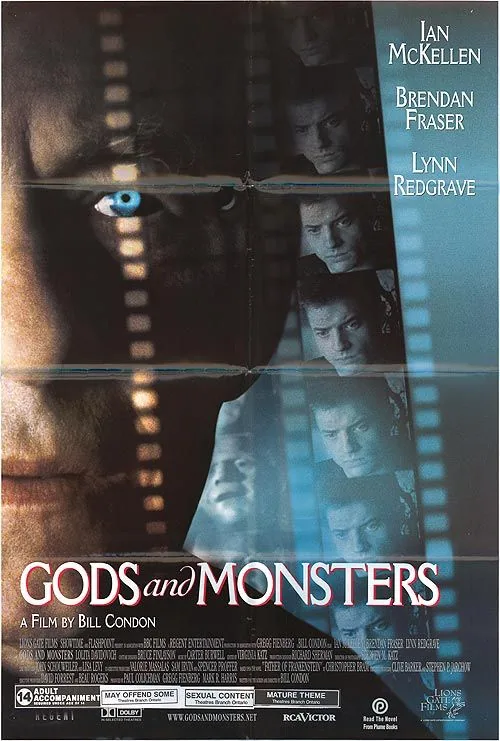
What changes One Night in Miami...: parallel character introductions, confined single-night structure, argument escalates through changing alliances and forward-looking close. Gods and Monsters: sittings and conversations deepen the connection and while whale’s memories and worsening health place new strain on it.
Retired filmmaker James Whale lives with his devoted housekeeper, Hanna, while coping with the effects of several strokes and memories of earlier losses. He befriends Clayton Boone, a young gardener who agrees to pose for his drawings, and the two build a wary connection across differences in age, class and experience. Whale’s stories about his past and his frankness about desire unsettle Boone, while declining health and depression make the friendship harder to navigate. Their conversations bring together Hollywood memory, loneliness and the need to be seen by another person.
Based on recorded story, mood and style. Your preferences can change the order.
Music and performance
What changes One Night in Miami...: parallel character introductions, confined single-night structure, argument escalates through changing alliances and forward-looking close. Stomp the Yard: training-to-performance.
After a street-dance rivalry ends in tragedy, DJ enrolls at a historically Black university and is drawn into the tradition of competitive stepping. His talent earns attention but does not immediately make him a trusted member of a team that values discipline and shared purpose. The dance drama links performance ambition to grief, brotherhood and the difference between commanding an audience and accepting responsibility to a community.
Based on recorded story, mood and style. Your preferences can change the order.
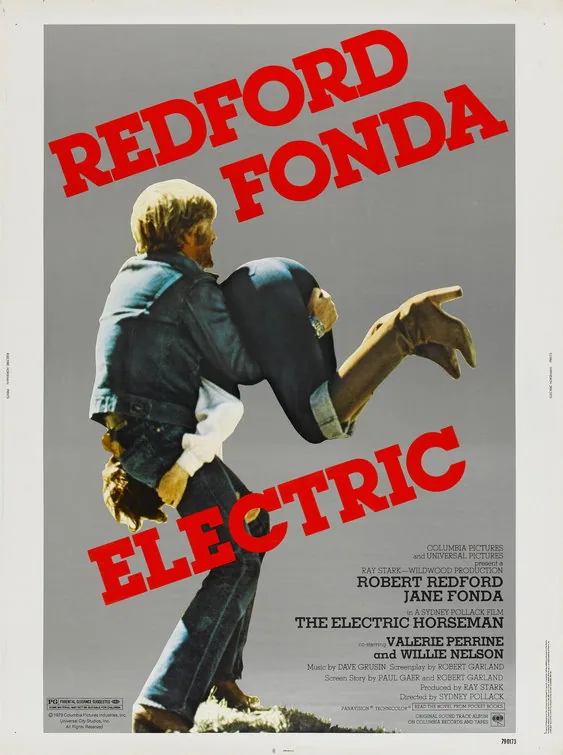
What changes One Night in Miami...: parallel character introductions, confined single-night structure, argument escalates through changing alliances and forward-looking close. The Electric Horseman: chase-driven, open-road interludes, character-led and gradual romance.
Sonny Steele, once a rodeo champion, has become a corporate spokesman who appears in a flashy cowboy costume at promotional events. When he learns that Rising Star, the valuable racehorse he is expected to ride on television, has been drugged and mistreated, Sonny takes the animal and heads into the desert. New York reporter Hallie Martin follows the trail, initially looking for a story and gradually recognizing Sonny’s concern for the horse. Their pursuit brings them into conflict with the company that owns the animal and wants to control the story, as Sonny weighs celebrity, freedom, and responsibility.
Based on recorded story, mood and style. Your preferences can change the order.
Political resistance · Memory and identity
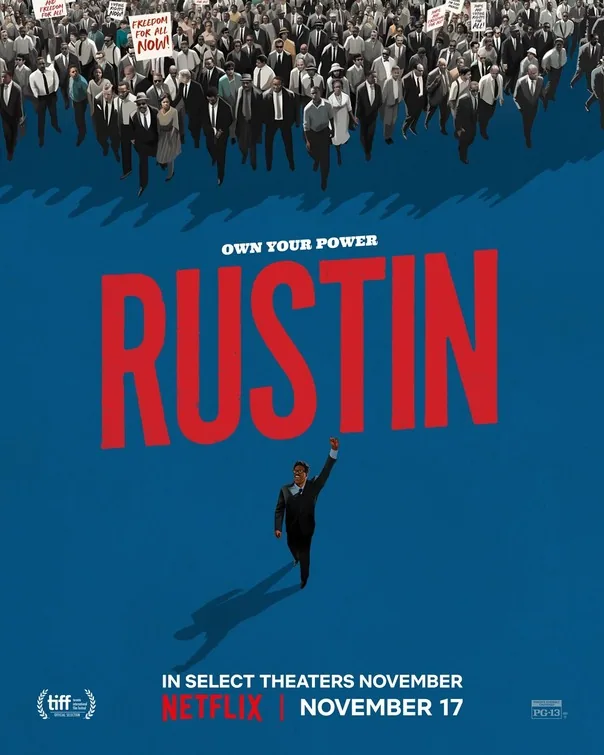
What changes One Night in Miami...: parallel character introductions, confined single-night structure, argument escalates through changing alliances and forward-looking close. Rustin: deadline-driven, dialogue-rich, energetic and culminating.
Bayard Rustin is an experienced organizer whose commitment to nonviolent protest and racial equality shapes the planning of the 1963 March on Washington. Although his strategic ability is crucial, his sexuality and past political associations leave him vulnerable to attacks from opponents and uneasy allies. George C. Wolfe’s drama follows Rustin as he builds coalitions with A. Philip Randolph, Martin Luther King Jr. and a wide network of activists to turn an ambitious demonstration into a mass event.
Based on recorded story, mood and style. Your preferences can change the order.
Political resistance
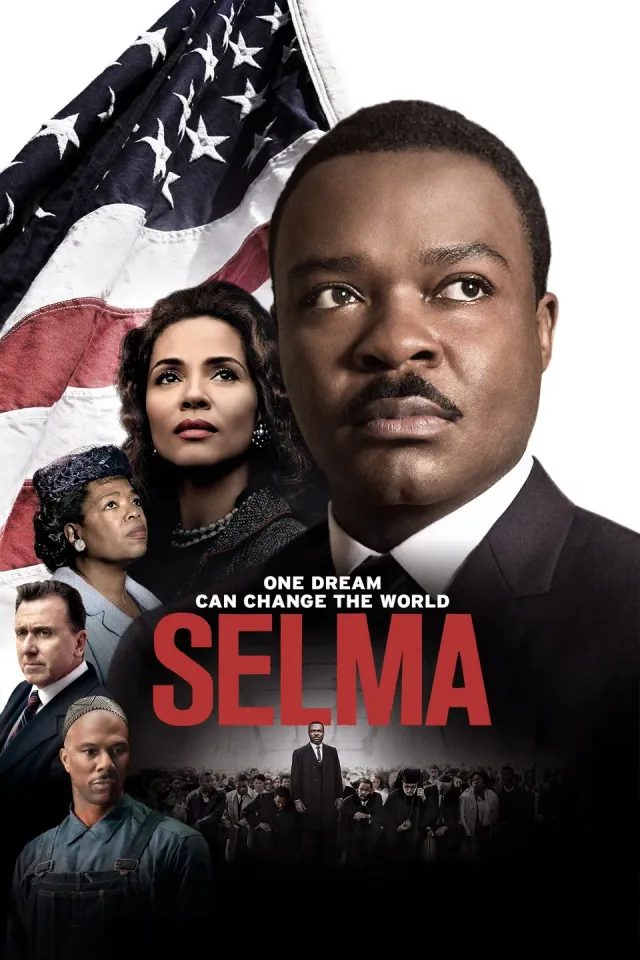
What changes One Night in Miami...: parallel character introductions, confined single-night structure, argument escalates through changing alliances and forward-looking close. Selma: strategic, escalating and collective.
In 1965, Martin Luther King Jr. and civil-rights organizers focus their campaign on Selma, Alabama, where Black residents face systematic barriers to voter registration. The film follows strategy meetings, local organizing, confrontations with Sheriff Jim Clark’s officers and the attacks on marchers that draw national attention. King negotiates with President Lyndon Johnson while activists disagree over timing, tactics and the risks borne by people on the ground. The planned march from Selma to Montgomery becomes a public test of federal responsibility, local courage and the meaning of political pressure, ending with a speech before the state capitol.
Based on recorded story, mood and style. Your preferences can change the order.
Political resistance · Music and performance
What changes One Night in Miami...: parallel character introductions, confined single-night structure, argument escalates through changing alliances and forward-looking close. The United States vs. Billie Holiday: interview framing, concert and club sequences, arrest and prison episodes and relationship-driven turning points.
The film follows Billie Holiday as her popularity grows alongside federal efforts to stop her from performing “Strange Fruit,” a song that condemns racist violence. Agent Jimmy Fletcher is assigned to monitor her, but their relationship shifts as Holiday faces arrest, addiction, prison, and the cost of making politically charged music. Lee Daniels’ biographical drama moves between performances and confrontations with authorities, centering Andra Day’s portrayal of an artist whose public voice makes her a target.
Both share themes of friendship, plus an intimate and reflective atmosphere.
Why this matches +
Genres: Drama
Shared film traits
Based on recorded story, mood and style. Your preferences can change the order.
Memory and identity
What changes One Night in Miami...: parallel character introductions, confined single-night structure, argument escalates through changing alliances and forward-looking close. The Room Next Door: deliberate, conversation-led and quietly intense.
Ingrid, a successful writer, reconnects with Martha, a former colleague now living with terminal cancer. Martha asks Ingrid to stay close as she prepares to end her life on her own terms, and the two women retreat to a country house where companionship and difficult conversations replace the routines of the hospital. Their friendship, memories and conflicting responses to death create an intimate drama about autonomy, care and the limits of what one person can decide for another.
Based on recorded story, mood and style. Your preferences can change the order.
Political resistance
What changes One Night in Miami...: parallel character introductions, confined single-night structure, argument escalates through changing alliances and forward-looking close. The Express: The Ernie Davis Story: training-to-competition and game-day build.
Ernie Davis rises as a gifted college football player while confronting racial barriers in the sport and beyond it. His talent brings recognition, but success does not shield him or his teammates from discrimination and pressure. The biographical drama connects athletic achievement with the wider struggle over who is permitted to belong and lead. Period settings and football sequences balance individual performance with the social context around the team.
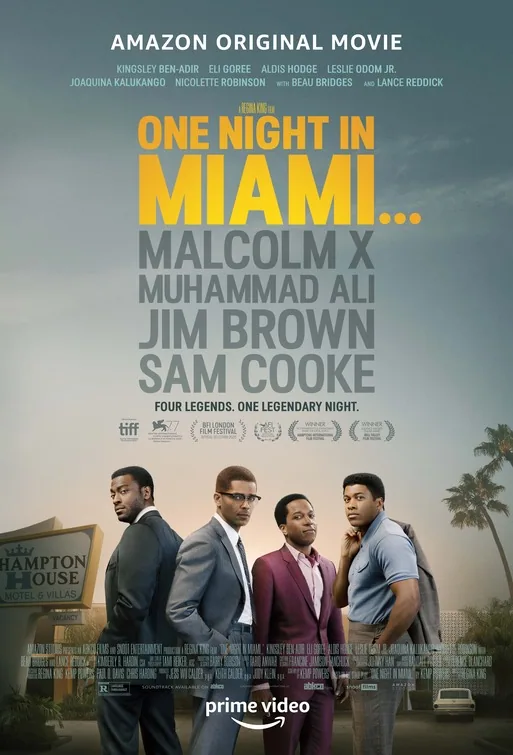
On February 25, 1964, Cassius Clay defeats Sonny Liston in Miami and celebrates privately with Malcolm X, soul singer Sam Cooke, and football star Jim Brown at the Hampton House. Their gathering turns into a debate about what Black achievement demands from public figures, as Malcolm urges his friends to challenge racism while Cooke and Brown weigh their own approaches and responsibilities. Regina King’s chamber drama imagines this meeting as an intimate account of friendship, conviction, fame, and political pressure.
What drives the story
A celebrated boxing victory brings four influential friends together for an imagined night of argument about race and public responsibility.
The people at its centre
Malcolm’s urgency challenges Cooke’s strategic patience and Brown’s hard-won independence, while Clay looks for a way to define his own public identity.
What it feels like
The movie turns a meeting of celebrated athletes and artists into a tightly staged political drama, with performance and disagreement sharing the room.
Worth knowing
It concentrates on one fictionalized evening of conversation among real public figures, rather than a full biography or a boxing-centered sports story.
Black identitypolitical responsibilityfriendship
Mood
intimate · confrontational · reflective · charged
Pacing
parallel character introductions · confined single-night structure · argument escalates through changing alliances · forward-looking close
Visual style
restrained chamber staging · period Miami detail · warm nighttime interiors · music and performance cues
Storytelling
historical fiction · real public figures · one-room ensemble · dialogue-driven drama