Based on recorded story, mood and style. Your preferences can change the order.
Political resistance
What changes Malcolm X: a name change and religious transformation mark stages in a life shaped by racial violence and organizing.. The Butler: chronological and interwoven.
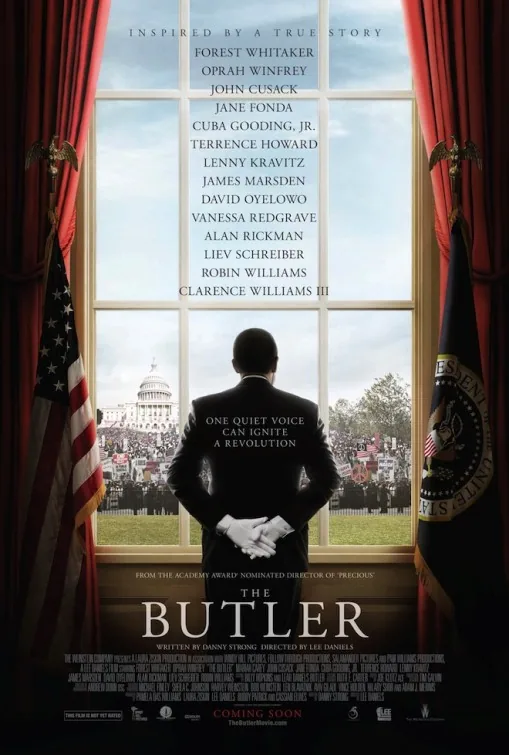
Cecil Gaines recounts a life spent working in the White House, moving from a childhood shaped by racial violence in the South to decades serving successive presidents. His private life and the civil-rights movement unfold alongside one another, sometimes placing his gradual approach to change beside the more direct activism of his son. Lee Daniels frames the period drama around family, service and competing ideas of political progress.
Both share themes of identity, plus a reflective atmosphere.
Why this matches +
Genres: Drama / Action
Shared film traits
Based on recorded story, mood and style. Your preferences can change the order.
What changes Malcolm X: a name change and religious transformation mark stages in a life shaped by racial violence and organizing.. Dragon: The Bruce Lee Story: biographical and progressive.
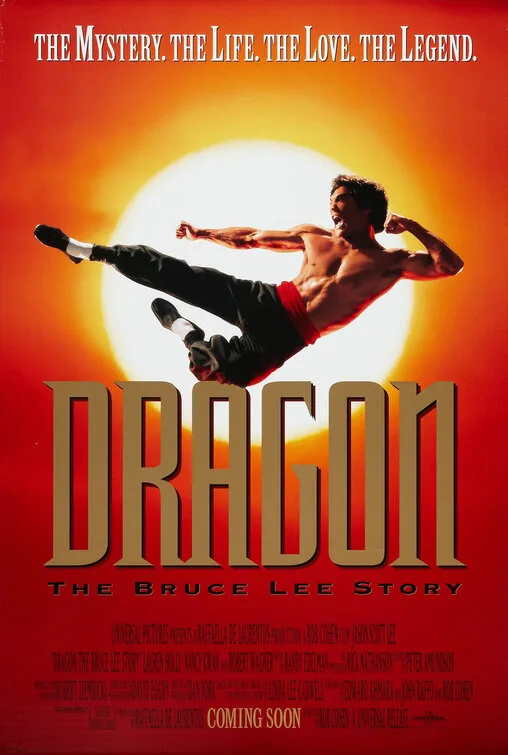
Bruce Lee grows from a young martial artist in Hong Kong into an actor and teacher trying to build a career in the United States. Racism, family ties and professional setbacks shape the story alongside his ambition to bring his martial-arts practice to wider audiences. The biographical drama presents Lee's public legend through personal relationships and stylized encounters rather than exhaustive historical detail.
Both share themes of leadership, plus a reflective atmosphere.
Why this matches +
Genres: Biography / Drama
Shared film traits
Based on recorded story, mood and style. Your preferences can change the order.
What changes Malcolm X: a name change and religious transformation mark stages in a life shaped by racial violence and organizing.. Young Washington: measured and builds toward conflict.
The biographical drama follows George Washington as a young man before the presidency, focusing on his early military experience and the events that shape his public reputation. The story situates ambition within colonial Virginia and the conflict of the French and Indian War, tracking how a young officer confronts pressure, responsibility and consequential decisions. Rather than treating the founding figure as already complete, the film presents political leadership as something formed through risk, failure and experience.
Based on recorded story, mood and style. Your preferences can change the order.
Memory and identity
What changes Malcolm X: a name change and religious transformation mark stages in a life shaped by racial violence and organizing.. Get on Up: nonlinear life episodes build toward legacy.
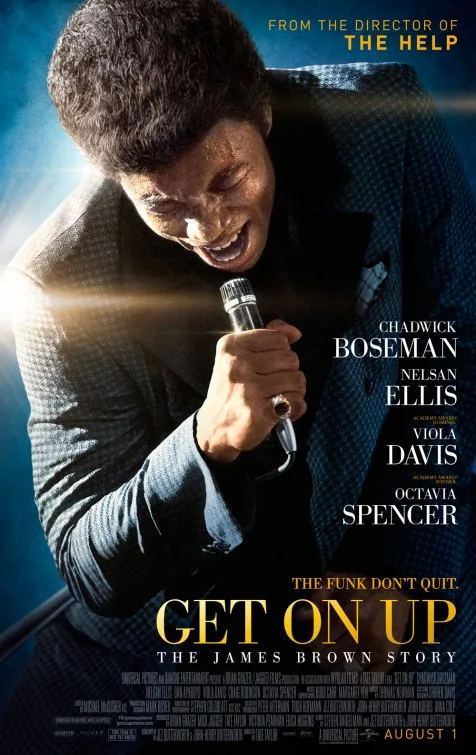
A musical biopic follows James Brown from a difficult childhood through the rise of a singular stage performer whose discipline and ambition reshape popular music. The narrative moves across time rather than offering a simple rise-and-fall sequence, connecting performance to family wounds, business power and the cost of control. Its energy comes from music and Brown’s forceful presence, alongside a frank look at the damage behind his success.
Based on recorded story, mood and style. Your preferences can change the order.
Political resistance · Memory and identity
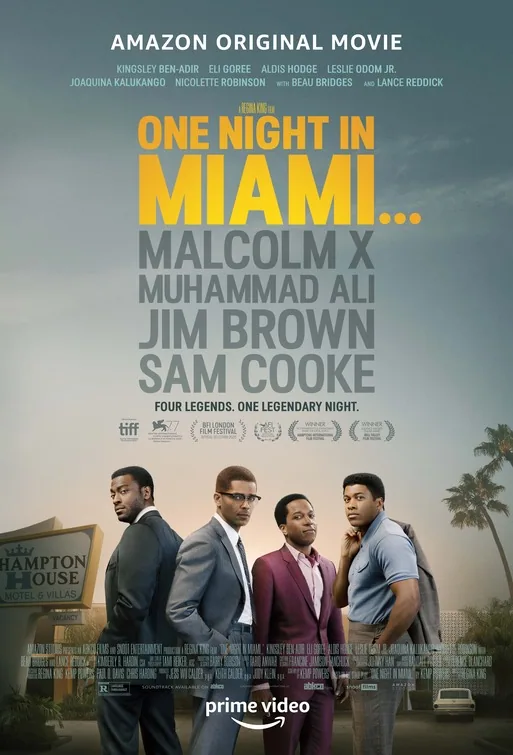
What changes Malcolm X: a name change and religious transformation mark stages in a life shaped by racial violence and organizing.. One Night in Miami...: parallel character introductions, confined single-night structure, argument escalates through changing alliances and forward-looking close.
On February 25, 1964, Cassius Clay defeats Sonny Liston in Miami and celebrates privately with Malcolm X, soul singer Sam Cooke, and football star Jim Brown at the Hampton House. Their gathering turns into a debate about what Black achievement demands from public figures, as Malcolm urges his friends to challenge racism while Cooke and Brown weigh their own approaches and responsibilities. Regina King’s chamber drama imagines this meeting as an intimate account of friendship, conviction, fame, and political pressure.
Based on recorded story, mood and style. Your preferences can change the order.
Political resistance
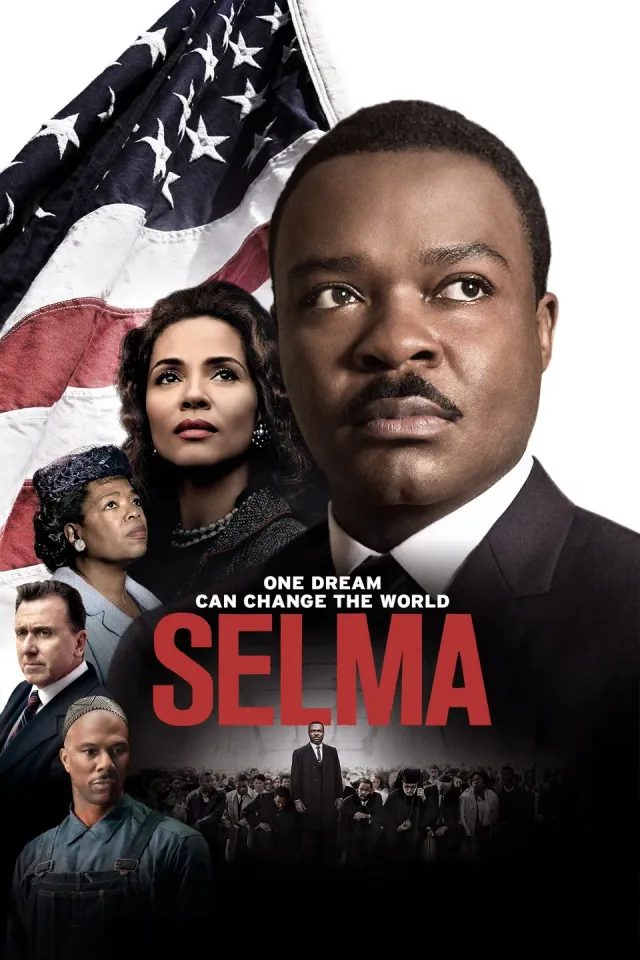
What changes Malcolm X: a name change and religious transformation mark stages in a life shaped by racial violence and organizing.. Selma: strategic, escalating and collective.
In 1965, Martin Luther King Jr. and civil-rights organizers focus their campaign on Selma, Alabama, where Black residents face systematic barriers to voter registration. The film follows strategy meetings, local organizing, confrontations with Sheriff Jim Clark’s officers and the attacks on marchers that draw national attention. King negotiates with President Lyndon Johnson while activists disagree over timing, tactics and the risks borne by people on the ground. The planned march from Selma to Montgomery becomes a public test of federal responsibility, local courage and the meaning of political pressure, ending with a speech before the state capitol.
Based on recorded story, mood and style. Your preferences can change the order.
Memory and identity
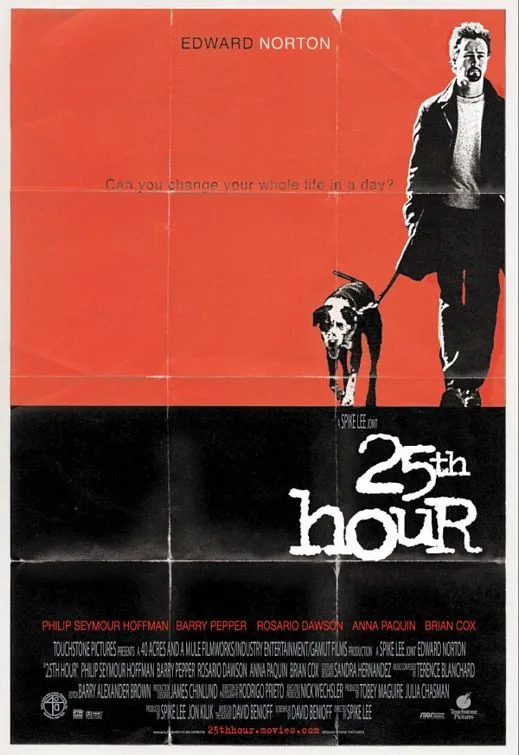
What changes Malcolm X: a name change and religious transformation mark stages in a life shaped by racial violence and organizing.. 25th Hour: measured and conversational.
On the last day before he reports to prison, New Yorker Monty Brogan spends time with his closest friends and his father while trying to understand how his choices brought him here. The story moves through familiar city spaces and memories, balancing anger, regret and imagined alternatives. Spike Lee’s drama treats a personal crisis as part of a larger portrait of post-September 11 New York.
Both share themes of leadership, plus a reflective atmosphere.
Why this matches +
Genres: Biography / Drama
Shared film traits
Based on recorded story, mood and style. Your preferences can change the order.
Memory and identity
What changes Malcolm X: a name change and religious transformation mark stages in a life shaped by racial violence and organizing.. Reagan: a long biographical arc moves through narrated episodes and major milestones.
Framed by an interview with a former Soviet intelligence officer, the biographical film traces Ronald Reagan’s life from his early career through his presidency. Its narrative emphasizes his public persona, political convictions, and role in the late Cold War, while compressing a complicated political history into a single character arc. The drama presents Reagan as an inspirational figure, making its point of view and selective emphasis part of how the story should be read.
Based on recorded story, mood and style. Your preferences can change the order.
Political resistance
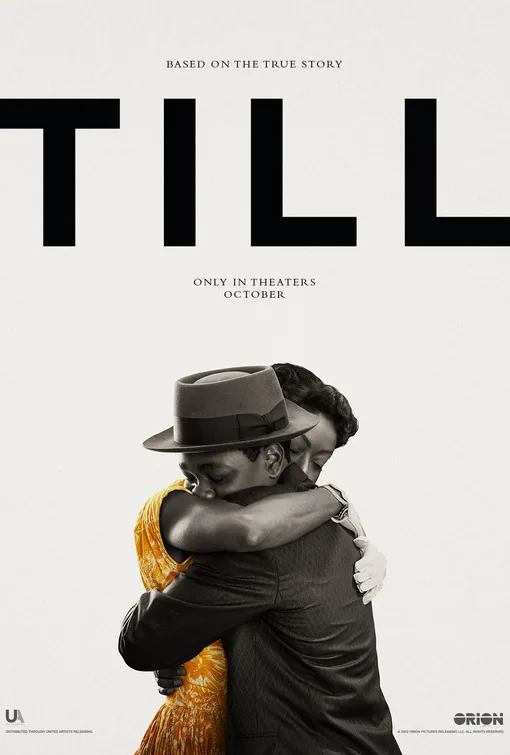
What changes Malcolm X: a name change and religious transformation mark stages in a life shaped by racial violence and organizing.. Till: a focused historical account follows grief into public action.
Mamie Till-Mobley’s life changes after her son Emmett is murdered while visiting family in Mississippi in 1955. The historical drama follows her efforts to bring the crime before the public, insisting that the world witness what was done. By centering Mamie’s perspective, the film connects private maternal grief with organized resistance and the lasting political force of testimony.
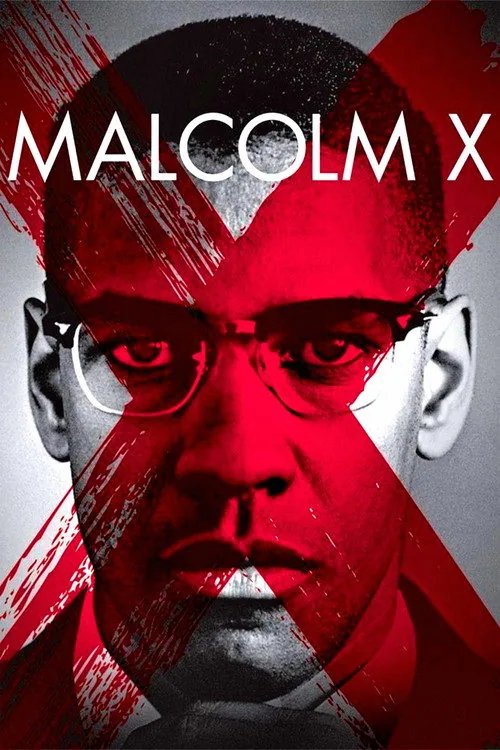
Spike Lee’s biographical drama follows Malcolm Little from a childhood shaped by racial violence and family loss through his criminal years in Boston and Harlem. Imprisonment leads him to the Nation of Islam, where he becomes a prominent minister and adopts the name Malcolm X; later, a break with the organization and a pilgrimage to Mecca reshape his views. The film then follows his independent political work and assassination in 1965. Denzel Washington’s performance anchors a long, chaptered account based largely on The Autobiography of Malcolm X.
What drives the story
The film follows Malcolm’s life from childhood and incarceration through his activism and assassination.
The people at its centre
Malcolm’s relationships with Betty, Elijah Muhammad, and the Nation of Islam shift as his convictions and public role change.
What it feels like
The drama includes racist violence, incarceration, religious conflict, and assassination.
Worth knowing
It adapts a collaborator-authored autobiography into a feature-length interpretation, not an exhaustive history of the civil-rights movement.
IdentityPolitical resistanceFaith
Mood
Expansive · Reflective · Forceful
Pacing
A name change and religious transformation mark stages in a life shaped by racial violence and organizing.
Visual style
Broad historical staging · Direct address · Public speech sequences
Storytelling
Biographical chapters · Conversion · Public oratory