Hoover’s dictated memoir frames a non-linear career whose investigative innovations coexist with political surveillance and the cultivation of private files. The film shows how administrative power can be narrated as heroic necessity by the person who exercised it.
Why this matches +
These offer a related experience with a meaningful difference in story, tone, or presentation.
An adjacent discovery: a related idea with a different viewing experience.
Genres: Drama / Biography
Shared film traits
Based on recorded story, mood and style. Your preferences can change the order.
Memory and identity
What changes A long-serving American public figure is portrayed through decades of institutional power, personal ambition and political conflict.
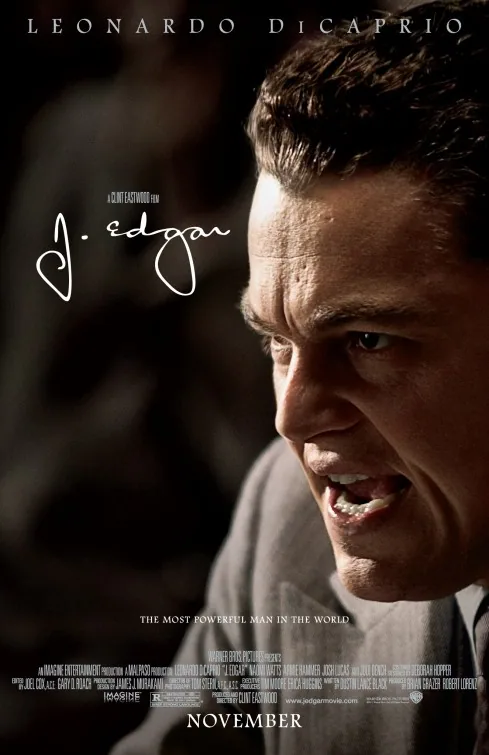
In old age, FBI director J. Edgar Hoover dictates a history of the bureau to a young agent, treating memory as a way to preserve his own authority. The film moves between the celebrated public story of investigative expansion and the private relationships that shaped Hoover’s dependence on Clyde Tolson and Helen Gandy. It presents the director’s recollections as partial: scenes of political surveillance and institutional growth sit beside a life of concealment, shame and control. Their intimacy is rendered through speculation and melodrama rather than conclusive documentation, and Hoover’s own account cannot settle what happened behind closed doors. The biopic’s central tension is not only truth versus lies, but who gets to author an institution’s legacy and what the archive leaves unspoken.
Bush's personal and political history unfolds through formative failures, family pressure, electoral success, and arguments over Iraq.
Why this matches +
These offer a related experience with a meaningful difference in story, tone, or presentation.
An adjacent discovery: a related idea with a different viewing experience.
Genres: Biography / Comedy
Shared film traits
Based on recorded story, mood and style. Your preferences can change the order.
What changes A president's early life and political career are condensed into a character-centered drama about family influence and public decisions.
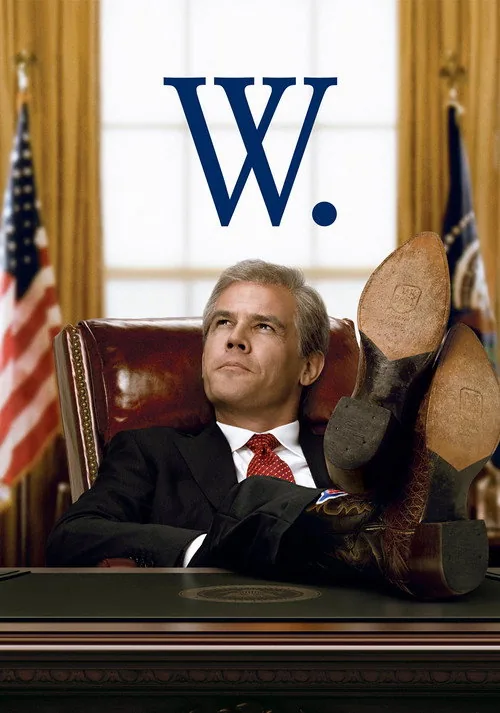
Oliver Stone's biographical drama follows George W. Bush from his restless student and young-adult years through his family relationships, political rise, presidency, and the decision to invade Iraq. The film moves among periods rather than offering a single continuous campaign, using conversations with advisers and family to portray a leader shaped by ambition, rivalry, faith, and the burden of his father's legacy. Its satirical tone makes political history personal, asking how private insecurity and public power meet inside decisions with global consequences.
The film’s imagined memory frame asks how Thatcher lives with the person she became as political recollections surface and her sense of the present shifts. It should not be read as a clinical account or evidence of a specific diagnosis.
Why this matches +
These offer a related experience with a meaningful difference in story, tone, or presentation.
An adjacent discovery: a related idea with a different viewing experience.
Genres: Drama / Biography
Shared film traits
Based on recorded story, mood and style. Your preferences can change the order.
What changes A political leader's rise and time in office are presented through a biographical portrait of conviction, public image and family.
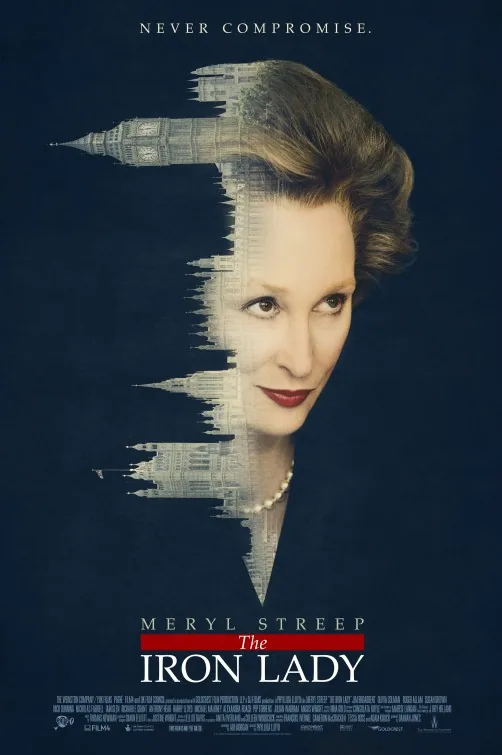
In her later years, Margaret Thatcher is shown in an imagined memory-loss frame as recollections of her late husband Denis and political career return in fragments. The film moves between that private present and her rise from grocer’s daughter and Oxford student to Conservative leader and prime minister, selecting episodes such as the Falklands War, cabinet struggles and opposition within her party. Denis’s imagined presence and the shifting memories turn a political biography toward a personal reckoning with age, power and the life she chose. This is a dramatic device, not a medically verified portrait of Thatcher’s health; its narrow focus on memory also gives policy and the consequences of her government less space than character.
A privately financed interview becomes a struggle for control when the subject's rehabilitation strategy clashes with the interviewer's need to establish political accountability.
Why this matches +
These offer a related experience with a meaningful difference in story, tone, or presentation.
An adjacent discovery: a related idea with a different viewing experience.
Genres: Drama / History
Shared film traits
Based on recorded story, mood and style. Your preferences can change the order.
What changes A former president's public persona and political legacy become the focus of a dramatized encounter after a major national crisis.
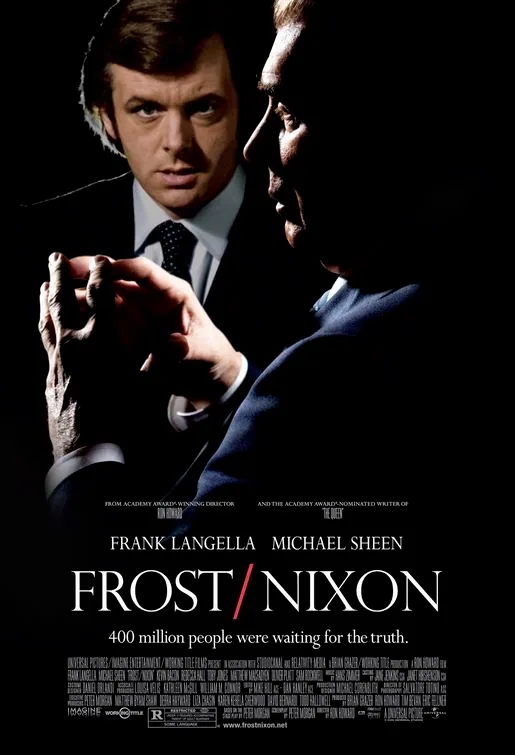
A television interviewer risks money and professional credibility on conversations with a former president seeking to restore his reputation. The participants enter the sessions with different objectives, and Nixon's command of public performance initially defeats Frost's preparation. Researchers and producers press for accountability while commercial pressures threaten the project itself. The drama makes an interview into a contest over who can define the meaning of a political past, with reputational survival giving both men an urgent personal stake.
A political biography tracks Cheney's path into the vice presidency and the expansion of executive authority.
Why this matches +
These offer a related experience with a meaningful difference in story, tone, or presentation.
An adjacent discovery: a related idea with a different viewing experience.
Genres: Drama / Comedy
Shared film traits
Based on recorded story, mood and style. Your preferences can change the order.
What changes An American political figure's rise to national power is examined through the relationship between personal character and government policy.
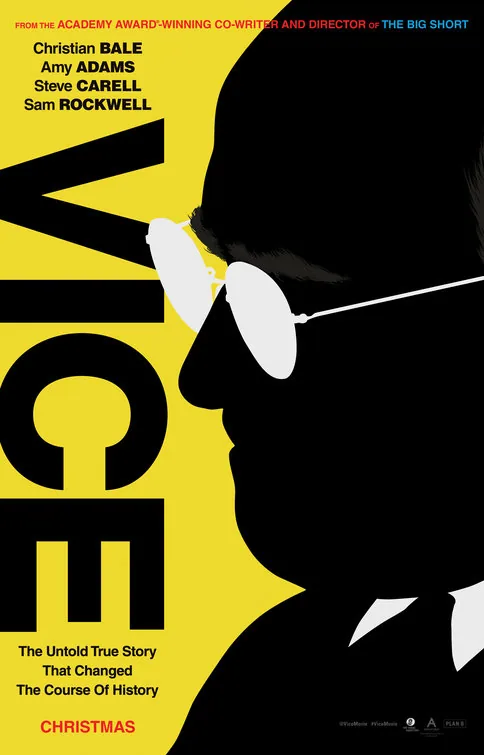
Dick Cheney moves from a troubled early adulthood into a career of political influence, working through presidential administrations and eventually becoming vice president under George W. Bush. The film follows his rise alongside the expansion of executive power and decisions surrounding the Iraq War. Its satirical narration and formal tricks interrupt the biography to question how ambition, institutional systems and public fear can change a government.
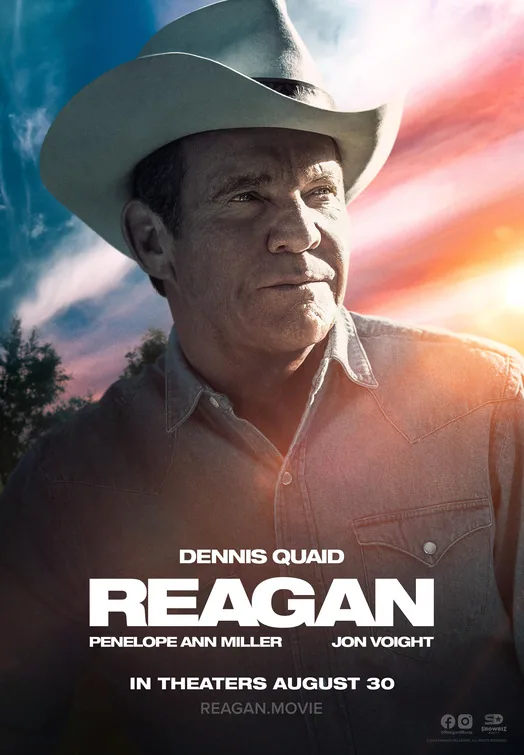
Framed by an interview with a former Soviet intelligence officer, the biographical film traces Ronald Reagan’s life from his early career through his presidency. Its narrative emphasizes his public persona, political convictions, and role in the late Cold War, while compressing a complicated political history into a single character arc. The drama presents Reagan as an inspirational figure, making its point of view and selective emphasis part of how the story should be read.
What drives the story
The framing interview makes memory and political interpretation part of the narrative.
The people at its centre
Reagan’s performance background informs the film’s attention to public image.
What it feels like
The story connects domestic biography to international conflict and negotiation.
Worth knowing
Its celebratory tone favors a distinct point of view on a contested legacy.
PoliticsLeadershipMemory
Mood
Earnest · Patriotic · Reflective
Pacing
A long biographical arc moves through narrated episodes and major milestones
Visual style
Period sets · Archival-style transitions · Presidential imagery
Storytelling
Political manipulation · Public persona · Historical testimony