A posthumous inquiry assembles incompatible views of a powerful man whose apparent abundance concealed recurring failures of connection.
Why this matches +
Selected for the central appeal: Biographical dramas about public power, selective memory and the private costs of control.
Genres: Drama / Biography
Shared film traits
Based on recorded story, mood and style. Your preferences can change the order.
Investigation
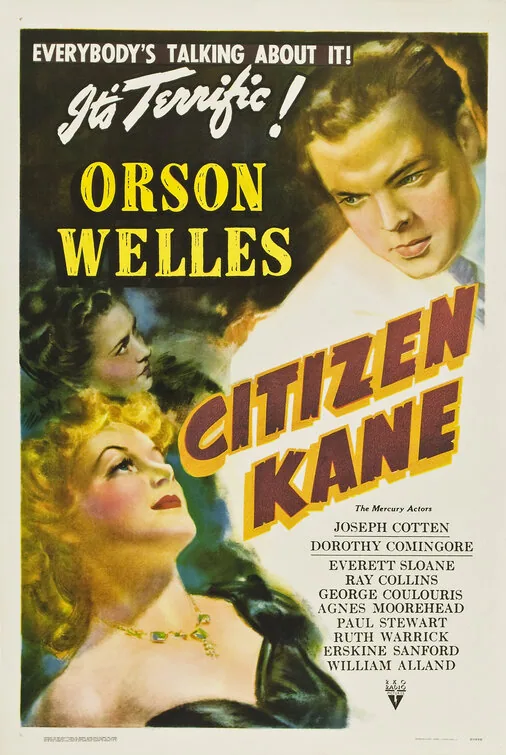
What changes Citizen Kane reconstructs a powerful public figure through conflicting memories and incomplete accounts.
After a powerful newspaper owner dies, a reporter searches for the meaning of his final word through interviews with people who knew him at different stages of life. Their accounts reveal a career built around public influence and a private need to secure affection on his own terms. Each recollection adds information without granting complete authority, leaving material success unable to supply the single explanation the investigation appears to promise.
Dillinger’s robberies and Purvis’s expanding federal methods form parallel pursuits, each reshaping how the public sees crime and law enforcement.
Why this matches +
These offer a related experience with a meaningful difference in story, tone, or presentation.
An adjacent discovery: a related idea with a different viewing experience.
Genres: Crime / Drama
Shared film traits
Based on recorded story, mood and style. Your preferences can change the order.
Investigation
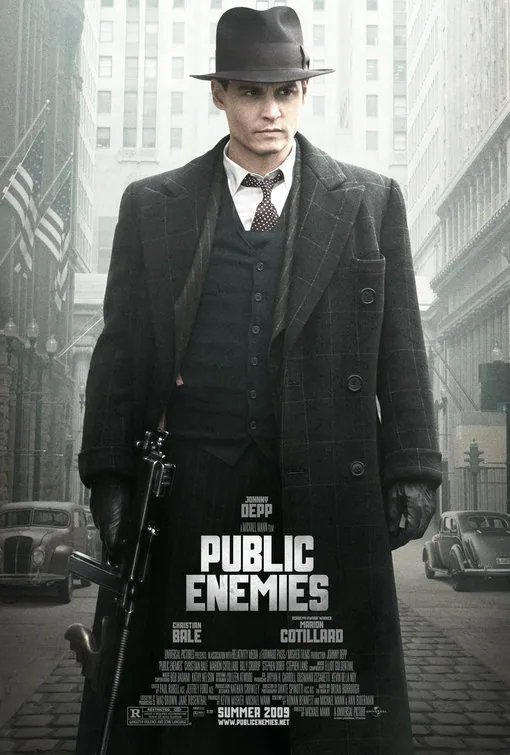
What changes Public Enemies depicts Hoover's FBI pursuing a notorious criminal as the bureau builds its public identity.
In 1933, bank robber John Dillinger breaks his crew out of Indiana State Prison and begins a run of high-profile robberies. FBI agent Melvin Purvis receives the assignment to capture him as J. Edgar Hoover pushes the bureau toward modern crime-fighting methods. Dillinger’s relationship with Billie Frechette develops amid the robberies, escapes and growing law-enforcement pressure, while Purvis’s pursuit becomes increasingly personal. The film follows the final stretch of Dillinger’s freedom through shifting safe houses, prison breaks and the government’s attempt to turn one outlaw into a public example. His career ends outside Chicago’s Biograph Theater.
A political biography tracks Cheney's path into the vice presidency and the expansion of executive authority.
Why this matches +
These offer a related experience with a meaningful difference in story, tone, or presentation.
An adjacent discovery: a related idea with a different viewing experience.
Genres: Drama / Comedy
Shared film traits
Based on recorded story, mood and style. Your preferences can change the order.
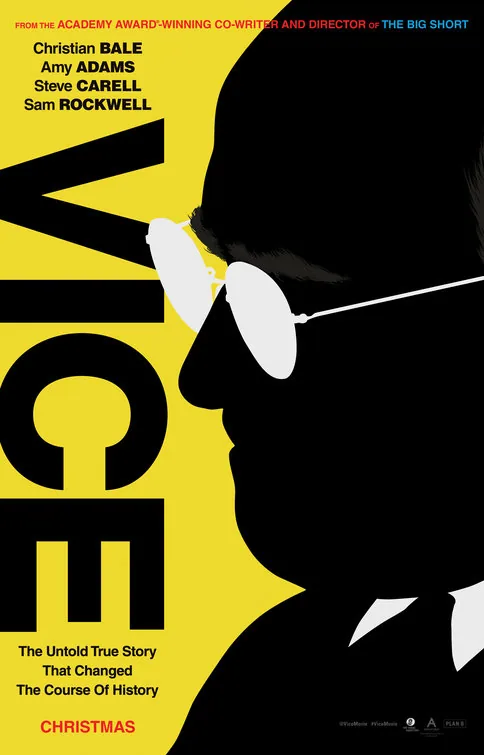
What changes Vice follows a political insider whose pursuit of institutional power is linked to a private family life.
Dick Cheney moves from a troubled early adulthood into a career of political influence, working through presidential administrations and eventually becoming vice president under George W. Bush. The film follows his rise alongside the expansion of executive power and decisions surrounding the Iraq War. Its satirical narration and formal tricks interrupt the biography to question how ambition, institutional systems and public fear can change a government.
The unfinished memoir is both paid work and evidence: each revision brings the writer closer to the reason his predecessor died.
Why this matches +
These offer a related experience with a meaningful difference in story, tone, or presentation.
An adjacent discovery: a related idea with a different viewing experience.
Genres: Crime / Drama
Shared film traits
Based on recorded story, mood and style. Your preferences can change the order.
Investigation
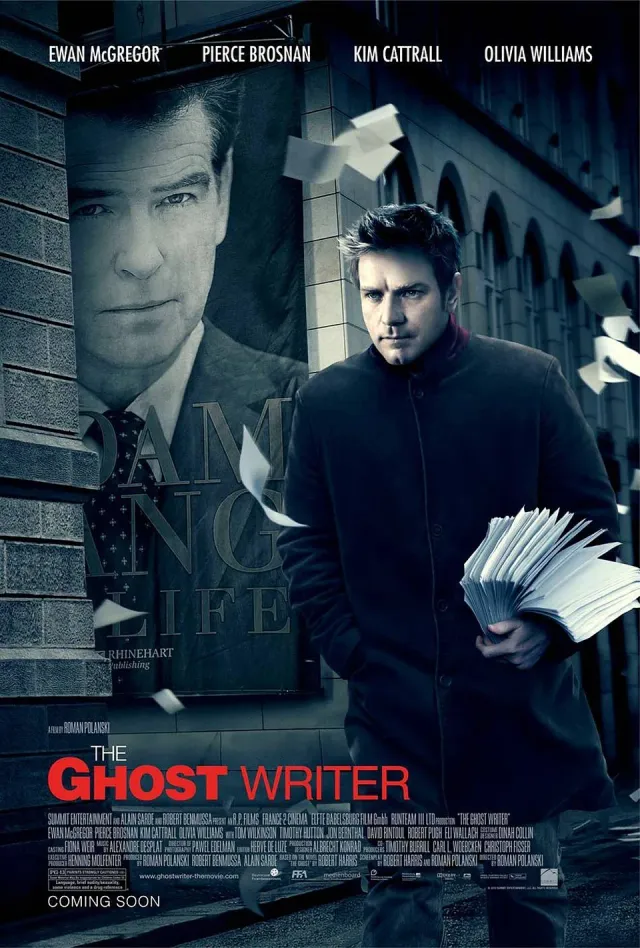
What changes The Ghost Writer examines how a powerful figure's public memoir can conceal institutional wrongdoing.
A professional ghostwriter accepts the job of finishing the memoir of former British prime minister Adam Lang after his predecessor dies under suspicious circumstances. At Lang’s isolated coastal residence, the writer works through the manuscript, watches the politician’s public defense against accusations of war crimes and notices clues hidden in the previous draft. As he investigates, the assignment becomes dangerous and he must decide whether publishing the truth is worth the risk. The film turns a literary job into a political mystery, using the writer’s outsider status and the limits of what he can verify to sustain unease.
A writer's effort to produce nonfiction depends on access to a prisoner whose story he is shaping, so the book's completion becomes entangled with the human cost of narrative closure. The relationship cannot be separated from its endpoint.
Why this matches +
These offer a related experience with a meaningful difference in story, tone, or presentation.
An adjacent discovery: a related idea with a different viewing experience.
Genres: Drama / Crime
Shared film traits
Based on recorded story, mood and style. Your preferences can change the order.
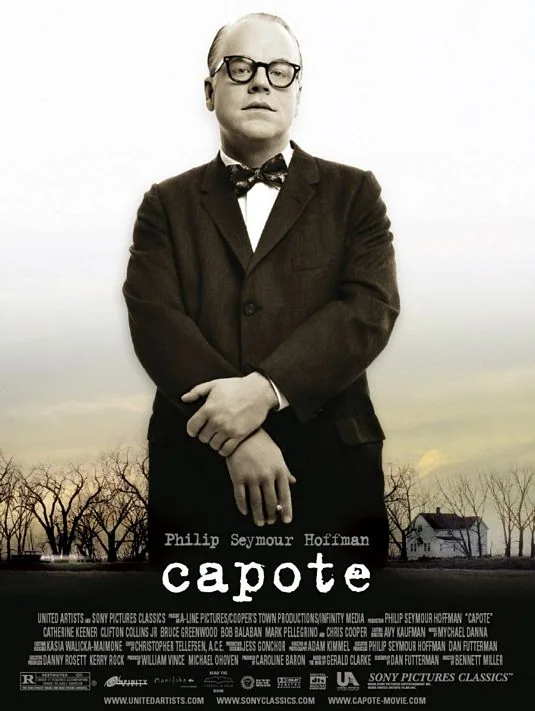
What changes Capote follows a public figure whose professional account and private relationships complicate one another.
After reading about the Clutter family murders, Truman Capote travels to Kansas with Harper Lee to research a book that will become In Cold Blood. His access to the imprisoned Perry Smith depends on attention, empathy and the promise of a future narrative, even as the writer's ambition requires turning private conversations into material. The film follows that ethical dependency through delay and execution, but its dramatic account cannot verify every private motive or exchange between the historical people it portrays. The closer Capote becomes to Smith, the harder it is to separate affection from access.
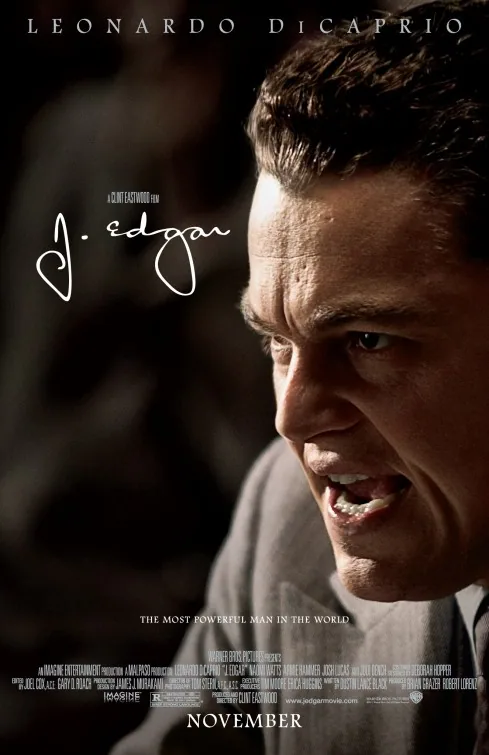
In old age, FBI director J. Edgar Hoover dictates a history of the bureau to a young agent, treating memory as a way to preserve his own authority. The film moves between the celebrated public story of investigative expansion and the private relationships that shaped Hoover’s dependence on Clyde Tolson and Helen Gandy. It presents the director’s recollections as partial: scenes of political surveillance and institutional growth sit beside a life of concealment, shame and control. Their intimacy is rendered through speculation and melodrama rather than conclusive documentation, and Hoover’s own account cannot settle what happened behind closed doors. The biopic’s central tension is not only truth versus lies, but who gets to author an institution’s legacy and what the archive leaves unspoken.
What drives the story
Hoover’s dictated memoir frames a non-linear career whose investigative innovations coexist with political surveillance and the cultivation of private files. The film shows how administrative power can be narrated as heroic necessity by the person who exercised it.
The people at its centre
His attachment to Tolson and trust in Gandy offer forms of closeness shaped by unequal dependency. The film’s imagined private scenes should be attributed to its interpretation, not used to resolve contested biographical claims about either relationship.
What it feels like
Aging makeup, period reconstructions and abrupt movement between decades make the remembered past visibly mediated. Emotional restraint in the private scenes contrasts with the public rhetoric through which Hoover turns bureaucratic expansion into personal legend.
Worth knowing
The FBI’s own archival collection documents the existence of Hoover’s official and confidential files, not every motive or intimate episode dramatized here. Match it with biographies about power and memory, while keeping institutional fact separate from speculative private life.
PowerIntimacyLegacy
Mood
Mournful · Restrained · Uneasy
Pacing
Nonlinear · Measured
Visual style
Period reconstruction · Constrained performances
Storytelling
Dictated institutional history · Secret files · Contested private life