A corruption-resistant team pursues a powerful bootlegging organisation by finding evidence that can survive a hostile institutional environment.
Why this matches +
Selected for the central appeal: Period crime films following notorious criminals and the lawmen pursuing them.
Genres: Crime / Drama
Shared film traits
Based on recorded story, mood and style. Your preferences can change the order.
Criminal underworld · Investigation
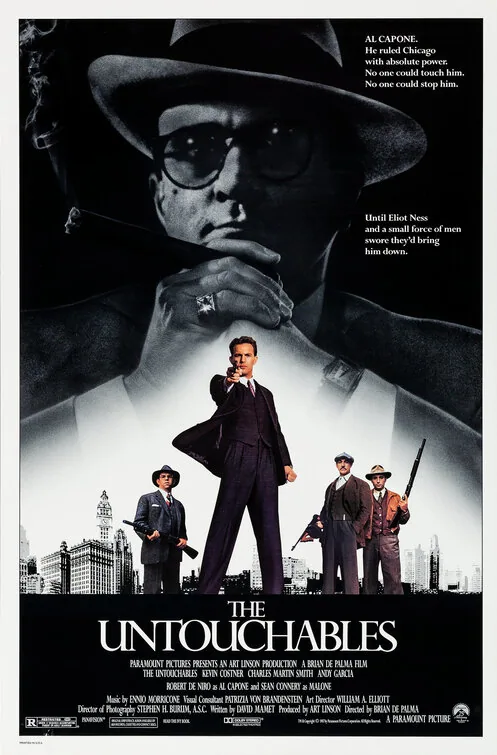
What changes The Untouchables follows federal agents pursuing a powerful criminal in Depression-era America.
A federal agent trying to enforce Prohibition in Chicago discovers that publicity and formal authority accomplish little against a criminal organisation embedded in civic institutions. Recruiting a small team creates the possibility of gathering evidence without relying on compromised colleagues. As the investigation threatens the city's dominant gangster, retaliation makes professional resolve inseparable from personal loss and decisions about the kind of force the team is willing to use.
A childhood partnership in petty theft becomes an adult criminal ascent, disrupted by a gang war and the consequences of treating violence as routine.
Why this matches +
Selected for the central appeal: Period crime films following notorious criminals and the lawmen pursuing them.
Genres: Crime / Drama
Shared film traits
Based on recorded story, mood and style. Your preferences can change the order.
Criminal underworld
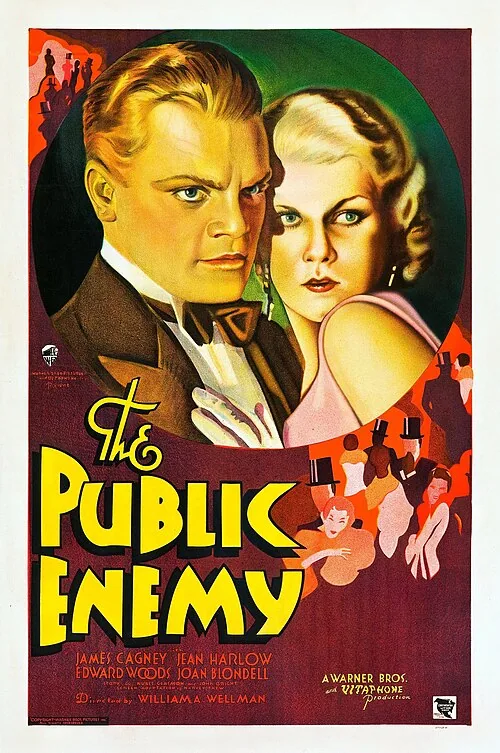
What changes The Public Enemy follows a notorious gangster's rise during the early twentieth century.
In 1900s Chicago, Tom Powers and his friend Matt Doyle begin with petty theft and are drawn into organized crime by a mentor who abandons them when a robbery goes wrong. Tom grows into a confident Prohibition-era gangster, while his older brother Mike's enlistment and moral refusal to accept criminal money expose the family cost of Tom's success. A horse-racing death and a gang rivalry destabilize Tom's position, and violence becomes increasingly difficult to outrun. William A. Wellman's film opens with a disclaimer that it does not intend to glorify criminals, but James Cagney's performance gives Tom dangerous charisma. The story's rise-and-fall structure helped shape the gangster film while retaining the social world of its pre-Code moment.
A professional pursuit develops between men whose similar dependence on work makes mutual recognition possible but does not provide a route out of the confrontation.
Why this matches +
Selected for the central appeal: Period crime films following notorious criminals and the lawmen pursuing them.
Genres: Crime / Drama
Shared film traits
Based on recorded story, mood and style. Your preferences can change the order.
Criminal underworld · Investigation
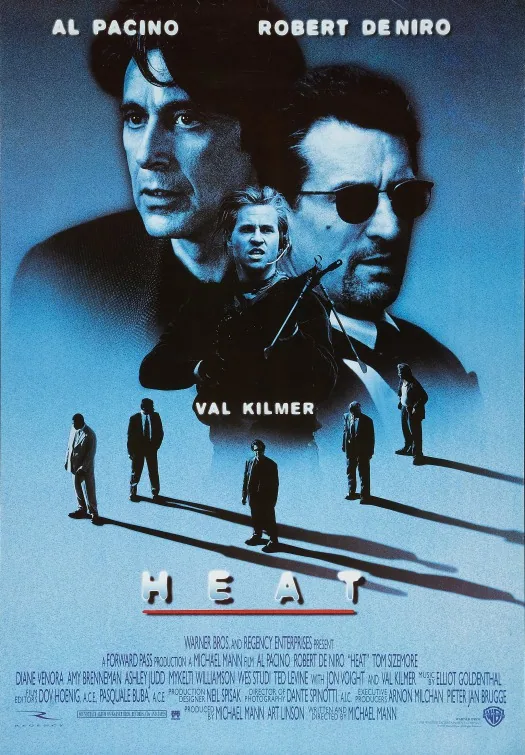
What changes Heat shares Michael Mann's detailed focus on professional criminals, police pursuit and strained personal relationships.
A disciplined Los Angeles robbery crew attracts a detective whose commitment to the pursuit has already made ordinary domestic life difficult. Planning another major theft forces the crew to negotiate an unstable associate, personal attachments and the limits of their rule against becoming tied to anything they cannot abandon. Parallel attention to police and criminals reveals recognisable forms of loneliness and competence without making their opposing obligations compatible.
Repeated robberies keep the gang in motion as lawmen and changing circumstances close the space around them.
Why this matches +
These offer a related experience with a meaningful difference in story, tone, or presentation.
An adjacent discovery: a related idea with a different viewing experience.
Genres: Western / Crime
Shared film traits
Based on recorded story, mood and style. Your preferences can change the order.
Criminal underworld
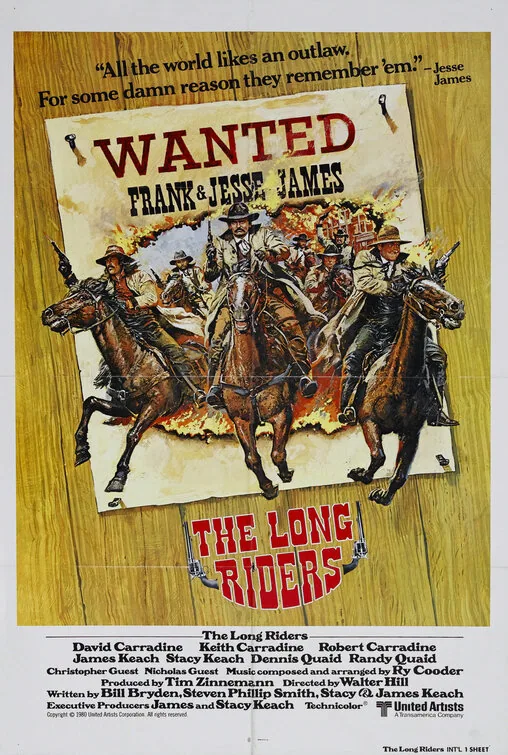
What changes The Long Riders follows real-life outlaw brothers through robberies, pursuit and shifting loyalties.
The James-Younger gang's robberies and escapes are retold through a cast that includes real-life actor brothers playing historical outlaw brothers. The film emphasizes the group's family bonds, the violence of the frontier and the law's growing pressure, rather than treating the gang as uncomplicated folk heroes. Its deliberate western style makes the consequences of criminal life as visible as the attraction of rebellion.
A mobster's casino vision grows into an expensive conflict with his criminal sponsors.
Why this matches +
These offer a related experience with a meaningful difference in story, tone, or presentation.
An adjacent discovery: a related idea with a different viewing experience.
Genres: Crime / Drama
Shared film traits
Based on recorded story, mood and style. Your preferences can change the order.
Criminal underworld
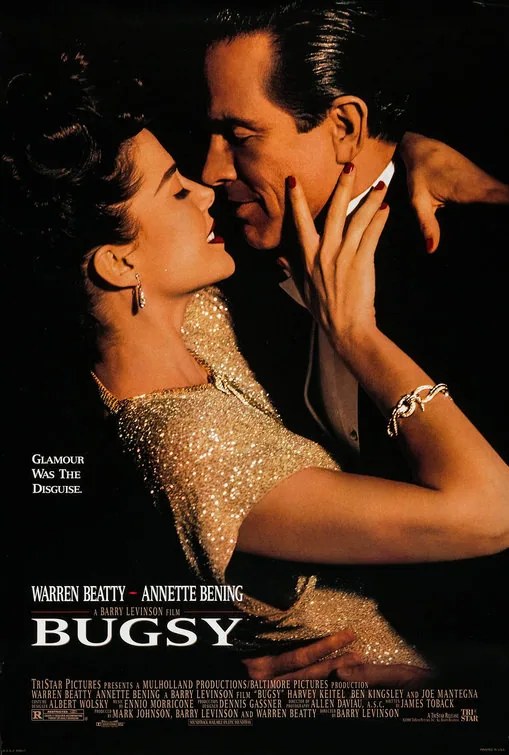
What changes Bugsy dramatizes a charismatic gangster's criminal career and romantic life in a historical setting.
Gangster Benjamin Siegel leaves the East Coast mob world for Los Angeles, where his ambitions lead him to imagine a casino resort in the Nevada desert. His relationship with Virginia Hill and his growing conflict with organized-crime partners complicate the project. The crime drama follows a man whose vision of glamour becomes inseparable from violence, debt and the limits of his authority.
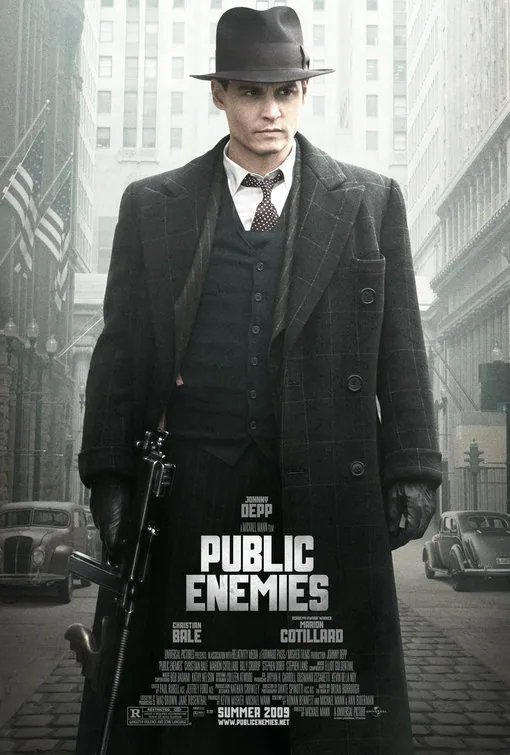
In 1933, bank robber John Dillinger breaks his crew out of Indiana State Prison and begins a run of high-profile robberies. FBI agent Melvin Purvis receives the assignment to capture him as J. Edgar Hoover pushes the bureau toward modern crime-fighting methods. Dillinger’s relationship with Billie Frechette develops amid the robberies, escapes and growing law-enforcement pressure, while Purvis’s pursuit becomes increasingly personal. The film follows the final stretch of Dillinger’s freedom through shifting safe houses, prison breaks and the government’s attempt to turn one outlaw into a public example. His career ends outside Chicago’s Biograph Theater.
What drives the story
Dillinger’s robberies and Purvis’s expanding federal methods form parallel pursuits, each reshaping how the public sees crime and law enforcement.
The people at its centre
Billie offers Dillinger intimacy without fully escaping his danger, while Purvis’s professional ambition is shaped by Hoover’s demands.
What it feels like
Mann’s digital photography, abrupt violence and carefully staged locations give the period crime story a hard, immediate texture.
Worth knowing
This dramatizes real people and events but compresses history into a cat-and-mouse crime narrative; it is not a documentary account of the FBI’s development.
CrimeLaw enforcementCelebrity
Mood
Hard-edged · Tense · Period
Pacing
Fast · Pursuit-driven · Episodic
Visual style
Digital photography · Period locations · Abrupt violence