The royal family's private response to Diana's death clashes with a public demand for shared mourning, forcing Blair and Elizabeth into a political negotiation.
Why this matches +
Selected for the central appeal: Character-focused biographies about powerful women, public life and private reflection.
Genres: Drama / Biography
Shared film traits
Based on recorded story, mood and style. Your preferences can change the order.
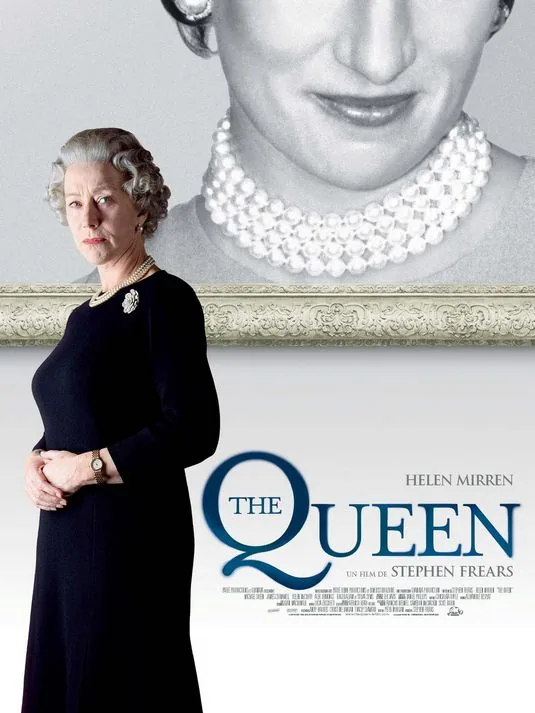
What changes The Queen portrays a prominent British woman navigating political pressure and private family life.
After Diana, Princess of Wales dies in a car crash in 1997, Queen Elizabeth II treats the event as a private family bereavement and remains at Balmoral with her grandsons. Prime Minister Tony Blair sees the public's grief and the absence of an official response as a crisis for both the monarchy and the new government. Their disagreement plays out through advisers, news coverage and an unprecedented display of flowers outside the palaces. Blair urges the Queen to acknowledge the country's mourning; she sees his proposals as yielding to public pressure. The film stages the week as a negotiation between protocol and changing public expectation, using the Queen's eventual response as a turning point in the monarchy's relationship with the public. Private conversations are dramatized, not documentary record.
In the days after an assassination, a first lady works to shape a public memorial while privately grieving.
Why this matches +
Selected for the central appeal: Character-focused biographies about powerful women, public life and private reflection.
Genres: Drama / Biography
Shared film traits
Based on recorded story, mood and style. Your preferences can change the order.
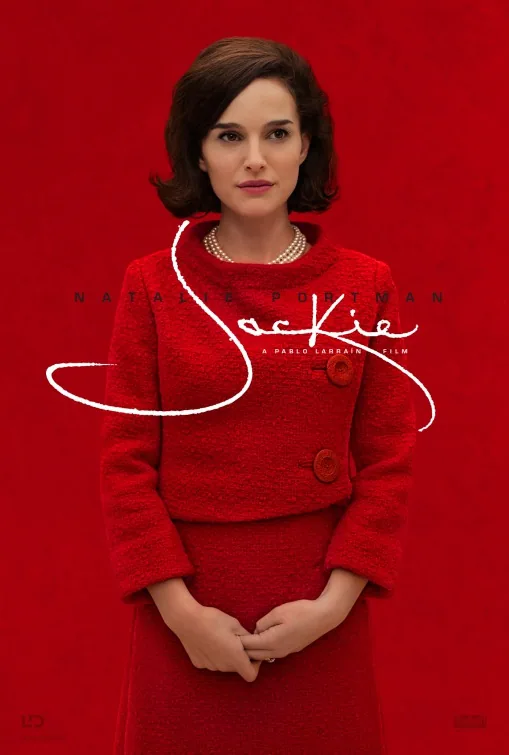
What changes Jackie centers a powerful public figure's private grief and efforts to shape the story of her life.
After President John F. Kennedy's assassination, Jacqueline Kennedy gives an interview about the days surrounding the funeral and her effort to shape how the country remembers her husband. The film moves through grief, public duty, and private conversations as she negotiates the White House's transition and the limits of her control over an official narrative. Pablo Larraín's portrait is intimate and subjective, using performance and ritual to explore mourning under constant observation.
A performer's ascent converts publicity and intimate alliance into political influence, with a critical countervoice continually contesting the public narrative of service and belonging. Eva’s access to political power grows through performance, partnership and popular identification, while class resentment frames the story.
Why this matches +
These offer a related experience with a meaningful difference in story, tone, or presentation.
An adjacent discovery: a related idea with a different viewing experience.
Genres: Musical / Drama
Shared film traits
Based on recorded story, mood and style. Your preferences can change the order.
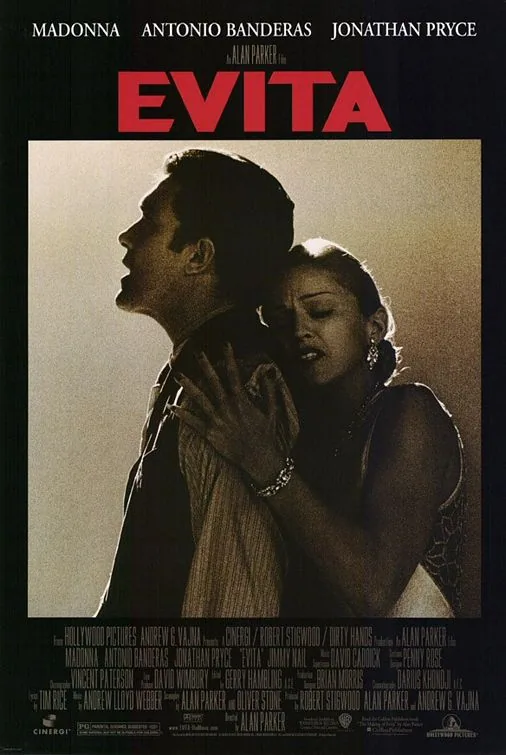
What changes Evita follows a woman's rise to political prominence and the public image surrounding her.
An actress and radio performer rises from provincial exclusion into a central public role beside an ambitious Argentine political leader. Her ability to command attention turns personal transformation into an instrument of popular identification, while elite hostility and a skeptical commentator challenge the image being presented. Public devotion, material assistance and personal advancement remain difficult to disentangle, especially when illness makes the construction of a lasting symbol more urgent than the limits of an individual life. The sung-through form turns Eva Perón’s rise into a contest over public memory, with Che as a critical narrator.
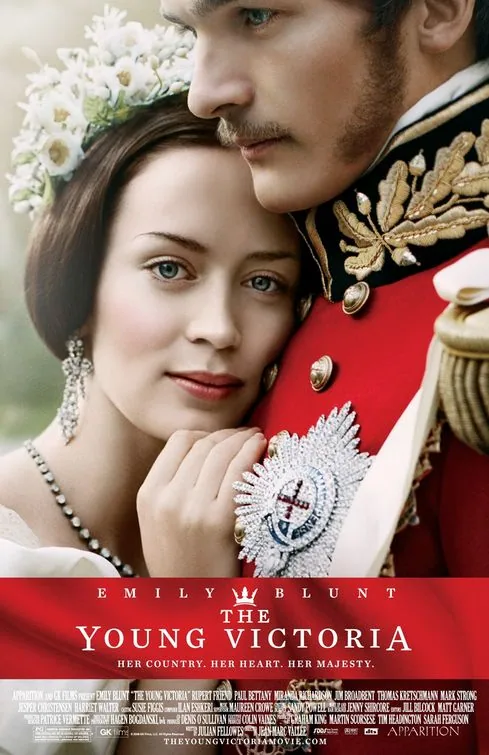
Victoria’s early reign turns every private choice into a question of political influence and public authority.
Why this matches +
These offer a related experience with a meaningful difference in story, tone, or presentation.
An adjacent discovery: a related idea with a different viewing experience.
Genres: Drama / Romance
Shared film traits
Based on recorded story, mood and style. Your preferences can change the order.
What changes The Young Victoria portrays a British woman balancing political authority and intimate relationships.
The young Victoria ascends to the British throne amid competing advisers who hope to influence the decisions of an inexperienced monarch. Her relationship with Prince Albert develops alongside her effort to establish authority and choose whom she trusts. The period drama frames court protocol and political pressure through a coming-of-age portrait, showing public responsibility and private affection as forces that shape one another rather than separate chapters of a royal biography.
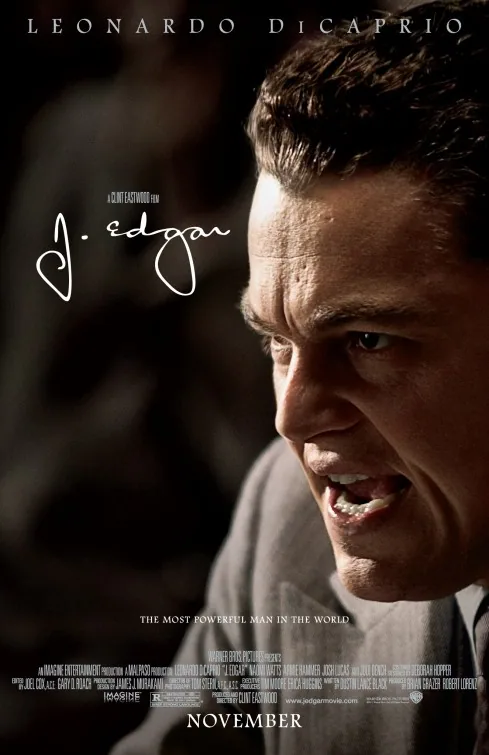
Hoover’s dictated memoir frames a non-linear career whose investigative innovations coexist with political surveillance and the cultivation of private files. The film shows how administrative power can be narrated as heroic necessity by the person who exercised it.
Why this matches +
These offer a related experience with a meaningful difference in story, tone, or presentation.
An adjacent discovery: a related idea with a different viewing experience.
Genres: Drama / Biography
Shared film traits
Based on recorded story, mood and style. Your preferences can change the order.
What changes J. Edgar uses recollection and aging to frame a controversial public figure's career and private attachments.
In old age, FBI director J. Edgar Hoover dictates a history of the bureau to a young agent, treating memory as a way to preserve his own authority. The film moves between the celebrated public story of investigative expansion and the private relationships that shaped Hoover’s dependence on Clyde Tolson and Helen Gandy. It presents the director’s recollections as partial: scenes of political surveillance and institutional growth sit beside a life of concealment, shame and control. Their intimacy is rendered through speculation and melodrama rather than conclusive documentation, and Hoover’s own account cannot settle what happened behind closed doors. The biopic’s central tension is not only truth versus lies, but who gets to author an institution’s legacy and what the archive leaves unspoken.
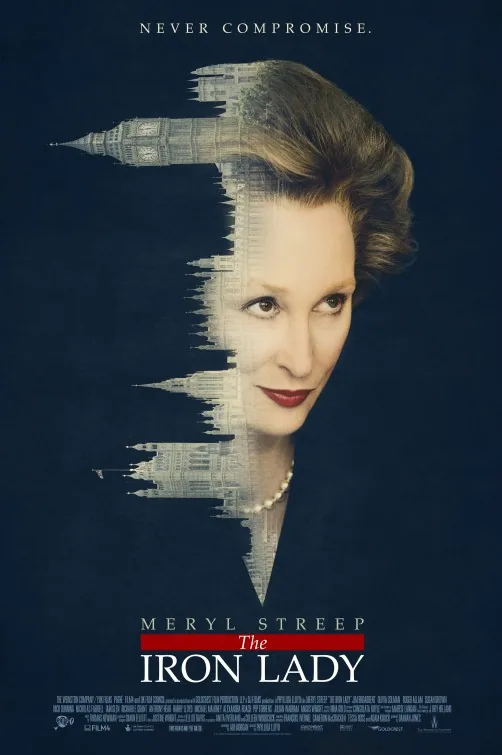
In her later years, Margaret Thatcher is shown in an imagined memory-loss frame as recollections of her late husband Denis and political career return in fragments. The film moves between that private present and her rise from grocer’s daughter and Oxford student to Conservative leader and prime minister, selecting episodes such as the Falklands War, cabinet struggles and opposition within her party. Denis’s imagined presence and the shifting memories turn a political biography toward a personal reckoning with age, power and the life she chose. This is a dramatic device, not a medically verified portrait of Thatcher’s health; its narrow focus on memory also gives policy and the consequences of her government less space than character.
What drives the story
The film’s imagined memory frame asks how Thatcher lives with the person she became as political recollections surface and her sense of the present shifts. It should not be read as a clinical account or evidence of a specific diagnosis.
The people at its centre
Thatcher’s ambition and discipline are presented through the pull between political authority and domestic life. Denis is her affectionate partner and, later, an imagined companion whose absence she resists.
What it feels like
A nonlinear biographical drama uses memory fragments and a quieter present to move through major political episodes. Its intimate framing gives personal experience more space than policy context.
Worth knowing
A fit for character-led political biographies, but it is a selective dramatization rather than a comprehensive account of Thatcher’s government. Its dementia and memory scenes are a dramatic framing device, not a verified medical history.
AmbitionPowerAging
Mood
Reflective · Restrained · Melancholy
Pacing
Nonlinear memory · Career retrospect
Visual style
Period political settings · Intimate present-day rooms
Storytelling
Dementia frame · Political flashbacks · Marriage to Denis