A concealed former convict's promise to protect a child keeps colliding with an officer's fixed account of identity, until a street uprising forces hidden loyalties into public action.
Why this matches +
Selected for the central appeal: Musical biographies about public performance, political power and contested legacies.
Genres: Musical / Drama
Shared film traits
Based on recorded story, mood and style. Your preferences can change the order.
Music and performance
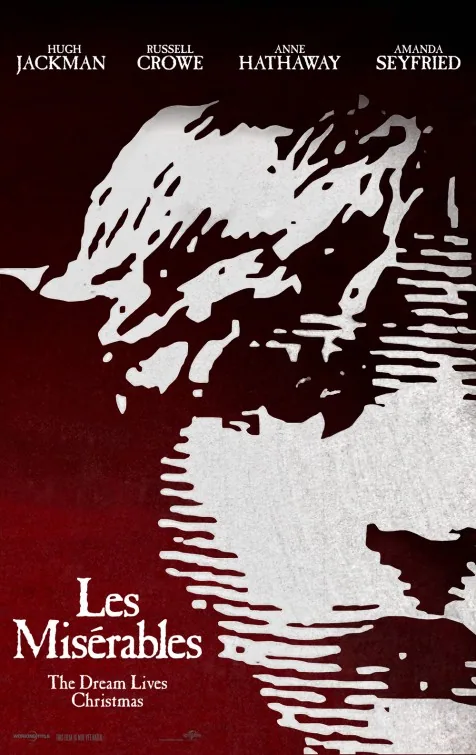
What changes Les Misérables uses sung-through storytelling to connect personal struggles with political upheaval.
A former prisoner receives an act of mercy that allows him to build a new identity, but a pursuing officer treats the breached parole as a permanent definition of the man. Taking responsibility for a dying worker's daughter connects private redemption with the poverty around him. As the girl grows and political revolt reaches the streets, protecting her future demands choices that cannot be settled by hiding forever. The sung-through adaptation sets rigid legal certainty against forms of care that recognize change without pretending every loss can be repaired.
A nonlinear account of artistic formation and decline juxtaposes commanding performance with relationships and physical crises that fame cannot secure against loss.
Why this matches +
These offer a related experience with a meaningful difference in story, tone, or presentation.
An adjacent discovery: a related idea with a different viewing experience.
Genres: Drama / Biography
Shared film traits
Based on recorded story, mood and style. Your preferences can change the order.
Music and performance
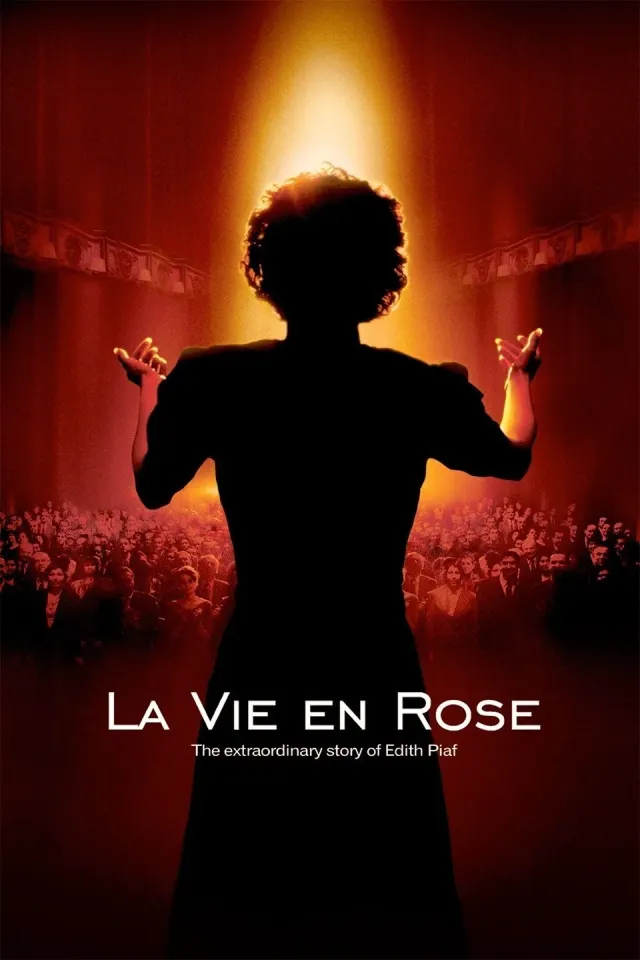
What changes La Vie en Rose follows a performer's rise from hardship to public acclaim amid personal decline.
A singer's public force emerges from an unstable childhood of poverty, illness and dependence on people whose care is unevenly available. Success brings technical discipline, fame and passionate attachment without providing reliable safety from bodily decline or loss. The narrative moves among periods rather than allowing each triumph to cancel what preceded it. The biographical drama makes performance a way of commanding attention that private life cannot sustain, while refusing to keep the celebrated voice separate from the vulnerable person through whom it is produced.
Romantic and sexual experiments unfold alongside fascism's rise, with the club's stage translating political change into performance but not stopping it. The songs comment on events without making performers politically omniscient.
Why this matches +
These offer a related experience with a meaningful difference in story, tone, or presentation.
An adjacent discovery: a related idea with a different viewing experience.
Genres: Musical / Drama
Shared film traits
Based on recorded story, mood and style. Your preferences can change the order.
Music and performance
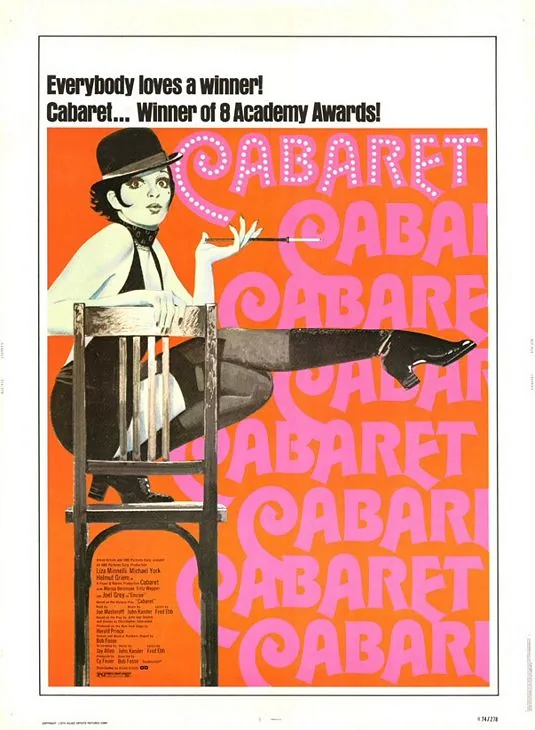
What changes Cabaret uses musical performance to comment on the rise of authoritarian politics.
In 1931 Berlin, English academic Brian Roberts meets American performer Sally Bowles in the world around the Kit Kat Club. Their relationship, her attachment to a wealthy patron and the club's exuberant performances unfold as political exclusion becomes ordinary outside its stage. The musical numbers comment on the dramatic action without safely standing apart from it: spectacle can expose brutality while also helping a community treat it as someone else's problem. Personal freedom and romantic choice remain unequal as fascism tightens its hold. The Emcee's numbers can turn a casual audience's laughter into part of the film's critique.
A manager's discovery of a marketable performer develops into a controlling arrangement that turns the machinery of success into an obstacle to artistic and personal freedom. Commercial success expands Elvis’s audience while Parker’s financial and contractual control narrows the choices the film dramatizes.
Why this matches +
These offer a related experience with a meaningful difference in story, tone, or presentation.
An adjacent discovery: a related idea with a different viewing experience.
Genres: Biography / Drama
Shared film traits
Based on recorded story, mood and style. Your preferences can change the order.
Music and performance
What changes Elvis examines how a performer's fame and public identity are shaped by powerful interests.
A young performer's musical force attracts a manager who recognizes how rebellion can be sold while claiming he alone can protect the career it creates. Success reshapes family life, public image and the terms on which the singer can work, as promises of opportunity become increasingly difficult to separate from financial confinement. The relationship is narrated through the manager's self-defense, making the spectacle of stardom also an argument over who gets to explain its costs. Parker’s retrospective narration shapes the story, so the manager’s account is part of its subject and a limit.
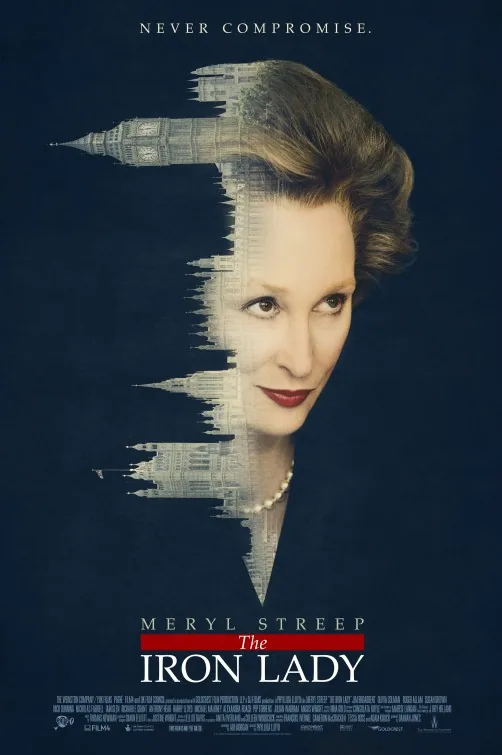
The film’s imagined memory frame asks how Thatcher lives with the person she became as political recollections surface and her sense of the present shifts. It should not be read as a clinical account or evidence of a specific diagnosis.
Why this matches +
These offer a related experience with a meaningful difference in story, tone, or presentation.
An adjacent discovery: a related idea with a different viewing experience.
Genres: Drama / Biography
Shared film traits
Based on recorded story, mood and style. Your preferences can change the order.
What changes The Iron Lady follows a woman's rise to political prominence and the construction of her public image.
In her later years, Margaret Thatcher is shown in an imagined memory-loss frame as recollections of her late husband Denis and political career return in fragments. The film moves between that private present and her rise from grocer’s daughter and Oxford student to Conservative leader and prime minister, selecting episodes such as the Falklands War, cabinet struggles and opposition within her party. Denis’s imagined presence and the shifting memories turn a political biography toward a personal reckoning with age, power and the life she chose. This is a dramatic device, not a medically verified portrait of Thatcher’s health; its narrow focus on memory also gives policy and the consequences of her government less space than character.
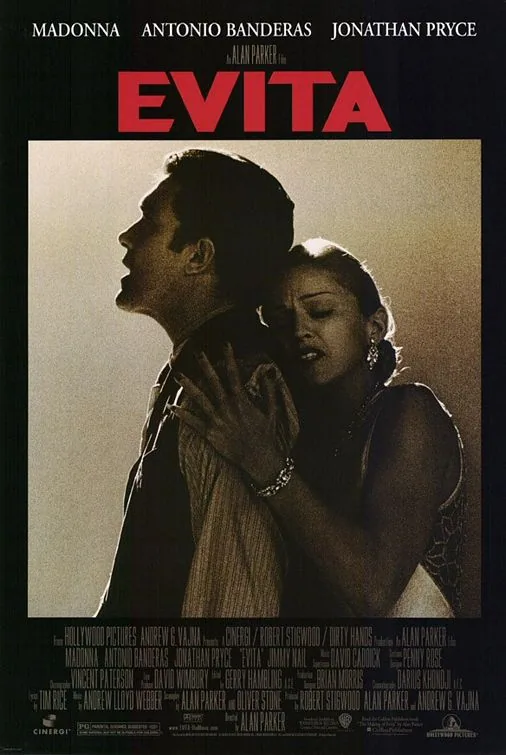
An actress and radio performer rises from provincial exclusion into a central public role beside an ambitious Argentine political leader. Her ability to command attention turns personal transformation into an instrument of popular identification, while elite hostility and a skeptical commentator challenge the image being presented. Public devotion, material assistance and personal advancement remain difficult to disentangle, especially when illness makes the construction of a lasting symbol more urgent than the limits of an individual life. The sung-through form turns Eva Perón’s rise into a contest over public memory, with Che as a critical narrator.
What drives the story
A performer's ascent converts publicity and intimate alliance into political influence, with a critical countervoice continually contesting the public narrative of service and belonging. Eva’s access to political power grows through performance, partnership and popular identification, while class resentment frames the story.
The people at its centre
Eva's partnership with Perón joins ambition to access, while the commentator's distance challenges both the devotion of supporters and the apparent inevitability of the rise. Her alliance with Juan Perón and hostility from elites coexist with a public image built around service to workers.
What it feels like
Sung-through encounters, mass choreography and ceremonial imagery make political authority visibly theatrical, turning historical biography into an argument carried through musical performance. Songs, rallies and staged tableaux make politics theatrical, letting counterargument live inside the musical itself.
Worth knowing
Match on populist image-making and contested public memory, while separating the musical's selective, adversarial account from verified biography or a neutral history of Peronism. Che is a dramatic narrator, not a claim that the historical Che Guevara witnessed Eva’s life this way.
PowerRecognitionClass
Mood
Emotional · Confrontational · Epic
Pacing
Epic
Visual style
Musical staging · Historical tableaux · Mass choreography
Storytelling
Performer becomes political symbol · Skeptical countervoice · Public mourning frame