The film’s imagined memory frame asks how Thatcher lives with the person she became as political recollections surface and her sense of the present shifts. It should not be read as a clinical account or evidence of a specific diagnosis.
Why this matches +
Selected for the central appeal: Political dramas about public figures balancing private grief, protocol and changing expectations.
Genres: Drama / Biography
Shared film traits
Based on recorded story, mood and style. Your preferences can change the order.
What changes The Iron Lady examines a British leader's public role alongside private memory and family life.
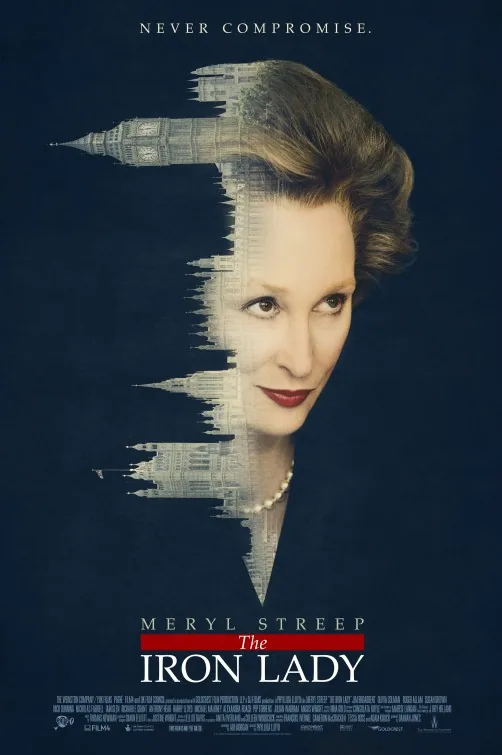
In her later years, Margaret Thatcher is shown in an imagined memory-loss frame as recollections of her late husband Denis and political career return in fragments. The film moves between that private present and her rise from grocer’s daughter and Oxford student to Conservative leader and prime minister, selecting episodes such as the Falklands War, cabinet struggles and opposition within her party. Denis’s imagined presence and the shifting memories turn a political biography toward a personal reckoning with age, power and the life she chose. This is a dramatic device, not a medically verified portrait of Thatcher’s health; its narrow focus on memory also gives policy and the consequences of her government less space than character.
In the days after an assassination, a first lady works to shape a public memorial while privately grieving.
Why this matches +
Selected for the central appeal: Political dramas about public figures balancing private grief, protocol and changing expectations.
Genres: Drama / Biography
Shared film traits
Based on recorded story, mood and style. Your preferences can change the order.
What changes Jackie follows a public figure negotiating private bereavement and the presentation of mourning after a national tragedy.
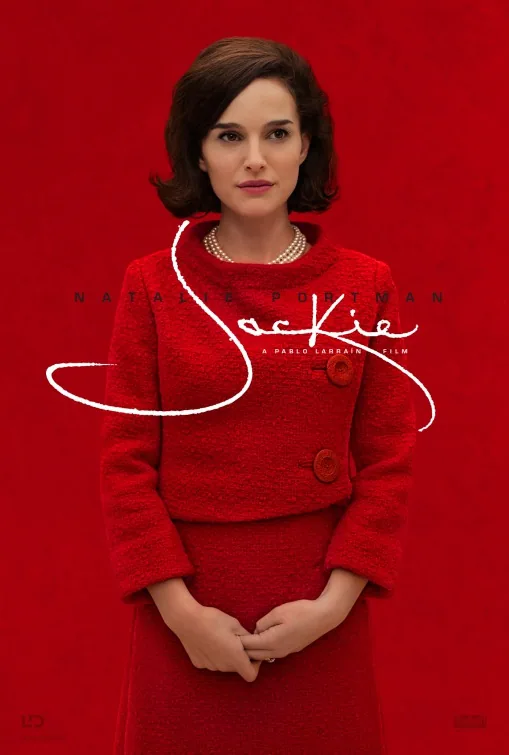
After President John F. Kennedy's assassination, Jacqueline Kennedy gives an interview about the days surrounding the funeral and her effort to shape how the country remembers her husband. The film moves through grief, public duty, and private conversations as she negotiates the White House's transition and the limits of her control over an official narrative. Pablo Larraín's portrait is intimate and subjective, using performance and ritual to explore mourning under constant observation.
A royal Christmas gathering intensifies Diana's sense that her life has become a role she cannot inhabit.
Why this matches +
These offer a related experience with a meaningful difference in story, tone, or presentation.
An adjacent discovery: a related idea with a different viewing experience.
Genres: Drama
Shared film traits
Based on recorded story, mood and style. Your preferences can change the order.
What changes Spencer imagines a royal woman navigating family ritual and public scrutiny during a period of personal distress.
During a tense Christmas holiday at Sandringham, Princess Diana feels increasingly alienated from the royal family's routines and restrictions. The film concentrates on several days in 1991, following her private distress, her connection with her sons, and her struggle to imagine a future outside the marriage. Pablo Larraín's psychological drama uses a subjective, impressionistic style rather than a full biographical survey, turning ceremonial spaces into a portrait of confinement and self-determination.
An escalating public role turns a private communication difficulty into a recurring test of trust between a royal patient and a practitioner outside established authority.
Why this matches +
These offer a related experience with a meaningful difference in story, tone, or presentation.
An adjacent discovery: a related idea with a different viewing experience.
Genres: Drama / Biography
Shared film traits
Based on recorded story, mood and style. Your preferences can change the order.
What changes The King's Speech follows a monarch confronting personal pressures while meeting public expectations.
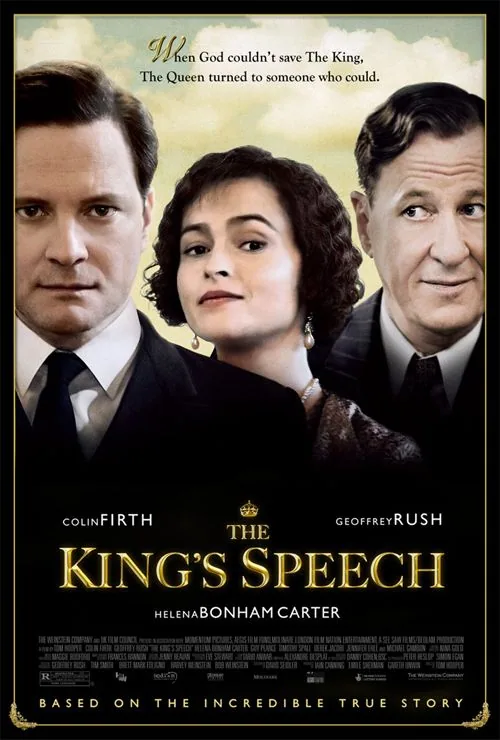
A British prince whose stammer makes public speaking painful seeks assistance from an unconventional practitioner who refuses the usual deference to royalty. Family tensions and a constitutional crisis unexpectedly place him on the throne as war approaches. Preparing to address the country requires more than a technique for individual words: he must negotiate trust, shame and the possibility of relying on a relationship that court expectations regard as unequal.
A privately financed interview becomes a struggle for control when the subject's rehabilitation strategy clashes with the interviewer's need to establish political accountability.
Why this matches +
These offer a related experience with a meaningful difference in story, tone, or presentation.
An adjacent discovery: a related idea with a different viewing experience.
Genres: Drama / History
Shared film traits
Based on recorded story, mood and style. Your preferences can change the order.
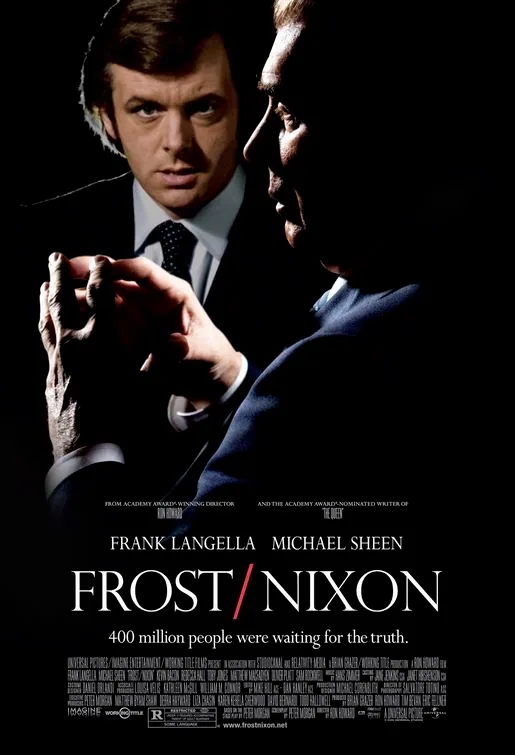
What changes Frost/Nixon dramatizes the negotiation between a political figure's private account and public judgment.
A television interviewer risks money and professional credibility on conversations with a former president seeking to restore his reputation. The participants enter the sessions with different objectives, and Nixon's command of public performance initially defeats Frost's preparation. Researchers and producers press for accountability while commercial pressures threaten the project itself. The drama makes an interview into a contest over who can define the meaning of a political past, with reputational survival giving both men an urgent personal stake.
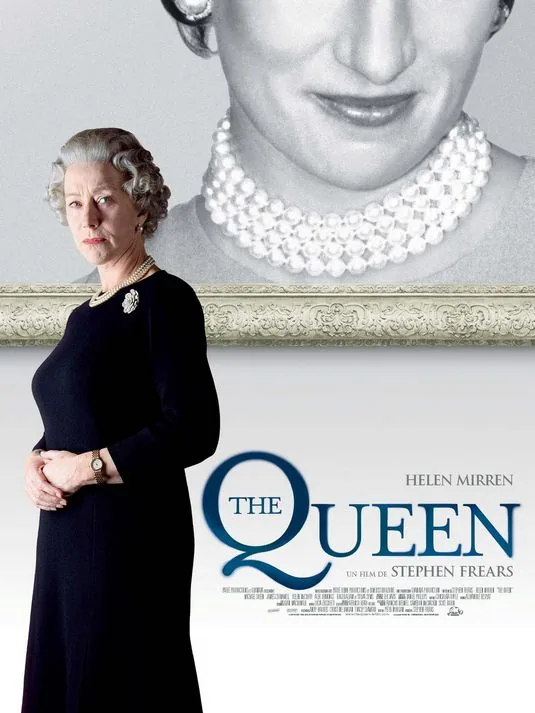
After Diana, Princess of Wales dies in a car crash in 1997, Queen Elizabeth II treats the event as a private family bereavement and remains at Balmoral with her grandsons. Prime Minister Tony Blair sees the public's grief and the absence of an official response as a crisis for both the monarchy and the new government. Their disagreement plays out through advisers, news coverage and an unprecedented display of flowers outside the palaces. Blair urges the Queen to acknowledge the country's mourning; she sees his proposals as yielding to public pressure. The film stages the week as a negotiation between protocol and changing public expectation, using the Queen's eventual response as a turning point in the monarchy's relationship with the public. Private conversations are dramatized, not documentary record.
What drives the story
The royal family's private response to Diana's death clashes with a public demand for shared mourning, forcing Blair and Elizabeth into a political negotiation.
The people at its centre
Blair has to convert public anger into advice the Queen can hear; Elizabeth's duty to family and institution pull in different directions.
What it feels like
A restrained political drama turns small meetings, broadcasts and ceremonial decisions into a high-stakes study of public image.
Worth knowing
For viewers drawn to character-led political history. It is a dramatized interpretation of one week, not an inside account or comprehensive biography of Elizabeth II or Diana.