Based on recorded story, mood and style. Your preferences can change the order.
Political resistance
What changes Selma: strategic, escalating and collective. Milk: measured.
After moving to San Francisco with his partner, Harvey Milk turns a neighbourhood camera shop into a gathering place for a politically marginalised community. Repeated electoral defeats become lessons in coalition building, public visibility and the use of institutional power against discrimination. His growing public responsibilities strain intimate relationships while a rising campaign against gay rights gives local organising an urgency far beyond personal ambition.
Based on recorded story, mood and style. Your preferences can change the order.
Political resistance
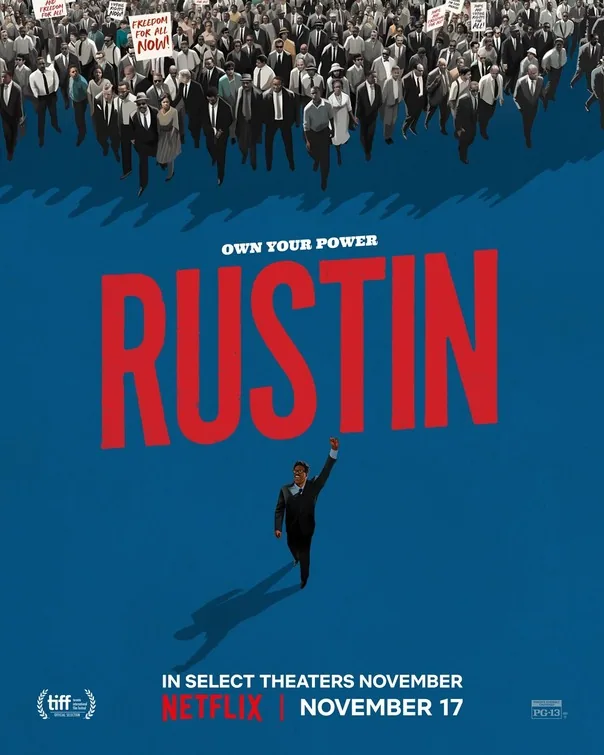
What changes Selma: strategic, escalating and collective. Rustin: deadline-driven, dialogue-rich, energetic and culminating.
Bayard Rustin is an experienced organizer whose commitment to nonviolent protest and racial equality shapes the planning of the 1963 March on Washington. Although his strategic ability is crucial, his sexuality and past political associations leave him vulnerable to attacks from opponents and uneasy allies. George C. Wolfe’s drama follows Rustin as he builds coalitions with A. Philip Randolph, Martin Luther King Jr. and a wide network of activists to turn an ambitious demonstration into a mass event.
Based on recorded story, mood and style. Your preferences can change the order.
Political resistance
What changes Selma: strategic, escalating and collective. The Hate U Give: family and school life converge with public confrontation.
Starr Carter moves between her predominantly Black neighborhood and a mostly white private school, carefully managing how she presents herself in each place. When she witnesses a police officer kill her childhood friend during a traffic stop, she becomes a crucial witness amid grief, public protest and pressure to stay silent. The drama follows her growing willingness to speak, linking personal identity to racial injustice and community advocacy.
Based on recorded story, mood and style. Your preferences can change the order.
Political resistance
What changes Selma: strategic, escalating and collective. The Best of Enemies: meeting-centered debate, personal turning points and historical resolution.
In 1971 Durham, North Carolina, civil-rights organizer Ann Atwater campaigns for better conditions for Black residents while segregation shapes the schools and public life. After a school fire intensifies local conflict, organizer Bill Riddick asks Ann and Ku Klux Klan leader C. P. Ellis to co-chair a series of community meetings about desegregation. The dramatized account follows their antagonism, the deliberations, and the personal and political pressures surrounding the vote.
Based on recorded story, mood and style. Your preferences can change the order.
Political resistance
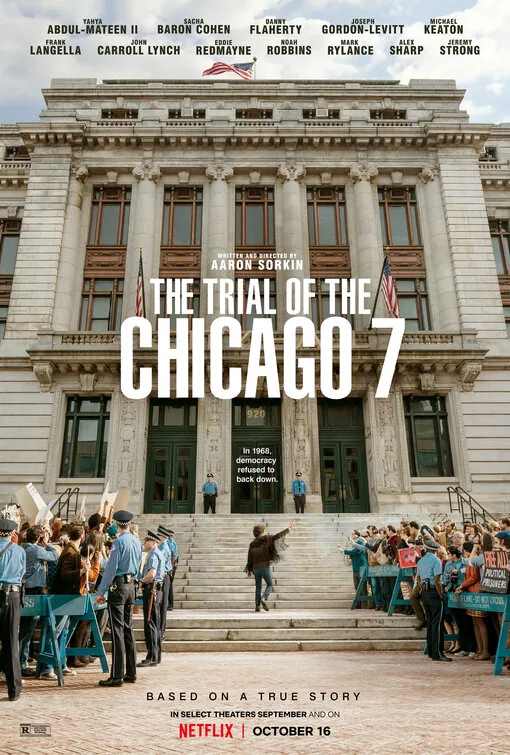
What changes Selma: strategic, escalating and collective. The Trial of the Chicago 7: fast and argument-driven.
After the 1968 Democratic National Convention protests, seven activists and Black Panther chairman Bobby Seale face federal charges related to an alleged conspiracy to incite a riot. The courtroom becomes a stage for disputes over protest, political power and the rules of justice, while the defendants clash over strategy and public image. Aaron Sorkin uses a quick ensemble rhythm and pointed dialogue to turn a historic trial into an accessible political drama.
Based on recorded story, mood and style. Your preferences can change the order.
Political resistance
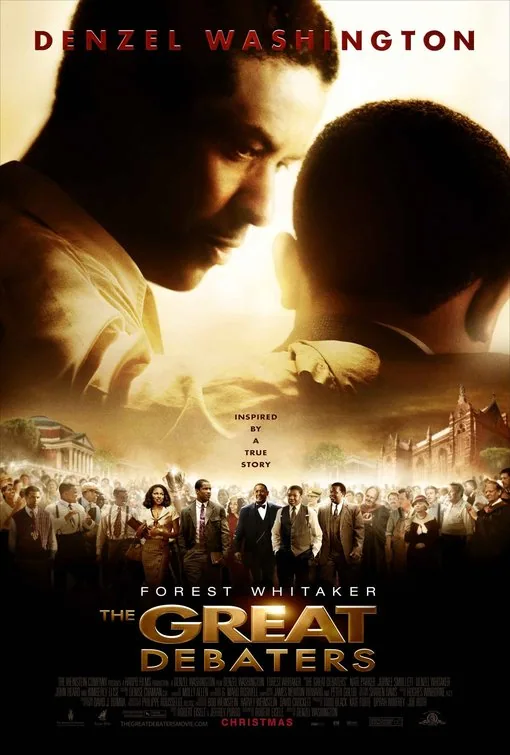
What changes Selma: strategic, escalating and collective. The Great Debaters: training-to-competition and historical arc.
In 1930s Texas, a professor builds a debate team at a Black college and prepares students to compete against institutions that exclude them from equal standing. Their research, rehearsal and travel expose them to racism and danger beyond the classroom, so intellectual argument becomes both an academic discipline and a public act of resistance. The drama links individual confidence with collective preparation, following young speakers whose success challenges the terms on which they are invited to participate.
Based on recorded story, mood and style. Your preferences can change the order.
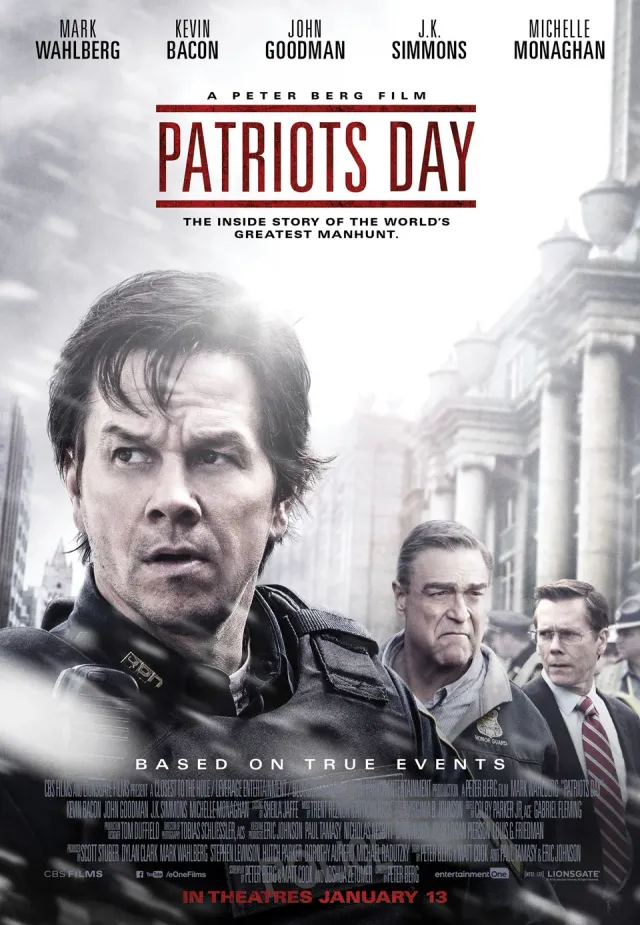
What changes Selma: strategic, escalating and collective. Patriots Day: incident response gives way to an expanding manhunt.
After the Boston Marathon bombing, law enforcement officers, survivors and ordinary residents respond to the attack and help identify the perpetrators. The drama tracks the investigation alongside the fear and solidarity experienced across the city, drawing on real events to show how public evidence and coordinated action shaped the pursuit. Its tone is solemn and procedural, with attention to both victims and responders.
Based on recorded story, mood and style. Your preferences can change the order.
Political resistance
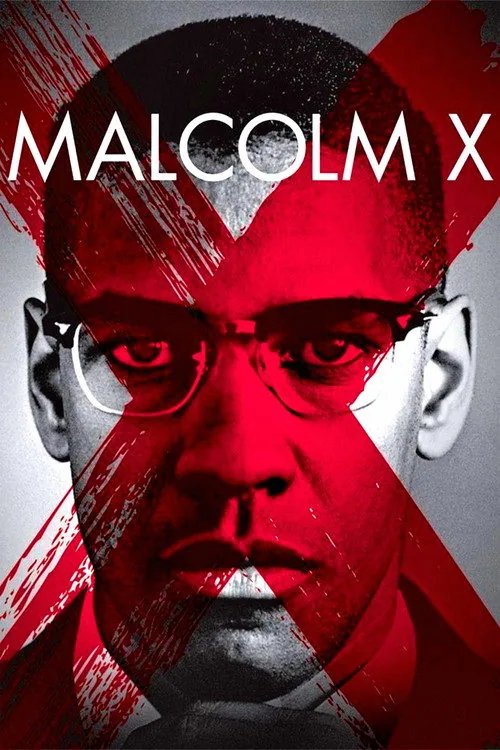
What changes Selma: strategic, escalating and collective. Malcolm X: a name change and religious transformation mark stages in a life shaped by racial violence and organizing..
Spike Lee’s biographical drama follows Malcolm Little from a childhood shaped by racial violence and family loss through his criminal years in Boston and Harlem. Imprisonment leads him to the Nation of Islam, where he becomes a prominent minister and adopts the name Malcolm X; later, a break with the organization and a pilgrimage to Mecca reshape his views. The film then follows his independent political work and assassination in 1965. Denzel Washington’s performance anchors a long, chaptered account based largely on The Autobiography of Malcolm X.
Based on recorded story, mood and style. Your preferences can change the order.
Political resistance
What changes Selma: strategic, escalating and collective. Exodus: Gods and Kings: epic.
A military leader raised beside Egypt's heir discovers that his origins connect him to the people the royal household enslaves. Exile creates a different domestic life before a divine command draws him back to demand their release. His confrontation with the ruler joins personal recognition to mass suffering, while the methods used to force liberation challenge any easy division between a leader's intention, a supernatural mandate and the consequences endured by others. The film reframes the Exodus as a brotherly political rupture, giving Moses a skeptical relationship to divine instruction.
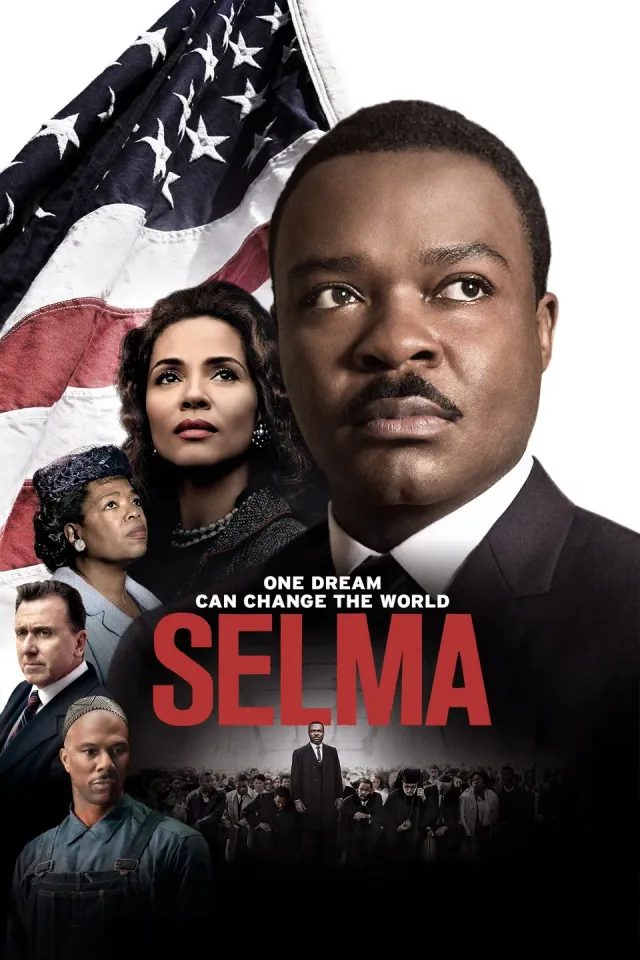
In 1965, Martin Luther King Jr. and civil-rights organizers focus their campaign on Selma, Alabama, where Black residents face systematic barriers to voter registration. The film follows strategy meetings, local organizing, confrontations with Sheriff Jim Clark’s officers and the attacks on marchers that draw national attention. King negotiates with President Lyndon Johnson while activists disagree over timing, tactics and the risks borne by people on the ground. The planned march from Selma to Montgomery becomes a public test of federal responsibility, local courage and the meaning of political pressure, ending with a speech before the state capitol.
What drives the story
The campaign turns local voter suppression into a national political crisis through organizing, repeated marches and strategic negotiation rather than a single heroic action.
The people at its centre
King’s public leadership is interwoven with local residents and movement colleagues; Coretta Scott King bears the private cost of surveillance, while the film’s King–Johnson relationship is a dramatized strand within wider organizing.
What it feels like
Crowd scenes and close, often physical confrontations place the viewer among marchers, while quieter planning scenes show how legal and political pressure are coordinated.
Worth knowing
A historical drama focused on the Selma voting-rights campaign; historians dispute aspects of its Johnson–King portrayal, and its compressed scenes should not be treated as a complete record of the movement.
JusticePolitical courageCommunity
Mood
Resolute · Grave · Hopeful
Pacing
Strategic · Escalating · Collective
Visual style
Crowd staging · Intimate confrontations · March imagery
Storytelling
Voting-rights campaign · Political organizing · Historical drama