Based on recorded story, mood and style. Your preferences can change the order.
Political resistance
What changes Rustin: deadline-driven, dialogue-rich, energetic and culminating. Selma: strategic, escalating and collective.
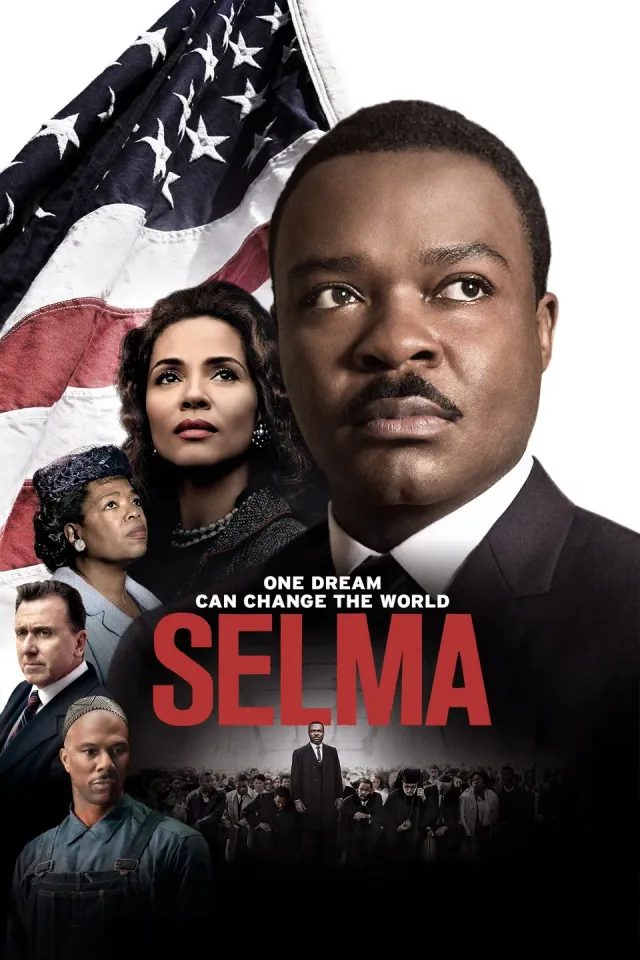
In 1965, Martin Luther King Jr. and civil-rights organizers focus their campaign on Selma, Alabama, where Black residents face systematic barriers to voter registration. The film follows strategy meetings, local organizing, confrontations with Sheriff Jim Clark’s officers and the attacks on marchers that draw national attention. King negotiates with President Lyndon Johnson while activists disagree over timing, tactics and the risks borne by people on the ground. The planned march from Selma to Montgomery becomes a public test of federal responsibility, local courage and the meaning of political pressure, ending with a speech before the state capitol.
Based on recorded story, mood and style. Your preferences can change the order.
Political resistance · Social hierarchy
What changes Rustin: deadline-driven, dialogue-rich, energetic and culminating. The Best of Enemies: meeting-centered debate, personal turning points and historical resolution.
In 1971 Durham, North Carolina, civil-rights organizer Ann Atwater campaigns for better conditions for Black residents while segregation shapes the schools and public life. After a school fire intensifies local conflict, organizer Bill Riddick asks Ann and Ku Klux Klan leader C. P. Ellis to co-chair a series of community meetings about desegregation. The dramatized account follows their antagonism, the deliberations, and the personal and political pressures surrounding the vote.
Based on recorded story, mood and style. Your preferences can change the order.
What changes Rustin: deadline-driven, dialogue-rich, energetic and culminating. Young Washington: measured and builds toward conflict.
The biographical drama follows George Washington as a young man before the presidency, focusing on his early military experience and the events that shape his public reputation. The story situates ambition within colonial Virginia and the conflict of the French and Indian War, tracking how a young officer confronts pressure, responsibility and consequential decisions. Rather than treating the founding figure as already complete, the film presents political leadership as something formed through risk, failure and experience.
Based on recorded story, mood and style. Your preferences can change the order.
Political resistance
What changes Rustin: deadline-driven, dialogue-rich, energetic and culminating. Two Days, One Night: compressed and steady.
Sandra learns that her factory colleagues have been offered a bonus in exchange for voting to eliminate her job. With only a weekend to change their minds, she visits each coworker and asks them to reconsider, while managing illness and fragile confidence. Jean-Pierre and Luc Dardenne's drama turns a workplace vote into an intimate portrait of solidarity, pressure and the value attached to one person's labour.
Based on recorded story, mood and style. Your preferences can change the order.
Political resistance
What changes Rustin: deadline-driven, dialogue-rich, energetic and culminating. The Butler: chronological and interwoven.
Cecil Gaines recounts a life spent working in the White House, moving from a childhood shaped by racial violence in the South to decades serving successive presidents. His private life and the civil-rights movement unfold alongside one another, sometimes placing his gradual approach to change beside the more direct activism of his son. Lee Daniels frames the period drama around family, service and competing ideas of political progress.
Based on recorded story, mood and style. Your preferences can change the order.
Political resistance · Social hierarchy
What changes Rustin: deadline-driven, dialogue-rich, energetic and culminating. Marshall: case-driven, investigative preparation and courtroom escalation.
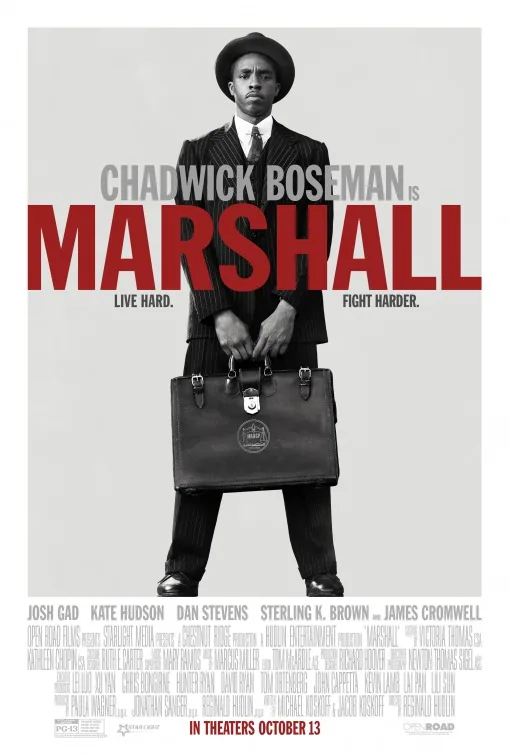
In 1940, young NAACP lawyer Thurgood Marshall travels to Connecticut to defend Joseph Spell, a Black chauffeur accused of assaulting and raping his white employer. The trial court bars Marshall from speaking, so he works with local Jewish lawyer Sam Friedman, who has little experience with criminal defense. The two build a strategy while facing racial prejudice, hostile witnesses and limits on what the courtroom will hear. The case becomes an early test of Marshall’s legal practice and public resolve.
Based on recorded story, mood and style. Your preferences can change the order.
Political resistance · Memory and identity
What changes Rustin: deadline-driven, dialogue-rich, energetic and culminating. One Night in Miami...: parallel character introductions, confined single-night structure, argument escalates through changing alliances and forward-looking close.
On February 25, 1964, Cassius Clay defeats Sonny Liston in Miami and celebrates privately with Malcolm X, soul singer Sam Cooke, and football star Jim Brown at the Hampton House. Their gathering turns into a debate about what Black achievement demands from public figures, as Malcolm urges his friends to challenge racism while Cooke and Brown weigh their own approaches and responsibilities. Regina King’s chamber drama imagines this meeting as an intimate account of friendship, conviction, fame, and political pressure.
Based on recorded story, mood and style. Your preferences can change the order.
Memory and identity
What changes Rustin: deadline-driven, dialogue-rich, energetic and culminating. Stronger: before-and-after structure, rehabilitation and family pressure and gradual personal adjustment.
Boston resident Jeff Bauman goes to the 2013 marathon finish line to support his former girlfriend Erin, who is running for charity. He survives the bombing but loses both legs, and the sudden public attention makes his recovery more complicated than a simple heroic story. Jeff and Erin struggle with changed roles, anger, and the demands of being treated as a symbol. Based on Bauman's memoir, the drama follows the physical and emotional aftermath of trauma while focusing on the relationship that must adapt alongside his rehabilitation.
Based on recorded story, mood and style. Your preferences can change the order.
What changes Rustin: deadline-driven, dialogue-rich, energetic and culminating. Hidden Figures: steady and escalating.
At NASA’s segregated Langley center, mathematician Katherine Johnson, computing-unit leader Dorothy Vaughan and aspiring engineer Mary Jackson confront different barriers to work they are qualified to do. The space race creates demand for their expertise but does not automatically grant access, credit or promotion; each woman develops a distinct strategy, and their friendship makes those efforts more sustainable. The film compresses events and invents the composite supervisor Al Harrison. NASA historians have also noted that the famous bathroom walk was a real kind of injustice but not an event that happened to Johnson as shown. The drama’s momentum should not turn institutional change into a gift from one benevolent manager.
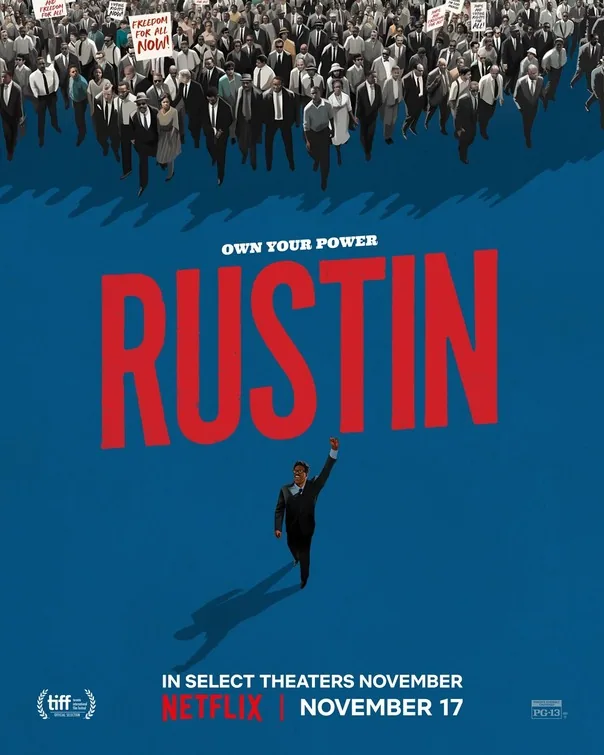
Bayard Rustin is an experienced organizer whose commitment to nonviolent protest and racial equality shapes the planning of the 1963 March on Washington. Although his strategic ability is crucial, his sexuality and past political associations leave him vulnerable to attacks from opponents and uneasy allies. George C. Wolfe’s drama follows Rustin as he builds coalitions with A. Philip Randolph, Martin Luther King Jr. and a wide network of activists to turn an ambitious demonstration into a mass event.
What drives the story
Rustin organizes a national march while negotiating with allies, political leaders and opponents who seek to limit his influence.
The people at its centre
Rustin turns exclusion into focused leadership, accepting help from a coalition while insisting on his place within the movement.
What it feels like
The film foregrounds the strategic labor behind a historic march and gives a frequently sidelined organizer the central role.
Worth knowing
A historical political drama for viewers interested in civil rights organizing, coalition-building and a forceful lead performance.