Explore films connected to Marshall through racial injustice, legal strategy, professional partnership. Choose the qualities you want to carry into your next watch.
What should feel similar?
Find your next favourite
9 films · Closest overall matches
Hide films you’ve seen or don’t want. Saved on this device.
No matches for this combination yet.
Try another option or reset your choices to see more films.
Based on recorded story, mood and style. Your preferences can change the order.
Political resistance
What changes Marshall: case-driven, investigative preparation and courtroom escalation. Just Mercy: a case-by-case procedural builds toward a difficult appeal.
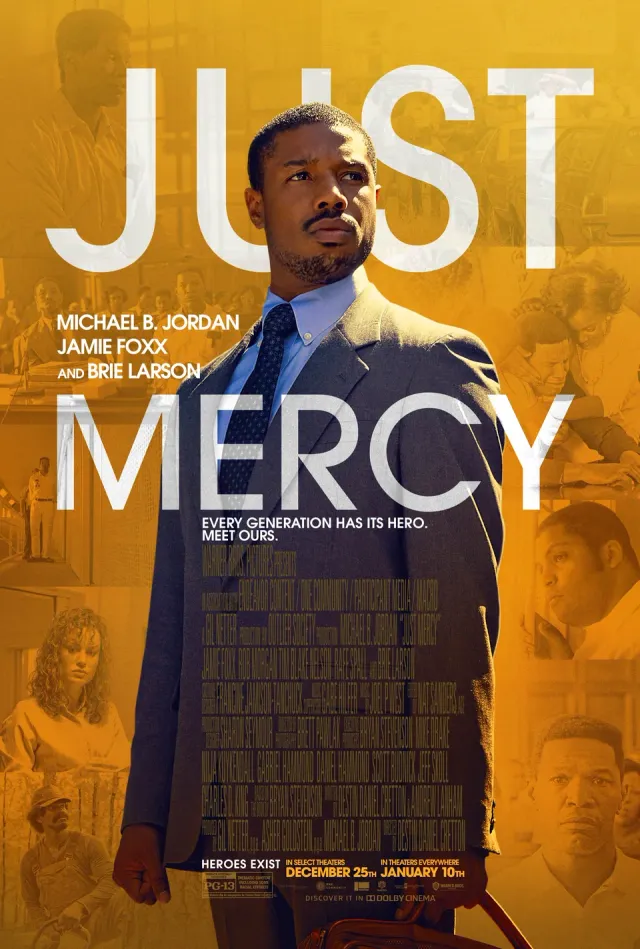
Young lawyer Bryan Stevenson travels to Alabama to defend people who cannot afford representation and takes up Walter McMillian’s case after a questionable murder conviction. The legal fight reveals suppressed evidence, racial bias and the unequal power of the state. Adapted from Stevenson’s memoir, the drama follows the patient work of investigation and advocacy while showing how one case reflects a much wider pattern.
Based on recorded story, mood and style. Your preferences can change the order.
What changes Marshall: case-driven, investigative preparation and courtroom escalation. The Lincoln Lawyer: case investigation and courtroom turns.
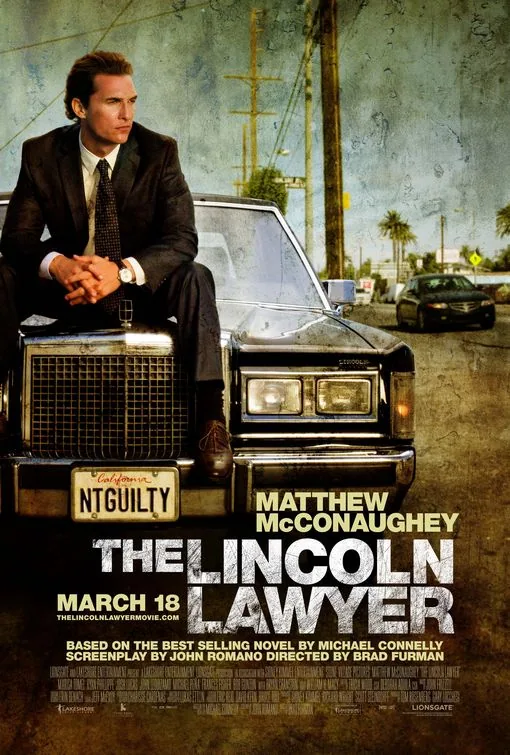
Defense attorney Mickey Haller runs his practice from the back seat of a Lincoln and takes a high-profile case involving wealthy client Louis Roulet, accused of assaulting a woman. The evidence seems to offer Mickey a chance at a lucrative, straightforward defense, but similarities to an older case begin to unsettle his certainty. As he investigates, he must navigate legal ethics, pressure from prosecutors and the safety of those close to him. Brad Furman’s adaptation turns courtroom procedure into a moral thriller about what a defense lawyer can know and what client confidentiality may require him to protect.
Based on recorded story, mood and style. Your preferences can change the order.
Political resistance
What changes Marshall: case-driven, investigative preparation and courtroom escalation. The Rainmaker: procedural, character-led and building to trial.
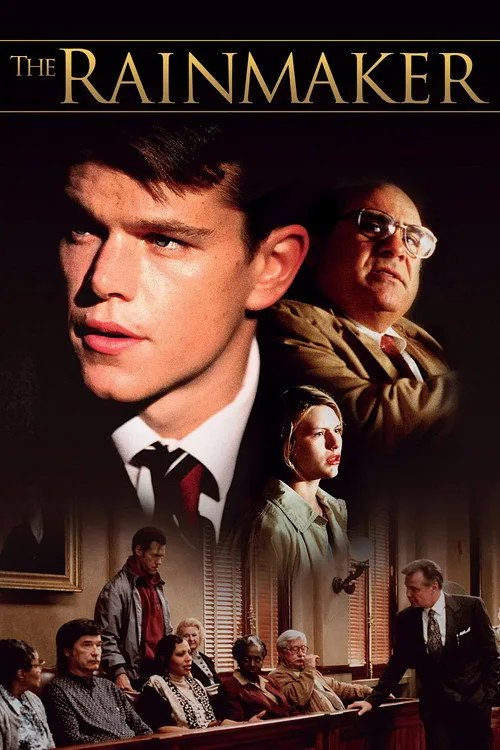
Newly licensed lawyer Rudy Baylor opens a small practice with paralegal Deck Shifflet after his first employer disappears during an FBI raid. They take a case for a Memphis family whose insurer denied treatment that might have saved their son. Rudy faces a formidable legal team while also helping Kelly Riker, a hospital patient experiencing domestic abuse. Francis Ford Coppola’s adaptation of John Grisham’s novel follows a novice advocate confronting institutional power, courtroom strategy, and difficult choices beyond the trial.
Based on recorded story, mood and style. Your preferences can change the order.
Political resistance · Power and authority
What changes Marshall: case-driven, investigative preparation and courtroom escalation. The Best of Enemies: meeting-centered debate, personal turning points and historical resolution.
In 1971 Durham, North Carolina, civil-rights organizer Ann Atwater campaigns for better conditions for Black residents while segregation shapes the schools and public life. After a school fire intensifies local conflict, organizer Bill Riddick asks Ann and Ku Klux Klan leader C. P. Ellis to co-chair a series of community meetings about desegregation. The dramatized account follows their antagonism, the deliberations, and the personal and political pressures surrounding the vote.
Based on recorded story, mood and style. Your preferences can change the order.
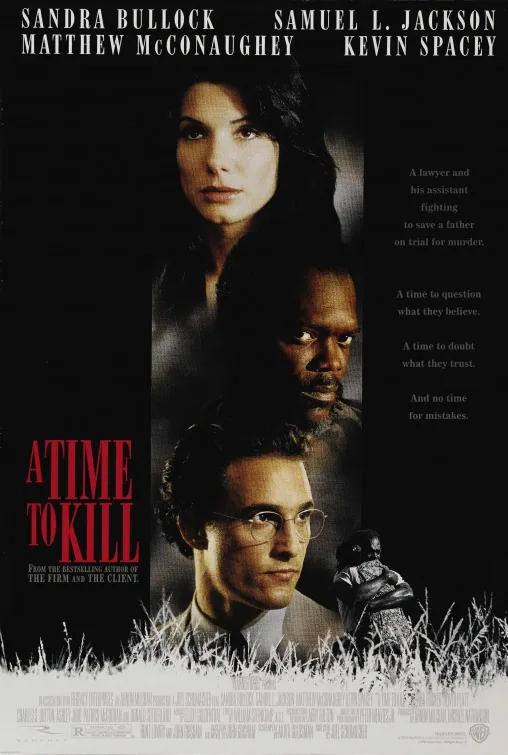
What changes Marshall: case-driven, investigative preparation and courtroom escalation. A Time to Kill: escalating.
After a Black girl is brutally attacked in Mississippi, her father kills the accused men and faces a murder trial. A young white lawyer agrees to defend him as racial intimidation and public anger spread beyond the courtroom. Preparing the case endangers colleagues and family, turning a legal argument about responsibility into a confrontation with the unequal sympathy and institutional power shaping the surrounding community.
Based on recorded story, mood and style. Your preferences can change the order.
Political resistance
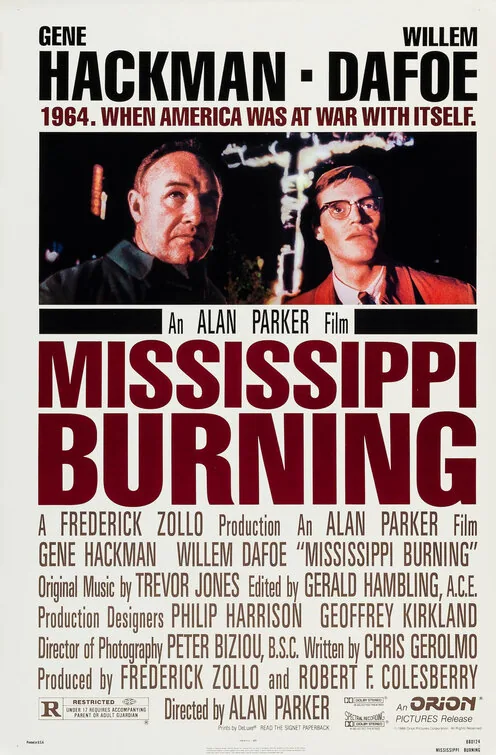
What changes Marshall: case-driven, investigative preparation and courtroom escalation. Mississippi Burning: slow burn and escalating.
In 1964, FBI agents Alan Ward and Rupert Anderson investigate the disappearance of three civil-rights workers in fictional Jessup County, Mississippi. Local law enforcement obstructs the inquiry and is tied to the Ku Klux Klan. Ward's formal approach and Anderson's local knowledge clash as intimidation prevents residents from speaking. A witness's family is attacked, and Anderson builds a relationship with Deputy Pell's wife, whose testimony helps locate the victims' bodies. The agents pursue federal civil-rights charges when local courts will not deliver justice, using coercive tactics that raise questions about the investigation even as the film frames the case as a reckoning with racist violence.
Based on recorded story, mood and style. Your preferences can change the order.
Power and authority · Social hierarchy
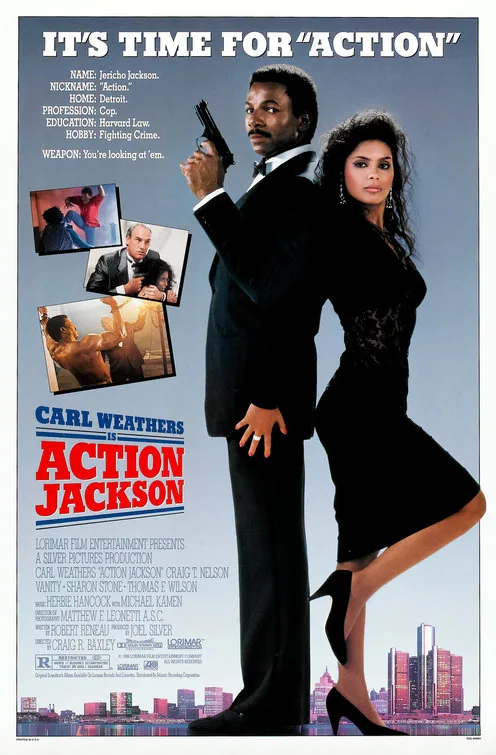
What changes Marshall: case-driven, investigative preparation and courtroom escalation. Action Jackson: action-procedural structure, witness alliance and pursuit sequences and showdown.
Detroit detective Jericho Jackson was demoted after a case involving businessman Peter Dellaplane’s son destroyed his standing and marriage. He continues investigating Dellaplane, whose industrial power is linked to murders of union officials and a group of hired assassins. When Jackson is framed for another killing, he goes on the run with help from neighborhood allies and Dellaplane’s partner Sydney Ash. The investigation becomes a fight to expose a corporate crime network while surviving police pursuit, mixing action spectacle with a story about labor, political influence and a detective forced outside the department.
Based on recorded story, mood and style. Your preferences can change the order.
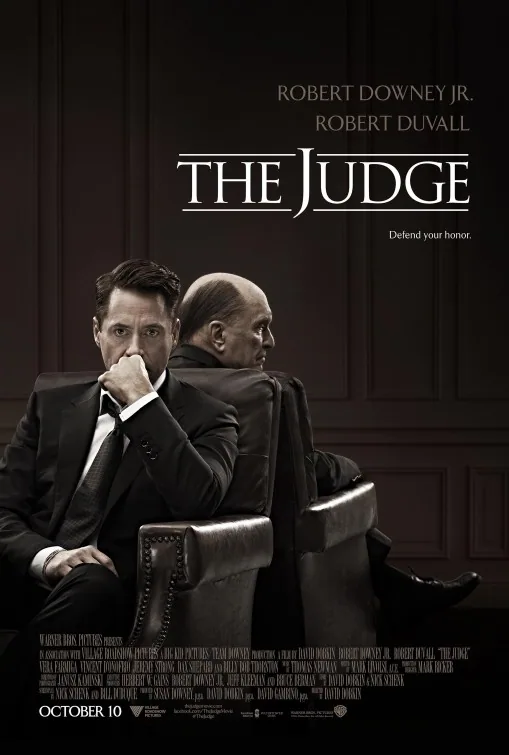
What changes Marshall: case-driven, investigative preparation and courtroom escalation. The Judge: courtroom conflict and family revelations.
Chicago defense lawyer Hank Palmer returns to his Indiana hometown for his mother’s funeral and immediately clashes with his father, the respected local Judge Joseph Palmer. When the judge’s car is found damaged and he is accused of a fatal hit-and-run, Hank stays to defend him despite years of estrangement. The case forces father and son into the same room while the family revisits old grievances, including the childhood accident that shaped Hank’s relationship with his brother Glen. Hank’s younger brother Dale, his marriage and the judge’s declining health complicate the proceedings. The courtroom story becomes a test of whether the two men can recognize what they owe one another before the case ends.
Based on recorded story, mood and style. Your preferences can change the order.
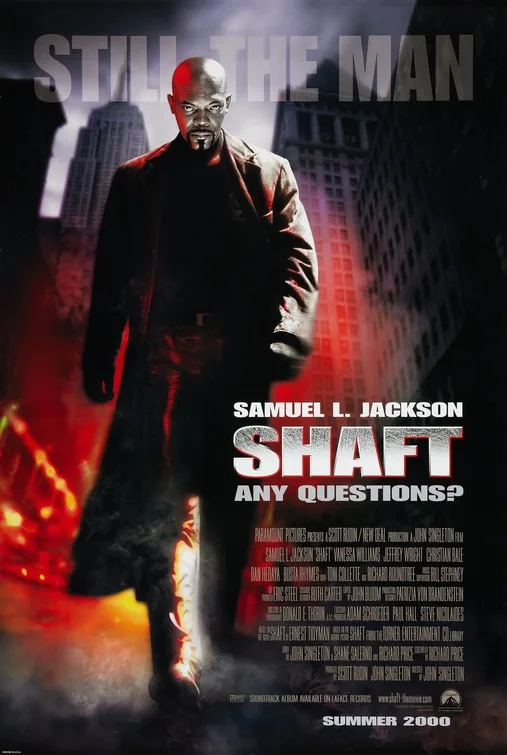
What changes Marshall: case-driven, investigative preparation and courtroom escalation. Shaft: steady and action-driven.
Detective John Shaft returns to the streets after a wealthy young man accused of a racist killing is released on bail. Shaft pursues the witness who can strengthen the case while the suspect’s powerful family uses money and intimidation to shape events. The story treats justice as a contest over who can protect a witness and control the city’s public narrative.
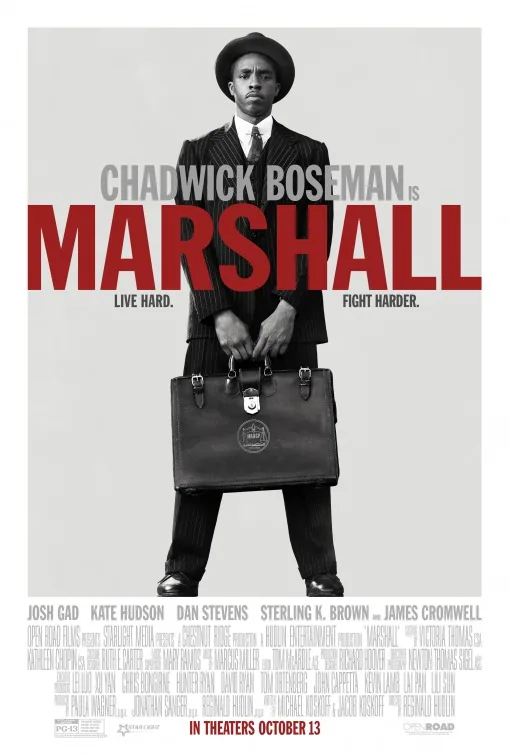
In 1940, young NAACP lawyer Thurgood Marshall travels to Connecticut to defend Joseph Spell, a Black chauffeur accused of assaulting and raping his white employer. The trial court bars Marshall from speaking, so he works with local Jewish lawyer Sam Friedman, who has little experience with criminal defense. The two build a strategy while facing racial prejudice, hostile witnesses and limits on what the courtroom will hear. The case becomes an early test of Marshall’s legal practice and public resolve.
What drives the story
Marshall and Friedman try to secure a fair defense for Joseph Spell within a court that restricts Marshall’s role and reflects the era’s racial bias.
The people at its centre
Marshall’s experience and urgency contrast with Friedman’s local knowledge and hesitation, and their working partnership changes both lawyers.
What it feels like
Legal investigation and courtroom argument show how strategy can confront injustice even when institutional rules are unequal.
Worth knowing
It depicts a specific early NAACP defense and the partnership behind it, rather than a broad biographical account of Marshall’s later Supreme Court career.