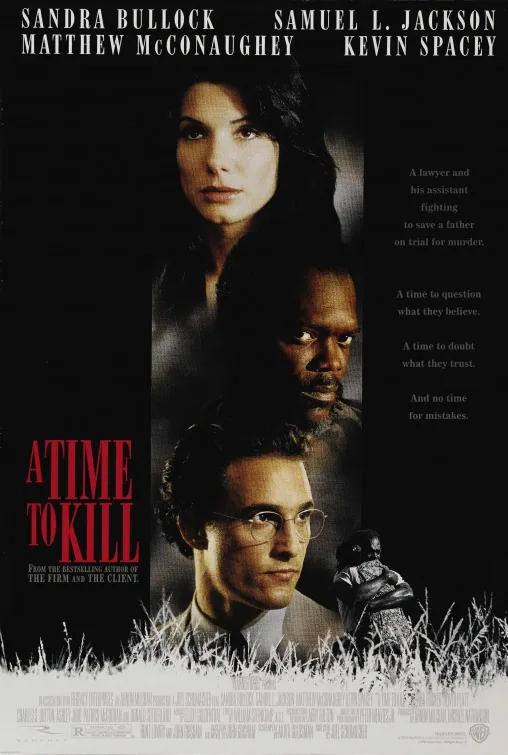
A heated adult courtroom drama follows a Mississippi lawyer defending a Black father who kills the men accused of attacking his daughter, as racist intimidation pressures the defense and divides the community.
What should feel similar?
Find your next favourite
5 films · Closest overall matches
Hide films you’ve seen or don’t want. Saved on this device.
No matches for this combination yet.
Try another option or reset your choices to see more films.
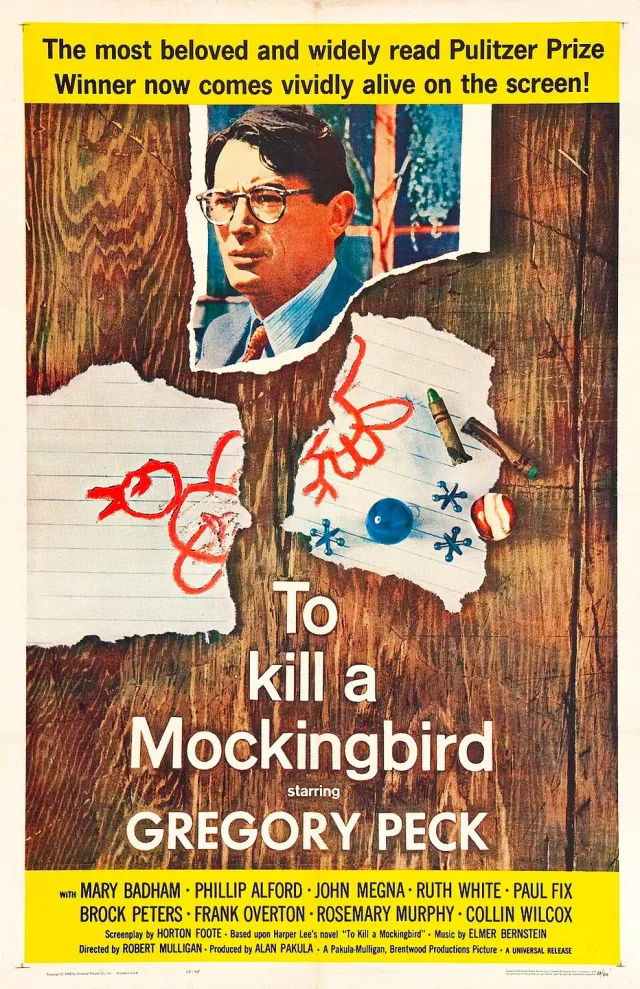
A child's imaginative account of local danger is transformed by a trial in which publicly available evidence cannot overcome entrenched racial authority.
Why this matches +
A heated adult courtroom drama follows a Mississippi lawyer defending a Black father who kills the men accused of attacking his daughter, as racist intimidation pressures the defense and divides the community.
Genres: Crime / Drama
Shared film traits
Based on recorded story, mood and style. Your preferences can change the order.
What changes The charge and defense differ, and Scout’s childhood perspective gives the story a quieter rhythm than the contemporary legal thriller.
Children growing up in a Depression-era Alabama town turn a reclusive neighbour into the subject of stories and dares. Their father's defence of a Black man accused of assault brings them into contact with the racial violence and social expectations those childhood games have not prepared them to understand. The trial's evidence and the community's response expose a painful gap between a principled adult's example and the power of the surrounding system.
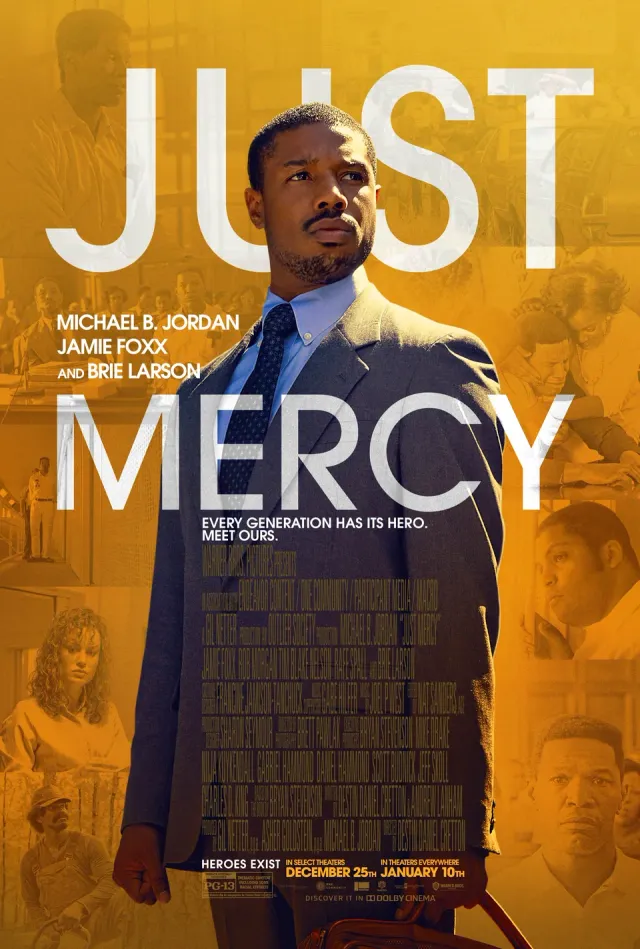
Bryan’s first meetings with Walter turn a legal file into a relationship grounded in listening.
Why this matches +
A heated adult courtroom drama follows a Mississippi lawyer defending a Black father who kills the men accused of attacking his daughter, as racist intimidation pressures the defense and divides the community.
Genres: Biography / Drama
Shared film traits
Based on recorded story, mood and style. Your preferences can change the order.
Investigation
What changes The case concerns a wrongful conviction and appeals rather than a father who admits the killings and faces a jury.
Young lawyer Bryan Stevenson travels to Alabama to defend people who cannot afford representation and takes up Walter McMillian’s case after a questionable murder conviction. The legal fight reveals suppressed evidence, racial bias and the unequal power of the state. Adapted from Stevenson’s memoir, the drama follows the patient work of investigation and advocacy while showing how one case reflects a much wider pattern.
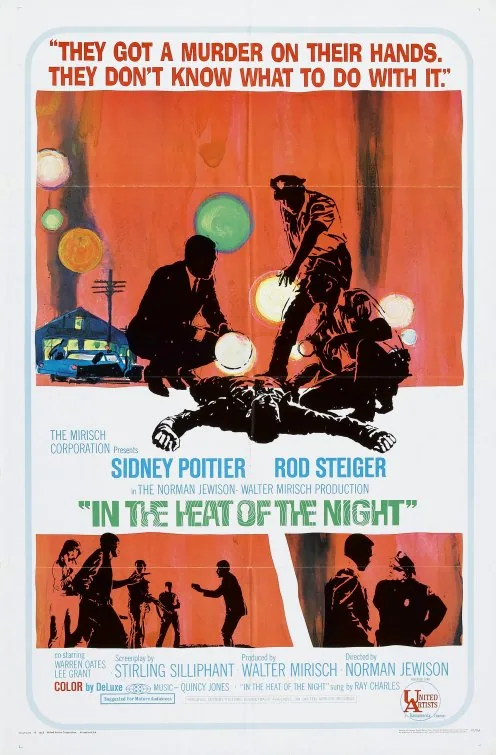
A murder investigation repeatedly stalls because local power and racist assumptions determine whom the authorities are prepared to suspect.
Why this matches +
Pair notes identify differences in structure, tone, and audience.
An adjacent discovery: a related idea with a different viewing experience.
Genres: Crime / Drama
Shared film traits
Based on recorded story, mood and style. Your preferences can change the order.
Investigation
What changes A Black detective investigates the murder alongside a local police chief, away from the courtroom and the defense of a father’s retaliation.
A Black homicide detective passing through a Mississippi town is arrested after a wealthy visitor is found dead. Once his profession is established, local authorities reluctantly accept his help, but his expertise does not protect him from racist hostility. The investigation requires an uneasy partnership with the white police chief, forcing both men to confront how pride, prejudice and local influence distort the search for evidence.
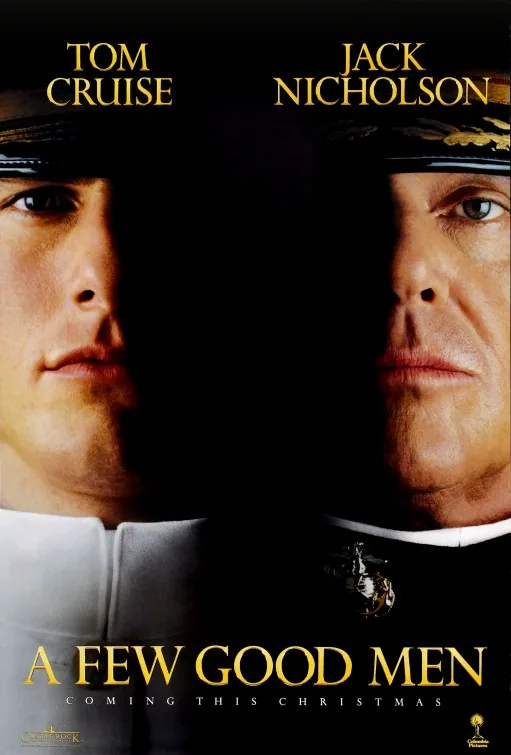
A military defense case turns on proving whether an unofficial punishment originated within the chain of command.
Why this matches +
Pair notes identify differences in structure, tone, and audience.
An adjacent discovery: a related idea with a different viewing experience.
Genres: Drama / Thriller
Shared film traits
Based on recorded story, mood and style. Your preferences can change the order.
Investigation
What changes Military hierarchy and disputed orders drive the case, without the Mississippi setting or racist intimidation.
A young Navy lawyer known for negotiating deals is assigned to defend two Marines accused of killing a fellow serviceman during an unofficial disciplinary action. Working with a demanding colleague and another defense lawyer, he investigates the command culture surrounding the death. Building a case requires confronting the gap between obedience to authority and responsibility for what an order actually does.
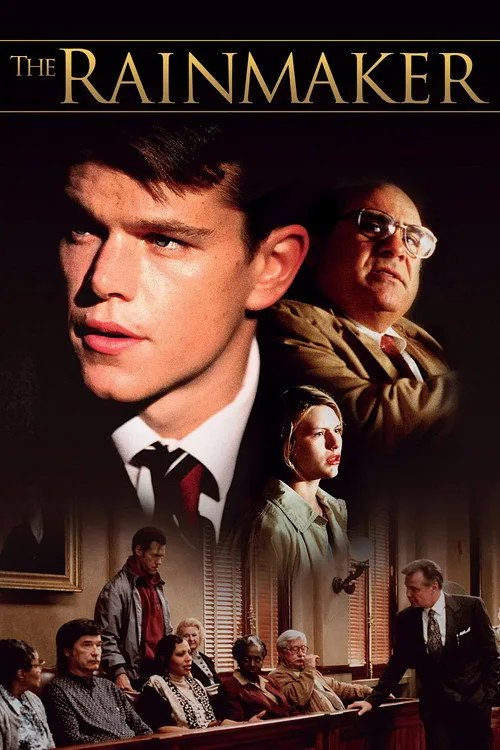
A novice lawyer challenges an insurer that denied treatment to a terminally ill young man while building a fragile practice.
Why this matches +
Pair notes identify differences in structure, tone, and audience.
An adjacent discovery: a related idea with a different viewing experience.
Genres: Drama / Crime
Shared film traits
Based on recorded story, mood and style. Your preferences can change the order.
Investigation
What changes The central dispute is civil insurance misconduct rather than a racially charged murder defense.
Newly licensed lawyer Rudy Baylor opens a small practice with paralegal Deck Shifflet after his first employer disappears during an FBI raid. They take a case for a Memphis family whose insurer denied treatment that might have saved their son. Rudy faces a formidable legal team while also helping Kelly Riker, a hospital patient experiencing domestic abuse. Francis Ford Coppola’s adaptation of John Grisham’s novel follows a novice advocate confronting institutional power, courtroom strategy, and difficult choices beyond the trial.
After a Black girl is brutally attacked in Mississippi, her father kills the accused men and faces a murder trial. A young white lawyer agrees to defend him as racial intimidation and public anger spread beyond the courtroom. Preparing the case endangers colleagues and family, turning a legal argument about responsibility into a confrontation with the unequal sympathy and institutional power shaping the surrounding community.
What drives the story
A retaliatory killing produces a defense case whose legal questions are inseparable from racist intimidation and unequal public identification with the victims.
The people at its centre
The defendant's trust in his lawyer is tested by their different racial positions, while professional allies face personal costs for remaining involved.
What it feels like
Courtroom preparation and argument alternate with threats and public violence, combining moral confrontation with a conventional suspenseful legal-drama structure.
Worth knowing
Compare racialized legal accountability after revenge rather than treating the film's advocacy framing or emotional courtroom strategies as an objective resolution of the ethical problem.