The murder investigation becomes a fight over whether evidence can survive the pressure of a state that wants the crime reduced to a private or accidental act.
Why this matches +
These offer a related experience with a meaningful difference in story, tone, or presentation.
An adjacent discovery: a related idea with a different viewing experience.
Genres: Drama / Thriller
Shared film traits
Based on recorded story, mood and style. Your preferences can change the order.
Political resistance
What changes A political killing leads to a high-stakes investigation and legal struggle over state power, public protest and accountability.
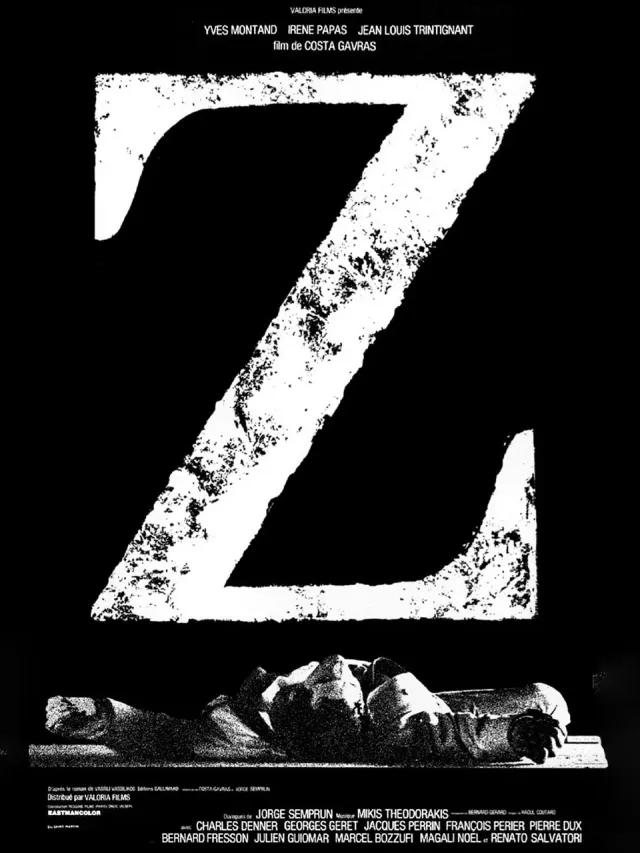
After a prominent Greek left-wing politician is attacked and dies following a public rally, a magistrate investigates the case despite pressure from officials who want it contained. Journalists and witnesses help expose the gap between the public account and the network of people who planned and concealed the violence. Costa-Gavras shapes the story as a political investigation, using an unnamed country and documentary-like urgency to connect individual testimony with institutional complicity. The title’s protest slogan becomes both a demand to remember the victim and a challenge to an attempted cover-up. Its reportorial momentum makes the investigation itself the chief source of suspense.
The campaign turns local voter suppression into a national political crisis through organizing, repeated marches and strategic negotiation rather than a single heroic action.
Why this matches +
These offer a related experience with a meaningful difference in story, tone, or presentation.
An adjacent discovery: a related idea with a different viewing experience.
Genres: Drama / Biography
Shared film traits
Based on recorded story, mood and style. Your preferences can change the order.
Political resistance
What changes Activists organize public demonstrations while facing state resistance and internal debate over strategy and leadership.
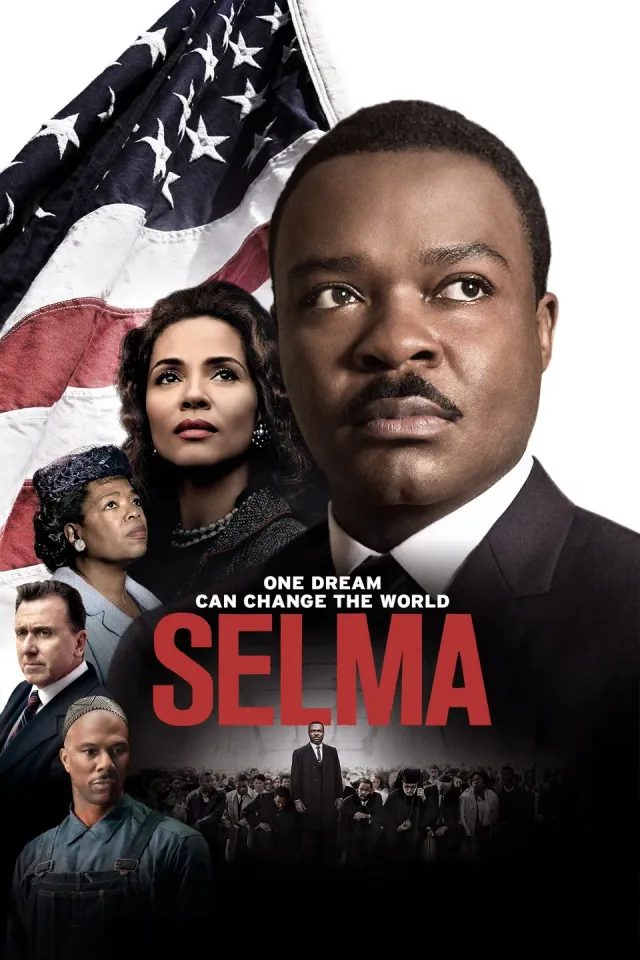
In 1965, Martin Luther King Jr. and civil-rights organizers focus their campaign on Selma, Alabama, where Black residents face systematic barriers to voter registration. The film follows strategy meetings, local organizing, confrontations with Sheriff Jim Clark’s officers and the attacks on marchers that draw national attention. King negotiates with President Lyndon Johnson while activists disagree over timing, tactics and the risks borne by people on the ground. The planned march from Selma to Montgomery becomes a public test of federal responsibility, local courage and the meaning of political pressure, ending with a speech before the state capitol.
Jones and his small team examine a vast record and try to substantiate what the CIA did during interrogation.
Why this matches +
These offer a related experience with a meaningful difference in story, tone, or presentation.
An adjacent discovery: a related idea with a different viewing experience.
Genres: Drama / History
Shared film traits
Based on recorded story, mood and style. Your preferences can change the order.
Political resistance
What changes An investigator challenges government secrecy through evidence and public accountability while political institutions resist scrutiny.
In 2009, Senate staffer Daniel Jones is asked to review millions of pages of CIA records about the agency's post-9/11 interrogation program. Working with a small team, he documents how officials authorized and described the practices, while facing delays, political pressure, and resistance from the intelligence agency. Senator Dianne Feinstein backs the inquiry, but the report's publication becomes a struggle of its own. The political drama follows the patient work of assembling evidence and making an official record public.
The informant arrangement makes every act of trust vulnerable to surveillance.
Why this matches +
These offer a related experience with a meaningful difference in story, tone, or presentation.
An adjacent discovery: a related idea with a different viewing experience.
Genres: Biography / Crime
Shared film traits
Based on recorded story, mood and style. Your preferences can change the order.
Political resistance
What changes A historical political drama follows Black activists targeted by federal authorities, exposing conflict between protest and institutional power.
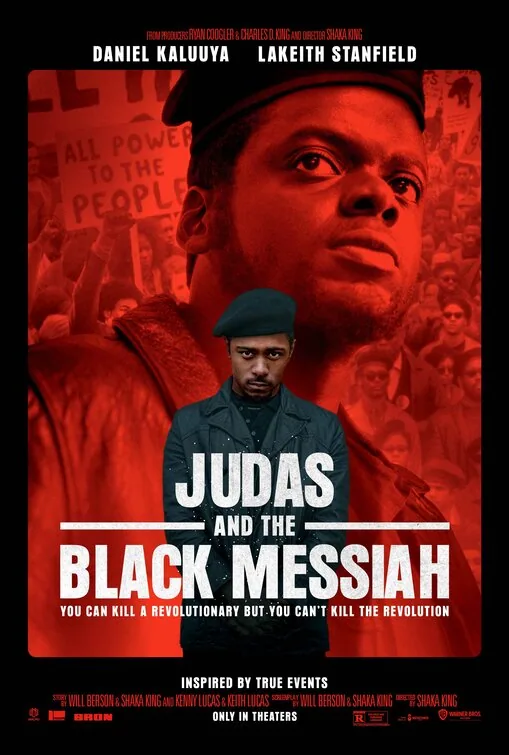
FBI informant William O’Neal infiltrates the Illinois Black Panther Party and grows close to its chairman Fred Hampton. The film follows the pressure between O’Neal’s coercive bargain with federal agents and Hampton’s political organizing, community programs, and coalition-building. Its dual focus keeps personal betrayal beside institutional power, asking how surveillance and self-preservation shape lives during a charged historical moment.
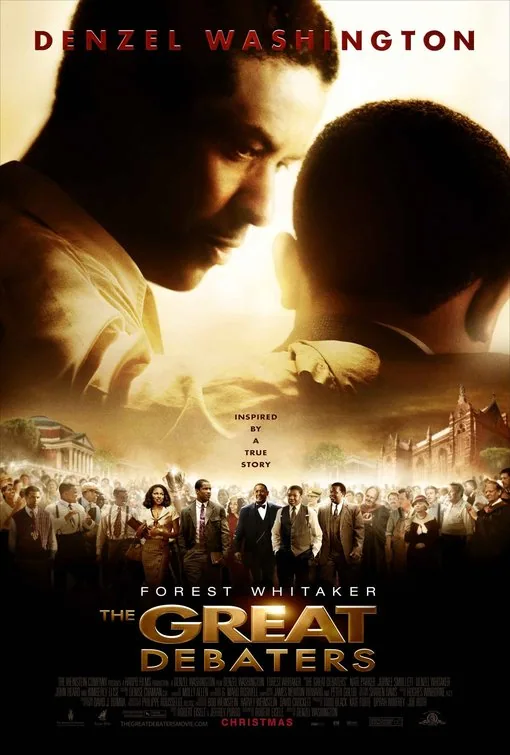
A professor trains students for debate while segregation shapes which institutions they can challenge and the risks they face along the way.
Why this matches +
These offer a related experience with a meaningful difference in story, tone, or presentation.
An adjacent discovery: a related idea with a different viewing experience.
Genres: Drama / Biography
Shared film traits
Based on recorded story, mood and style. Your preferences can change the order.
Political resistance
What changes Debate and courtroom-style argument become tools for challenging racial injustice and asserting political rights in a historical ensemble drama.
In 1930s Texas, a professor builds a debate team at a Black college and prepares students to compete against institutions that exclude them from equal standing. Their research, rehearsal and travel expose them to racism and danger beyond the classroom, so intellectual argument becomes both an academic discipline and a public act of resistance. The drama links individual confidence with collective preparation, following young speakers whose success challenges the terms on which they are invited to participate.
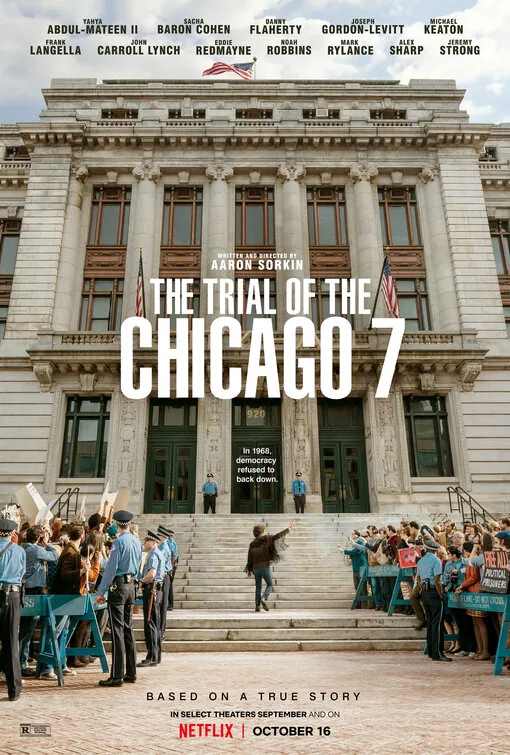
After the 1968 Democratic National Convention protests, seven activists and Black Panther chairman Bobby Seale face federal charges related to an alleged conspiracy to incite a riot. The courtroom becomes a stage for disputes over protest, political power and the rules of justice, while the defendants clash over strategy and public image. Aaron Sorkin uses a quick ensemble rhythm and pointed dialogue to turn a historic trial into an accessible political drama.
What drives the story
The trial’s legal questions are inseparable from the state’s attempt to define protest as criminal.
The people at its centre
The defendants’ conflicting tactics make the group feel politically diverse rather than unified.
What it feels like
Cross-cutting between court and protest keeps history moving through argument and action.
Worth knowing
Its fast exchanges favor viewers who enjoy dialogue-led political history.