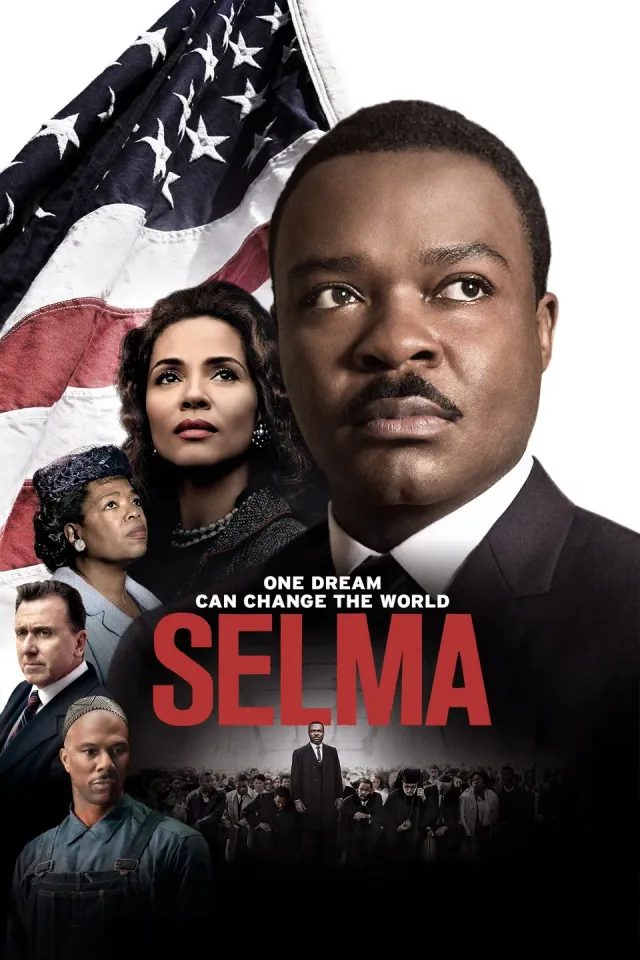
The campaign turns local voter suppression into a national political crisis through organizing, repeated marches and strategic negotiation rather than a single heroic action.
Why this matches +
Selected for the central appeal: Harvey Milk builds a political coalition for gay rights while public responsibilities strain his private life.
Genres: Drama / Biography
Shared film traits
Based on recorded story, mood and style. Your preferences can change the order.
Political resistance
What changes A civil rights leader builds coalitions, organizes public action and confronts entrenched political opposition to equality.
In 1965, Martin Luther King Jr. and civil-rights organizers focus their campaign on Selma, Alabama, where Black residents face systematic barriers to voter registration. The film follows strategy meetings, local organizing, confrontations with Sheriff Jim Clark’s officers and the attacks on marchers that draw national attention. King negotiates with President Lyndon Johnson while activists disagree over timing, tactics and the risks borne by people on the ground. The planned march from Selma to Montgomery becomes a public test of federal responsibility, local courage and the meaning of political pressure, ending with a speech before the state capitol.
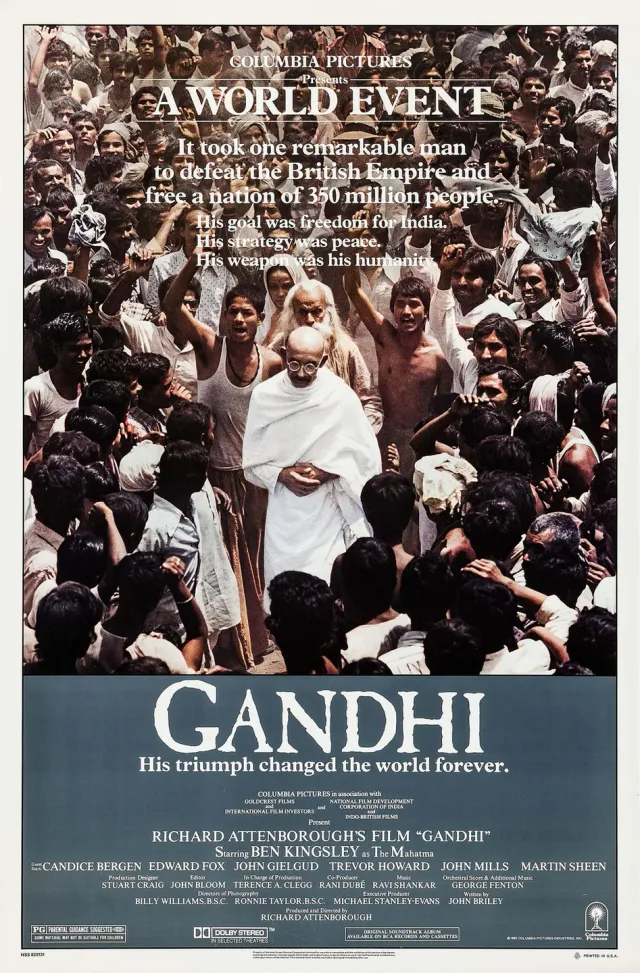
A political biography follows the effort to turn principled nonviolence into a mass practice under colonial pressure and internal disagreement.
Why this matches +
These offer a related experience with a meaningful difference in story, tone, or presentation.
An adjacent discovery: a related idea with a different viewing experience.
Genres: Drama / Biography
Shared film traits
Based on recorded story, mood and style. Your preferences can change the order.
Political resistance
What changes A movement leader turns community organizing and public visibility into sustained resistance against entrenched discrimination.
A lawyer confronting racial exclusion in South Africa develops methods of collective resistance that he later brings to the struggle against British rule in India. Political organising connects imprisonment, public protest and negotiation to experiments in personal discipline and nonviolence. Expanding influence does not give him complete control over the movement or the divisions within the society he hopes to change, making national independence inseparable from conflicts that persist beyond the apparent goal.
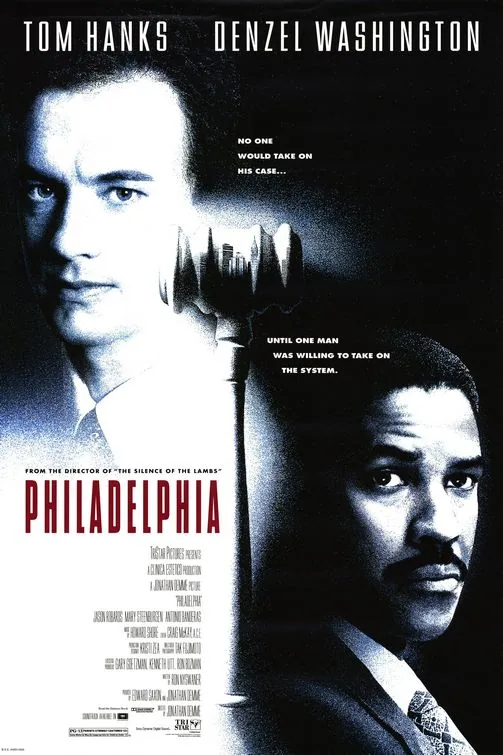
A wrongful-dismissal lawsuit requires proof that an apparently professional decision conceals prejudice, while the claimant's worsening illness makes legal procedure emotionally urgent.
Why this matches +
These offer a related experience with a meaningful difference in story, tone, or presentation.
An adjacent discovery: a related idea with a different viewing experience.
Genres: Drama / LGBTQ-related
Shared film traits
Based on recorded story, mood and style. Your preferences can change the order.
What changes A gay man fights institutional discrimination while personal relationships and public advocacy become inseparable.
A successful lawyer who has concealed his AIDS diagnosis is dismissed after a disputed failure at work. Believing the explanation masks discrimination, he seeks representation from a lawyer whose own fear and prejudice initially make assistance unlikely. Preparing and trying the case turns professional evidence into a demand for public dignity, while illness gives each delay a personal cost and exposes the difference between legal sympathy and actual acceptance.
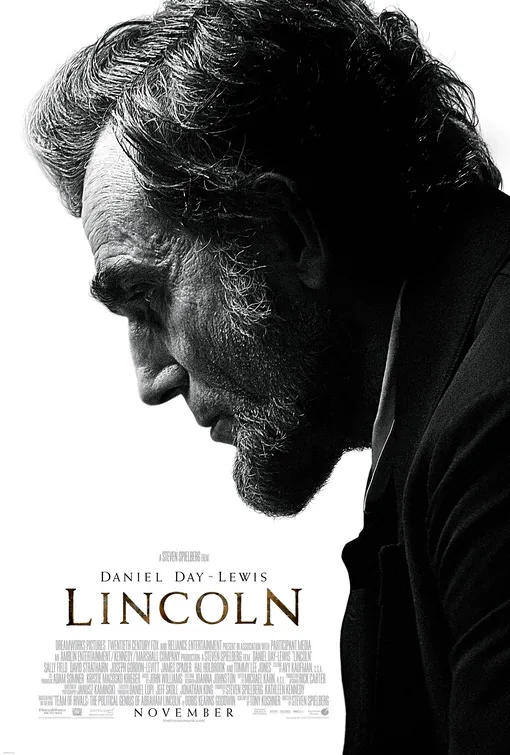
A narrowing legislative window turns vote gathering into the central action, with peace negotiations threatening the timing of constitutional change.
Why this matches +
These offer a related experience with a meaningful difference in story, tone, or presentation.
An adjacent discovery: a related idea with a different viewing experience.
Genres: Drama / Biography
Shared film traits
Based on recorded story, mood and style. Your preferences can change the order.
What changes Political allies negotiate institutional power and personal conviction while seeking transformative change against determined opposition.
Near the end of the American Civil War, a president tries to secure congressional approval for an amendment abolishing slavery before shifting political circumstances can defeat it. The effort relies on argument, patronage, pressure and unstable alliances rather than a single decisive speech. Cabinet disputes and family grief frame the practical question of how an indispensable moral change can pass through institutions shaped by compromise and unequal power.
An overlooked employee turns a paperwork anomaly into an investigation whose strength depends on linking personal testimony with evidence of corporate knowledge.
Why this matches +
These offer a related experience with a meaningful difference in story, tone, or presentation.
An adjacent discovery: a related idea with a different viewing experience.
Genres: Drama / Biography
Shared film traits
Based on recorded story, mood and style. Your preferences can change the order.
What changes An unlikely advocate organizes affected people to challenge a powerful institution and make overlooked harm visible.
A single mother with limited formal qualifications obtains work in a small law office and follows inconsistencies in a property file towards evidence of contaminated water. Listening to affected residents supplies connections that an apparently routine transaction has obscured, but building a case requires records, trust and time she also owes her children. Her insistence on being taken seriously becomes inseparable from recognising the households whose experiences have been discounted by a much more powerful company.
After moving to San Francisco with his partner, Harvey Milk turns a neighbourhood camera shop into a gathering place for a politically marginalised community. Repeated electoral defeats become lessons in coalition building, public visibility and the use of institutional power against discrimination. His growing public responsibilities strain intimate relationships while a rising campaign against gay rights gives local organising an urgency far beyond personal ambition.
What drives the story
Grassroots organisation develops through unsuccessful campaigns into elected influence, then confronts a wider attempt to remove legal protections.
The people at its centre
Partnerships and activist friendships sustain the campaign while exposing the personal costs of making a private life inseparable from public leadership.
What it feels like
Archival textures, speeches and intimate scenes connect political exhilaration with an openly foreknown sense of loss.
Worth knowing
The film concerns queer community organising and practical electoral coalition building, rather than treating identity as only private self-discovery or biography as inevitable individual triumph.