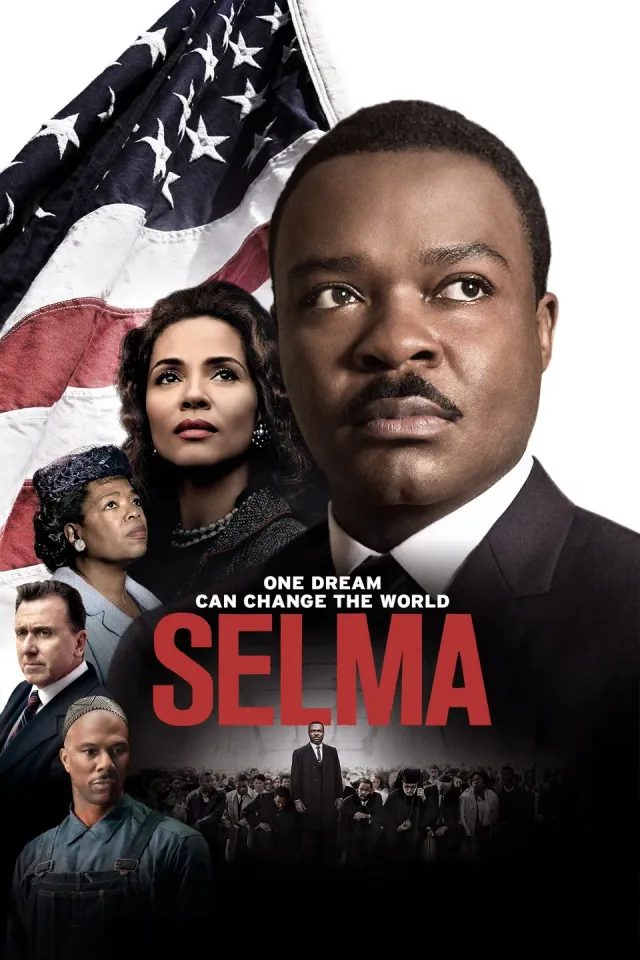
The campaign turns local voter suppression into a national political crisis through organizing, repeated marches and strategic negotiation rather than a single heroic action.
Why this matches +
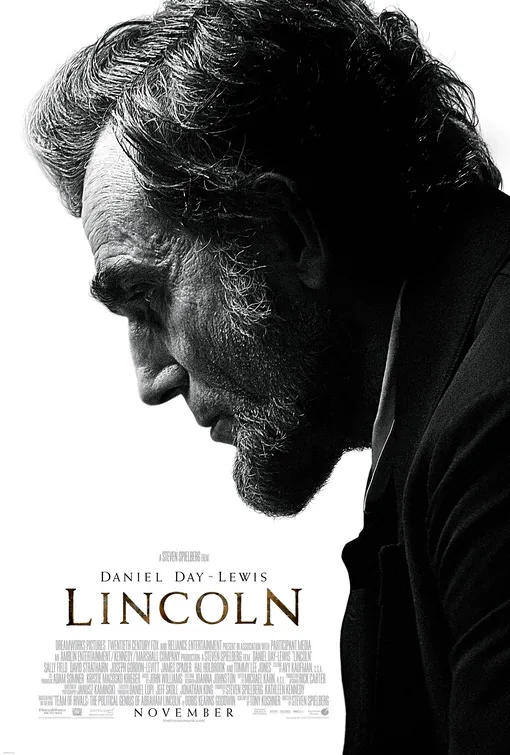
Selected for the central appeal: A president builds a difficult congressional coalition to abolish slavery near the end of the Civil War.
Genres: Drama / Biography
Shared film traits
Based on recorded story, mood and style. Your preferences can change the order.
What changes Political leaders and organizers build alliances under pressure to secure a transformative civil-rights change.
In 1965, Martin Luther King Jr. and civil-rights organizers focus their campaign on Selma, Alabama, where Black residents face systematic barriers to voter registration. The film follows strategy meetings, local organizing, confrontations with Sheriff Jim Clark’s officers and the attacks on marchers that draw national attention. King negotiates with President Lyndon Johnson while activists disagree over timing, tactics and the risks borne by people on the ground. The planned march from Selma to Montgomery becomes a public test of federal responsibility, local courage and the meaning of political pressure, ending with a speech before the state capitol.
Grassroots organisation develops through unsuccessful campaigns into elected influence, then confronts a wider attempt to remove legal protections.
Why this matches +
These offer a related experience with a meaningful difference in story, tone, or presentation.
An adjacent discovery: a related idea with a different viewing experience.
Genres: Drama / Biography
Shared film traits
Based on recorded story, mood and style. Your preferences can change the order.
What changes A political organizer builds coalitions within resistant institutions to advance the rights of a marginalized community.
After moving to San Francisco with his partner, Harvey Milk turns a neighbourhood camera shop into a gathering place for a politically marginalised community. Repeated electoral defeats become lessons in coalition building, public visibility and the use of institutional power against discrimination. His growing public responsibilities strain intimate relationships while a rising campaign against gay rights gives local organising an urgency far beyond personal ambition.
A new leader's refusal to negotiate faces internal threats to his authority as military deterioration makes maintaining a governing coalition increasingly urgent.
Why this matches +
These offer a related experience with a meaningful difference in story, tone, or presentation.
An adjacent discovery: a related idea with a different viewing experience.
Genres: Drama / Historical
Shared film traits
Based on recorded story, mood and style. Your preferences can change the order.
What changes A wartime leader navigates cabinet disagreement and parliamentary politics while making decisions with lasting moral consequences.
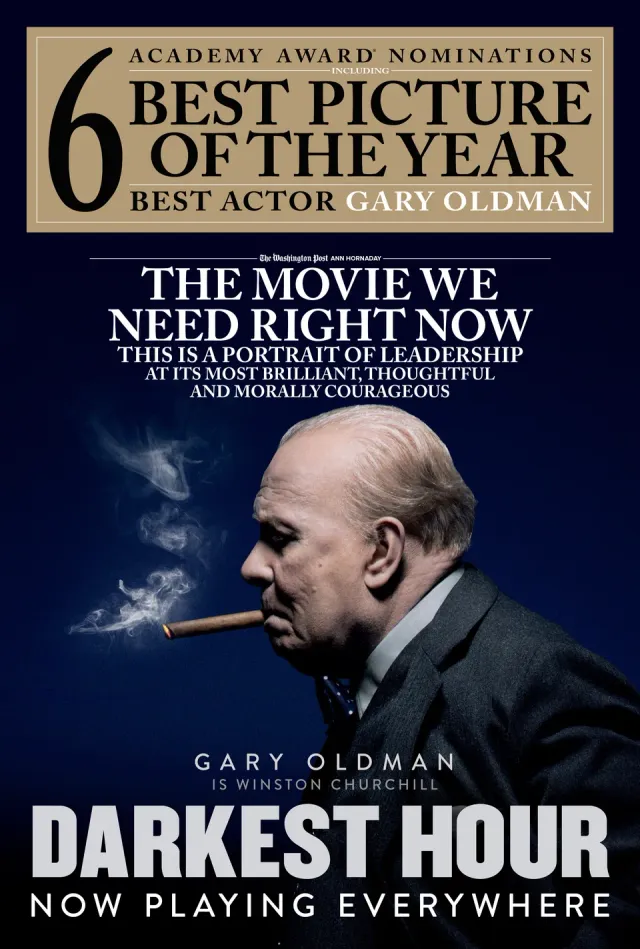
Newly appointed British prime minister as German forces advance in 1940, Winston Churchill must persuade colleagues who distrust his judgment to support continued resistance. Reports from France and the peril of trapped troops make each public statement a gamble over more than morale. The film concentrates political history into pressured conversations, private doubts and acts of persuasion, portraying leadership as an effort to secure room for a decision whose consequences others will bear.
One man's career in presidential service spans changing approaches to civil rights.
Why this matches +
These offer a related experience with a meaningful difference in story, tone, or presentation.
An adjacent discovery: a related idea with a different viewing experience.
Genres: Drama / History
Shared film traits
Based on recorded story, mood and style. Your preferences can change the order.
What changes A historical drama connects national political change to the experience of Black Americans confronting entrenched inequality.
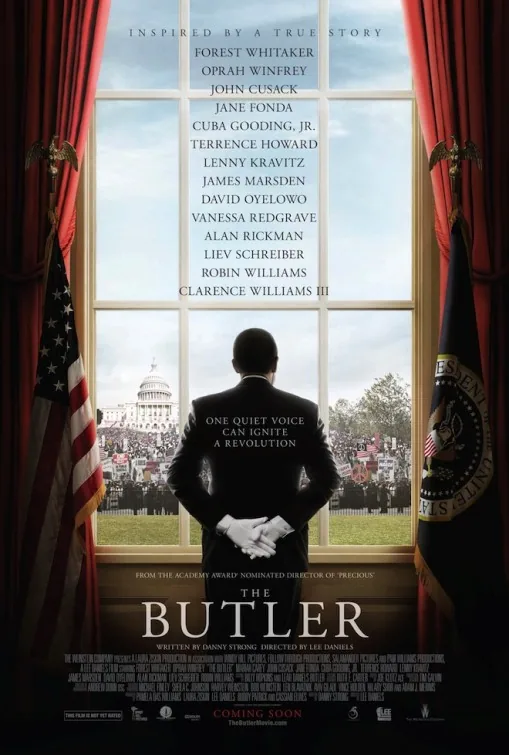
Cecil Gaines recounts a life spent working in the White House, moving from a childhood shaped by racial violence in the South to decades serving successive presidents. His private life and the civil-rights movement unfold alongside one another, sometimes placing his gradual approach to change beside the more direct activism of his son. Lee Daniels frames the period drama around family, service and competing ideas of political progress.
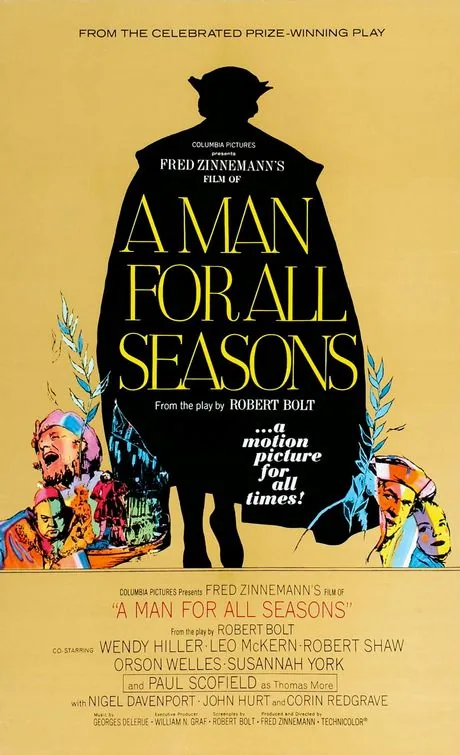
More uses resignation and legally guarded silence to avoid endorsing royal supremacy, but a state demanding explicit assent turns his refusal into a prosecution sustained by purchased testimony.
Why this matches +
These offer a related experience with a meaningful difference in story, tone, or presentation.
An adjacent discovery: a related idea with a different viewing experience.
Genres: Drama / History
Shared film traits
Based on recorded story, mood and style. Your preferences can change the order.
What changes A public official faces conflict between institutional pressure and a deeply held moral principle.
Thomas More tries to retain both his conscience and legal safety as Henry VIII demands support for a new marriage and royal supremacy over the Church. Resigning and refusing to explain himself seem to preserve a narrow space in which he need not openly defy the king. As allies seek compromise and ambitious officials manufacture a case, silence becomes a test of whether law can protect private conviction when political authority requires a public declaration of loyalty.
Near the end of the American Civil War, a president tries to secure congressional approval for an amendment abolishing slavery before shifting political circumstances can defeat it. The effort relies on argument, patronage, pressure and unstable alliances rather than a single decisive speech. Cabinet disputes and family grief frame the practical question of how an indispensable moral change can pass through institutions shaped by compromise and unequal power.
What drives the story
A narrowing legislative window turns vote gathering into the central action, with peace negotiations threatening the timing of constitutional change.
The people at its centre
The president balances abolitionist allies, reluctant legislators, political operatives and a grieving household whose needs resist being absorbed into public purpose.
What it feels like
Shadowed interiors, extended argument and small tactical conversations create measured political suspense with occasional dry humour.
Worth knowing
The focus is legislative manoeuvring around abolition, not a full presidential biography or a battlefield account; the film's political viewpoint is necessarily selective.