A liaison officer's military success magnifies the conflict between personal myth, a coalition's autonomy and the empire employing him.
Why this matches +
These offer a related experience with a meaningful difference in story, tone, or presentation.
An adjacent discovery: a related idea with a different viewing experience.
Genres: Drama / Adventure
Shared film traits
Based on recorded story, mood and style. Your preferences can change the order.
Political resistance
What changes A historical epic follows a public figure involved in anti-imperial struggle, where personal ideals intersect with political divisions.
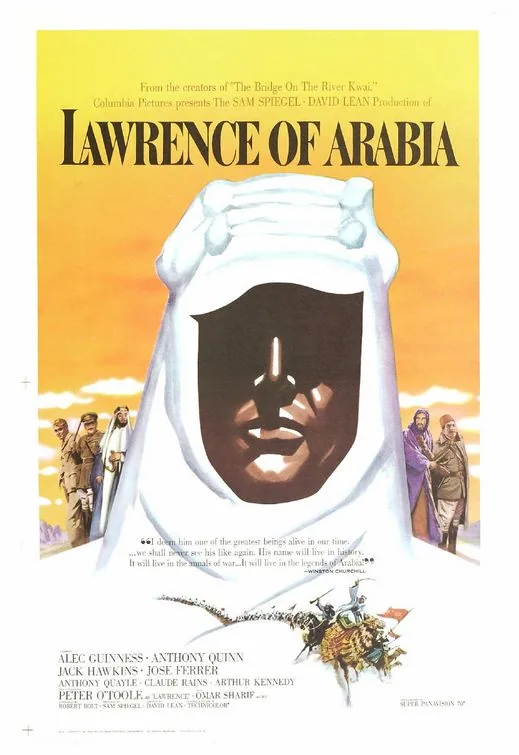
A British officer posted to the Middle East during the First World War joins Arab forces opposing Ottoman rule and becomes a celebrated figure in their campaign. His identification with the desert and hunger for extraordinary achievement grow entangled with competing local aims and British strategic interests. Victories intensify rather than resolve questions about violence, self-invention and who is permitted to claim ownership of a liberation struggle.
A narrowing legislative window turns vote gathering into the central action, with peace negotiations threatening the timing of constitutional change.
Why this matches +
These offer a related experience with a meaningful difference in story, tone, or presentation.
An adjacent discovery: a related idea with a different viewing experience.
Genres: Drama / Biography
Shared film traits
Based on recorded story, mood and style. Your preferences can change the order.
What changes A political leader uses negotiation and institutional pressure to pursue transformative social change amid a divided country.
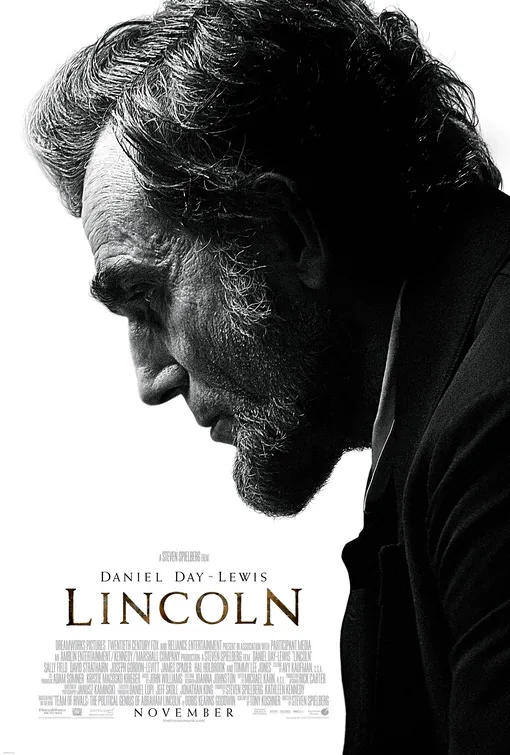
Near the end of the American Civil War, a president tries to secure congressional approval for an amendment abolishing slavery before shifting political circumstances can defeat it. The effort relies on argument, patronage, pressure and unstable alliances rather than a single decisive speech. Cabinet disputes and family grief frame the practical question of how an indispensable moral change can pass through institutions shaped by compromise and unequal power.
Grassroots organisation develops through unsuccessful campaigns into elected influence, then confronts a wider attempt to remove legal protections.
Why this matches +
These offer a related experience with a meaningful difference in story, tone, or presentation.
An adjacent discovery: a related idea with a different viewing experience.
Genres: Drama / Biography
Shared film traits
Based on recorded story, mood and style. Your preferences can change the order.
Political resistance
What changes A community organizer becomes a public leader through protest, coalition building and resistance to entrenched discrimination.
After moving to San Francisco with his partner, Harvey Milk turns a neighbourhood camera shop into a gathering place for a politically marginalised community. Repeated electoral defeats become lessons in coalition building, public visibility and the use of institutional power against discrimination. His growing public responsibilities strain intimate relationships while a rising campaign against gay rights gives local organising an urgency far beyond personal ambition.
One man's career in presidential service spans changing approaches to civil rights.
Why this matches +
These offer a related experience with a meaningful difference in story, tone, or presentation.
An adjacent discovery: a related idea with a different viewing experience.
Genres: Drama / History
Shared film traits
Based on recorded story, mood and style. Your preferences can change the order.
Political resistance
What changes A man witnesses and participates in struggles against racial exclusion across decades of political change.
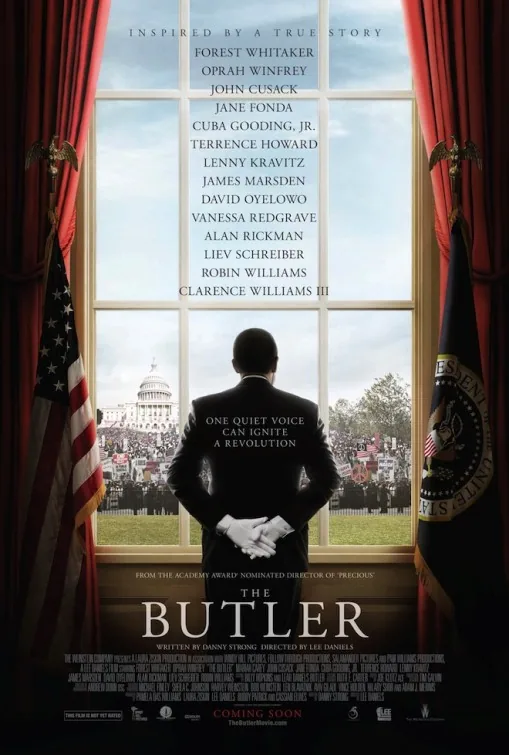
Cecil Gaines recounts a life spent working in the White House, moving from a childhood shaped by racial violence in the South to decades serving successive presidents. His private life and the civil-rights movement unfold alongside one another, sometimes placing his gradual approach to change beside the more direct activism of his son. Lee Daniels frames the period drama around family, service and competing ideas of political progress.
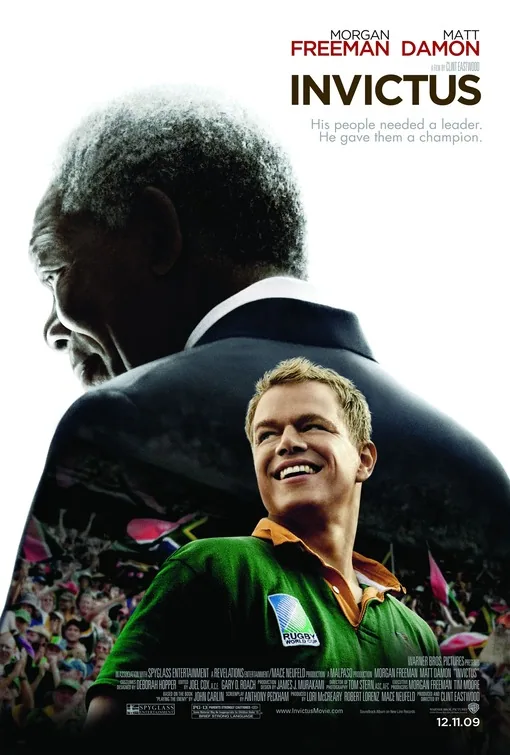
The World Cup supplies a clear dramatic clock, but the film’s central action is Mandela’s decision to preserve and repurpose a symbol associated with the former regime rather than erase it. Sporting cooperation becomes a tactic whose effects remain limited.
Why this matches +
These offer a related experience with a meaningful difference in story, tone, or presentation.
An adjacent discovery: a related idea with a different viewing experience.
Genres: Drama / Sport
Shared film traits
Based on recorded story, mood and style. Your preferences can change the order.
What changes A national leader seeks reconciliation after systemic racial oppression, using public leadership to bridge a divided society.
After becoming South Africa’s president, Nelson Mandela backs the Springboks, a rugby team many Black South Africans associate with apartheid, as the country prepares to host the 1995 World Cup. His meeting with captain François Pienaar turns a tournament into an invitation to imagine national responsibility beyond winning. The team’s public progress is intercut with changes among Mandela’s bodyguards, where distrust cannot be dissolved by a speech. The final match offers an affecting image of shared identification, but the film’s focus on a single symbolic event compresses a longer and unresolved political transition. Its optimism is best read as a practical wager on what a visible gesture might make possible, not a claim that sport repaired structural inequality.
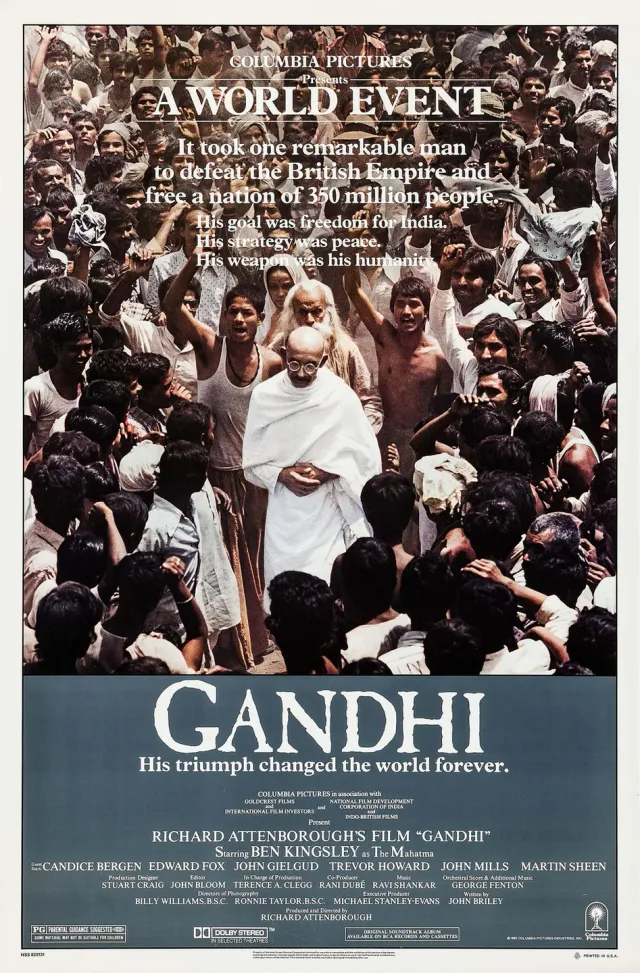
A lawyer confronting racial exclusion in South Africa develops methods of collective resistance that he later brings to the struggle against British rule in India. Political organising connects imprisonment, public protest and negotiation to experiments in personal discipline and nonviolence. Expanding influence does not give him complete control over the movement or the divisions within the society he hopes to change, making national independence inseparable from conflicts that persist beyond the apparent goal.
What drives the story
A political biography follows the effort to turn principled nonviolence into a mass practice under colonial pressure and internal disagreement.
The people at its centre
A public leader depends on family, collaborators and communities whose needs cannot always be reconciled with the demands of his example.
What it feels like
Large historical sequences and measured personal scenes create an earnest, expansive account of leadership, sacrifice and incomplete political achievement.
Worth knowing
Its biographical focus selects and simplifies a much wider history; independence is not presented as ending every conflict or making every personal decision beyond criticism.