Explore films connected to The United States vs. Billie Holiday through artistic expression, state surveillance, racial oppression. Choose the qualities you want to carry into your next watch.
What should feel similar?
Find your next favourite
9 films · Closest overall matches
Hide films you’ve seen or don’t want. Saved on this device.
No matches for this combination yet.
Try another option or reset your choices to see more films.
Based on recorded story, mood and style. Your preferences can change the order.
Music and performance
What changes The United States vs. Billie Holiday: interview framing, concert and club sequences, arrest and prison episodes and relationship-driven turning points. The Buddy Holly Story: chronological, performance-led and builds toward tragedy.
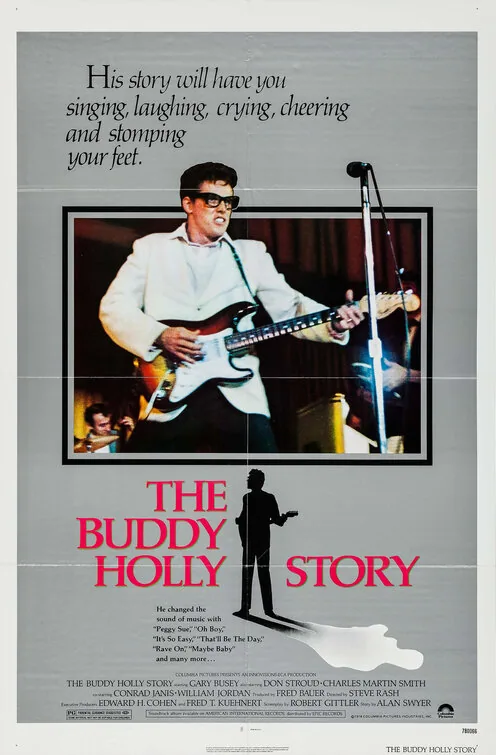
The film follows Buddy Holly from early performances in Lubbock, Texas, through the rise of the Crickets and the success of his rock-and-roll recordings. Holly resists producers who want him to remain within country conventions, and his insistence shapes his career. As touring and recording gather pace, he builds a life with Maria Elena Santiago while the story approaches the final tour that ends in tragedy.
Based on recorded story, mood and style. Your preferences can change the order.
Music and performance
What changes The United States vs. Billie Holiday: interview framing, concert and club sequences, arrest and prison episodes and relationship-driven turning points. Walk the Line: life-spanning and performance-led.
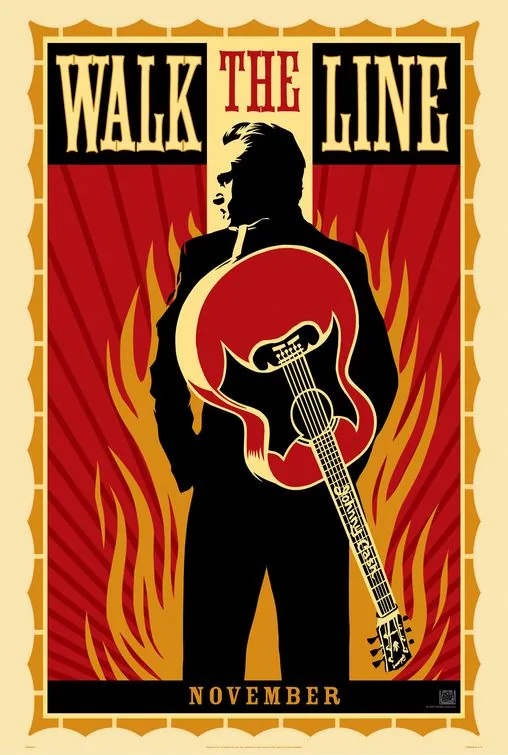
The film follows Johnny Cash from a childhood marked by grief and a harsh relationship with his father into his early success as a recording artist. After military service, he forms a band, auditions for Sam Phillips and joins a touring circuit that brings him together with June Carter. Their connection develops while Cash’s first marriage falters and his fame, touring and substance use strain his life. June’s affection does not instantly fix his addiction, and the film centers on the long, uneven effort to become someone who can accept help. The performances and songs give the story a musical structure, but its emotional through-line is the gap between public confidence and private instability. It is an adaptation drawn from Cash’s autobiographies, not a complete documentary account.
Based on recorded story, mood and style. Your preferences can change the order.
Music and performance · Memory and identity
What changes The United States vs. Billie Holiday: interview framing, concert and club sequences, arrest and prison episodes and relationship-driven turning points. I'm Not There: nonlinear and episodic, shifts in tone and reflective musical interludes.
Six characters, each played by a different actor, embody distinct facets of the public persona and artistic history of Bob Dylan. Their stories move through folk music, fame, protest, reinvention, and retreat without forming a single chronological biography. Todd Haynes uses shifting eras and visual styles to resist the idea that one person can be captured by a stable public image. The result is an experimental musical drama about performance, mythmaking, and the many identities an artist can inhabit, with Dylan's songs functioning as a connective thread rather than a conventional soundtrack.
Based on recorded story, mood and style. Your preferences can change the order.
Music and performance · Memory and identity
What changes The United States vs. Billie Holiday: interview framing, concert and club sequences, arrest and prison episodes and relationship-driven turning points. The High Note: work routine establishes hierarchy, new production project begins, career choices collide and performance-centered resolution.
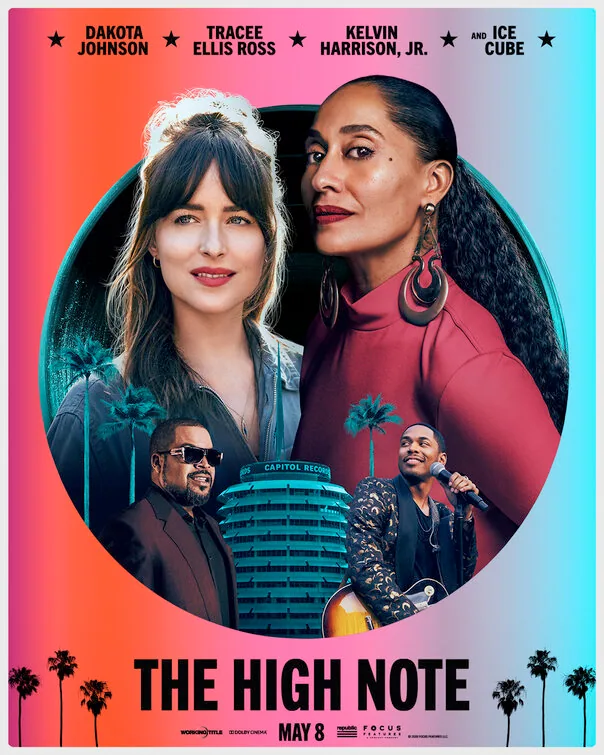
Maggie Sherwoode has spent years managing the daily needs of legendary R&B singer Grace Davis while privately hoping to become a music producer. When she meets singer David Cliff, she claims experience she has not yet earned and offers to help him make an album. Grace’s manager wants her to accept a Las Vegas residency rather than record new music, leaving Maggie caught between serving an established artist and building a career of her own. Nisha Ganatra’s music-centered comedy-drama follows ambition, mentorship, and changing opportunities in Los Angeles.
Based on recorded story, mood and style. Your preferences can change the order.
Music and performance · Memory and identity
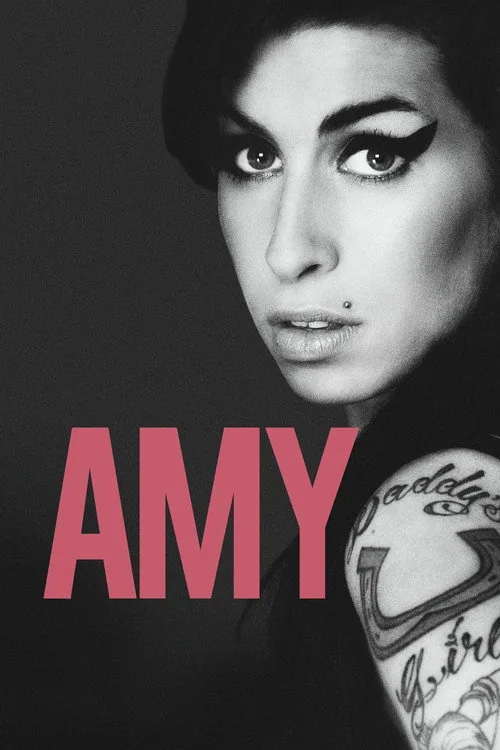
What changes The United States vs. Billie Holiday: interview framing, concert and club sequences, arrest and prison episodes and relationship-driven turning points. Amy: chronological documentary arc, songs anchor life periods and tragic ending.
This documentary traces singer-songwriter Amy Winehouse from teenage performances in London through the success of her albums Frank and Back to Black. Archival home videos, interviews, recordings, and concert footage show her developing artistry alongside relationships, addiction, and intrusive media attention. The film follows her rapid rise and the pressures that intensified as private struggles became public spectacle. Asif Kapadia's portrait examines both the musician's distinctive voice and the circumstances surrounding her death at age 27.
Based on recorded story, mood and style. Your preferences can change the order.
Music and performance
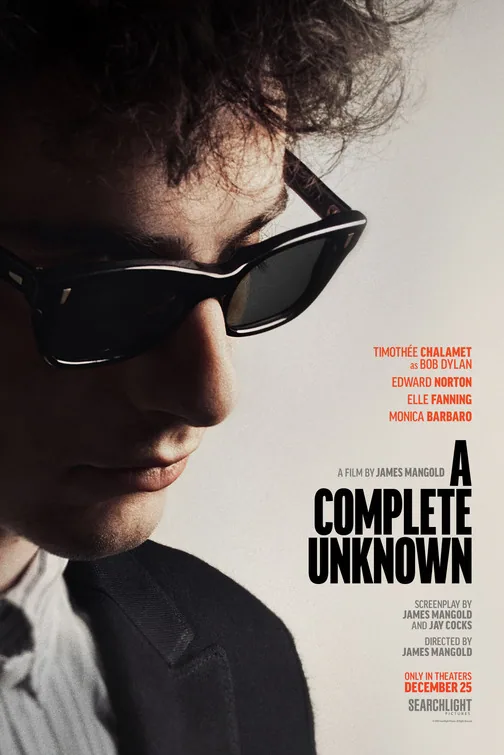
What changes The United States vs. Billie Holiday: interview framing, concert and club sequences, arrest and prison episodes and relationship-driven turning points. A Complete Unknown: episodic and performance-led.
A young Bob Dylan arrives in New York seeking connection with Woody Guthrie and enters a folk community that helps establish his reputation. As his songwriting gains influence, friendships, romance and the expectations of committed audiences become harder to reconcile with his changing interests. The film follows artistic independence through performed songs and contested public choices, treating recognition as both an opportunity and a pressure to remain legible to others.
Based on recorded story, mood and style. Your preferences can change the order.
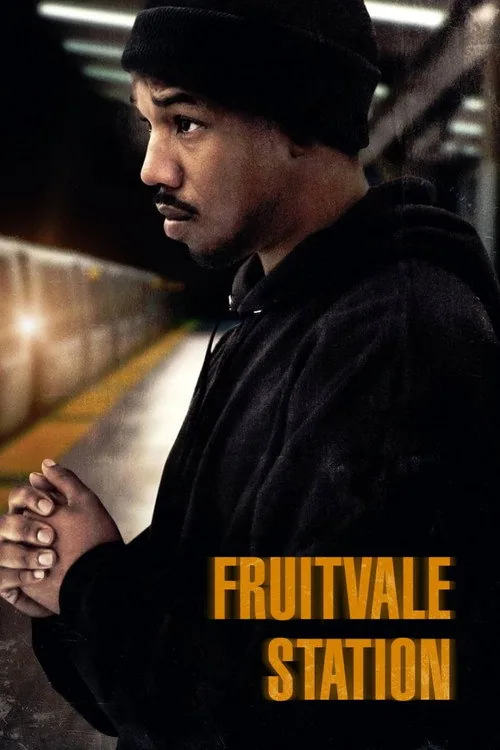
What changes The United States vs. Billie Holiday: interview framing, concert and club sequences, arrest and prison episodes and relationship-driven turning points. Fruitvale Station: naturalistic, chronological and restrained build.
Fruitvale Station follows Oscar Grant during the final day of his life in Oakland on December 31, 2008. He tries to regain a grocery-store job, spends time with his partner Sophina and their daughter, and attends his mother’s birthday before taking the train into San Francisco. Earlier footage of his encounter with police frames the day as the film moves between ordinary family decisions and the events at Fruitvale station. Ryan Coogler’s drama reconstructs a real death while emphasizing the person and relationships behind the news.
Based on recorded story, mood and style. Your preferences can change the order.
Power and authority
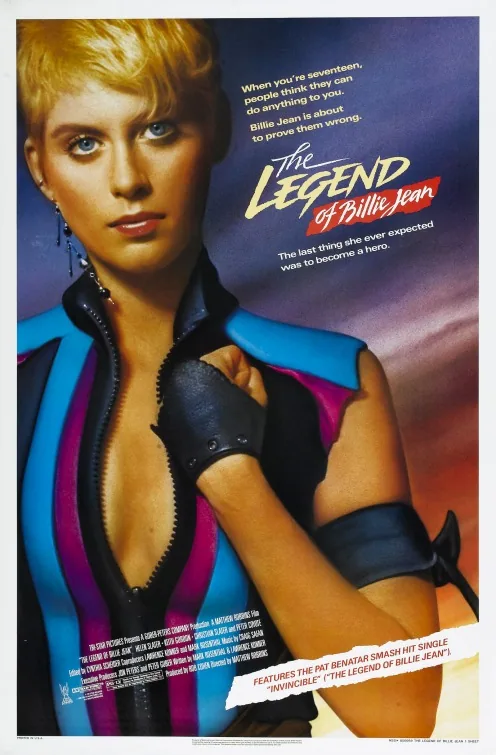
What changes The United States vs. Billie Holiday: interview framing, concert and club sequences, arrest and prison episodes and relationship-driven turning points. The Legend of Billie Jean: road-movie pursuit, escalating publicity, episodic encounters and melodramatic climax.
Billie Jean Davy and her younger brother Binx ride his scooter to a Texas lake, where a local teenager steals it and later damages it. When Billie Jean seeks help from the thief’s father, he propositions her; Binx fires a gun and wounds the man as Billie Jean flees. The siblings and their friends become fugitives while Billie Jean insists she wants only the repair money and an apology. A video of her demands turns her into a media sensation, and teenagers across the country follow her example. As police detective Ringwald recognizes that he ignored her complaint, Billie Jean must balance public attention with keeping her friends safe. The campaign for accountability reaches a rally where the scooter and the family’s future remain at stake.
Based on recorded story, mood and style. Your preferences can change the order.
Music and performance
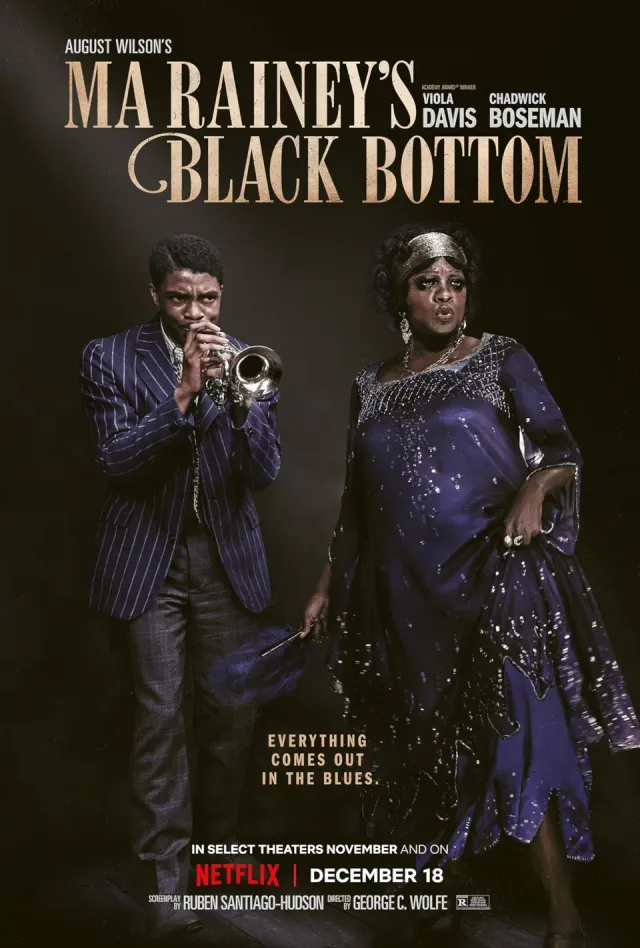
What changes The United States vs. Billie Holiday: interview framing, concert and club sequences, arrest and prison episodes and relationship-driven turning points. Ma Rainey's Black Bottom: contained and dialogue-driven.
In 1927 Chicago, blues singer Ma Rainey arrives at a recording studio with her band, where delays and disagreements expose competing interests between the musicians and white producers. Trumpeter Levee pushes for a different sound and recognition, while older bandmates carry their own histories and loyalties. George C. Wolfe adapts August Wilson’s play as a pressure-cooker ensemble drama about artistic ownership, racism and the cost of being heard in a commercial system.
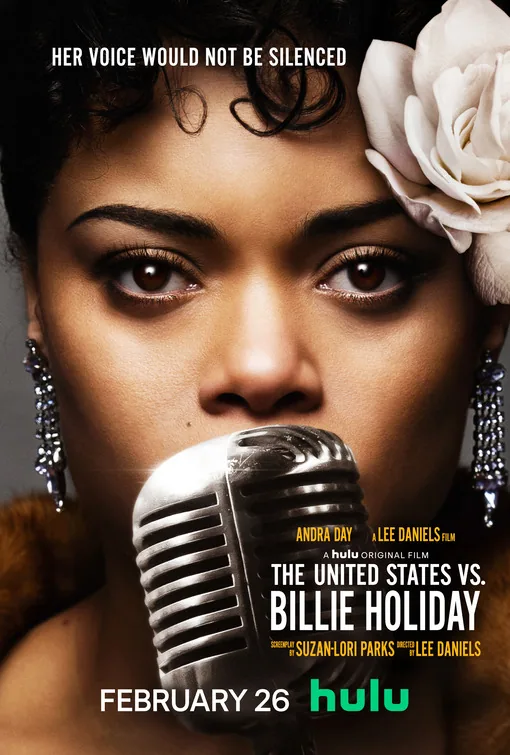
The film follows Billie Holiday as her popularity grows alongside federal efforts to stop her from performing “Strange Fruit,” a song that condemns racist violence. Agent Jimmy Fletcher is assigned to monitor her, but their relationship shifts as Holiday faces arrest, addiction, prison, and the cost of making politically charged music. Lee Daniels’ biographical drama moves between performances and confrontations with authorities, centering Andra Day’s portrayal of an artist whose public voice makes her a target.
What drives the story
Billie Holiday’s determination to sing “Strange Fruit” draws her into a cat-and-mouse struggle with federal agents.
The people at its centre
Jimmy Fletcher’s assignment to watch Holiday becomes complicated by his growing recognition of the injustice behind the case.
What it feels like
Concert scenes and surveillance episodes connect the force of Holiday’s music to the institutions seeking to silence it.
Worth knowing
It frames a singer’s career through political persecution and a particular song, rather than presenting a broad cradle-to-grave musical biography.