A student's hunger for recognition creates a feedback loop with a teacher's coercive demands.
Why this matches +
These offer a related experience with a meaningful difference in story, tone, or presentation.
An adjacent discovery: a related idea with a different viewing experience.
Genres: Drama
Shared film traits
Based on recorded story, mood and style. Your preferences can change the order.
Music and performance
What changes Musicians in a high-pressure rehearsal environment clash over ambition, authority and the personal cost of artistic excellence.
An ambitious jazz student earns a place in an elite ensemble led by a conductor who treats humiliation and psychological pressure as tools for producing greatness. The student's desire to prove exceptional talent makes approval increasingly difficult to separate from abuse. Rehearsal, competition and performance narrow his world as ordinary relationships and physical well-being become costs he is prepared to discount.
The unfinished fence becomes a practical household project and a symbol of the limits Troy imposes around others.
Why this matches +
These offer a related experience with a meaningful difference in story, tone, or presentation.
An adjacent discovery: a related idea with a different viewing experience.
Genres: Drama
Shared film traits
Based on recorded story, mood and style. Your preferences can change the order.
What changes An August Wilson adaptation uses an intense ensemble and theatrical dialogue to examine Black family life, opportunity and racial injustice.
A sanitation worker in 1950s Pittsburgh tries to hold authority within his household while carrying anger from opportunities and racial barriers he believes were denied to him. His marriage and relationships with his sons reveal the consequences of treating protection as control. The adaptation of August Wilson’s play keeps its attention on language, family intimacy and the burden of history rather than broad external action.
Billie Holiday’s determination to sing “Strange Fruit” draws her into a cat-and-mouse struggle with federal agents.
Why this matches +
These offer a related experience with a meaningful difference in story, tone, or presentation.
An adjacent discovery: a related idea with a different viewing experience.
Genres: Biography / Drama
Shared film traits
Based on recorded story, mood and style. Your preferences can change the order.
Music and performance
What changes A Black singer confronts institutional racism and attempts to control her public voice while pursuing a music career.
The film follows Billie Holiday as her popularity grows alongside federal efforts to stop her from performing “Strange Fruit,” a song that condemns racist violence. Agent Jimmy Fletcher is assigned to monitor her, but their relationship shifts as Holiday faces arrest, addiction, prison, and the cost of making politically charged music. Lee Daniels’ biographical drama moves between performances and confrontations with authorities, centering Andra Day’s portrayal of an artist whose public voice makes her a target.
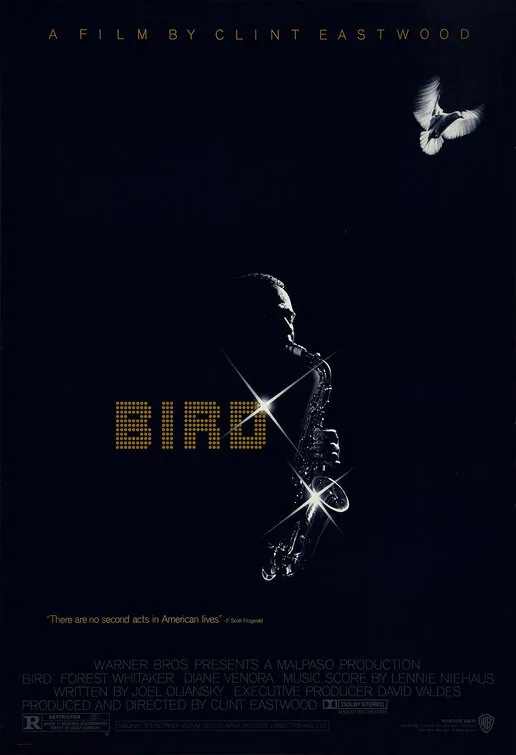
Parker’s charisma and brilliance coexist with dependency and self-destruction; Chan tries to keep a home life possible.
Why this matches +
These offer a related experience with a meaningful difference in story, tone, or presentation.
An adjacent discovery: a related idea with a different viewing experience.
Genres: Drama / Biography
Shared film traits
Based on recorded story, mood and style. Your preferences can change the order.
Music and performance
What changes A jazz musician's artistic ambition and troubled personal life unfold against the pressures of the music business and racial inequality.
The film follows jazz saxophonist Charlie Parker from his early Kansas City performances into the New York bebop scene and his turbulent life with Chan Parker. Success brings periods of exhilaration and collapse, while drug and alcohol dependence repeatedly interrupts his playing and relationships. Chan helps reconnect him with work and family life, but Parker’s health and artistic drive remain difficult to separate. Told through shifting memories and music, the portrait moves between performance, intimacy and breakdown, framing bebop as a creative revolution carried by a life under strain.
A manager's strategy for commercial access reshapes an ensemble by treating performers' bodies, voices and relationships as adjustable parts of a marketable product. Curtis moves the group toward crossover success by changing its sound, billing and lineup, creating winners and costs.
Why this matches +
These offer a related experience with a meaningful difference in story, tone, or presentation.
An adjacent discovery: a related idea with a different viewing experience.
Genres: Drama / Musical
Shared film traits
Based on recorded story, mood and style. Your preferences can change the order.
Music and performance
What changes Black performers pursue artistic recognition while managers and commercial interests compete to control their music and public image.
A vocal trio enters the recording business through a manager who can see a route to success in markets structured by racial exclusion. The pursuit of crossover appeal changes the group's sound, public image and distribution of attention, pushing its most distinctive singer out of the center. Romantic dependence and professional control become difficult to separate as different women seek a voice in the work and futures being sold under their names. Effie’s vocal power does not protect her from a business model that increasingly sells another face and sound.
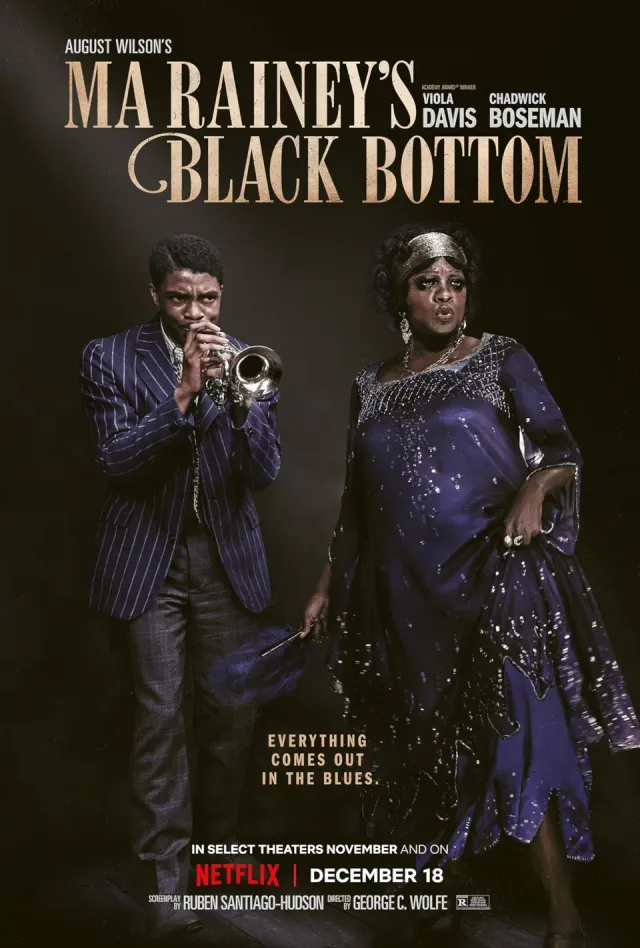
In 1927 Chicago, blues singer Ma Rainey arrives at a recording studio with her band, where delays and disagreements expose competing interests between the musicians and white producers. Trumpeter Levee pushes for a different sound and recognition, while older bandmates carry their own histories and loyalties. George C. Wolfe adapts August Wilson’s play as a pressure-cooker ensemble drama about artistic ownership, racism and the cost of being heard in a commercial system.
What drives the story
The delayed session lets each character articulate a different claim to music and opportunity.
The people at its centre
Ma’s control of her performance is a practical defense against an industry that profits from her work.
What it feels like
The enclosed setting keeps historical power relations present in every negotiation.
Worth knowing
Racial violence and grief give the intense dialogue a serious emotional weight.
MusicOwnershipRace
Mood
Tense · Expressive · Resonant
Pacing
Contained · Dialogue-driven
Visual style
Period studio · Blues performance · Theatrical blocking