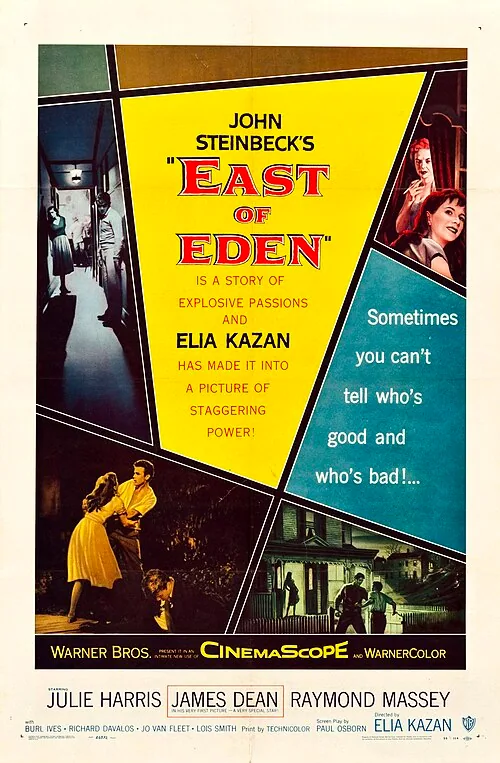
An attempt to buy paternal recognition through morally compromised success exposes a family secret, turning rejected generosity into retaliatory disclosure. Cal’s failed attempt to replace money his father lost makes rejection feel like a verdict on his character.
Why this matches +
These offer a related experience with a meaningful difference in story, tone, or presentation.
An adjacent discovery: a related idea with a different viewing experience.
Genres: Drama
Shared film traits
Based on recorded story, mood and style. Your preferences can change the order.
What changes A powerful father's expectations and resentment shape conflict with his sons in a family drama about inherited wounds.
A young man convinced that his father considers him inferior to his twin discovers that their supposedly dead mother is alive and living outside the family's moral story. A business venture promises to repair his father's financial loss and earn the affection he believes can be proven through a gift. When the gesture fails, withheld family knowledge becomes another way to inflict pain, making the desire to be loved compete with the ability to recognize another person's vulnerability. Kazan adapts the novel’s final section, concentrating the Cain-and-Abel inheritance around Cal’s need for paternal acceptance.
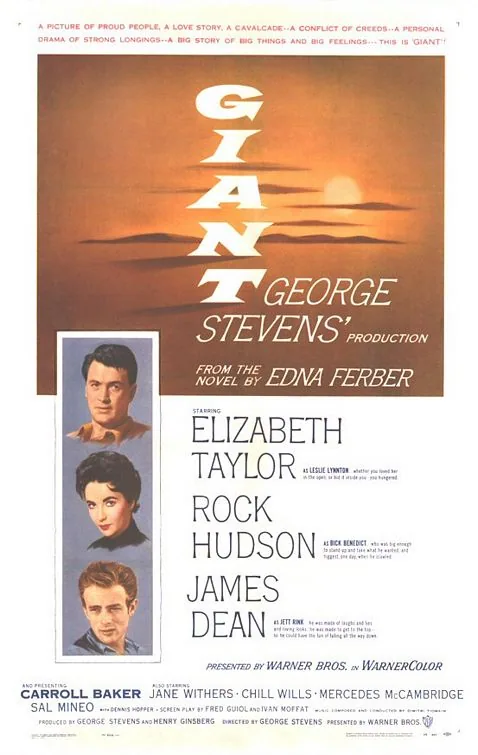
Oil wealth reshapes a ranch family’s power over generations, exposing tensions between inherited status, new money and the discrimination sustaining the regional order. Jett’s wealth changes the family hierarchy but does not by itself undo racial exclusion.
Why this matches +
These offer a related experience with a meaningful difference in story, tone, or presentation.
An adjacent discovery: a related idea with a different viewing experience.
Genres: Drama / Romance
Shared film traits
Based on recorded story, mood and style. Your preferences can change the order.
What changes A family confronts generational conflict, ambition and racial hierarchy over decades of changing American life.
A marriage between Texas rancher Bick Benedict and Maryland socialite Leslie connects family life to a ranch economy built on land, oil and racial hierarchy. Jett Rink’s discovery of oil changes the balance of wealth and authority, while later generations confront discrimination against Mexican Americans that the older ranch culture normalizes. The narrative’s long span gives social change a personal scale, but its central white family still controls much of the film’s viewpoint. The famous diner confrontation complicates Bick’s inheritance of power without making one late gesture resolve the structures the story has spent decades establishing.
A carefully ordered household reveals how social respectability can conceal pain and constrain honest connection.
Why this matches +
These offer a related experience with a meaningful difference in story, tone, or presentation.
An adjacent discovery: a related idea with a different viewing experience.
Genres: Drama / Romance
Shared film traits
Based on recorded story, mood and style. Your preferences can change the order.
Memory and identity
What changes A family's carefully maintained public image conceals resentment and the damaging constraints of race and gender in mid-century America.
In 1950s Connecticut, a suburban wife discovers that her polished marriage conceals a truth her community is unwilling to accept, while she forms a connection that crosses the era’s racial boundaries. Her husband and their children also face the consequences of a rigid social order. The film uses period melodrama and carefully controlled style to examine desire, respectability and the limits imposed on private life.
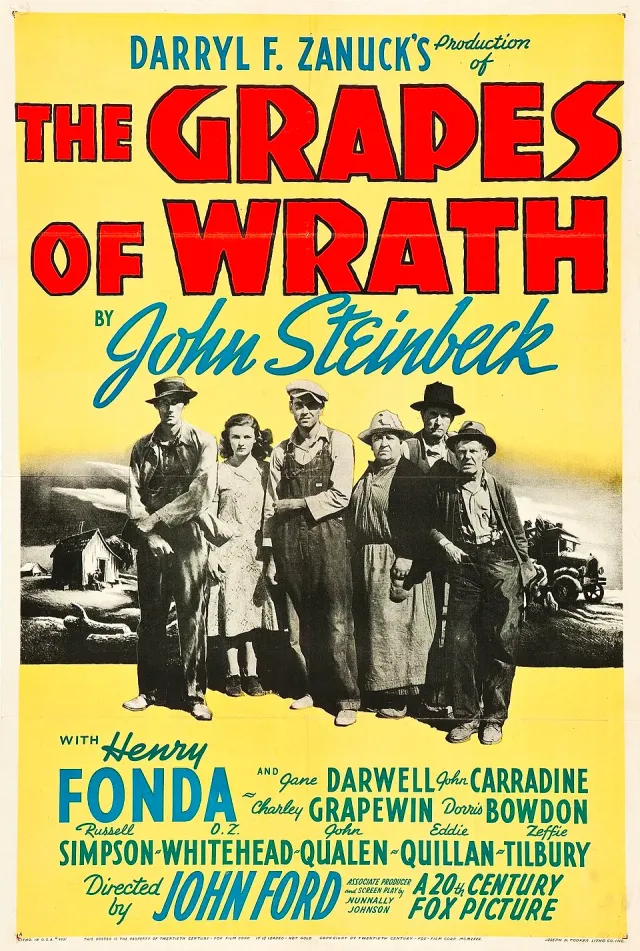
The westward trip promises a fresh start, but each labour camp reveals another way that economic hardship and unequal power constrain the family.
Why this matches +
These offer a related experience with a meaningful difference in story, tone, or presentation.
An adjacent discovery: a related idea with a different viewing experience.
Genres: Drama
Shared film traits
Based on recorded story, mood and style. Your preferences can change the order.
What changes An American family faces economic hardship and exclusion while struggling to maintain dignity and care for one another.
After drought and eviction drive the Joad family from their Oklahoma farm, Tom returns home from prison and travels with them toward California in search of work. The promised jobs prove uncertain, and the family encounters low wages, hostility and camps where migrant workers try to survive together. John Ford’s adaptation focuses on the family’s movement through a system that treats displaced people as disposable, while Ma Joad holds the group together as its circumstances worsen. The 1940 film is its own adaptation, with a more consoling ending than John Steinbeck’s novel.
The daughter's effort to make sense of her mother's past becomes a family reconciliation story rather than a single apology scene.
Why this matches +
These offer a related experience with a meaningful difference in story, tone, or presentation.
An adjacent discovery: a related idea with a different viewing experience.
Genres: Comedy drama / Drama
Shared film traits
Based on recorded story, mood and style. Your preferences can change the order.
Memory and identity
What changes Adult children reconsider a parent's painful history through family stories, confronting the distinction between understanding harm and excusing it.
A playwright's public comments about her childhood deepen a long-running rift with her mother and threaten to disrupt her upcoming wedding. The mother's lifelong friends intervene, bringing the daughter into a shared history that spans girlhood, marriage and painful family choices. The drama uses memories and an ensemble of older women to ask how adult children can understand parents without excusing the harm they experienced.
A sanitation worker in 1950s Pittsburgh tries to hold authority within his household while carrying anger from opportunities and racial barriers he believes were denied to him. His marriage and relationships with his sons reveal the consequences of treating protection as control. The adaptation of August Wilson’s play keeps its attention on language, family intimacy and the burden of history rather than broad external action.
What drives the story
The unfinished fence becomes a practical household project and a symbol of the limits Troy imposes around others.
The people at its centre
His desire to protect his family cannot be separated from the bitterness he has never resolved.
What it feels like
The film’s dramatic force comes from sustained conversation and the emotional weight of performance.
Worth knowing
It is a close domestic drama about a Black family and constrained opportunity, not a sweeping period epic.
FamilyAmbitionRace
Mood
Somber · Intense · Reflective
Pacing
Dialogue-led scenes accumulate into rupture and reckoning
Visual style
Period domestic realism · Restrained camera · Performance-centered staging