Based on recorded story, mood and style. Your preferences can change the order.
Music and performance
What changes Dreamgirls: epic. Bohemian Rhapsody: steady.
A young singer joins a band whose contrasting members gradually develop a distinctive sound and public identity. Creative ambition and growing fame offer personal reinvention while exposing disagreements about authorship, belonging and the demands of a shared career. As the frontman's private life becomes more difficult to reconcile with the group, a major performance creates an opportunity to recover a sense of connection without erasing the costs that preceded it.
Based on recorded story, mood and style. Your preferences can change the order.
Music and performance
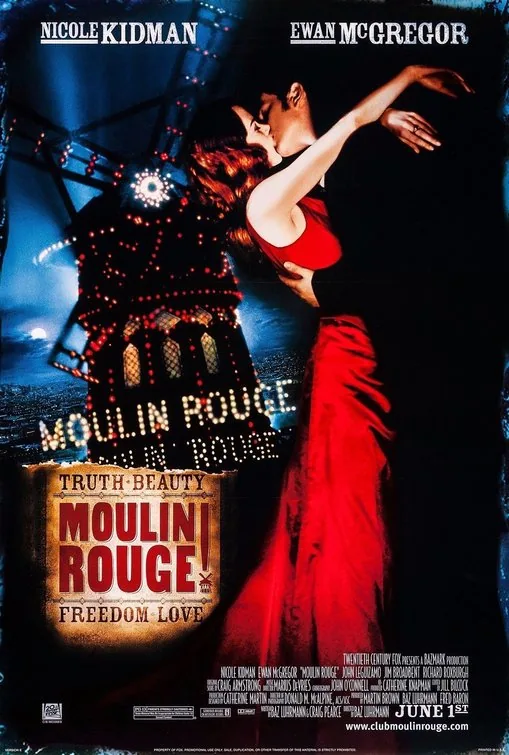
What changes Dreamgirls: epic. Moulin Rouge!: fast.
A young writer enters a Parisian cabaret hoping to join an artistic revolution and falls in love with its star performer. Their relationship must be concealed from a wealthy patron whose funding is expected to secure the venue's future and access to the woman he desires. A theatrical production becomes both cover and mirror for their romance, while illness and economic dependence make declarations of freedom increasingly fragile.
Both centre on performance ambition and commercial exploitation.
Why this matches +
Genres: Biography / Drama
Shared film traits
Based on recorded story, mood and style. Your preferences can change the order.
Music and performance
What changes Dreamgirls: epic. Elvis: fast.
A young performer's musical force attracts a manager who recognizes how rebellion can be sold while claiming he alone can protect the career it creates. Success reshapes family life, public image and the terms on which the singer can work, as promises of opportunity become increasingly difficult to separate from financial confinement. The relationship is narrated through the manager's self-defense, making the spectacle of stardom also an argument over who gets to explain its costs. Parker’s retrospective narration shapes the story, so the manager’s account is part of its subject and a limit.
Based on recorded story, mood and style. Your preferences can change the order.
Music and performance
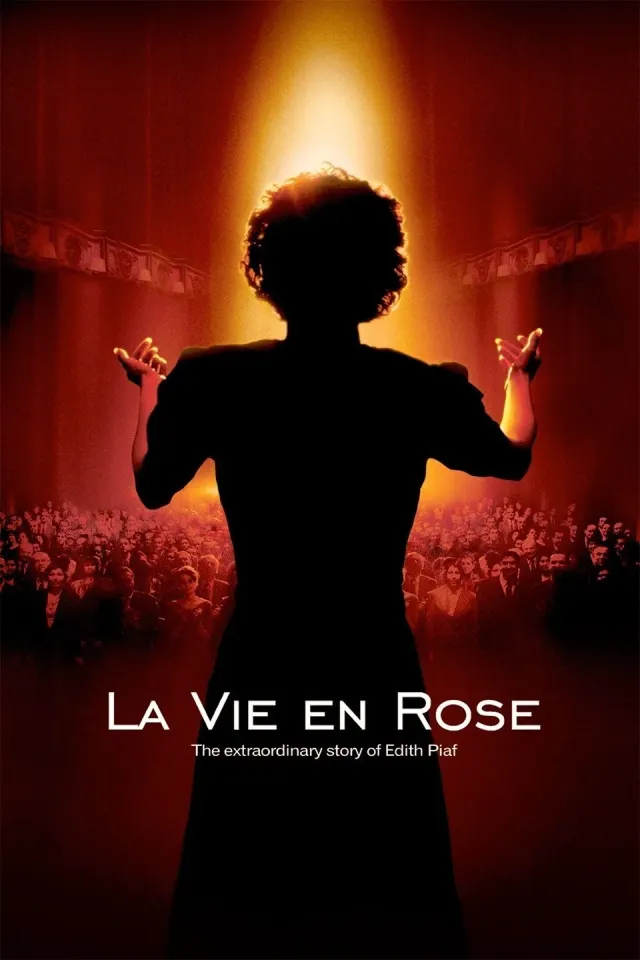
What changes Dreamgirls: epic. La Vie en Rose: nonlinear and episodic.
A singer's public force emerges from an unstable childhood of poverty, illness and dependence on people whose care is unevenly available. Success brings technical discipline, fame and passionate attachment without providing reliable safety from bodily decline or loss. The narrative moves among periods rather than allowing each triumph to cancel what preceded it. The biographical drama makes performance a way of commanding attention that private life cannot sustain, while refusing to keep the celebrated voice separate from the vulnerable person through whom it is produced.
Based on recorded story, mood and style. Your preferences can change the order.
Music and performance
What changes Dreamgirls: epic. A Star Is Born: measured.
An established musician hears a talented singer perform and encourages her onto a larger stage. Their romance develops as her public career rises and his addiction and insecurity become harder to contain. Professional collaboration and private care increasingly pull in different directions, exposing how difficult love becomes when success, dependence and self-worth are tied to performing.
Based on recorded story, mood and style. Your preferences can change the order.
Music and performance
What changes Dreamgirls: epic. 8 Mile: steady.
A young Detroit worker tries to gain recognition as a rapper while unstable housing, family conflict and an uncertain relationship leave little room for confidence. Public performance exposes vulnerabilities he can hide more easily in private, particularly when rivals turn class and racial identity into weapons. Returning to competitive stages requires finding language for his own circumstances instead of relying on the image he thinks an audience expects.
Based on recorded story, mood and style. Your preferences can change the order.
Music and performance
Expect emotional and confrontational, with epic pacing.
An actress and radio performer rises from provincial exclusion into a central public role beside an ambitious Argentine political leader. Her ability to command attention turns personal transformation into an instrument of popular identification, while elite hostility and a skeptical commentator challenge the image being presented. Public devotion, material assistance and personal advancement remain difficult to disentangle, especially when illness makes the construction of a lasting symbol more urgent than the limits of an individual life. The sung-through form turns Eva Perón’s rise into a contest over public memory, with Che as a critical narrator.
Based on recorded story, mood and style. Your preferences can change the order.
Music and performance
What changes Dreamgirls: epic. La La Land: measured.
An aspiring actress and a jazz pianist meet while navigating service work, failed opportunities and incompatible ideas of artistic success in Los Angeles. Their romance gives each the encouragement to continue, but the work that moves them forward also creates distance. Seasonal shifts, songs and imagined possibilities follow the changing relationship between devotion to another person and the identities they hope to build through art.
Based on recorded story, mood and style. Your preferences can change the order.
Music and performance
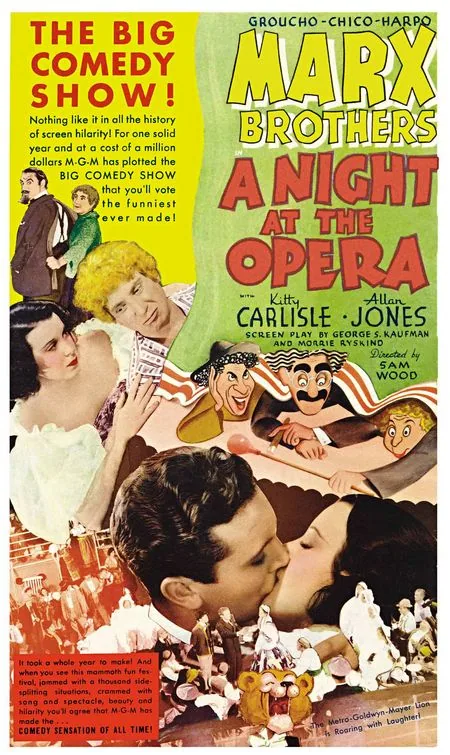
What changes Dreamgirls: epic. A Night at the Opera: fast.
An opportunistic business manager, an eccentric broker, and an aspiring singer become entangled with an opera company whose prestigious tenor is keeping a younger rival from success. Their passage to New York turns professional access into a series of impersonations and disruptions. Helping the excluded singer requires making the supposedly respectable institution temporarily unworkable, with friendship and musical talent emerging through the disorder rather than through obedience to its hierarchy.
A vocal trio enters the recording business through a manager who can see a route to success in markets structured by racial exclusion. The pursuit of crossover appeal changes the group's sound, public image and distribution of attention, pushing its most distinctive singer out of the center. Romantic dependence and professional control become difficult to separate as different women seek a voice in the work and futures being sold under their names. Effie’s vocal power does not protect her from a business model that increasingly sells another face and sound.
What drives the story
A manager's strategy for commercial access reshapes an ensemble by treating performers' bodies, voices and relationships as adjustable parts of a marketable product. Curtis moves the group toward crossover success by changing its sound, billing and lineup, creating winners and costs.
The people at its centre
Effie's demand for recognition conflicts with Curtis's control; Deena gradually asserts her own artistic choices, while the sisters' loyalty is tested by opportunities that reward accepting another woman's exclusion.
What it feels like
Large stage numbers and emotionally direct songs make musical expression both commercial spectacle and a means of saying what professional negotiations suppress. Songs articulate conflicts that the characters cannot negotiate directly, while stage spectacle turns commerce into performance.
Worth knowing
Match on Black performance shaped by crossover commerce and unequal authorship, while keeping fictional characters and compressed industry history distinct from an exact biography of one real group. The fictional Dreams are not a documentary account of the Supremes; distinguish inspiration from direct biography.