Explore films connected to Last Year at Marienbad through Memory, Persuasion, Uncertainty. Choose the qualities you want to carry into your next watch.
What should feel similar?
Find your next favourite
9 films · Closest overall matches
Hide films you’ve seen or don’t want. Saved on this device.
No matches for this combination yet.
Try another option or reset your choices to see more films.
Based on recorded story, mood and style. Your preferences can change the order.
Memory and identity
What changes Last Year at Marienbad is tagged hypnotic and uncanny; Memento is tagged unsettling and tense.
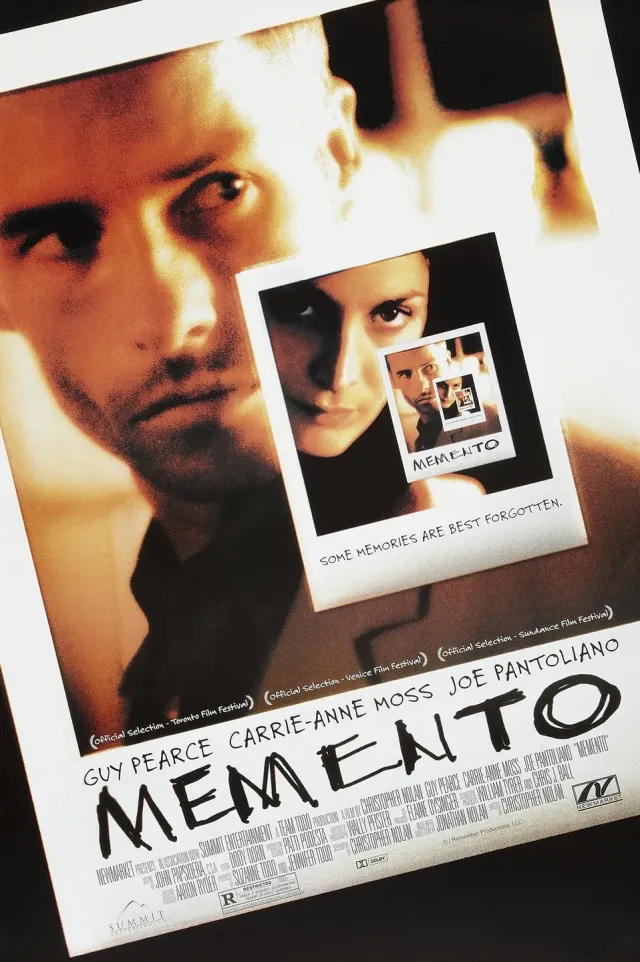
A man unable to form lasting new memories searches for the person he believes killed his wife, using photographs, notes and tattoos to orient each encounter. People offering help have information he cannot independently retain, while his own records appear to promise a certainty they may not deserve. Interlocking sequences make the audience repeatedly reconstruct how a confident action emerged from incomplete knowledge.
Based on recorded story, mood and style. Your preferences can change the order.
Memory and identity
What changes Last Year at Marienbad: nonlinear and measured. The Past: a domestic investigation gradually reveals overlapping histories and motives.
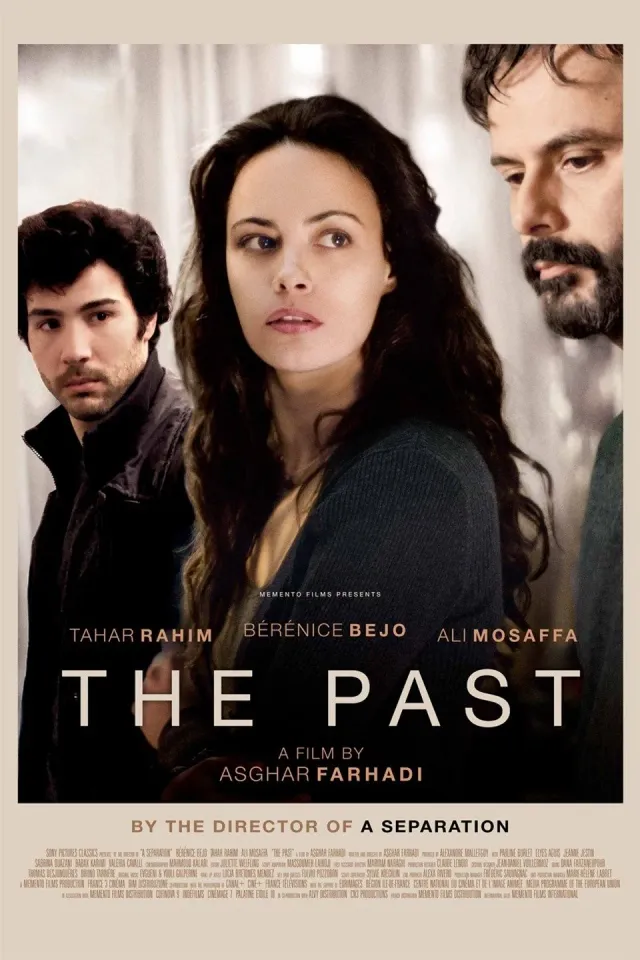
Ahmad returns to France from Iran to complete his divorce from Marie and finds himself drawn into the tensions of her current household. Her teenage daughter Lucie is troubled by the new relationship with Samir, while adults struggle to understand what the children know and what they have hidden. The family drama shows how prior relationships remain active in the present, turning silence and partial knowledge into sources of conflict.
Both centre on conflicting testimony and compulsive control.
Why this matches +
Genres: Drama / Mystery
Shared film traits
Based on recorded story, mood and style. Your preferences can change the order.
What changes Last Year at Marienbad: nonlinear and measured. Blowup: slow.
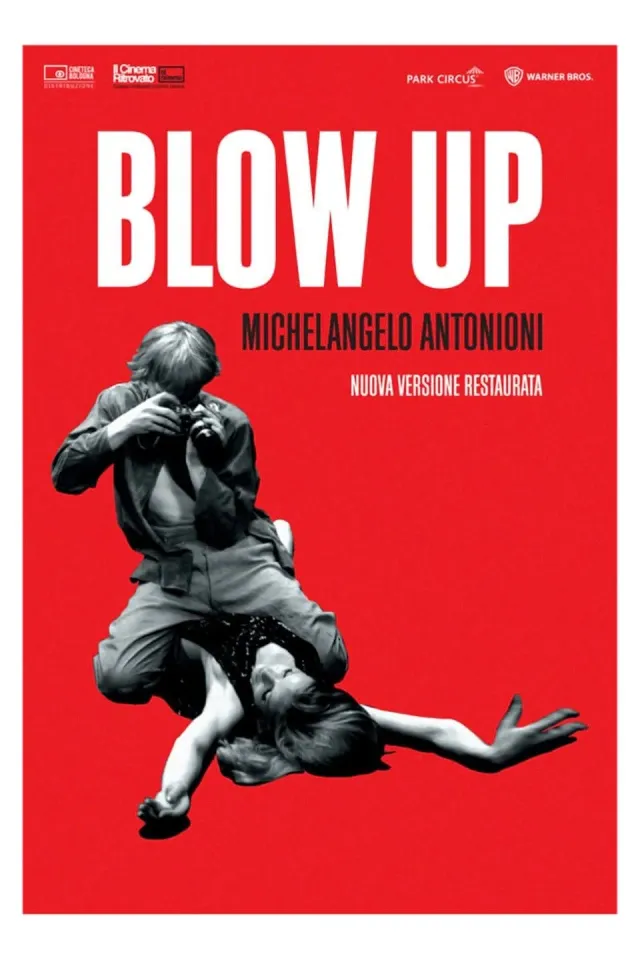
A fashion photographer follows a couple through a London park and later enlarges his pictures until he suspects they record a killing. Each crop seems to sharpen a detail while loosening the connection between image and event; a possible body and the prints themselves then disappear. His professional habit of turning people into subjects gives him no authority over what the encounter meant or how others receive his evidence. The investigation tests whether looking closely can ever amount to possessing the truth. In the final tennis sequence, the audience is asked to sustain the same unstable act of seeing.
Based on recorded story, mood and style. Your preferences can change the order.
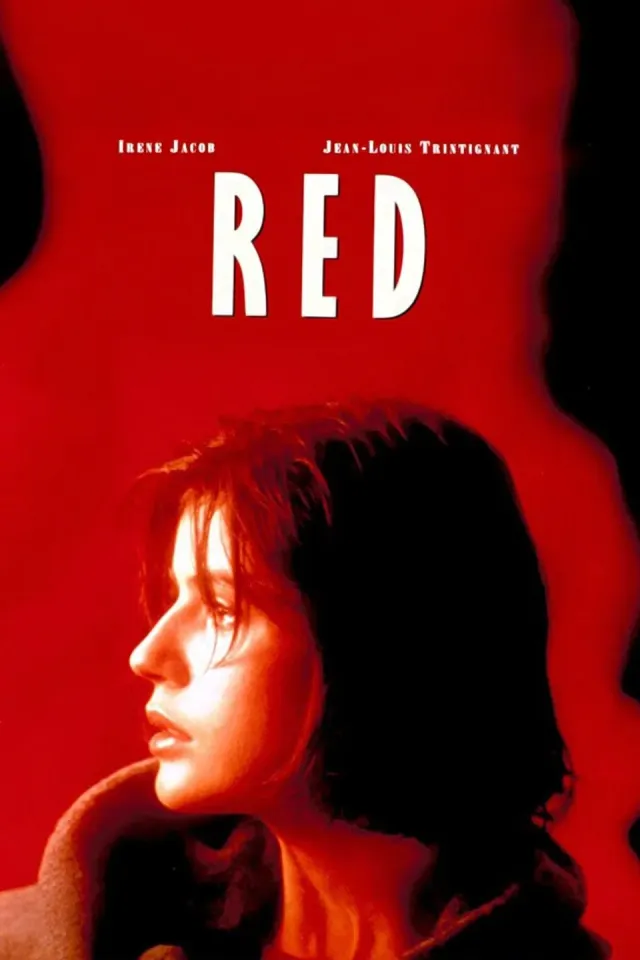
What changes Last Year at Marienbad: nonlinear and measured. Three Colours: Red: measured and interwoven.
In Geneva, model Valentine accidentally hits a dog and follows its address to the home of retired judge Joseph Kern. She discovers that he has been listening to his neighbors’ telephone calls, and their conversations gradually become a debate about privacy, responsibility and whether observation can substitute for involvement. Valentine’s own relationship with a distant boyfriend and the life of her neighbor Auguste develop in parallel, creating coincidences that the film leaves partly open to interpretation. The third film in Kieślowski’s trilogy connects chance encounters to a question of how people choose to treat one another. Kern’s listening has damaged his neighbors’ privacy, but telling Valentine what he did does not undo the breach.
Based on recorded story, mood and style. Your preferences can change the order.
What changes Last Year at Marienbad is tagged hypnotic and uncanny; A Man and a Woman is tagged romantic and melancholic.
A widowed race driver and a woman raising her daughter after her husband's death meet through their children's boarding school. Shared trips and conversations develop into attraction, but memories of their earlier marriages shape how each approaches a new relationship. The film moves between present encounters and remembered intimacy, allowing hesitation and emotional association to matter as much as a conventional sequence of romantic milestones.
Based on recorded story, mood and style. Your preferences can change the order.
Memory and identity
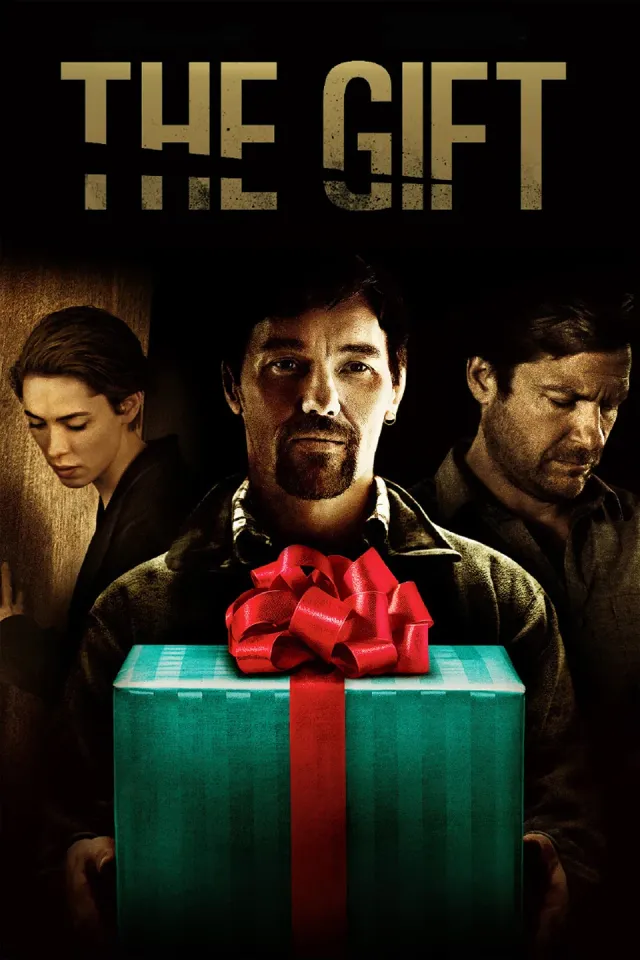
What changes Last Year at Marienbad: nonlinear and measured. The Gift: slow social unease builds to destabilizing reversals.
A couple settling into a new home are visited by a man from the husband’s past who brings gifts and increasingly unsettling attention. The social awkwardness of refusing hospitality grows into a psychological struggle over memory, power and the reliability of the couple’s account of earlier events. The thriller gains force by keeping revenge, guilt and manipulation in uneasy balance.
Based on recorded story, mood and style. Your preferences can change the order.
Memory and identity
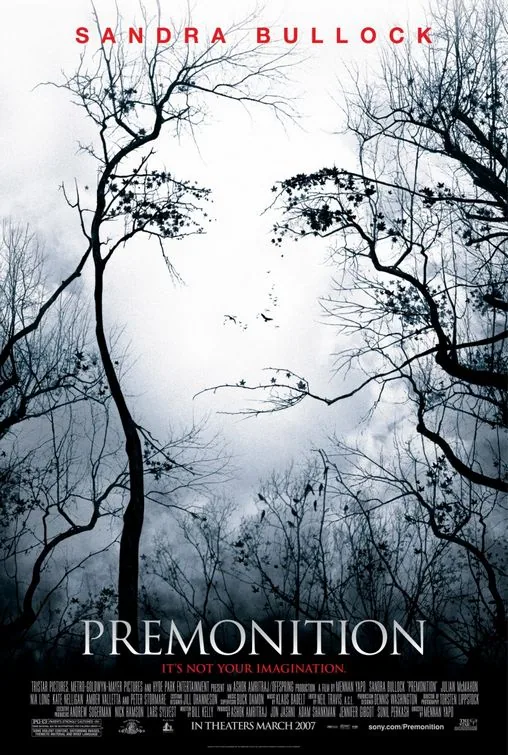
What changes Last Year at Marienbad is tagged hypnotic and uncanny; Premonition is tagged uneasy and emotional.
A woman’s sense of time fractures after she is told that her husband has died, then wakes to find him alive and experiences the days around the event out of sequence. She tries to understand the pattern and prevent a loss that seems both certain and changeable. The thriller ties a temporal puzzle to marital strain and family responsibility, asking how foreknowledge affects the choices people make under emotional pressure.
Based on recorded story, mood and style. Your preferences can change the order.
Memory and identity
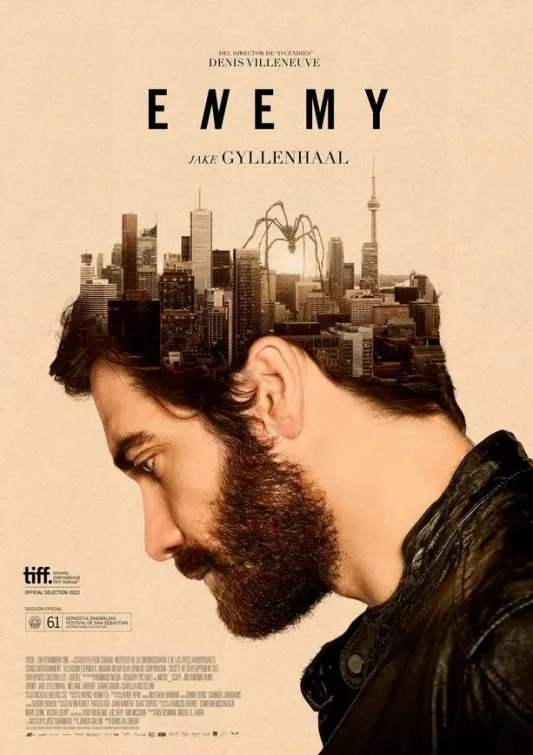
What changes Last Year at Marienbad: nonlinear and measured. Enemy: slow-building and subjective.
History professor Adam Bell notices an actor who looks exactly like him in a small film role and becomes determined to find the stranger. Their encounter draws both men and their partners into a pattern of secrecy, anxiety, and uncertainty about identity. Denis Villeneuve's psychological thriller adapts José Saramago through recurring images and an ambiguous structure, inviting attention to repetition and symbolism rather than offering a conventional explanation for every event.
Based on recorded story, mood and style. Your preferences can change the order.
What changes Last Year at Marienbad: nonlinear and measured. Strange Darling: nonlinear chapter structure, immediate thriller tension and recontextualizing revelations.
A one-night encounter between two strangers in Oregon turns into a violent chase through the countryside. The film presents the events in six chapters arranged out of chronological order, allowing encounters and apparent motives to change meaning as more information emerges. JT Mollner’s thriller stars Willa Fitzgerald and Kyle Gallner and is designed around perspective, expectation, and withheld context. A plot-specific profile should preserve its reversals and avoid disclosing which assumptions the film intends to unsettle.
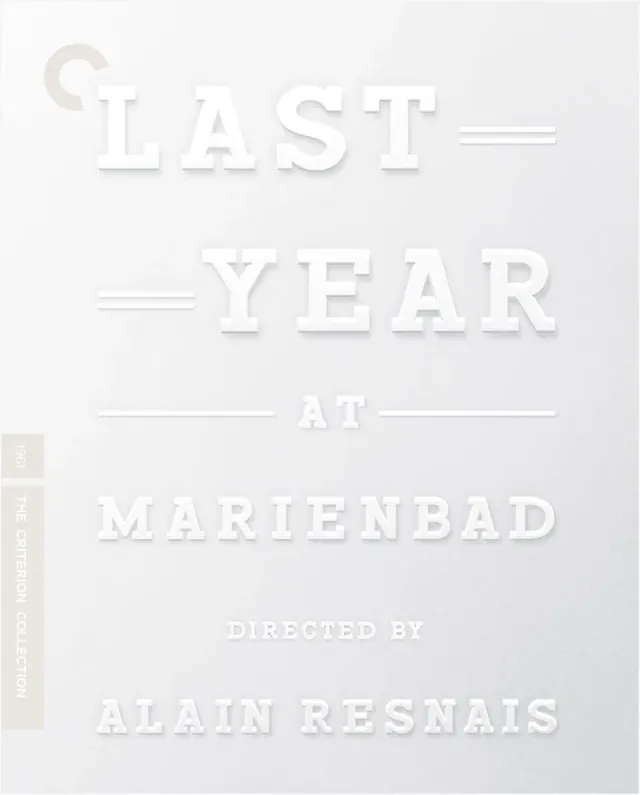
At an ornate European resort, a man insists that a woman met him the previous year and agreed to leave with him. She resists his version, while their conversations return to rooms, gardens and events that seem familiar but never settle into one chronology. A second man’s presence turns their exchange into a contest over memory and authority as much as a possible romance. Alain Resnais’s film withholds the evidence that would make the story a conventional mystery; its repeated spaces and contradictory statements keep the viewer inside a struggle over what may have happened. Ambiguity does not make the woman’s resistance incidental. The film’s formal puzzle and the pressure exerted by the man’s insistence need to be held together rather than resolved into a single secret answer.
What drives the story
The unnamed man keeps trying to convert his account of a prior meeting into a present obligation. The film’s loops do not establish whether he remembers, invents or imposes the story.
The people at its centre
The woman’s changing responses resist the certainty he demands, yet the camera and voiceover often give his perspective considerable power. Her hesitation should not be mistaken for a confirmed promise or a neat romantic invitation.
What it feels like
Tracking shots through formal corridors, repeated tableaux and precise narration make space feel more stable than time. Resnais’s editing allows scenes to recur with small changes, so visual recognition replaces ordinary plot progression.
Worth knowing
No final chronology is supplied, and claims that the puzzle has one solution exceed the evidence. A feminist reading can attend to coercive narrative authority without denying the film’s deliberate formal ambiguity.