Based on recorded story, mood and style. Your preferences can change the order.
Constructed reality · Memory and identity
What changes The Ice Tower: deliberate, dreamlike and suspenseful. I'm Thinking of Ending Things: a trip to meet a boyfriend’s parents gradually reveals mismatches in memory and point of view..
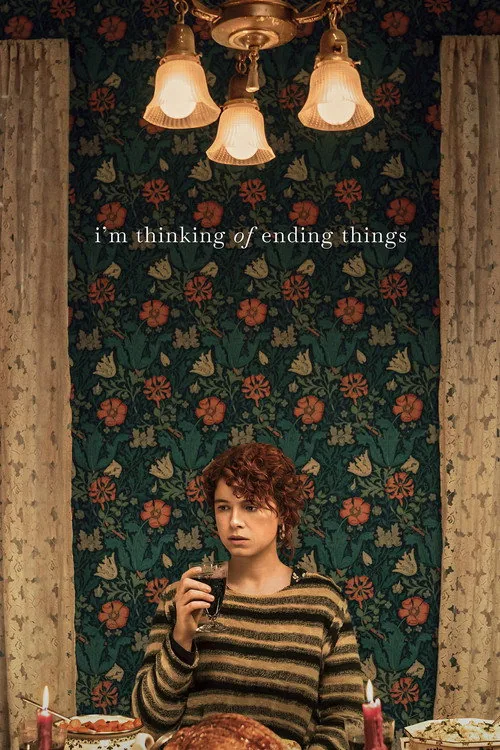
A young woman travels with her boyfriend Jake to meet his parents at their remote farmhouse, while an elderly school janitor’s workday is shown in parallel. The woman’s name, past, and account of how she met Jake shift, and the visit grows stranger as his parents change age and the couple’s drive home moves into a snowstorm. Charlie Kaufman’s adaptation of Iain Reid’s novel links the trip to the janitor’s memories and fantasies, using theatre, poetry, and film references to leave the story’s reality open to interpretation.
Based on recorded story, mood and style. Your preferences can change the order.
Constructed reality
What changes The Ice Tower: deliberate, dreamlike and suspenseful. The Purple Rose of Cairo: measured and metafictional.
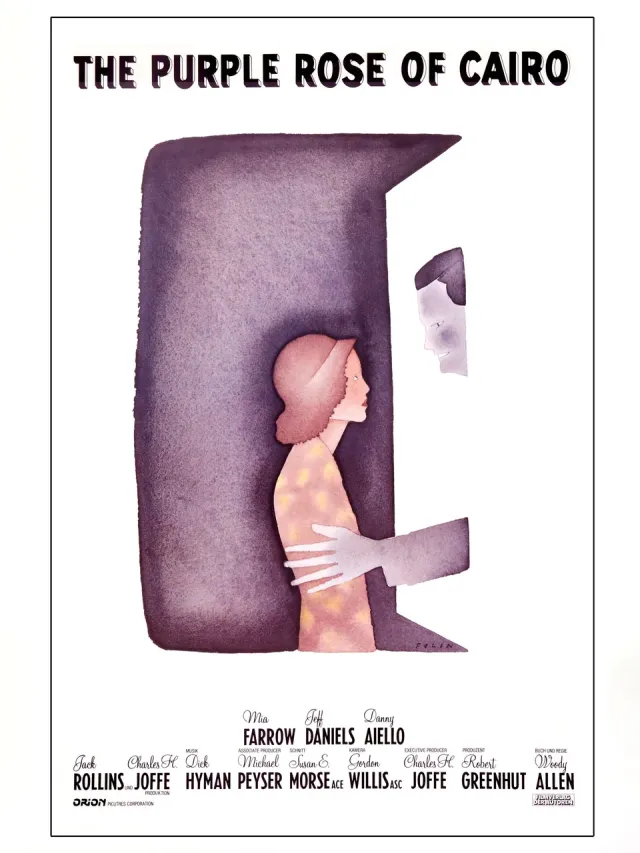
During the Depression, New Jersey waitress Cecilia escapes an abusive marriage and an exhausting job by returning to the cinema. A character in her favorite picture, archaeologist Tom Baxter, notices her and steps out of the screen, leaving the other film characters unable to continue. The studio sends Tom's actor, Gil Shepherd, to bring him back, and Cecilia becomes the focus of competing affections from the fictional adventurer and the man who portrays him. As the movie's producer threatens to destroy copies unless Tom returns, Cecilia must decide whether she wants a life with someone who belongs to fantasy or with someone who can move through the real world. The story's play with cinema is also a melancholic account of how little escape can change material circumstances.
Based on recorded story, mood and style. Your preferences can change the order.
What changes The Ice Tower: deliberate, dreamlike and suspenseful. Dungeons & Dragons: escalating and adventure-led.
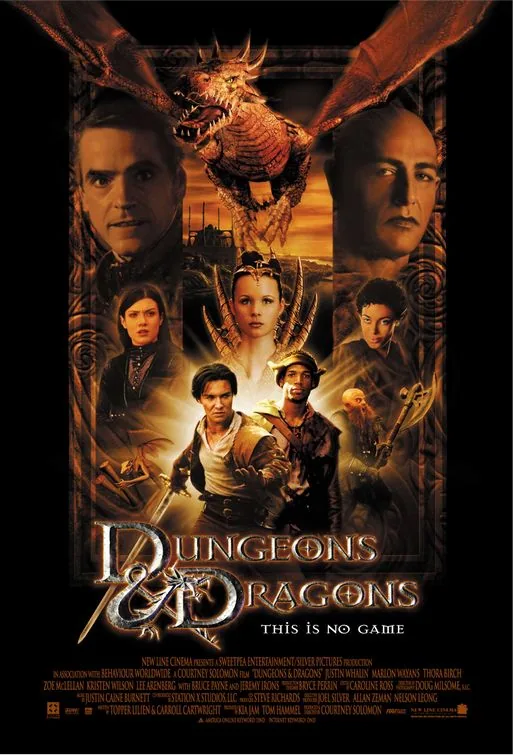
A young empress hires a pair of inexperienced thieves to help her recover a magical object that could upset the balance of power in her kingdom. Their mission brings them into conflict with a court magician and an alliance of unlikely companions. The film turns a tabletop-inspired quest into broad fantasy adventure, with loyalty and improvisation more important than heroic polish.
Based on recorded story, mood and style. Your preferences can change the order.
Memory and identity
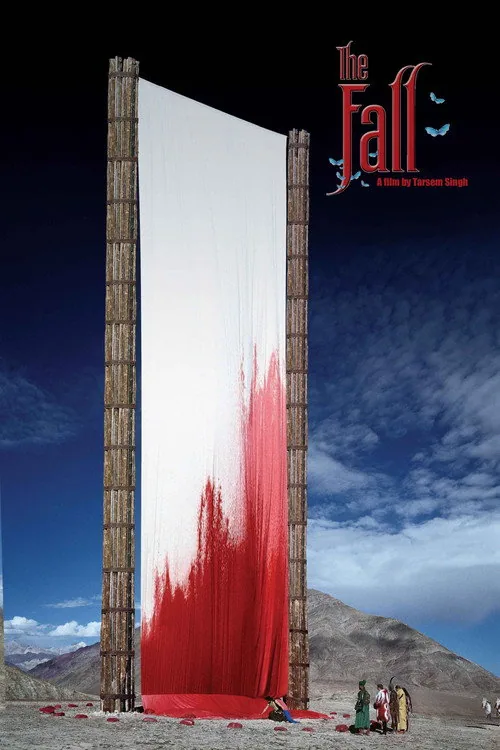
What changes The Ice Tower: deliberate, dreamlike and suspenseful. The Fall: a framed conversation expands into a collaborative imagined quest.
In a 1920s Los Angeles hospital, injured stuntman Roy tells young patient Alexandria an elaborate story about a masked bandit and a band of heroes. Alexandria imagines the characters through people she sees around her, and her contributions gradually shape a fantasy that reflects Roy’s private pain. Tarsem Singh’s film moves between intimate hospital scenes and vivid landscapes, exploring storytelling as a shared act that can comfort, manipulate, and give a listener a voice.
Based on recorded story, mood and style. Your preferences can change the order.
Constructed reality · Memory and identity
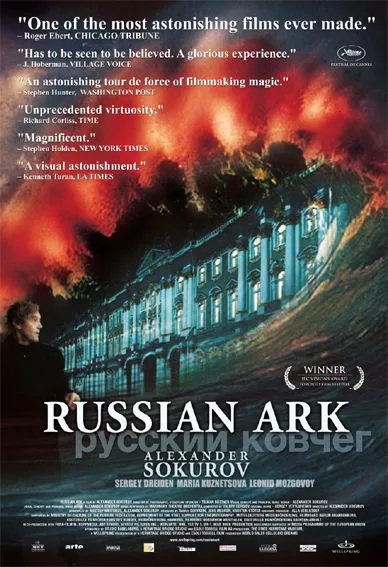
What changes The Ice Tower: deliberate, dreamlike and suspenseful. Russian Ark: unhurried and continuous.
A disembodied narrator wanders through the Hermitage and Winter Palace, encountering figures from different periods of Russian history alongside a European diplomat. The journey unfolds as one continuous camera movement, connecting rooms, art and social rituals without conventional cuts. The film makes the museum’s architecture its organizing principle and turns a walk through accumulated history into a meditation on memory and cultural identity.
Based on recorded story, mood and style. Your preferences can change the order.
Constructed reality
What changes The Ice Tower: deliberate, dreamlike and suspenseful. Before I Fall: repeating-day structure, incremental emotional shifts and contemplative resolution.
High-school senior Samantha Kingston wakes after a fatal night and finds herself reliving the same day repeatedly. At first she follows the habits of her popular social group, but each cycle reveals more about how her actions affect classmates, especially the isolated girl she and her friends have bullied. With the day resetting, Samantha gets repeated chances to change small choices and confront the social cruelty that shaped her life. The fantasy drama uses a time loop for a coming-of-age moral reckoning.
Based on recorded story, mood and style. Your preferences can change the order.
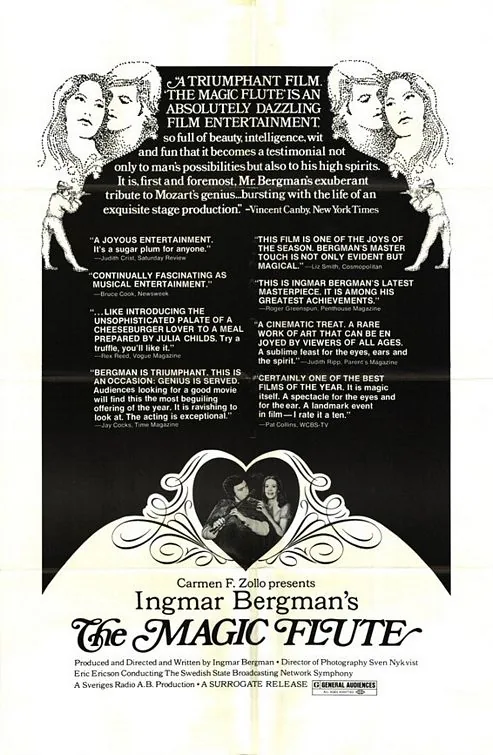
What changes The Ice Tower: deliberate, dreamlike and suspenseful. The Magic Flute: musical, episodic and staged.
Bergman stages Mozart's opera inside a theatrical recreation of the Drottningholm court theater, showing both the fairy-tale action and the audience watching it. Prince Tamino and bird-catcher Papageno set out to find Pamina; the Queen of the Night's account of her daughter's capture gives way to a more complicated conflict around Sarastro. Tests of courage, silence and loyalty guide the characters toward new understanding, while music and visible stagecraft remain central.
Based on recorded story, mood and style. Your preferences can change the order.
Memory and identity
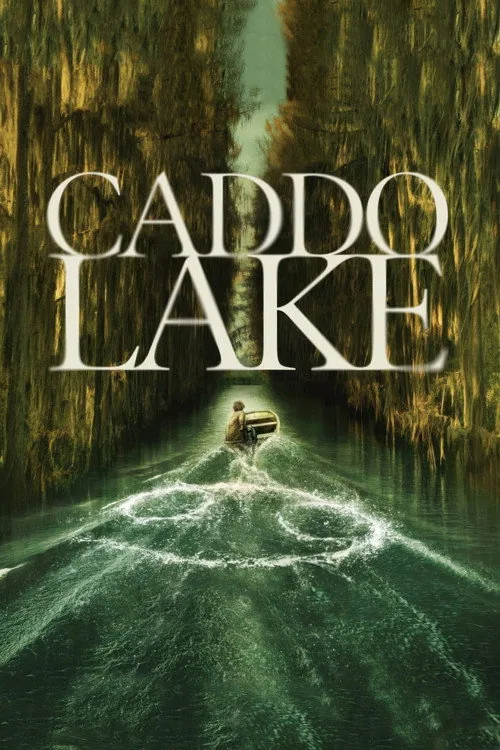
What changes The Ice Tower: deliberate, dreamlike and suspenseful. Caddo Lake: dual-thread mystery, slow clue accumulation and revelation-driven close.
When young Anna disappears near Caddo Lake, her family searches the swampy shoreline while her stepsister Ellie tries to understand what happened. The lake's changing water levels lead Ellie into a strange sequence of events that connects her investigation with a young man living elsewhere in time. As separate family stories begin to overlap, the mystery ties place, memory, and an old disappearance together. The thriller uses the lake's geography as both landscape and mechanism.
Based on recorded story, mood and style. Your preferences can change the order.
Memory and identity
What changes The Ice Tower: deliberate, dreamlike and suspenseful. Lokah Chapter 1: Chandra: night-shift routine introduces chandra, mystery around her abilities deepens and revelations open a wider mythic world.
Chandra is a mysterious young woman with supernatural powers who works night shifts at a cafe in Bengaluru. Sunny, a neighbor who becomes fascinated by her, is drawn into the secrets surrounding her unusual abilities and hidden past. As Chandra confronts dangers linked to her identity, the story reveals a world where folklore and modern city life meet. This Malayalam fantasy superhero film launches a larger mythic universe, combining urban action and origin-story mystery with a lead character whose powers place her outside ordinary human life.
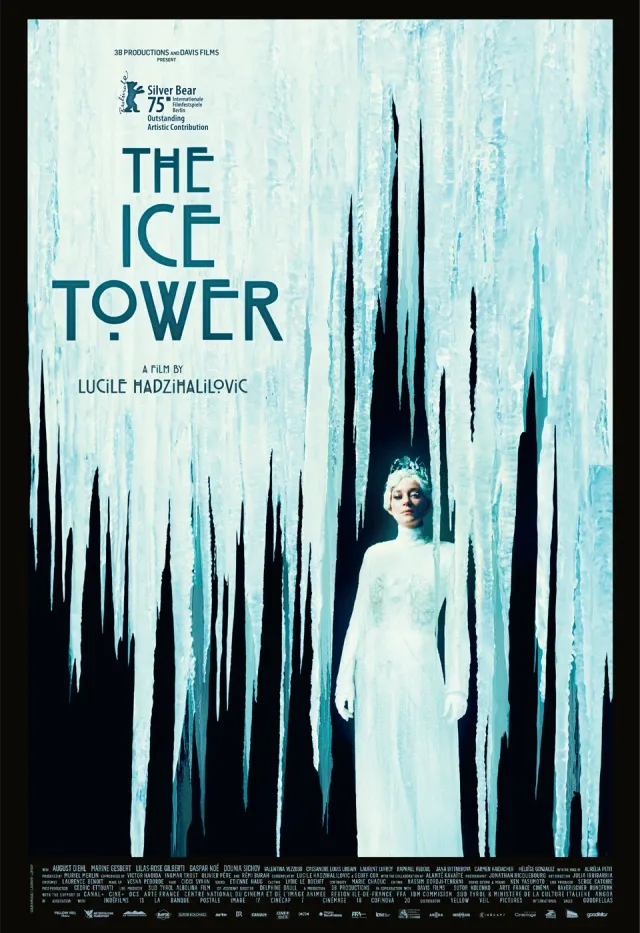
In the 1970s, runaway Jeanne takes refuge in a film studio and becomes fascinated by Cristina, the enigmatic star of a Snow Queen adaptation being shot there. Their attraction grows into a mutual but potentially dangerous fixation, with the production’s fairy-tale world echoing the unequal realities around them. Lucile Hadžihalilović’s film blends psychological drama and fantasy through an atmosphere of solitude, performance, and desire.
What drives the story
Jeanne's refuge in a studio draws her into Cristina's orbit and into the staged world of a fairy tale.
The people at its centre
The relationship between the runaway girl and the celebrated actress carries both fascination and danger.
What it feels like
Film production and fairy-tale motifs blur the line between a role being performed and a life being lived.
Worth knowing
The film favors atmosphere and ambiguity, letting images carry much of its psychological tension.