Based on recorded story, mood and style. Your preferences can change the order.
Music and performance · Dream worlds
What changes The Magic Flute: musical, episodic and staged. Orfeo: dreamlike.
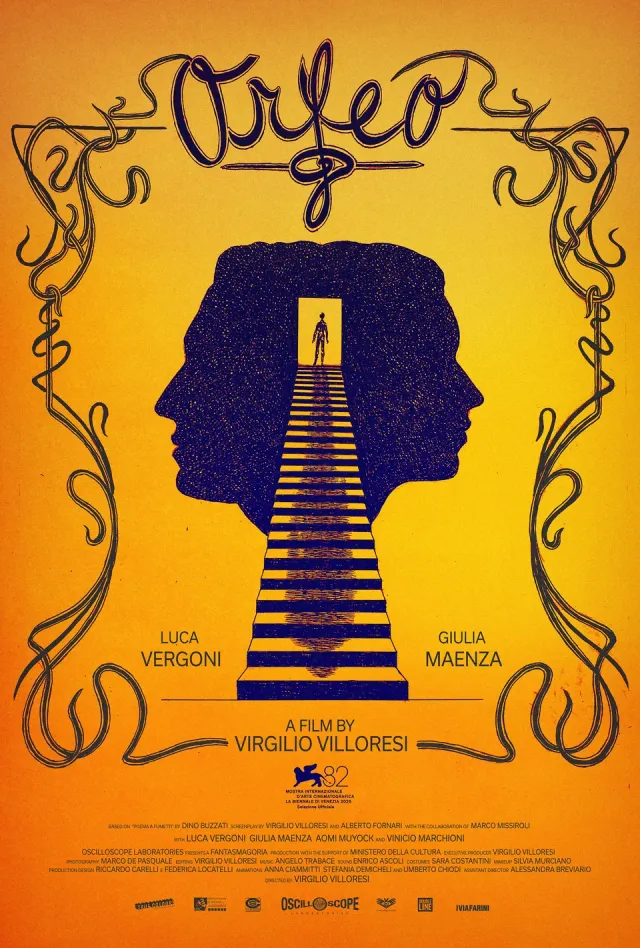
A solitary pianist meets Eura at the club where he performs and falls in love, only to lose her when she disappears. Following her through a mysterious doorway, he enters an imagined underworld filled with strange figures and images. Adapted from Dino Buzzati's graphic novel, this version of the Orpheus story ties romantic longing to music and handcrafted cinematic illusion.
Based on recorded story, mood and style. Your preferences can change the order.
Dream worlds
What changes The Magic Flute: musical, episodic and staged. Isn't It Romantic: a heightened alternate reality follows a recognizable rom-com arc.
Architect Natalie wakes after an accident to find herself living inside a glossy romantic-comedy world, despite disliking the genre’s conventions. Familiar locations, meet-cute encounters and musical interludes appear around her, forcing her to reconsider both romance and her own expectations. The fantasy comedy uses genre awareness as its premise, sending a skeptical protagonist through the tropes she once dismissed.
Based on recorded story, mood and style. Your preferences can change the order.
Dream worlds
What changes The Magic Flute is tagged playful and magical; The Imaginarium of Doctor Parnassus is tagged whimsical and uneasy.
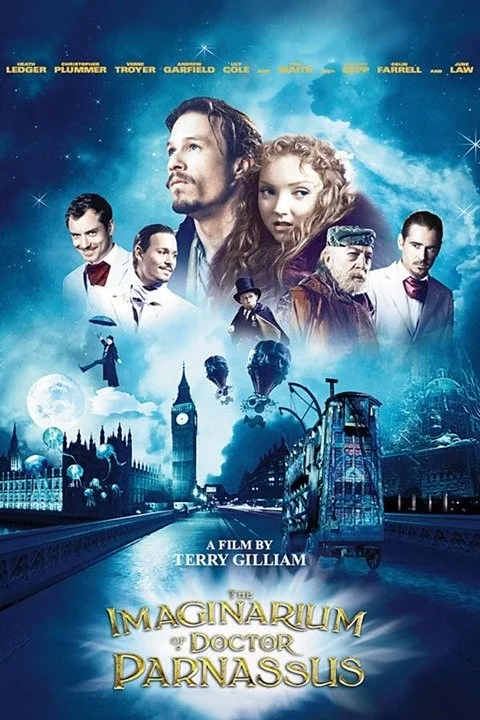
A traveling theatre led by Doctor Parnassus offers audiences passage into fantastical inner worlds, but its founder’s bargain with the Devil threatens his daughter’s future. When a mysterious stranger joins the troupe, the performers try to outmaneuver the deal through imagination and changing appearances. The fantasy uses shifting visual styles and theatrical artifice to explore temptation, storytelling and the price of trying to control another person’s fate.
Based on recorded story, mood and style. Your preferences can change the order.
Music and performance
What changes The Magic Flute is tagged playful and magical; Into the Woods is tagged witty and bittersweet.
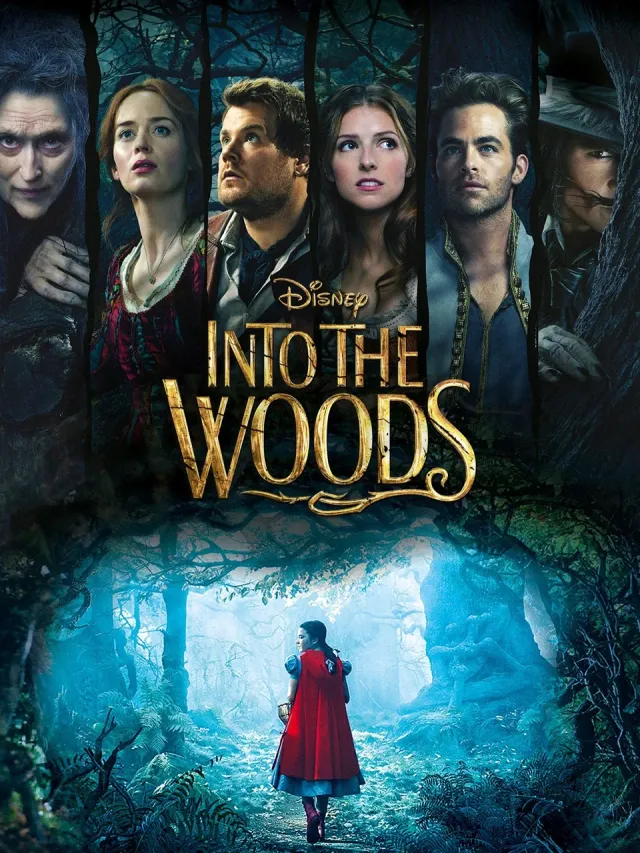
A baker and his wife enter a forest to assemble objects that could lift a curse preventing them from having a child. Their bargain intersects with other familiar wishes, allowing each apparent success to help produce another person's trouble. When the initial happy endings fail to remain stable, surviving characters must act without the moral simplicity the stories seemed to promise. The musical makes desire causally entangled, shifting from acquisition toward responsibility for damage that cannot be assigned to one conveniently isolated villain.
Based on recorded story, mood and style. Your preferences can change the order.
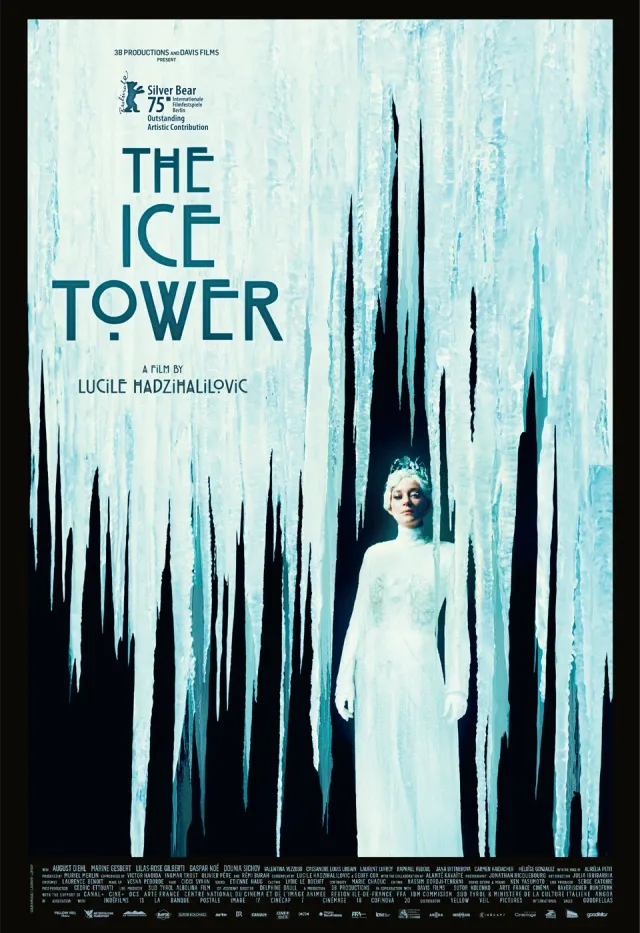
What changes The Magic Flute: musical, episodic and staged. The Ice Tower: deliberate, dreamlike and suspenseful.
In the 1970s, runaway Jeanne takes refuge in a film studio and becomes fascinated by Cristina, the enigmatic star of a Snow Queen adaptation being shot there. Their attraction grows into a mutual but potentially dangerous fixation, with the production’s fairy-tale world echoing the unequal realities around them. Lucile Hadžihalilović’s film blends psychological drama and fantasy through an atmosphere of solitude, performance, and desire.
Based on recorded story, mood and style. Your preferences can change the order.
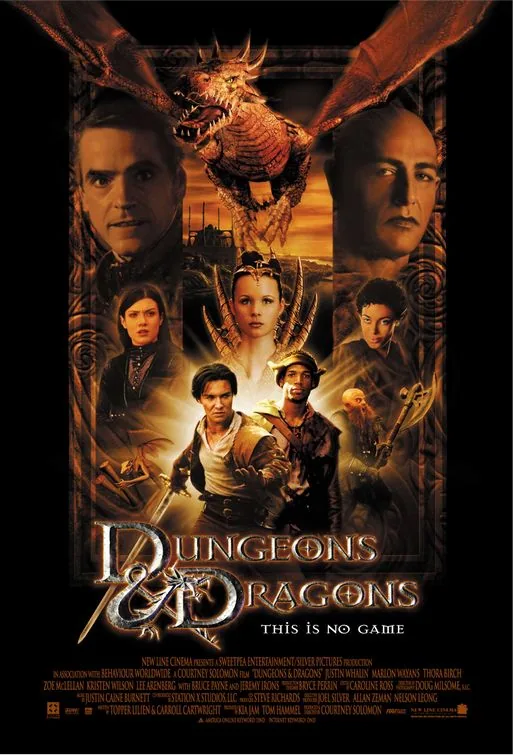
What changes The Magic Flute: musical, episodic and staged. Dungeons & Dragons: escalating and adventure-led.
A young empress hires a pair of inexperienced thieves to help her recover a magical object that could upset the balance of power in her kingdom. Their mission brings them into conflict with a court magician and an alliance of unlikely companions. The film turns a tabletop-inspired quest into broad fantasy adventure, with loyalty and improvisation more important than heroic polish.
Based on recorded story, mood and style. Your preferences can change the order.
Dream worlds
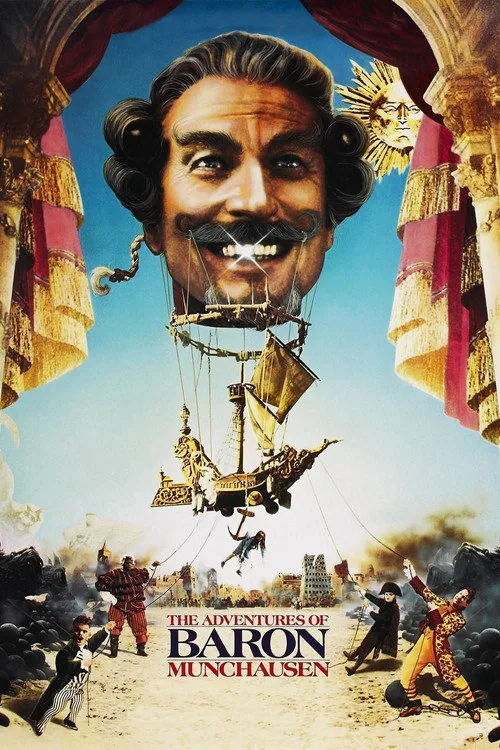
What changes The Magic Flute: musical, episodic and staged. The Adventures of Baron Munchausen: episodic fantasy adventures, theatrical scene changes and large siege finale.
An aging Baron Munchausen interrupts a stage play in a besieged European city and claims to be the real man whose adventures the actors have misrepresented. With a young girl named Sally, he sets out to recruit his extraordinary old companions and stop an Ottoman army from taking the city. Terry Gilliam turns the journey into a cascade of tall tales, theatrical transitions, and impossible escapes, blurring the distinction between an aging storyteller's imagination and a world desperate for wonder.
Based on recorded story, mood and style. Your preferences can change the order.
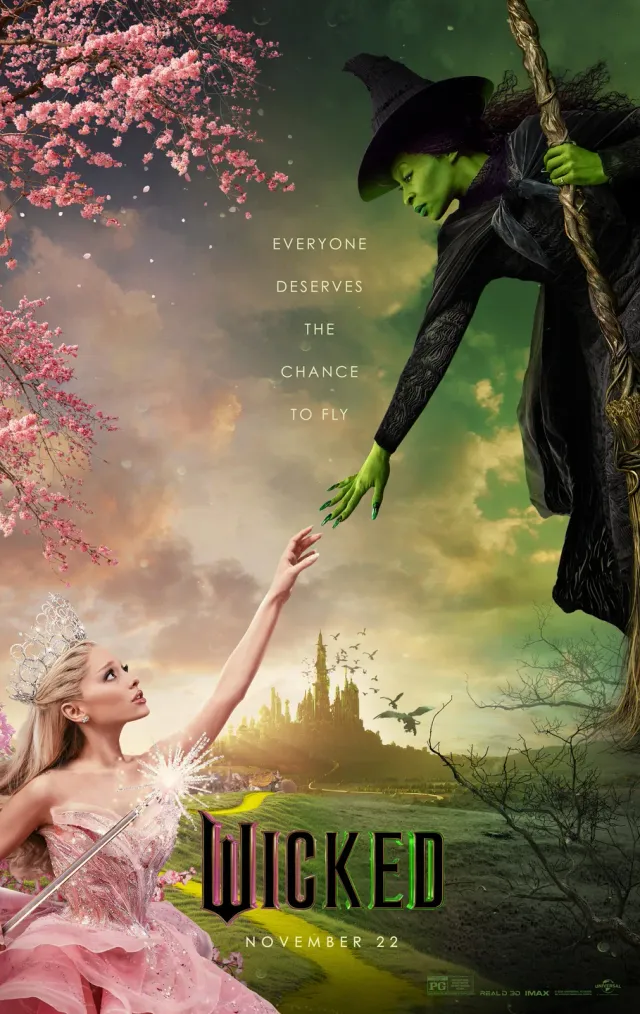
What changes The Magic Flute: musical, episodic and staged. Wicked: musical development and part-one arc.
In the Land of Oz, the story follows Elphaba, a young woman whose green skin makes her an outsider, and the popular Glinda as they meet at school and develop an unlikely friendship. Their bond is tested as they encounter the Wizard’s authority and discover that public stories about good and evil may conceal political choices. This film covers the first portion of a two-part adaptation of the stage musical, ending before the full arc reaches its conclusion. Songs and fantasy spectacle frame a story about identity, belonging and power. Part one ends with their friendship tested by consequences of Elphaba's refusal to conform. Glinda's choices remain tied to school status even as her friend chooses dissent.
Based on recorded story, mood and style. Your preferences can change the order.
Music and performance
What changes The Magic Flute: musical, episodic and staged. Ella Enchanted: adventure-driven, musical interludes and light episodic turns.
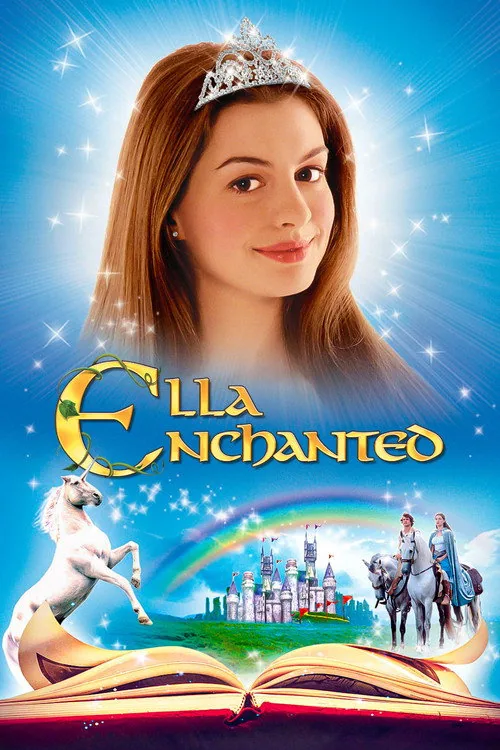
Ella is born into a fairy-tale kingdom where her godmother gives her the gift of obedience, leaving her compelled to follow whatever command she hears. As she grows up, Ella tries to control the curse and keep it from being used against the people she cares about. Her journey brings her into contact with Prince Charmont, a scheming royal, and a kingdom where magical beings face discrimination. The musical fantasy comedy reworks Cinderella conventions into a quest about consent, self-command, and resisting those who benefit from unquestioned obedience.
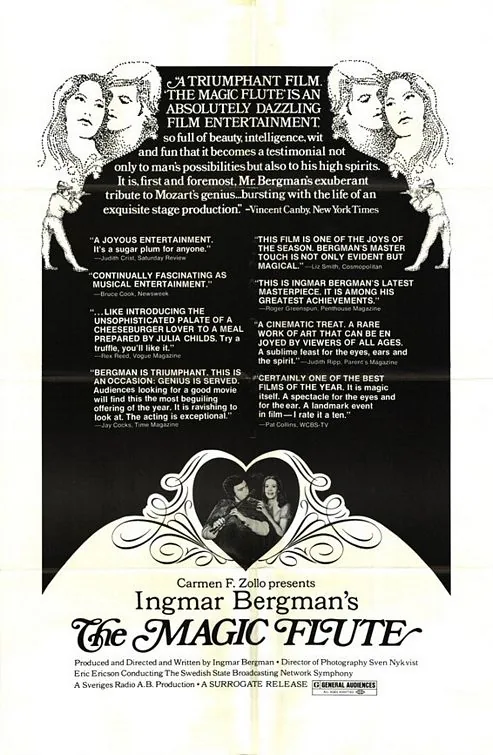
Bergman stages Mozart's opera inside a theatrical recreation of the Drottningholm court theater, showing both the fairy-tale action and the audience watching it. Prince Tamino and bird-catcher Papageno set out to find Pamina; the Queen of the Night's account of her daughter's capture gives way to a more complicated conflict around Sarastro. Tests of courage, silence and loyalty guide the characters toward new understanding, while music and visible stagecraft remain central.
What drives the story
The opera moves Tamino and Papageno through a quest and successive tests, while Bergman's framing makes the theater itself part of the story.
The people at its centre
Tamino and Pamina's developing trust runs alongside Papageno's comic search for companionship; the Queen and Sarastro embody rival claims to authority.
What it feels like
Opera singing, vivid theatrical imagery and visible spectatorship preserve the pleasure of performance while the quest moves through fairy-tale trials.
Worth knowing
It is not naturalistic opera filmed as a stage record; theatrical artifice and the audience's presence shape Bergman's cinematic version.
InitiationCourageLove
Mood
Playful · Magical · Ceremonial
Pacing
Musical · Episodic · Staged
Visual style
Theatrical · Baroque · Rich color · Stagecraft
Storytelling
Opera adaptation · Fairy tale · Trial sequence · Meta-theatrical performance