Explore films connected to The Accused through Consent and accountability, Courage to testify, Institutional failure. Choose the qualities you want to carry into your next watch.
What should feel similar?
Find your next favourite
9 films · Closest overall matches
Hide films you’ve seen or don’t want. Saved on this device.
No matches for this combination yet.
Try another option or reset your choices to see more films.
Based on recorded story, mood and style. Your preferences can change the order.
Investigation
What changes The Accused: aftermath and investigation and legal reckoning. A Time to Kill: escalating.
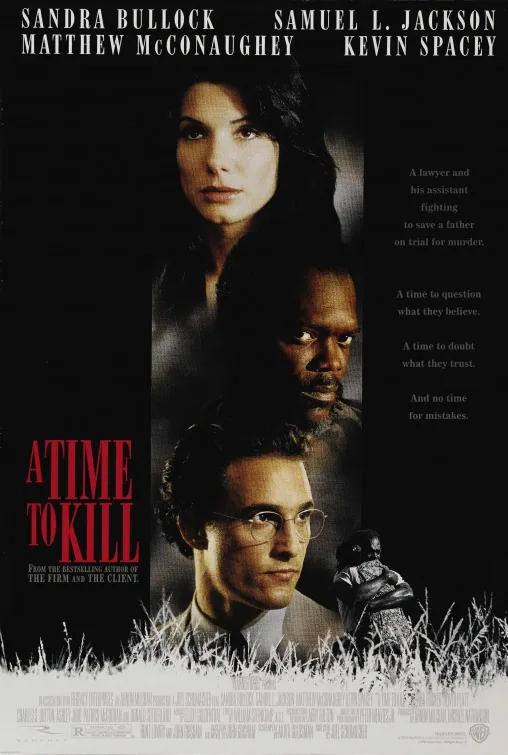
After a Black girl is brutally attacked in Mississippi, her father kills the accused men and faces a murder trial. A young white lawyer agrees to defend him as racial intimidation and public anger spread beyond the courtroom. Preparing the case endangers colleagues and family, turning a legal argument about responsibility into a confrontation with the unequal sympathy and institutional power shaping the surrounding community.
Based on recorded story, mood and style. Your preferences can change the order.
Investigation
What changes The Accused: aftermath and investigation and legal reckoning. Jai Bhim: evidence-led procedural build.
In 1993 Tamil Nadu, Sengeni’s husband Rajakannu is arrested after a jewelry theft and then disappears from police custody. When authorities claim that he escaped, Sengeni seeks help from Chandru, an activist lawyer who files a habeas corpus case and challenges the official account through evidence and testimony. The legal drama follows her pursuit of accountability, grounding courtroom conflict in the vulnerability of a marginalized Irula family facing state power.
Based on recorded story, mood and style. Your preferences can change the order.
Investigation
What changes The Accused: aftermath and investigation and legal reckoning. The Secret in Their Eyes: past-and-present structure, case file reconstruction and late moral revelation.
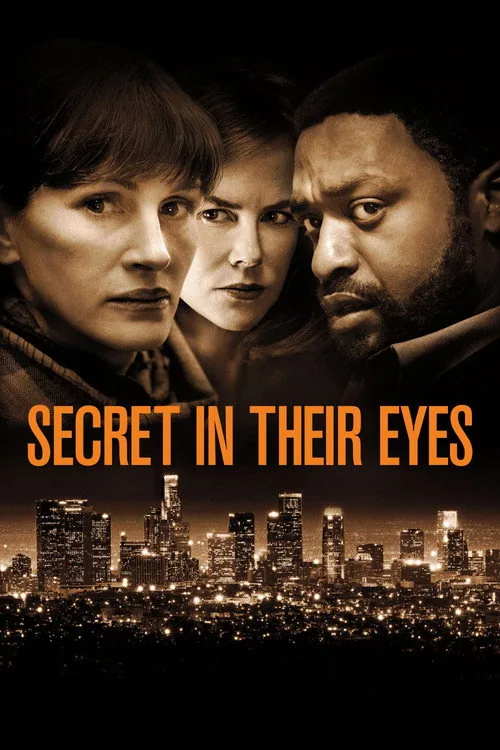
Years after a young woman is murdered, retired investigator Ray Kasten returns to Los Angeles and tries to reopen the case alongside former colleague Claire Sloan. The victim was the daughter of Ray's friend Jess, whose grief and search for justice shaped the original investigation. A suspect connected to a terrorism inquiry was never brought to trial, and the old team must confront why the case stalled. The American adaptation combines a murder investigation with unresolved love, institutional compromise, and the long reach of trauma.
Based on recorded story, mood and style. Your preferences can change the order.
Investigation
What changes The Accused: aftermath and investigation and legal reckoning. Absence of Malice: procedural and consequences accumulate.
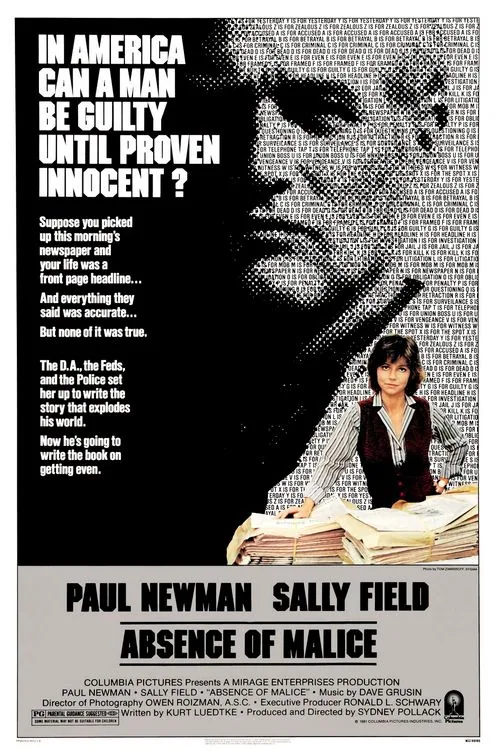
A prosecutor leaks information that makes liquor wholesaler Michael Gallagher look connected to a murder, and journalist Megan Carter publishes the allegation without knowing how it was planted. The false story damages Gallagher's relationships and exposes the conflict between investigative ambition and due process. As the people involved try to correct the record, the film examines how an official whisper can become public truth before anyone accepts responsibility.
Based on recorded story, mood and style. Your preferences can change the order.
Investigation
What changes The Accused: aftermath and investigation and legal reckoning. Destroyer: fragmented chronology, investigation-led and bursts of violence.
LAPD detective Erin Bell learns that a former member of a criminal gang has resurfaced, reopening the undercover operation she and an FBI partner entered years earlier. She tracks people connected to the old case across Los Angeles, confronting the damage left in her family and in her own life. The story alternates between the original infiltration and Erin’s present-day investigation, using the two timelines to reveal how secrecy and violence have shaped her.
Based on recorded story, mood and style. Your preferences can change the order.
What changes The Accused: aftermath and investigation and legal reckoning. The Unforgivable: a search for a lost family connection runs alongside an approaching revenge plot..
After serving twenty years for killing a sheriff, Ruth Slater is released into a world that still defines her by the crime. She searches for her younger sister, whom she protected by taking the blame, while navigating supervision, public hostility, and the adults who raised the girl. As Ruth tries to establish contact, the victim’s sons pursue their own revenge. The drama alternates between present-day barriers and the traumatic event that shaped both sisters’ lives.
Based on recorded story, mood and style. Your preferences can change the order.
Investigation
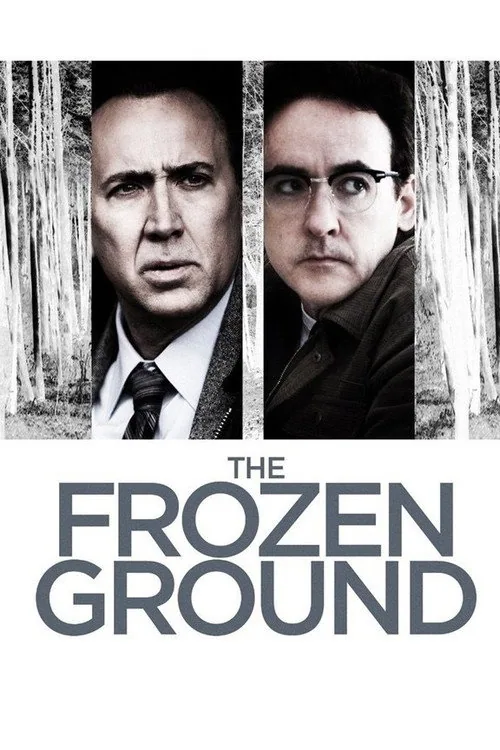
What changes The Accused: aftermath and investigation and legal reckoning. The Frozen Ground: police investigation, parallel pursuit and protection and case-building escalation.
Alaska State Trooper Jack Halcombe investigates the disappearance of women in Anchorage and begins to suspect local baker and hunter Robert Hansen. Cindy Paulson, a young woman who escaped Hansen, provides an account that police have difficulty verifying, leaving Halcombe to build a case while trying to keep her safe. Scott Walker’s crime thriller is based on real murders and follows the tension between a survivor’s testimony and a system slow to believe her; it includes sexual violence and violence against women.
Based on recorded story, mood and style. Your preferences can change the order.
Investigation
What changes The Accused: aftermath and investigation and legal reckoning. The Girl Who Kicked the Hornets' Nest: legal and investigative strands, conspiracy escalation and courtroom climax.
Lisbeth Salander lies in a hospital after surviving an attack by her father and faces criminal charges when she recovers. Journalist Mikael Blomkvist works to expose the secret security-service faction that concealed her abuse and framed her for crimes, while officials try to silence those who know the truth. Daniel Alfredson’s Swedish thriller concludes the original Millennium trilogy with a courtroom case and a political conspiracy. It depends on the events of the previous two films and includes sexual violence and trauma themes.
Based on recorded story, mood and style. Your preferences can change the order.
Investigation
What changes The Accused: aftermath and investigation and legal reckoning. I Don't Feel at Home in This World Anymore: gradual escalation and comic and violent reversals.
Ruth, a nursing assistant exhausted by everyday selfishness, finds her home burglarized and becomes frustrated by a police response that offers little help. With Tony, her eccentric martial-arts-loving neighbor, she tracks the stolen belongings and confronts the people responsible. Their attempt to reclaim ordinary property quickly leads them into dangerous criminal territory and increasingly absurd violence. Macon Blair’s dark comedy thriller follows two unlikely partners whose effort to restore a small sense of order exposes how far their anger and need for purpose can carry them.
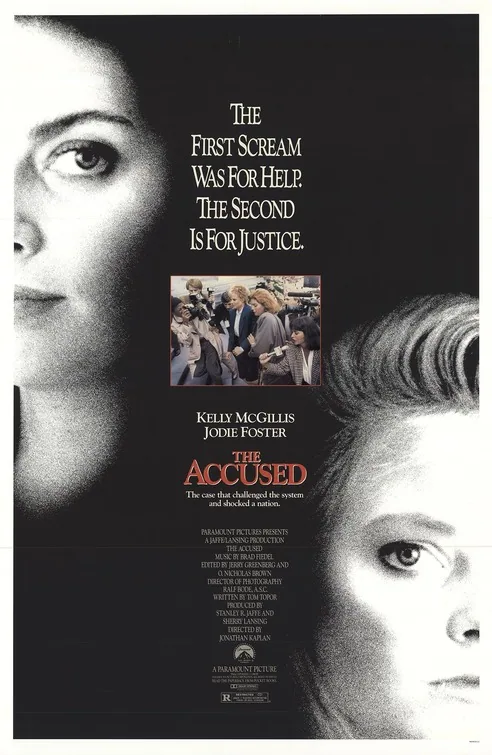
After Sarah Tobias is gang-raped at a bar, assistant district attorney Katheryn Murphy negotiates a plea deal that avoids a trial and reduces the attackers' charges. Sarah feels that the agreement silences her, especially when the men who encouraged the assault remain uncharged. When one of those bystanders later harasses her, she confronts him and is arrested. Katheryn then reopens the case and builds a prosecution around the witnesses who participated in the violence. Their courtroom effort shifts attention from Sarah's behavior to the men who chose to attack and assist them.
What drives the story
The first plea bargain protects the perpetrators from public scrutiny; reopening the case makes the witnesses' participation, not Sarah's past, central evidence.
The people at its centre
Sarah insists on being heard even when Katheryn initially doubts her credibility, and the prosecutor must confront how her own assumptions narrowed justice.
What it feels like
A restrained courtroom drama foregrounds testimony and institutional choices around a violent assault, with the trial providing the main escalation.
Worth knowing
Choose it for serious legal drama about sexual violence, witness complicity and the limits of plea bargaining; the assault is central and distressing.
Consent and accountabilityCourage to testifyInstitutional failure
Mood
Angry · Painful · Resolute
Pacing
Aftermath and investigation · Legal reckoning
Visual style
Realist courtroom drama · Restrained staging
Storytelling
Sexual assault · Witness advocacy · Courtroom case