Based on recorded story, mood and style. Your preferences can change the order.
Investigation
What changes Jai Bhim: evidence-led procedural build. The Accused: aftermath and investigation and legal reckoning.
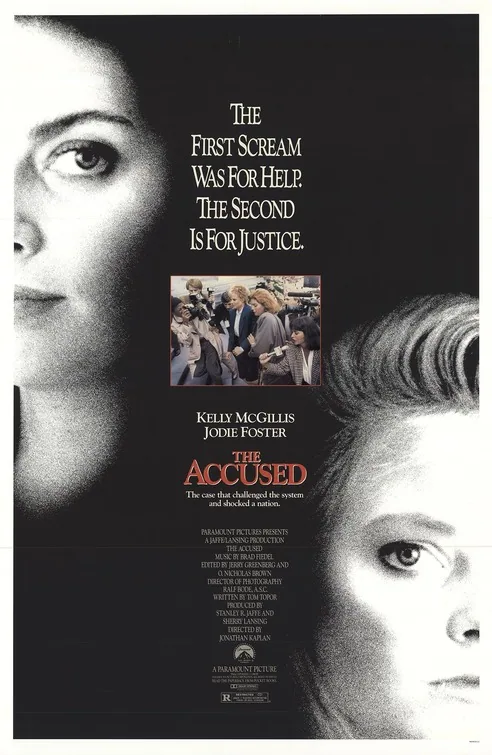
After Sarah Tobias is gang-raped at a bar, assistant district attorney Katheryn Murphy negotiates a plea deal that avoids a trial and reduces the attackers' charges. Sarah feels that the agreement silences her, especially when the men who encouraged the assault remain uncharged. When one of those bystanders later harasses her, she confronts him and is arrested. Katheryn then reopens the case and builds a prosecution around the witnesses who participated in the violence. Their courtroom effort shifts attention from Sarah's behavior to the men who chose to attack and assist them.
Both share themes of justice, plus a resolute and grave atmosphere.
Why this matches +
Genres: Crime / Drama
Shared film traits
Based on recorded story, mood and style. Your preferences can change the order.
What changes Jai Bhim: evidence-led procedural build. Sound of Freedom: mission-driven and escalating.
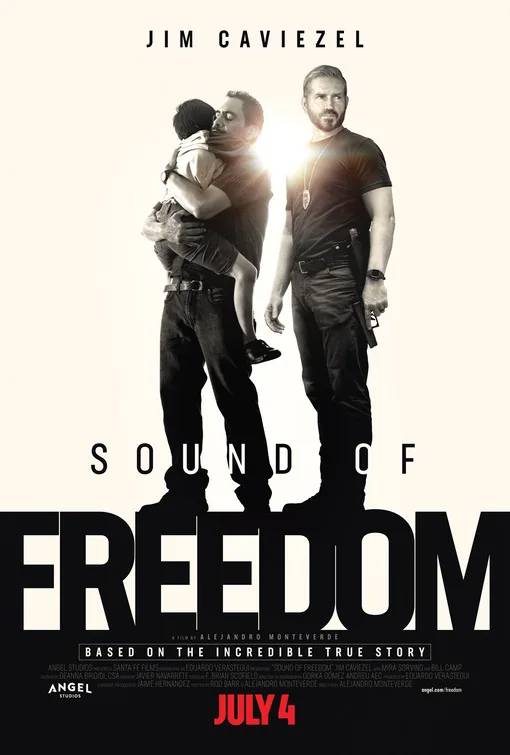
A federal investigator's work against online child exploitation leads him to a case involving siblings abducted in Honduras. When a rescue abroad proves more complicated than a domestic arrest, he leaves official channels to pursue information and help locate the children. The mission shifts between investigation, undercover contact and physical danger, framing one operative's commitment against a criminal network that profits from vulnerable families.
Based on recorded story, mood and style. Your preferences can change the order.
Political resistance · Investigation
What changes Jai Bhim: evidence-led procedural build. Satluj: an activist’s examination of cremation records exposes a pattern of disappearances during punjab’s insurgency..
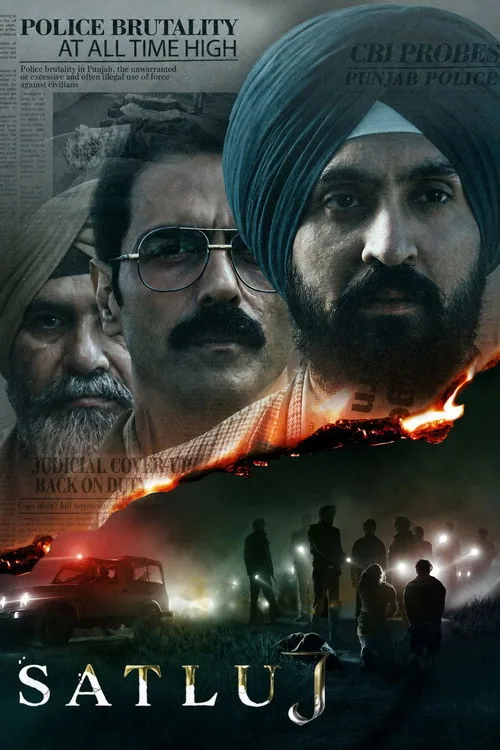
In the early 1990s, Punjab human-rights activist Jaswant Singh Khalra investigates reports of people who disappeared during the insurgency and finds evidence that unidentified victims were secretly cremated. Working from municipal and cremation records, he attempts to document the scale of the deaths and bring the findings to public attention. His investigation places him and his family under increasing pressure from state authorities. Honey Trehan’s drama, originally titled Punjab ’95 and released in 2026 as Satluj, depicts Khalra’s activism and disappearance against a contested period of recent history.
Based on recorded story, mood and style. Your preferences can change the order.
Political resistance · Investigation
What changes Jai Bhim: evidence-led procedural build. Haider: investigation-led opening, political tension and performance and tragic revenge escalation.
Set during the Kashmir insurgency of 1995, Haider returns to Srinagar after his father disappears during a military detention. His search draws him into a family crisis involving his mother Ghazala, his uncle Khurram, and Arshia, a journalist whose father works in the police. Vishal Bhardwaj relocates Hamlet to a conflict zone where grief, state violence, loyalty, and betrayal overlap. The result is a political tragedy that places Shakespeare's revenge story within the lived uncertainty of Kashmir.
Based on recorded story, mood and style. Your preferences can change the order.
Investigation
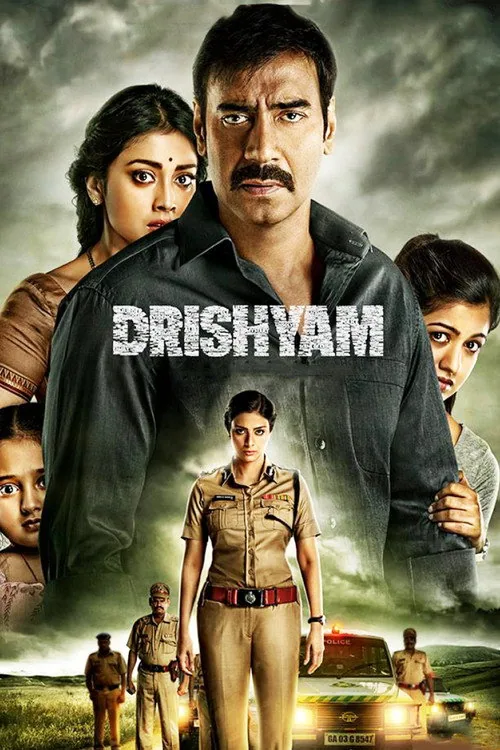
What changes Jai Bhim: evidence-led procedural build. Drishyam: vijay turns familiar film stories into a carefully rehearsed alibi designed to withstand police questioning..
Cable-television operator Vijay Salgaonkar lives with his wife and two daughters in Goa and often uses what he has learned from watching films to solve problems. When an encounter involving the older daughter ends in the accidental death of a young man who had been blackmailing her, Vijay builds an elaborate false timeline to protect his family. Inspector General Meera Deshmukh leads a search for her missing son and begins to suspect the Salgaonkar household. Nishikant Kamat’s Hindi crime thriller turns a family cover-up into a contest of planning and evidence.
Both share themes of justice, plus an angry and resolute atmosphere.
Why this matches +
Genres: Drama / Crime
Shared film traits
Based on recorded story, mood and style. Your preferences can change the order.
Political resistance · Investigation
What changes Jai Bhim: evidence-led procedural build. The Hate U Give: family and school life converge with public confrontation.
Starr Carter moves between her predominantly Black neighborhood and a mostly white private school, carefully managing how she presents herself in each place. When she witnesses a police officer kill her childhood friend during a traffic stop, she becomes a crucial witness amid grief, public protest and pressure to stay silent. The drama follows her growing willingness to speak, linking personal identity to racial injustice and community advocacy.
Based on recorded story, mood and style. Your preferences can change the order.
Political resistance · Investigation
What changes Jai Bhim: evidence-led procedural build. Raid 2: transfer sets up the seventy-fifth raid, search and suspension challenge the team and case resumes through legal and investigative pressure.
In 1988, Indian Revenue Service officer Amay Patnaik is transferred to the town of Bhoj for his seventy-fifth raid, targeting corrupt politician Dada Manohar Bhai. Patnaik searches for black money and concealed assets while facing political influence, legal maneuvers, and pressure on his tax team. A lawyer's public-interest case brings financial irregularities into view, but also exposes the people around him to bribery and retaliation. The sequel expands its predecessor's raid premise into a wider contest over evidence and political power.
Based on recorded story, mood and style. Your preferences can change the order.
Investigation
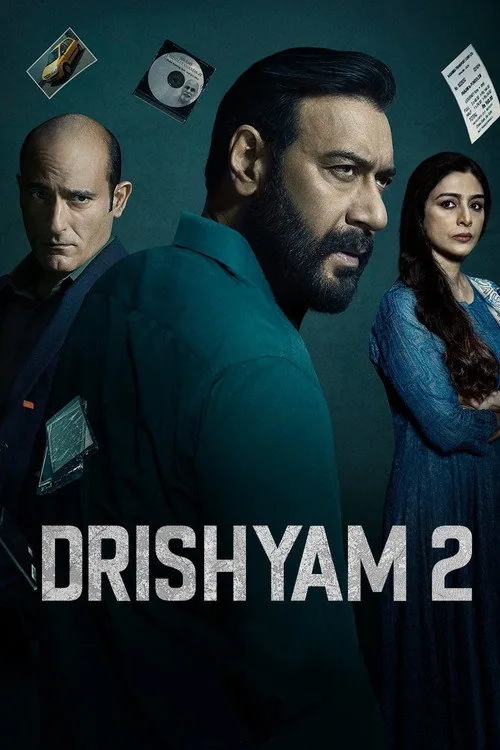
What changes Jai Bhim: evidence-led procedural build. Drishyam 2: quiet aftermath, investigative tightening and courtroom and revelation-driven finale.
Seven years after a murder and an elaborate cover-up, Vijay Salgaonkar has built a comfortable life while his family still carries the emotional consequences of what happened. A released prisoner remembers seeing Vijay near a construction site and gives the police a new lead, reviving the case and drawing the family into renewed questioning. Vijay again uses his knowledge of crime stories and carefully prepared contingencies to protect them, turning the investigation into a contest of evidence, memory, and anticipatory planning.
Based on recorded story, mood and style. Your preferences can change the order.
Investigation
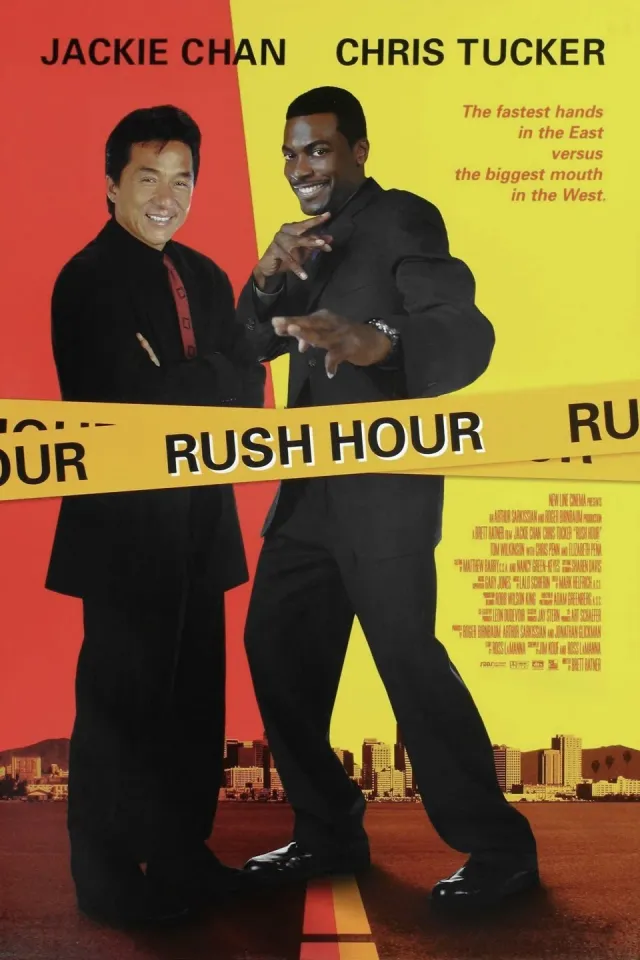
What changes Jai Bhim: evidence-led procedural build. Rush Hour: brisk, case-driven and set-piece led.
After Chinese consul Han’s daughter is kidnapped in Los Angeles, Hong Kong detective Lee travels to help with the case. The FBI sidelines him by assigning LAPD officer James Carter to keep him occupied, but Carter believes he has been given a serious assignment and starts investigating anyway. The two detectives clash over style and authority, then follow clues from a ransom call to a criminal network tied to stolen Chinese artifacts. They discover that a high-ranking official is involved and race to save Soo Yung before the ransom exchange becomes a larger attack.
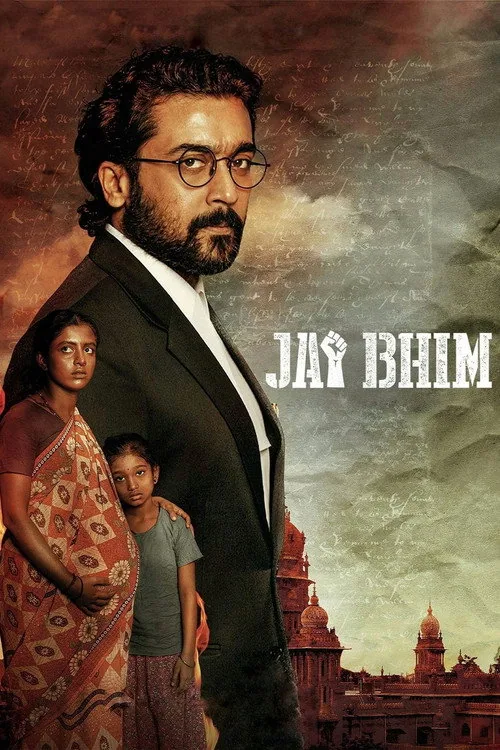
In 1993 Tamil Nadu, Sengeni’s husband Rajakannu is arrested after a jewelry theft and then disappears from police custody. When authorities claim that he escaped, Sengeni seeks help from Chandru, an activist lawyer who files a habeas corpus case and challenges the official account through evidence and testimony. The legal drama follows her pursuit of accountability, grounding courtroom conflict in the vulnerability of a marginalized Irula family facing state power.
What drives the story
Sengeni’s search for her missing husband becomes a legal challenge to a police story that cannot withstand scrutiny.
The people at its centre
Her persistence drives the case, while Chandru converts her account into arguments that the court can examine.
What it feels like
The tension comes from testimony, investigation, and the pressure of institutional power rather than action spectacle.
Worth knowing
It is a socially grounded courtroom drama about custodial abuse, not a mystery that treats the injustice as an abstract puzzle.
JusticeState violenceCommunity dignity
Mood
Angry · Resolute · Grave
Pacing
Evidence-led procedural build
Visual style
Realist courtroom and village settings
Storytelling
Wrongful detention · Legal investigation · Community advocacy