Based on recorded story, mood and style. Your preferences can change the order.
Investigation · Political resistance
What changes Satluj: an activist’s examination of cremation records exposes a pattern of disappearances during punjab’s insurgency.. Haider: investigation-led opening, political tension and performance and tragic revenge escalation.
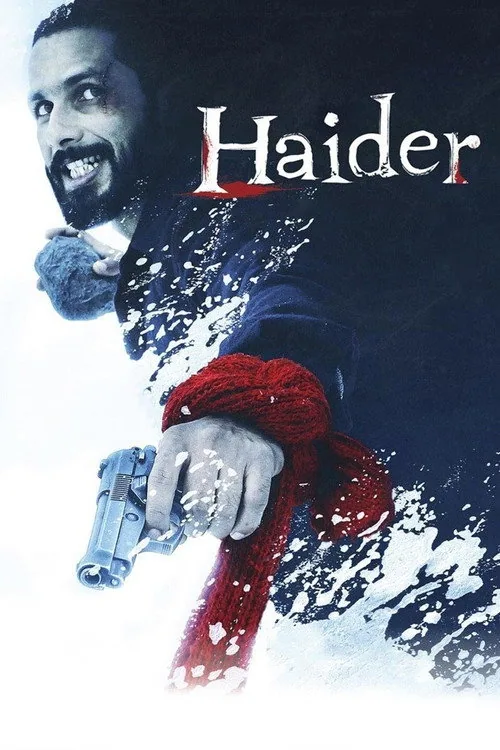
Set during the Kashmir insurgency of 1995, Haider returns to Srinagar after his father disappears during a military detention. His search draws him into a family crisis involving his mother Ghazala, his uncle Khurram, and Arshia, a journalist whose father works in the police. Vishal Bhardwaj relocates Hamlet to a conflict zone where grief, state violence, loyalty, and betrayal overlap. The result is a political tragedy that places Shakespeare's revenge story within the lived uncertainty of Kashmir.
Based on recorded story, mood and style. Your preferences can change the order.
Investigation · Political resistance
What changes Satluj: an activist’s examination of cremation records exposes a pattern of disappearances during punjab’s insurgency.. Jai Bhim: evidence-led procedural build.
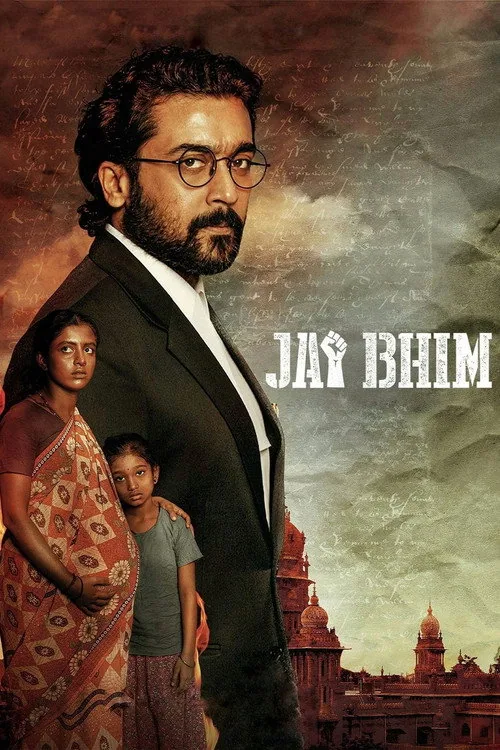
In 1993 Tamil Nadu, Sengeni’s husband Rajakannu is arrested after a jewelry theft and then disappears from police custody. When authorities claim that he escaped, Sengeni seeks help from Chandru, an activist lawyer who files a habeas corpus case and challenges the official account through evidence and testimony. The legal drama follows her pursuit of accountability, grounding courtroom conflict in the vulnerability of a marginalized Irula family facing state power.
Based on recorded story, mood and style. Your preferences can change the order.
Political resistance
What changes Satluj: an activist’s examination of cremation records exposes a pattern of disappearances during punjab’s insurgency.. The Kashmir Files: intercut present and past and speech-driven climax.
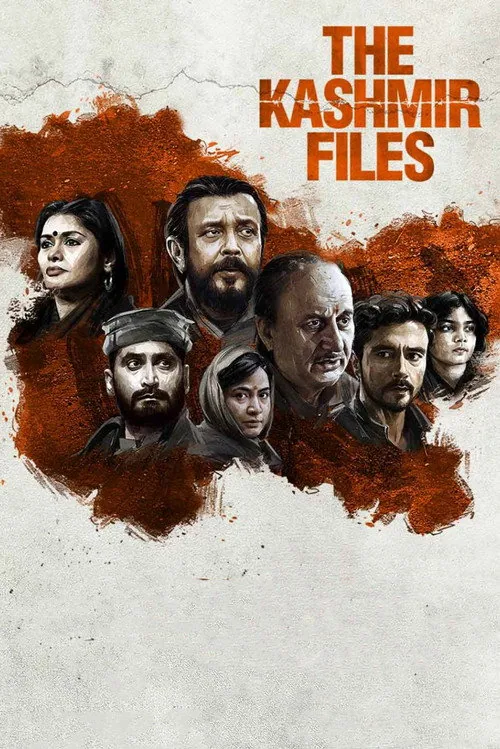
After his exiled grandfather dies, a Kashmiri Hindu student begins re-examining the story he was taught about his parents and the family’s departure from the Kashmir Valley. The film moves between his present-day search and dramatized events from 1989–90. Its historical framing is disputed, so the drama is best understood as a forceful film perspective on displacement, memory, and political responsibility.
Based on recorded story, mood and style. Your preferences can change the order.
Investigation
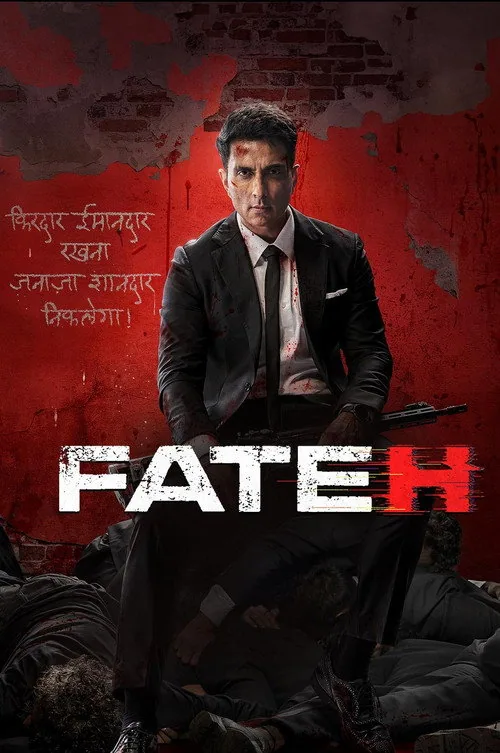
What changes Satluj: an activist’s examination of cremation records exposes a pattern of disappearances during punjab’s insurgency.. Fateh: quiet life is interrupted by a disappearance, digital investigation identifies the network and action escalates toward the syndicate's core.
Fateh, a former special-operations figure living quietly in Punjab, is drawn back into action when a local woman becomes a victim of a cybercrime network and disappears in Delhi. He teams up with Khushi, an ethical hacker, to trace the people behind the syndicate and expose how its crimes operate. Their investigation moves from digital trails to violent confrontations, testing Fateh's ability to use force without losing sight of the people being exploited. The Hindi action thriller combines an avenging-hero structure with a topical story about online fraud and organized cybercrime.
Based on recorded story, mood and style. Your preferences can change the order.
Investigation
What changes Satluj: an activist’s examination of cremation records exposes a pattern of disappearances during punjab’s insurgency.. Rocketry: The Nambi Effect: biographical time jumps, career milestones and legal and institutional setbacks.
This biographical drama follows Indian aerospace engineer Nambi Narayanan from his early work in rocket propulsion to his role in developing cryogenic technology for the national space program. A police investigation and espionage accusations interrupt his career, putting his family and reputation under pressure while his scientific ambitions remain tied to India's future in space. The film follows decades of professional achievement and public controversy through the perspective of a scientist confronting an institution and a case that threaten to define his life.
Based on recorded story, mood and style. Your preferences can change the order.
Investigation
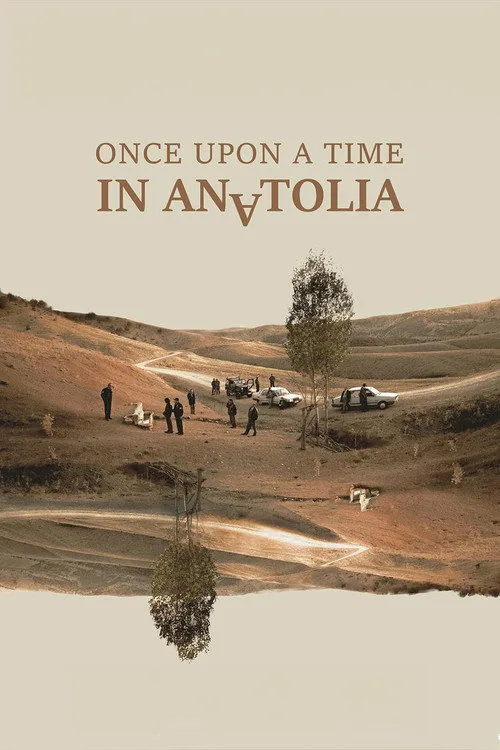
What changes Satluj: an activist’s examination of cremation records exposes a pattern of disappearances during punjab’s insurgency.. Once Upon a Time in Anatolia: long nocturnal search, conversation-led pauses and open-ended aftermath.
A group of police officers, prosecutors, a doctor, and a murder suspect drive across the Anatolian steppe at night in search of a buried body. Kenan, the accused man, remembers the burial imperfectly after drinking, while the repeated hills and darkness make the search difficult. Conversations during the stops reveal private histories and tensions among the officials, and the investigation continues into morning. Nuri Bilge Ceylan's drama shifts attention from solving the case to the routines, frustrations, and moral ambiguities surrounding those responsible for it.
Based on recorded story, mood and style. Your preferences can change the order.
Investigation
What changes Satluj: an activist’s examination of cremation records exposes a pattern of disappearances during punjab’s insurgency.. Rashomon: measured.
Sheltering from rain at a ruined gate, several men discuss testimony concerning a violent encounter in a forest. A bandit, a woman, her dead husband through a medium, and another witness offer incompatible accounts of the same events. Each version rearranges agency, shame and honour, making the search for factual certainty inseparable from what people need their stories to say about themselves.
Based on recorded story, mood and style. Your preferences can change the order.
Investigation
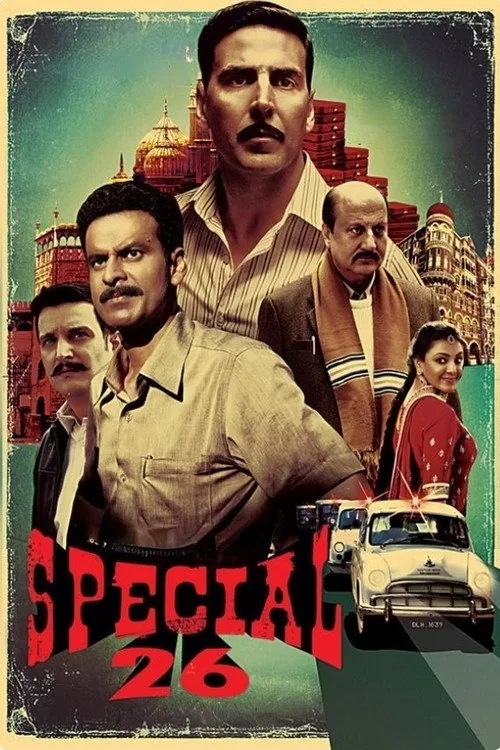
What changes Satluj: an activist’s examination of cremation records exposes a pattern of disappearances during punjab’s insurgency.. Special 26: procedural build, carefully staged heists and cat-and-mouse escalation.
Ajay Singh and his accomplices pose as government investigators, recruit unsuspecting local police to support their raids, and steal black money from powerful targets. They disperse after each operation and return to ordinary lives, while a real CBI officer begins to connect the deceptions. As the crew plans its most ambitious con, the film builds a measured cat-and-mouse contest around disguise, trust, and the practical details of a convincing fake raid.
Based on recorded story, mood and style. Your preferences can change the order.
Political resistance
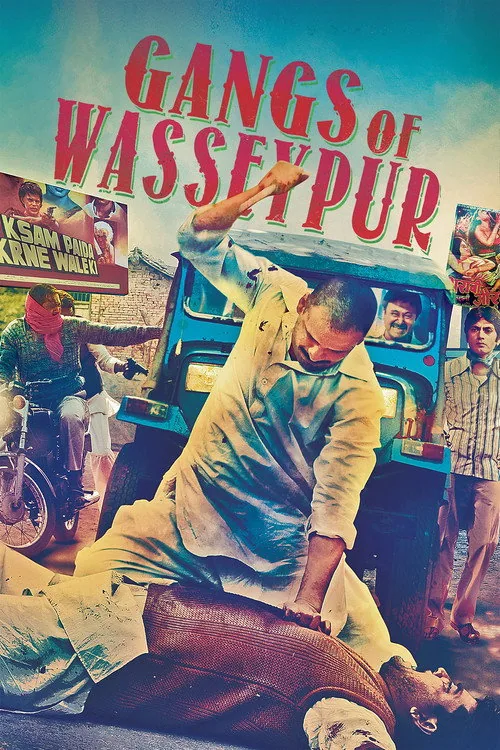
What changes Satluj: an activist’s examination of cremation records exposes a pattern of disappearances during punjab’s insurgency.. Gangs of Wasseypur: a succession of heirs turns one old grievance into a regional struggle for control..
Across several decades in Dhanbad and Wasseypur, coal businessman Shahid Khan’s feud with the Qureshi family shapes a cycle of power and revenge. His son Sardar grows into a local strongman, while political influence, illegal mining, and family alliances keep shifting around him. Anurag Kashyap’s crime epic moves through generations and uses changing popular culture and music to mark time. The first installment builds toward Sardar’s assassination, leaving the next generation to inherit a conflict that has become both personal and political.
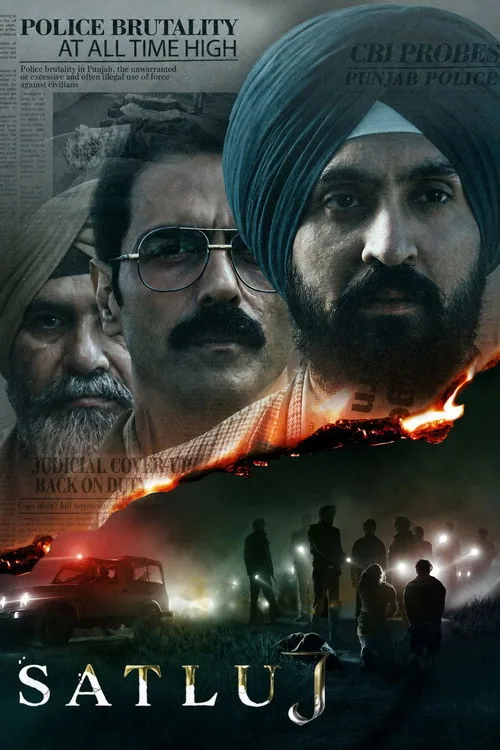
In the early 1990s, Punjab human-rights activist Jaswant Singh Khalra investigates reports of people who disappeared during the insurgency and finds evidence that unidentified victims were secretly cremated. Working from municipal and cremation records, he attempts to document the scale of the deaths and bring the findings to public attention. His investigation places him and his family under increasing pressure from state authorities. Honey Trehan’s drama, originally titled Punjab ’95 and released in 2026 as Satluj, depicts Khalra’s activism and disappearance against a contested period of recent history.
What drives the story
Khalra’s search for records connects individual families’ loss to a wider pattern of alleged state violence.
The people at its centre
The film follows his public work alongside the personal danger faced by those who challenge official accounts.
What it feels like
The story concerns extrajudicial killings, disappearance, torture, and political violence.
Worth knowing
The film is a dramatization of a real activist’s investigation and should be approached as historical testimony shaped for cinema.
MemoryHuman rightsTruth
Mood
Grave · Historical · Humanist
Pacing
An activist’s examination of cremation records exposes a pattern of disappearances during Punjab’s insurgency.
Visual style
Period detail · Documentary-like investigation · Restrained historical staging
Storytelling
Biographical investigation · Archival records · Political intimidation