A son's search for his disappeared father exposes family betrayal within a militarized political landscape, turning a revenge inheritance into unresolved grief.
What should feel similar?
Find your next favourite
9 of 17 films · Closest overall matches
Hide films you’ve seen or don’t want. Saved on this device.
No matches for this combination yet.
Try another option or reset your choices to see more films.
The ghost’s charge forces Hamlet to test whether revenge is justified, while his delay destabilizes the court and intensifies danger for those near him. Hamlet’s delay becomes dangerous to Ophelia and the court, not only evidence of his inner conflict.
Why this matches +
These films share important themes, atmosphere or storytelling interests with this selection.
Genres: Drama / Tragedy
Shared film traits
Based on recorded story, mood and style. Your preferences can change the order.
Investigation
What changes Its own story: The ghost’s charge forces Hamlet to test whether revenge is justified, while his delay destabilizes the court and intensifies danger for those near him. Hamlet’s delay becomes dangerous to Ophelia and the court, not only evidence of his inner conflict.
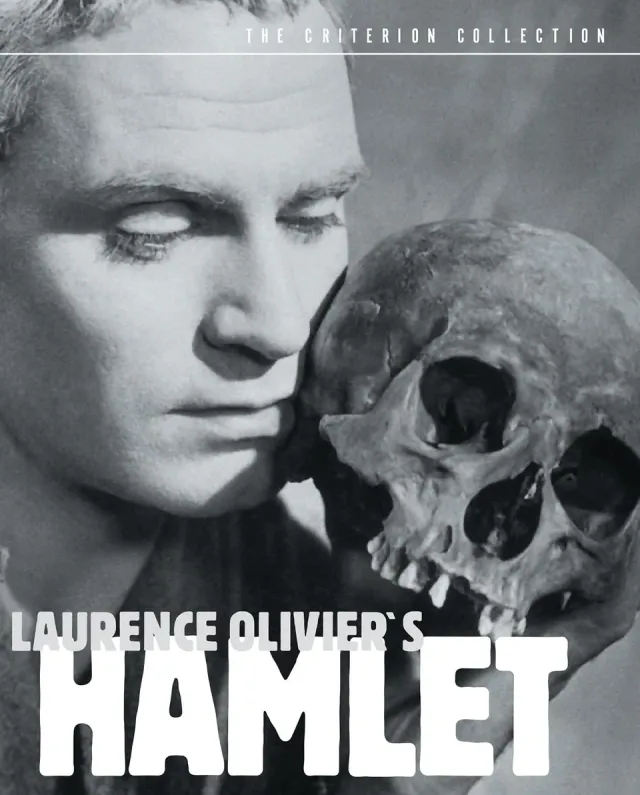
Olivier’s black-and-white Hamlet centers the prince’s uncertainty after his father’s death and the ghost’s accusation destabilizes the Danish court. The adaptation makes inner hesitation and family betrayal its organizing concerns, trimming Shakespeare’s play and emphasizing shadowed spaces within Elsinore. That choice turns the castle into a psychological maze, but it also reduces some of the political and social machinery surrounding the succession. Ophelia, Gertrude and the court remain part of the tragedy’s consequences, even as the camera stays close to Hamlet’s perspective. This is Olivier’s particular screen reading, not a neutral substitute for the full play or other film versions.
Twins follow their mother's final instructions into a past marked by war and concealed family history.
Why this matches +
These films share important themes, atmosphere or storytelling interests with this selection.
Genres: Drama / Mystery
Shared film traits
Based on recorded story, mood and style. Your preferences can change the order.
War and civilian life
What changes Its own story: Twins follow their mother's final instructions into a past marked by war and concealed family history.
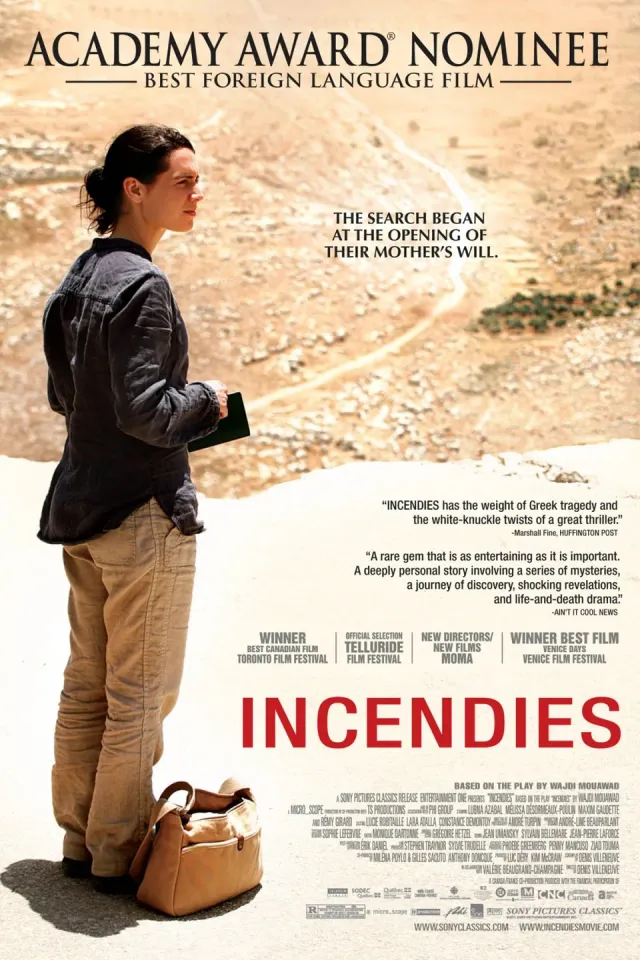
After their mother's death, twins Jeanne and Simon receive instructions from her will to find a father they thought was dead and a brother they never knew existed. Jeanne follows the clues to their mother's past in a country scarred by civil war, while the film gradually reconstructs the choices and violence that shaped the family. Denis Villeneuve's drama interweaves a present-day investigation with wartime history, making memory and inheritance difficult to separate.
Damien joins his brother's IRA unit and remains in the conflict when a treaty shifts the movement toward civil war.
Why this matches +
These films share important themes, atmosphere or storytelling interests with this selection.
Genres: Drama / War
Shared film traits
Based on recorded story, mood and style. Your preferences can change the order.
Political resistance · War and civilian life
What changes Its own story: Damien joins his brother's IRA unit and remains in the conflict when a treaty shifts the movement toward civil war.
In 1920s County Cork, medical student Damien plans to leave Ireland for London, while his brother Teddy leads a local Irish Republican Army unit. After a friend is killed by British forces, Damien abandons his departure and joins the struggle. When the Anglo-Irish Treaty divides the movement, the brothers find themselves on opposite sides of a civil conflict that turns their shared ideals into personal enemies. Ken Loach's historical drama follows how political liberation can fracture a family and a community.
The story moves from cell-level resistance to counterinsurgency, showing how tactical victories fail to settle the political question of Algerian independence.
Why this matches +
These films share important themes, atmosphere or storytelling interests with this selection.
Genres: Drama / Historical
Shared film traits
Based on recorded story, mood and style. Your preferences can change the order.
Political resistance · War and civilian life
What changes Its own story: The story moves from cell-level resistance to counterinsurgency, showing how tactical victories fail to settle the political question of Algerian independence.
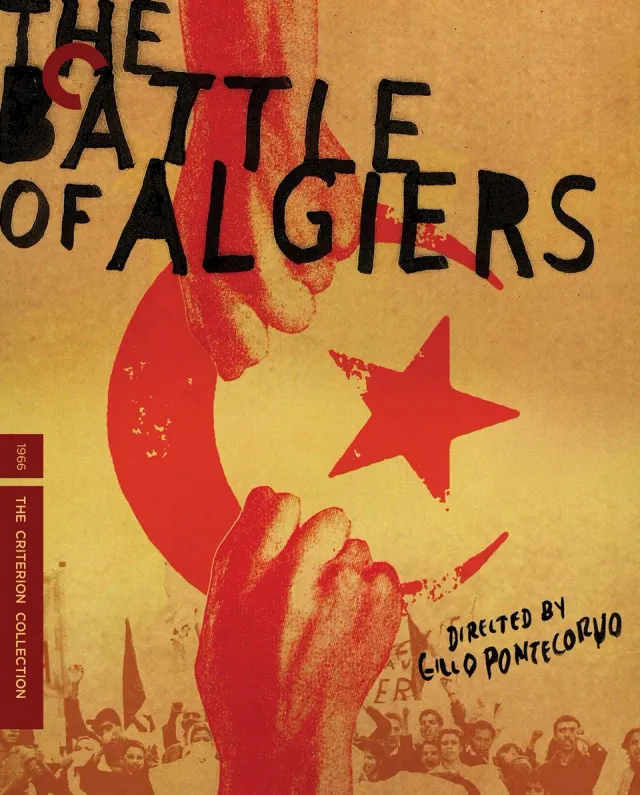
Beginning with French forces closing in on Ali la Pointe, the film flashes back to the growth of the National Liberation Front in the Casbah between 1954 and 1957. It follows urban resistance cells and the French paratroopers sent to dismantle them, showing both insurgent attacks and the military campaign of arrests and torture. The struggle escalates through bombings, reprisals and the destruction of FLN leadership, but nationalist demonstrations continue after the immediate battle is lost. The film frames the city as a contested political space and connects tactical victories to a wider movement for independence.
Coerced confessions and withheld evidence sustain wrongful convictions until legal work forces the state to confront an alternative account of the bombing. Giuseppe’s persistence and Gerry’s anger become complementary strategies only after their relationship changes.
Why this matches +
These films share important themes, atmosphere or storytelling interests with this selection.
Genres: Drama / History
Shared film traits
Based on recorded story, mood and style. Your preferences can change the order.
Investigation
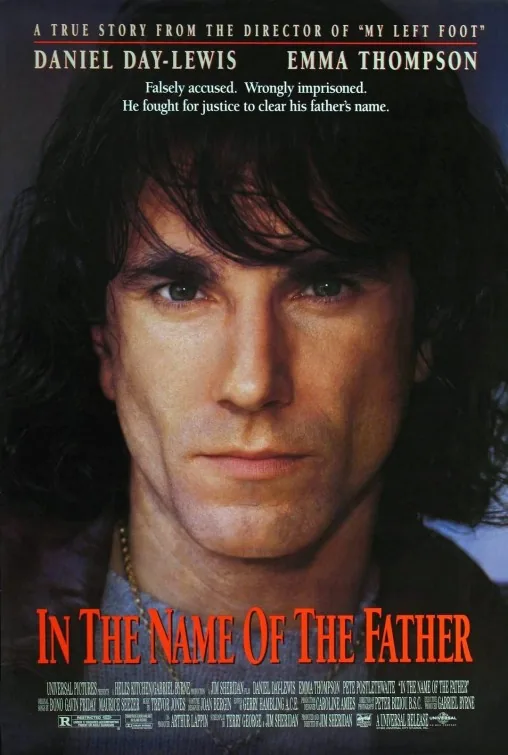
What changes Its own story: Coerced confessions and withheld evidence sustain wrongful convictions until legal work forces the state to confront an alternative account of the bombing. Giuseppe’s persistence and Gerry’s anger become complementary strategies only after their relationship changes.
Gerry Conlon is arrested after a Guildford bombing and coerced into confessing, while police pressure also traps his father Giuseppe and members of the Maguire family. The long fight to overturn the convictions links a public miscarriage of justice with a father-son relationship initially marked by conflict and different ways of surviving prison. Their shared-cell intimacy is a dramatic invention, and the film also compresses legal events into a forceful courtroom climax. The convictions were real and were quashed in 1989; the adaptation’s private exchanges are not a transcript. Its emotional focus on Gerry and Giuseppe should not obscure the other wrongly convicted people whose lives were also damaged.
A retired investigator revisits an unresolved murder through memory and writing, uncovering how legal power and political violence shaped the original case.
Why this matches +
These films share important themes, atmosphere or storytelling interests with this selection.
Genres: Crime / Drama
Shared film traits
Based on recorded story, mood and style. Your preferences can change the order.
War and civilian life · Investigation
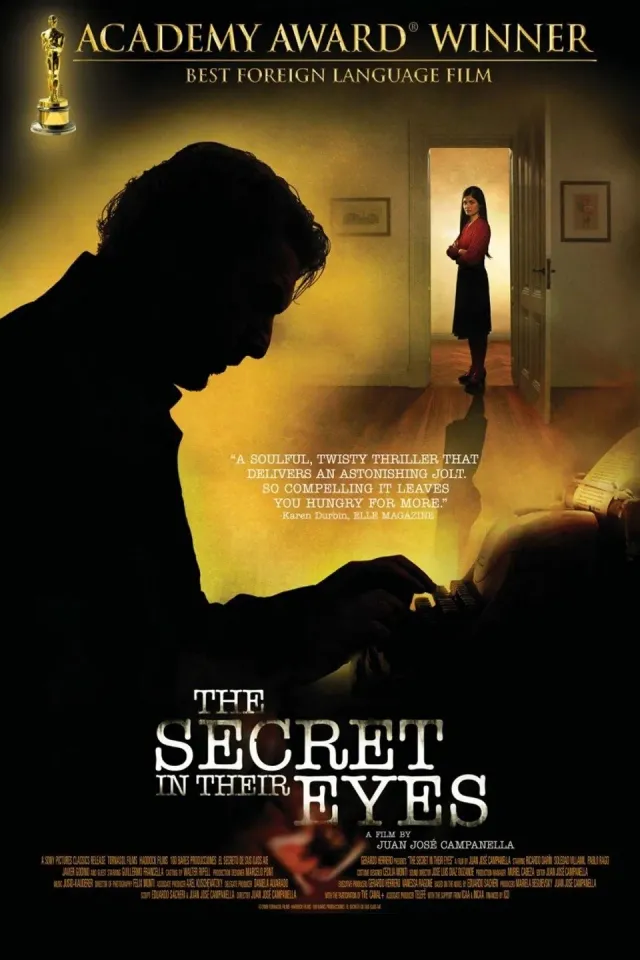
What changes Its own story: A retired investigator revisits an unresolved murder through memory and writing, uncovering how legal power and political violence shaped the original case.
Retired legal investigator Benjamín Espósito begins writing about a rape and murder case that has haunted him for decades. Reconstructing the investigation takes him back to 1970s Argentina, where he worked with his superior Irene and encountered Ricardo Morales, the victim's grieving husband. The search for the killer was shaped by institutional corruption and the political climate, while Benjamín's restrained feelings for Irene remained unresolved. In the present, details that seemed settled become newly uncertain as memory and evidence are tested against one another. Benjamín's decision to revisit the case is not only professional: the act of writing forces him to confront what he has avoided in both the investigation and his personal life.
A new disclosure about a long-past operation challenges the public story built around three agents’ pursuit of Vogel.
Why this matches +
These films share important themes, atmosphere or storytelling interests with this selection.
Genres: Thriller / Drama
Shared film traits
Based on recorded story, mood and style. Your preferences can change the order.
War and civilian life · Investigation
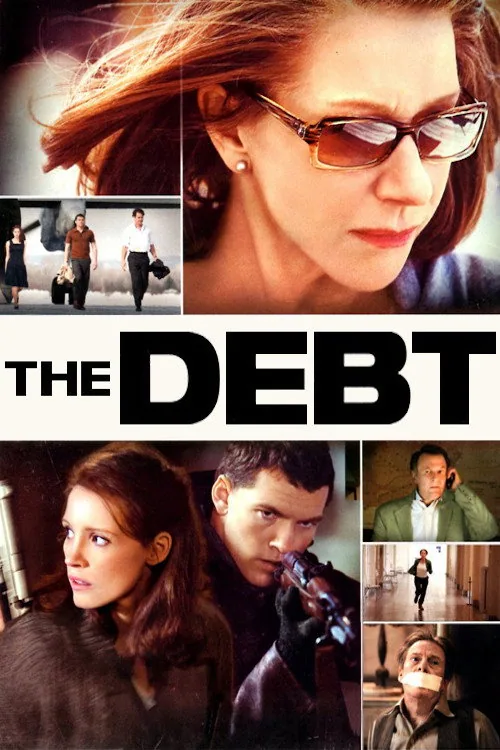
What changes Its own story: A new disclosure about a long-past operation challenges the public story built around three agents’ pursuit of Vogel.
In 1960s East Berlin, young Mossad agents Rachel, Stefan, and David undertake a dangerous mission to capture Nazi war criminal Dieter Vogel and bring him to justice. Decades later, their celebrated account of the operation is unsettled by new information, forcing the aging agents to confront what happened and the story they told. John Madden’s thriller moves between two periods of espionage and memory, examining the moral weight of the Holocaust, a mission’s legacy, and the cost of preserving a national hero narrative.
Mikael’s personal plans collide with a rapidly worsening political crisis that makes safety and loyalty difficult to separate.
Why this matches +
These films share important themes, atmosphere or storytelling interests with this selection.
Genres: Drama / Romance
Shared film traits
Based on recorded story, mood and style. Your preferences can change the order.
War and civilian life
What changes Its own story: Mikael’s personal plans collide with a rapidly worsening political crisis that makes safety and loyalty difficult to separate.
As the Ottoman Empire enters World War I, Armenian medical student Mikael Boghosian, Armenian-born artist Ana, and American journalist Chris Myers become caught in a love triangle shaped by escalating political violence. Mikael’s medical ambitions and personal loyalties are tested as the characters confront displacement and the Armenian genocide. The historical drama filters a broad catastrophe through relationships and individual choices, combining a romantic story with the danger faced by civilians and journalists.
A politically motivated surveillance assignment turns a loyal operative's access to private evidence into a conflict between bureaucratic obedience and covert protection.
Why this matches +
These films share important themes, atmosphere or storytelling interests with this selection.
Genres: Drama / Thriller
Shared film traits
Based on recorded story, mood and style. Your preferences can change the order.
Political resistance
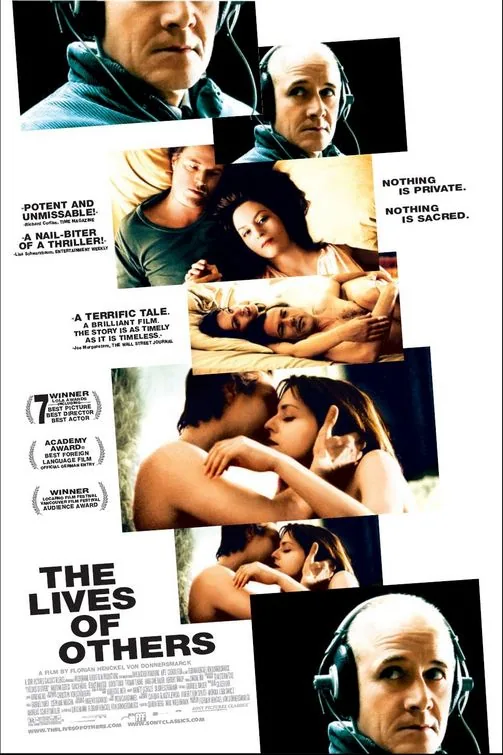
What changes Its own story: A politically motivated surveillance assignment turns a loyal operative's access to private evidence into a conflict between bureaucratic obedience and covert protection.
An East German surveillance officer is assigned to monitor a celebrated playwright and his partner, ostensibly for national security. Listening to their private life reveals artistic friendships, fear and a senior official's exploitative motive behind the operation. The officer's identification with people he is meant to expose creates small opportunities to intervene, but every altered report risks his position within an institution that treats conscience as disloyalty.
A student’s search for his family’s past connects his private loss to a wider story of exile and contested public memory.
Why this matches +
These films explore a related idea in a different setting, genre or style.
An adjacent discovery: a related idea with a different viewing experience.
Genres: Drama / Historical drama
Shared film traits
Based on recorded story, mood and style. Your preferences can change the order.
Political resistance · War and civilian life
What changes Its own story: A student’s search for his family’s past connects his private loss to a wider story of exile and contested public memory.
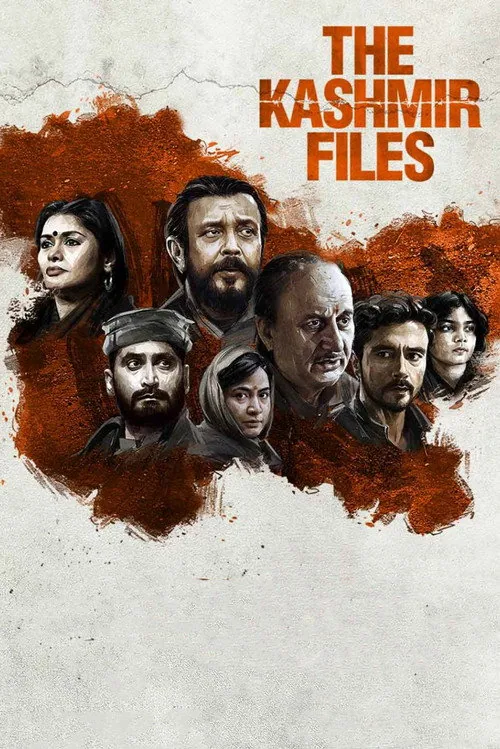
After his exiled grandfather dies, a Kashmiri Hindu student begins re-examining the story he was taught about his parents and the family’s departure from the Kashmir Valley. The film moves between his present-day search and dramatized events from 1989–90. Its historical framing is disputed, so the drama is best understood as a forceful film perspective on displacement, memory, and political responsibility.
An exiled prince infiltrates his uncle’s household to fulfill a childhood oath of vengeance after his father’s murder.
Why this matches +
These films explore a related idea in a different setting, genre or style.
An adjacent discovery: a related idea with a different viewing experience.
Genres: Action / Drama
Shared film traits
Based on recorded story, mood and style. Your preferences can change the order.
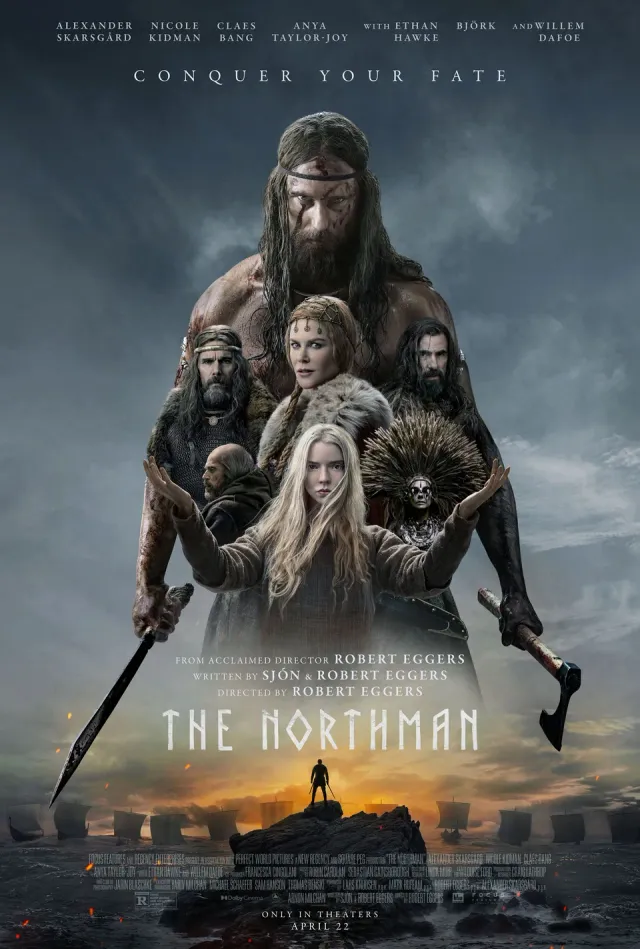
What changes Its own story: An exiled prince infiltrates his uncle’s household to fulfill a childhood oath of vengeance after his father’s murder.
As a child, Amleth watches a coup tear apart his family and escapes with a vow to avenge his father. Years later he infiltrates the household of the uncle who seized power, where memories of violence compete with a future that might ask him to stop. The film’s saga-like journey binds revenge to inherited ritual, bodily ordeal and the cost of living by prophecy.
The division of land turns succession into open conflict, and Hidetora’s loss of authority leaves him to witness the consequences of his own rule.
Why this matches +
These films explore a related idea in a different setting, genre or style.
An adjacent discovery: a related idea with a different viewing experience.
Genres: Drama / War
Shared film traits
Based on recorded story, mood and style. Your preferences can change the order.
War and civilian life
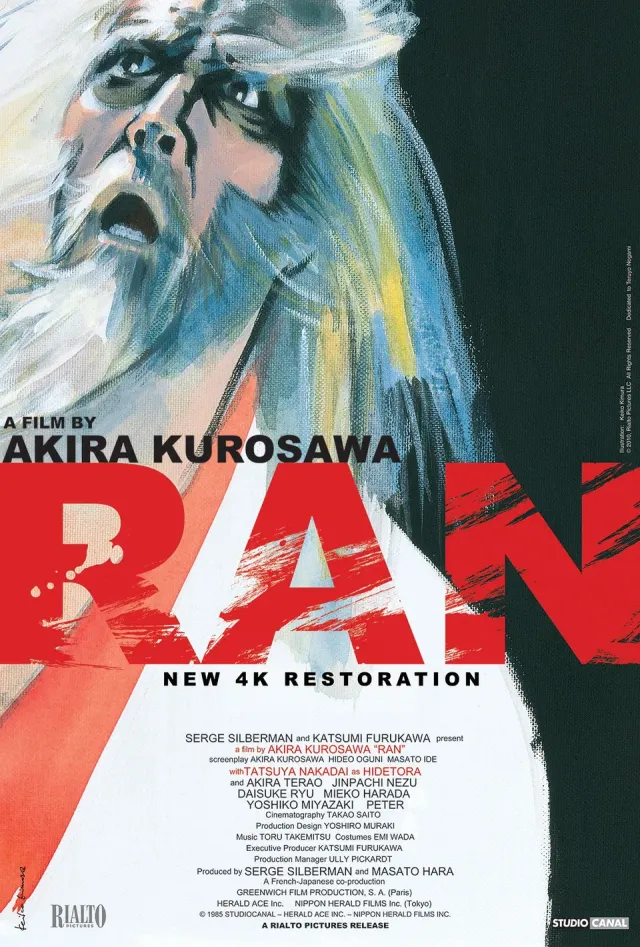
What changes Its own story: The division of land turns succession into open conflict, and Hidetora’s loss of authority leaves him to witness the consequences of his own rule.
Aging warlord Hidetora Ichimonji divides his territory among his three sons, expecting their loyalty to keep the clan intact. The youngest, Saburo, warns that the arrangement will fail and is banished along with the retainer who supports him. When the elder brothers turn the succession into a struggle for power, Hidetora loses control of the castles and armies he once commanded. He wanders through the devastation with a fool and a loyal retainer as violence exposes the human cost of his earlier rule. The family’s final alliances cannot undo the betrayals that started the war.
The decision to stay with his family in Cambodia separates Pran from Schanberg; the parallel storylines keep their friendship present across years and radically different circumstances.
Why this matches +
These films explore a related idea in a different setting, genre or style.
An adjacent discovery: a related idea with a different viewing experience.
Genres: Drama / Biography
Shared film traits
Based on recorded story, mood and style. Your preferences can change the order.
War and civilian life
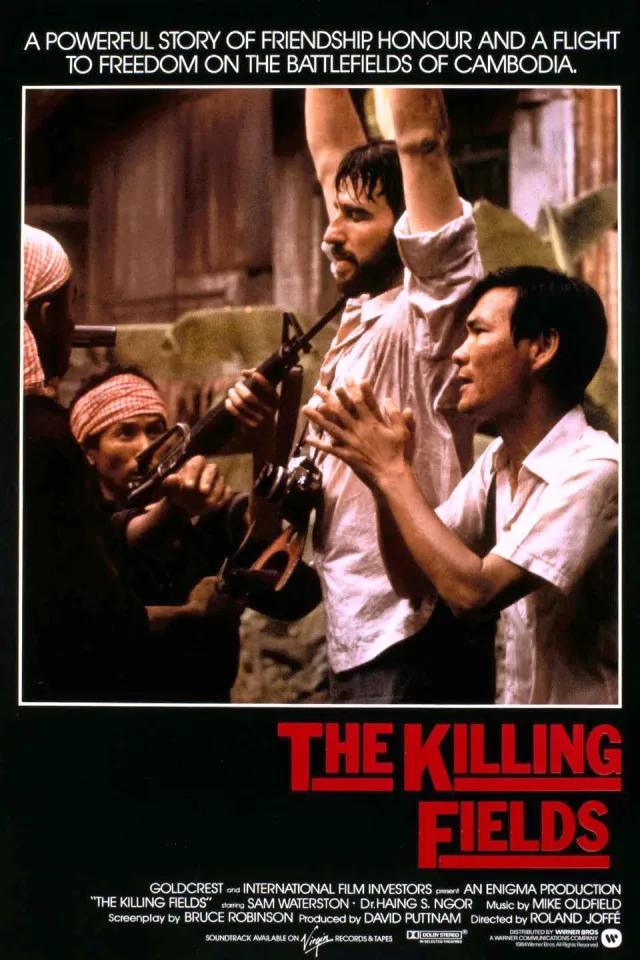
What changes Its own story: The decision to stay with his family in Cambodia separates Pran from Schanberg; the parallel storylines keep their friendship present across years and radically different circumstances.
New York Times reporter Sydney Schanberg and Cambodian journalist and interpreter Dith Pran work together as Cambodia’s civil war intensifies. When the Khmer Rouge take Phnom Penh, Schanberg helps Pran’s family leave, but Pran stays and is captured. Schanberg and photographer Al Rockoff struggle to survive the immediate upheaval and later try to secure Pran’s release. The film follows the friends on separate paths: Schanberg returns to the United States carrying guilt over his colleague’s disappearance, while Pran endures forced labor and attempts to escape. Their eventual reunion joins a personal story of loyalty to a depiction of the Khmer Rouge period, which the feature dramatizes rather than comprehensively documents.
Tessa's report about a clinical trial gives Justin a trail to follow after her death; institutional complicity makes each new disclosure more dangerous.
Why this matches +
These films explore a related idea in a different setting, genre or style.
An adjacent discovery: a related idea with a different viewing experience.
Genres: Drama / Thriller
Shared film traits
Based on recorded story, mood and style. Your preferences can change the order.
Political resistance · Investigation
What changes Its own story: Tessa's report about a clinical trial gives Justin a trail to follow after her death; institutional complicity makes each new disclosure more dangerous.
British diplomat Justin Quayle meets activist Tessa, marries her and follows her to a posting in Kenya. Tessa and doctor Arnold Bluhm investigate deaths they connect to drug trials by the pharmaceutical company Three Bees, but their report threatens powerful corporate and government interests. After Tessa is murdered, Justin follows the evidence she left behind, moving through official files, colleagues' memories and the places where she worked. His private grief becomes a public investigation that reveals the cost of protecting a profitable drug program.
A father searches for his missing son after a coup and uncovers evidence of political complicity.
Why this matches +
These films explore a related idea in a different setting, genre or style.
An adjacent discovery: a related idea with a different viewing experience.
Genres: Drama / History
Shared film traits
Based on recorded story, mood and style. Your preferences can change the order.
Political resistance · Investigation
What changes Its own story: A father searches for his missing son after a coup and uncovers evidence of political complicity.
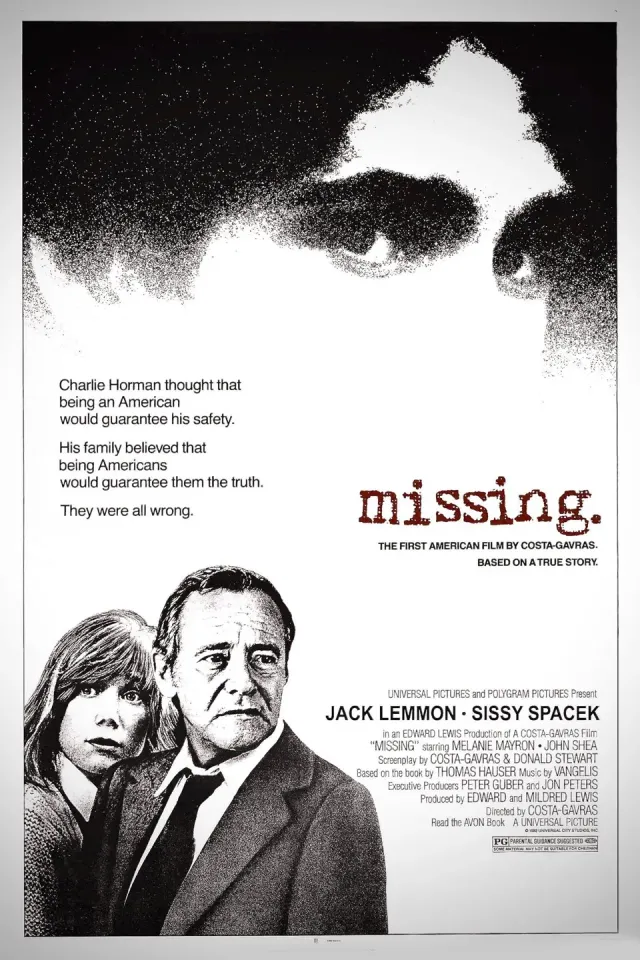
After his son Charles disappears during the 1973 military coup in Chile, American businessman Ed Horman travels to Santiago and joins his daughter-in-law Beth in searching for him. Ed initially trusts official assurances and his country's representatives, but documents and encounters with witnesses deepen the suspicion that the authorities know far more than they admit. As the search continues, a private family emergency becomes a confrontation with state power and political accountability.
A teenage affair resurfaces in a war-crimes trial, forcing Michael to reconcile private memory with Hanna's public culpability and concealed shame.
Why this matches +
These films explore a related idea in a different setting, genre or style.
An adjacent discovery: a related idea with a different viewing experience.
Genres: Drama / Romance
Shared film traits
Based on recorded story, mood and style. Your preferences can change the order.
What changes Its own story: A teenage affair resurfaces in a war-crimes trial, forcing Michael to reconcile private memory with Hanna's public culpability and concealed shame.
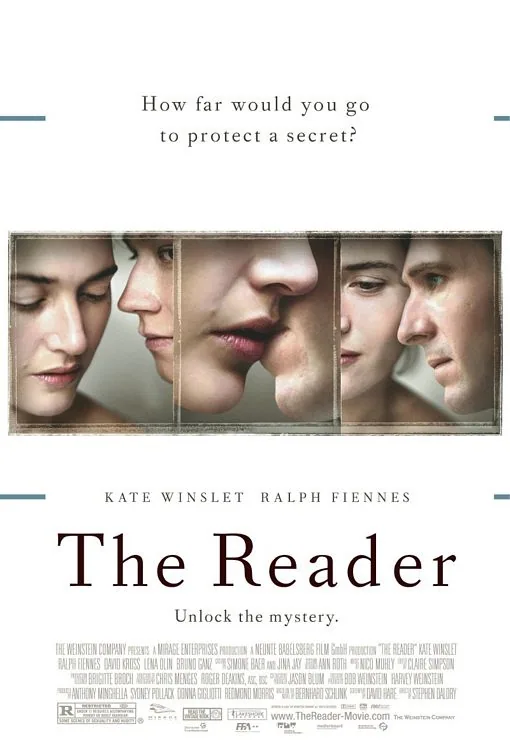
In 1958, fifteen-year-old Michael Berg begins a secret relationship with Hanna Schmitz, an older tram conductor who asks him to read aloud to her. Hanna disappears without explanation; years later, Michael sees her among former Nazi camp guards on trial for the deaths of prisoners during a death march. As a law student observing the proceedings, he recognizes details from their relationship and learns that shame about illiteracy is shaping how Hanna responds to the court. The revelation complicates Michael's memory of the affair without erasing the power imbalance or Hanna's crimes. He later records books for her in prison, but the connection remains defined by what he cannot say. The film links intimacy, literacy and postwar responsibility through one man's long, conflicted recollection.
Escalating persecution reduces a musician's social world to unstable shelters and practical survival, with each reprieve exposing dependence on another person's risk or restraint.
Why this matches +
These films explore a related idea in a different setting, genre or style.
An adjacent discovery: a related idea with a different viewing experience.
Genres: Drama / Biography
Shared film traits
Based on recorded story, mood and style. Your preferences can change the order.
War and civilian life
What changes Its own story: Escalating persecution reduces a musician's social world to unstable shelters and practical survival, with each reprieve exposing dependence on another person's risk or restraint.
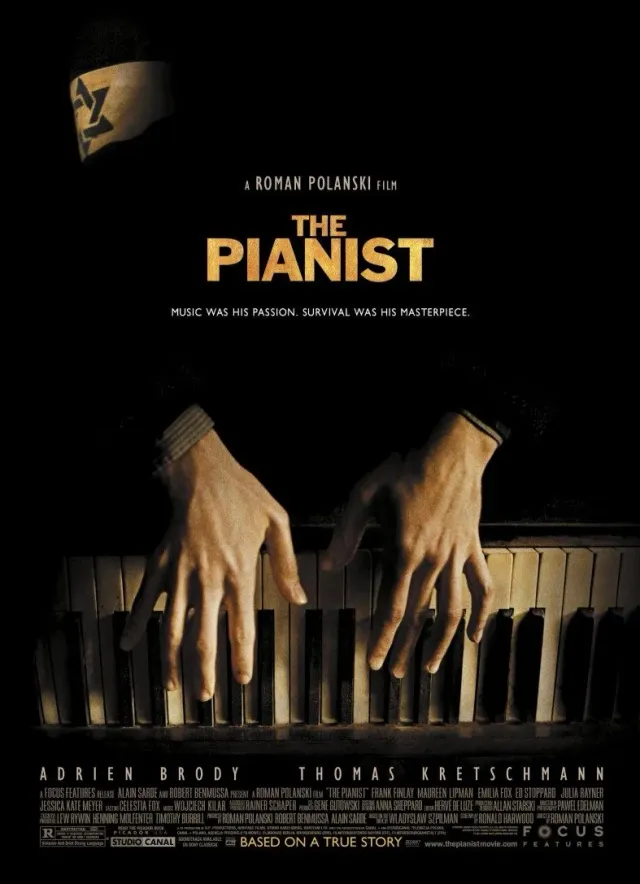
Polish Jewish musician Władysław Szpilman watches the Nazi occupation of Warsaw progressively strip his family of livelihood, movement and safety. Separated from them during deportation, he survives through forced labour, help from acquaintances and prolonged hiding in a city being destroyed around him. Music remains part of his identity, but endurance depends on contingent aid and temporary shelter rather than the protection professional distinction might once have promised.
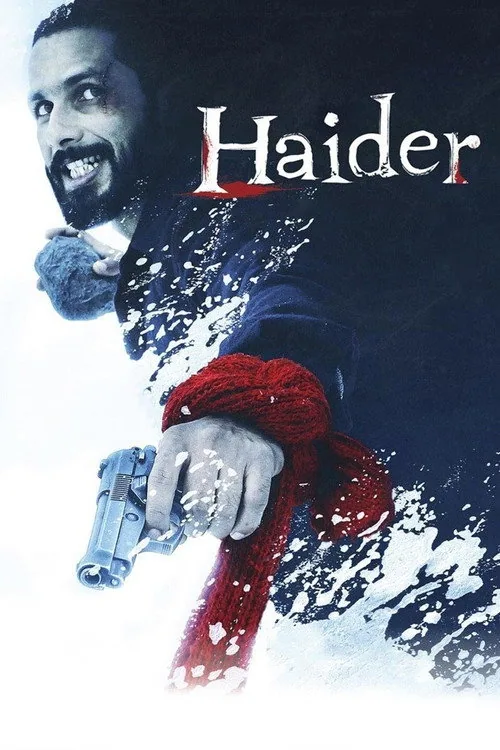
Set during the Kashmir insurgency of 1995, Haider returns to Srinagar after his father disappears during a military detention. His search draws him into a family crisis involving his mother Ghazala, his uncle Khurram, and Arshia, a journalist whose father works in the police. Vishal Bhardwaj relocates Hamlet to a conflict zone where grief, state violence, loyalty, and betrayal overlap. The result is a political tragedy that places Shakespeare's revenge story within the lived uncertainty of Kashmir.
What drives the story
Haider returns to a militarized Kashmir to search for his missing father and uncover the family and political forces around the disappearance.
The people at its centre
His mother and uncle become objects of suspicion, while Arshia's family ties to law enforcement complicate intimacy and trust.
What it feels like
A Hindi-language Shakespeare adaptation combines political drama, investigation, poetic performance, and an atmosphere of unresolved grief.
Worth knowing
It reshapes Hamlet around Kashmir's insurgency and disappearances, rather than staging the play as a European royal revenge drama.
disappearance and griefpolitical violencerevenge and family betrayal
Mood
haunting · angry · tragic
Pacing
investigation-led opening · political tension and performance · tragic revenge escalation