Explore films connected to The Wind That Shakes the Barley through independence and division, family loyalty and ideology, violence of civil conflict. Choose the qualities you want to carry into your next watch.
What should feel similar?
Find your next favourite
9 films · Closest overall matches
Hide films you’ve seen or don’t want. Saved on this device.
No matches for this combination yet.
Try another option or reset your choices to see more films.
Based on recorded story, mood and style. Your preferences can change the order.
Political resistance · War and civilian life
What changes The Wind That Shakes the Barley: historical progression, political debate and tragic escalation. Lions for Lambs: parallel conversation threads, limited battlefield action and argument-centered ending.
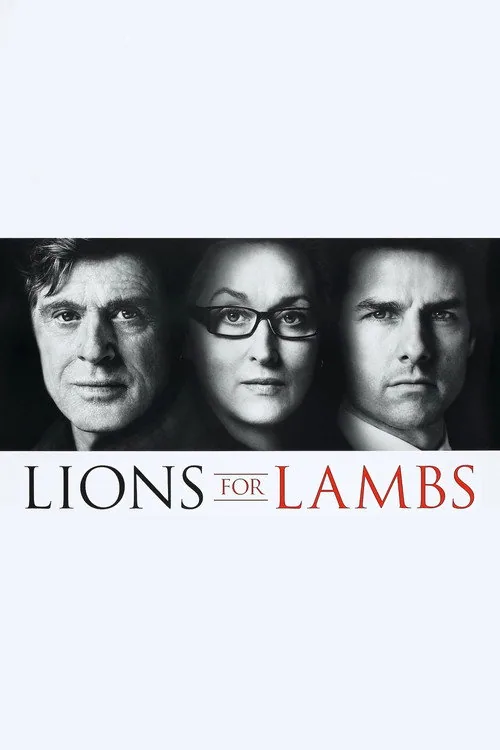
A senator explains a new Afghanistan strategy to a skeptical television reporter while two young soldiers execute a dangerous mission on the ground. At a West Coast university, a professor tries to reach an apathetic student whose past choices intersect with those soldiers' enlistment. The three strands unfold over roughly the same period, linking policy, journalism, education, and combat. The political drama is structured around conversations and cross-cutting rather than action, asking how people justify participation or withdrawal from public life.
Based on recorded story, mood and style. Your preferences can change the order.
War and civilian life
What changes The Wind That Shakes the Barley: historical progression, political debate and tragic escalation. The Greatest Beer Run Ever: adventure-driven, episodic, tonally shifting and reflective.
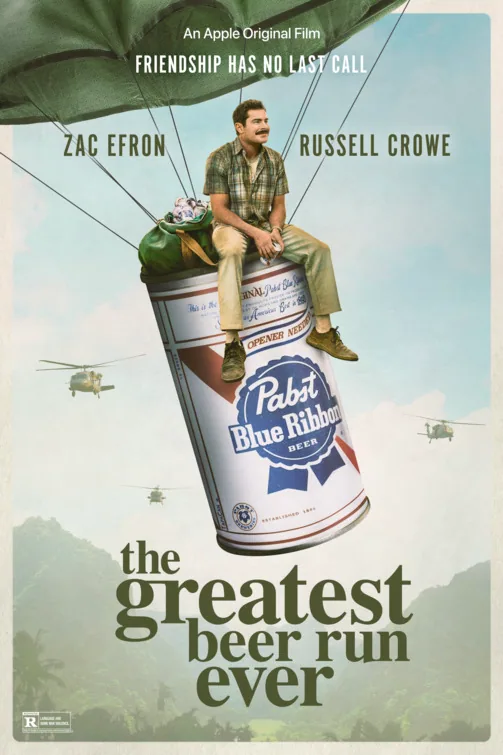
In 1967, New Yorker Chickie Donohue decides to carry beer to friends serving in Vietnam, treating the trip as a morale-boosting gesture. His route through bases and conflict zones gives him a direct view of a war that his family and neighbors debate from home. Peter Farrelly’s drama balances a comic premise with a changing understanding of friendship, service and what civilians can know about a war from a distance.
Based on recorded story, mood and style. Your preferences can change the order.
Political resistance
What changes The Wind That Shakes the Barley: historical progression, political debate and tragic escalation. The Devil's Own: slow escalation and character-led.
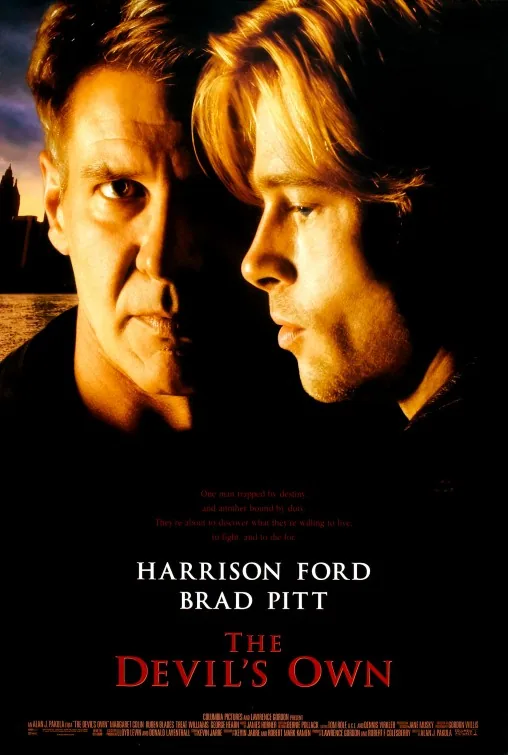
An Irish immigrant named Rory Devaney is welcomed into the home of a New York police officer while hiding his involvement with the IRA. As Rory seeks weapons for the cause, the officer's trust and his family's safety become entangled with political violence. The thriller follows two men whose personal bond is strained by opposing duties and the consequences of secrecy.
Based on recorded story, mood and style. Your preferences can change the order.
Political resistance
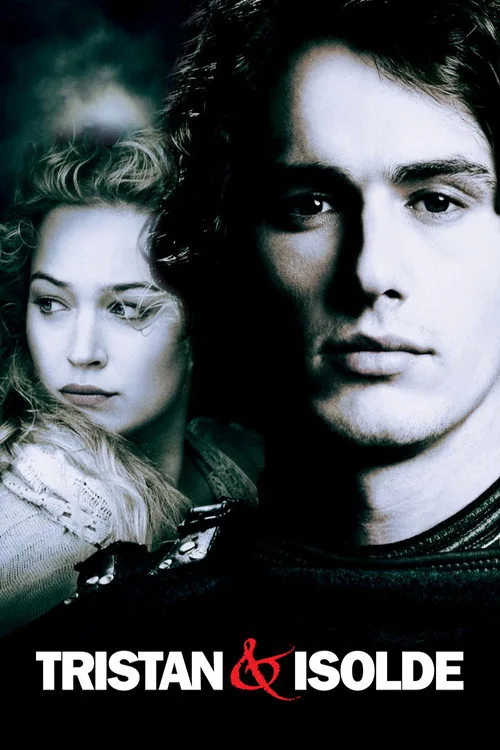
What changes The Wind That Shakes the Barley: historical progression, political debate and tragic escalation. Tristan & Isolde: wartime origin, secret romance and tragic political conflict.
In a post-Roman Britain divided by rival kingdoms, warrior Tristan is raised by Lord Marke after his family is killed. During a mission in Ireland he meets Isolde, the daughter of the Irish king, and they fall in love without knowing each other's identities. Their relationship becomes politically dangerous when Isolde is promised to Marke in a marriage intended to unite Britain. The medieval romance adapts the Tristan legend through the conflict between private devotion and a fragile effort to end war between kingdoms.
Based on recorded story, mood and style. Your preferences can change the order.
Political resistance · War and civilian life
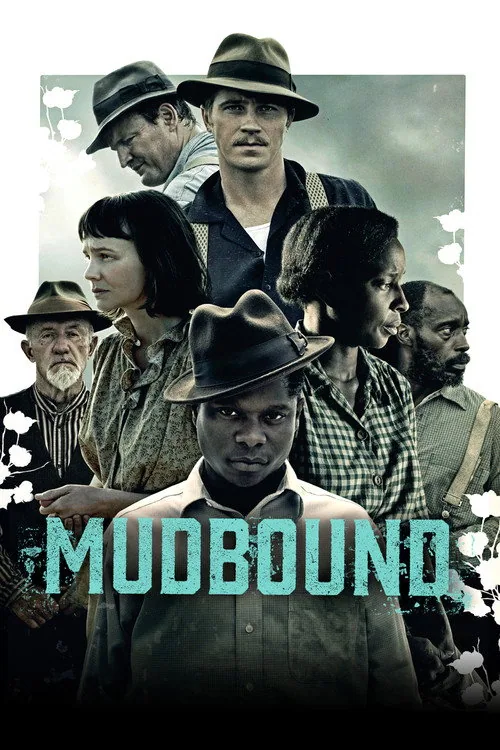
Expect somber and intimate, with multi-voice family portrait and slow social pressure pacing.
After World War II, the white McAllan family struggles to run a farm in the Mississippi Delta alongside the Black Jackson family, who work the same land under unequal conditions. Veterans Jamie McAllan and Ronsel Jackson return from war with experiences that do not fit the racial hierarchy at home. Their friendship grows in secret, drawing hostility from family and community. Told through several points of view, the drama follows an intergenerational story of land, racism, trauma, and fragile solidarity.
Based on recorded story, mood and style. Your preferences can change the order.
Political resistance
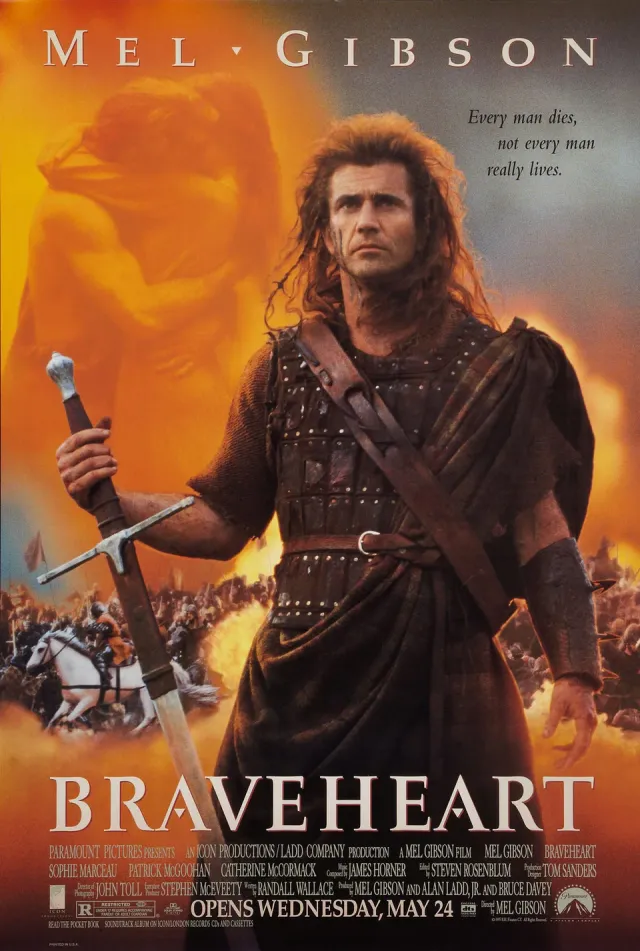
What changes The Wind That Shakes the Barley: historical progression, political debate and tragic escalation. Braveheart: epic and intense.
A Scottish man hoping for an ordinary domestic life is drawn into rebellion after personal loss exposes the violence sustaining English rule. Military success makes him a symbol around which competing nobles and ordinary fighters organise different hopes. As diplomacy and betrayal complicate the campaign, his private grief becomes inseparable from a public mythology of freedom that requires costs no single leader can control.
Based on recorded story, mood and style. Your preferences can change the order.
Political resistance · War and civilian life
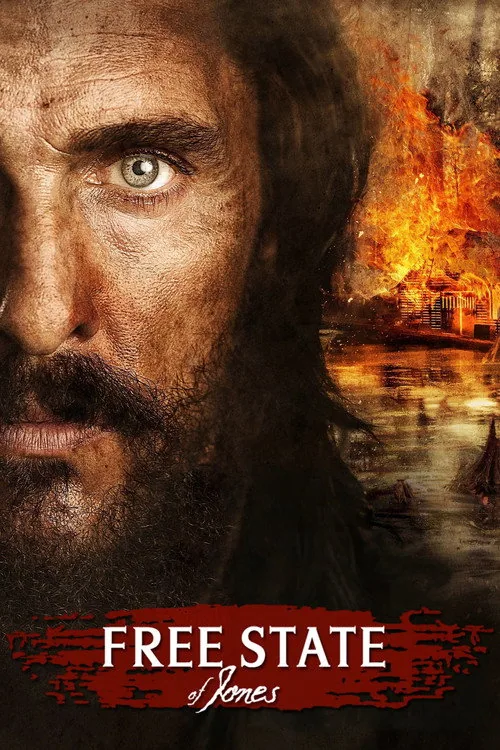
What changes The Wind That Shakes the Barley: historical progression, political debate and tragic escalation. Free State of Jones: multi-period structure and large-scale historical drama.
During the American Civil War, Mississippi farmer Newt Knight deserts the Confederate Army and organizes other deserters and local enslaved people into an armed resistance in Jones County. Their uprising challenges Confederate authority and the social order that surrounds them, while the film also follows the struggle over civil rights and political memory after the war. Gary Ross’s historical drama blends a wartime rebellion with a later legal story, presenting a dramatized portrait of a little-known Southern Unionist movement.
Based on recorded story, mood and style. Your preferences can change the order.
War and civilian life
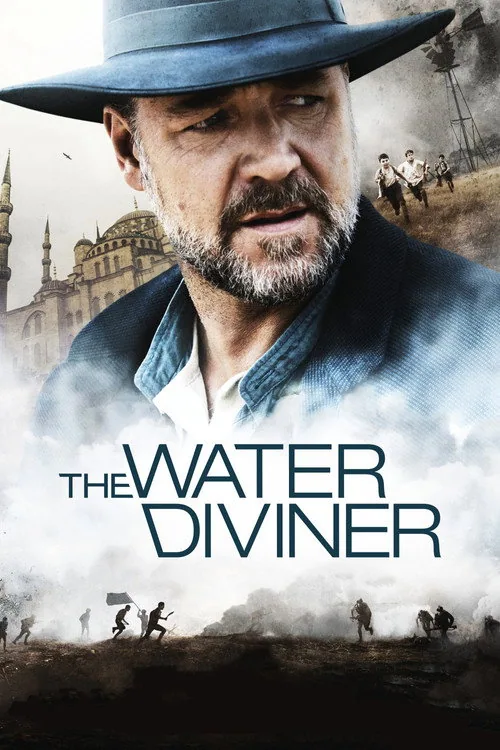
What changes The Wind That Shakes the Barley: historical progression, political debate and tragic escalation. The Water Diviner: measured journey, investigation and encounters and emotional resolution.
In 1919, Australian farmer Joshua Connor travels to Turkey after the deaths of his three sons at Gallipoli and his wife’s grief-driven suicide. He hopes to recover their remains and bring them home, but the search draws him into the aftermath of war, where a Turkish widow and a Turkish officer help him understand what happened. Russell Crowe’s directorial debut is a period drama about mourning, cross-cultural contact, and the long human consequences of battle.
Based on recorded story, mood and style. Your preferences can change the order.
Political resistance
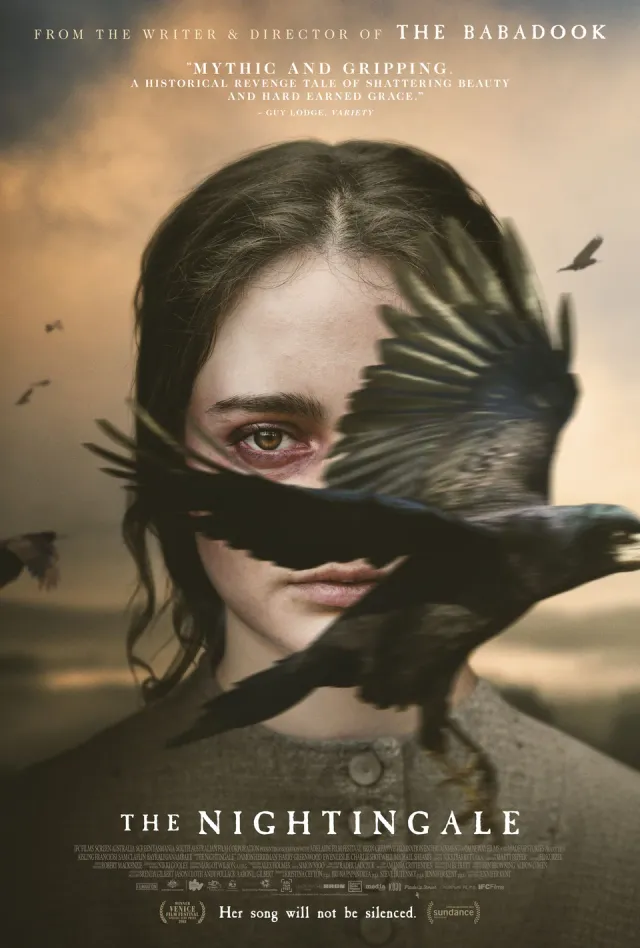
What changes The Wind That Shakes the Barley: historical progression, political debate and tragic escalation. The Nightingale: slow-burn pursuit, journey episodes and intense confrontations.
In 1825 colonial Tasmania, Clare is an Irish convict seeking release from service under a British officer whose unit controls her future. When violence destroys what she hoped to build, she sets out after the men responsible and hires Billy, an Aboriginal tracker, to guide her through the wilderness. Their journey becomes an uneasy partnership shaped by grief, colonial power, racial violence, and the different histories each carries.
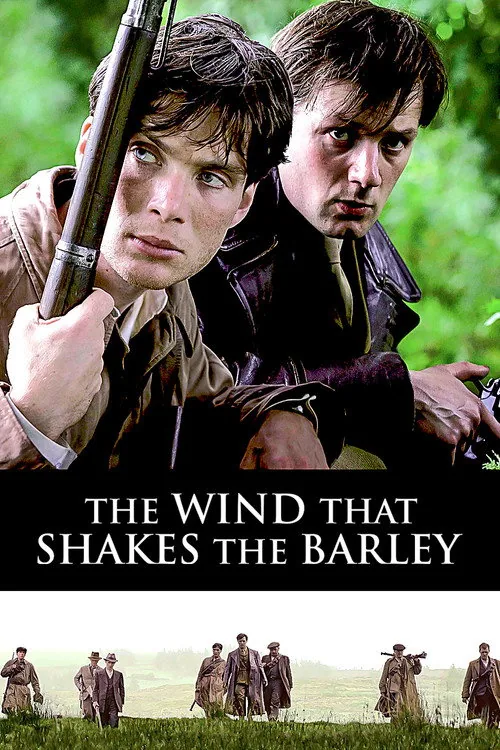
In 1920s County Cork, medical student Damien plans to leave Ireland for London, while his brother Teddy leads a local Irish Republican Army unit. After a friend is killed by British forces, Damien abandons his departure and joins the struggle. When the Anglo-Irish Treaty divides the movement, the brothers find themselves on opposite sides of a civil conflict that turns their shared ideals into personal enemies. Ken Loach's historical drama follows how political liberation can fracture a family and a community.
What drives the story
Damien joins his brother's IRA unit and remains in the conflict when a treaty shifts the movement toward civil war.
The people at its centre
The brothers' shared commitment to Irish independence cannot survive their opposing views on how to achieve it.
What it feels like
A grounded historical drama gives political arguments and civilian consequences as much weight as armed action.
Worth knowing
Its focus is the fracture between brothers during Ireland's transition to civil war, not a single battle or leader biography.
independence and divisionfamily loyalty and ideologyviolence of civil conflict
Mood
somber · political · tragic
Pacing
historical progression · political debate · tragic escalation