Explore films connected to Mudbound through racism and power, war trauma, land and family. Choose the qualities you want to carry into your next watch.
What should feel similar?
Find your next favourite
9 films · Closest overall matches
Hide films you’ve seen or don’t want. Saved on this device.
No matches for this combination yet.
Try another option or reset your choices to see more films.
Based on recorded story, mood and style. Your preferences can change the order.
War and civilian life · Political resistance
What changes Mudbound: multi-voice family portrait, slow social pressure and tragic escalation. Free State of Jones: multi-period structure and large-scale historical drama.
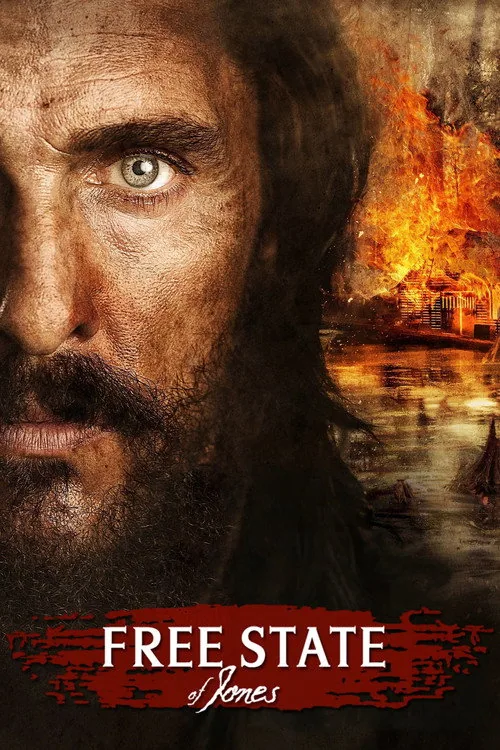
During the American Civil War, Mississippi farmer Newt Knight deserts the Confederate Army and organizes other deserters and local enslaved people into an armed resistance in Jones County. Their uprising challenges Confederate authority and the social order that surrounds them, while the film also follows the struggle over civil rights and political memory after the war. Gary Ross’s historical drama blends a wartime rebellion with a later legal story, presenting a dramatized portrait of a little-known Southern Unionist movement.
Based on recorded story, mood and style. Your preferences can change the order.
War and civilian life
What changes Mudbound: multi-voice family portrait, slow social pressure and tragic escalation. Dara of Jasenovac: dread-filled, harsh escalation and survival-focused.
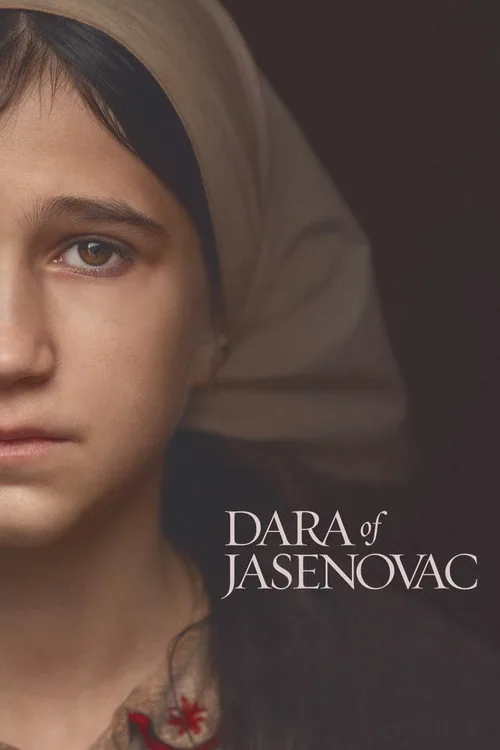
During the Second World War, a young girl named Dara and her family are sent to the Jasenovac concentration camp, where the Ustaše regime imprisoned and murdered Serbs, Jews, Roma, and political opponents. The story follows Dara’s attempts to protect her younger brother and preserve family bonds amid forced separation and extreme violence. Based on survivor testimonies, the Serbian historical drama places a child’s point of view within the reality of mass atrocity. It contains explicit material about genocide, camp violence, and children in danger.
Based on recorded story, mood and style. Your preferences can change the order.
War and civilian life
What changes Mudbound: multi-voice family portrait, slow social pressure and tragic escalation. The Messenger: measured, episodic encounters and emotionally cumulative.
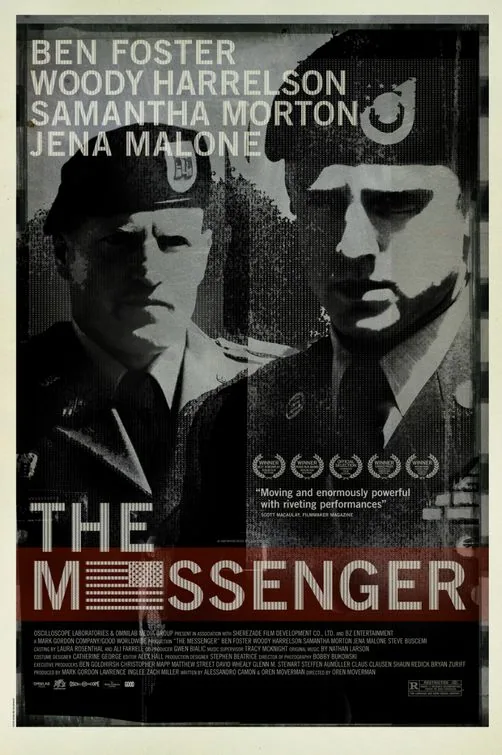
Will Montgomery returns from Iraq wounded, carrying the effects of combat and a broken engagement. Before discharge, he is paired with veteran Captain Tony Stone to deliver military casualty notices. Their visits bring them into direct contact with families experiencing grief, anger and disbelief. When Will meets Olivia, a widow whose response seems contained, he begins to cross the professional boundary Stone has taught him to maintain. The assignment forces both men to face how they handle loss, duty and the possibility of connection.
Based on recorded story, mood and style. Your preferences can change the order.
War and civilian life
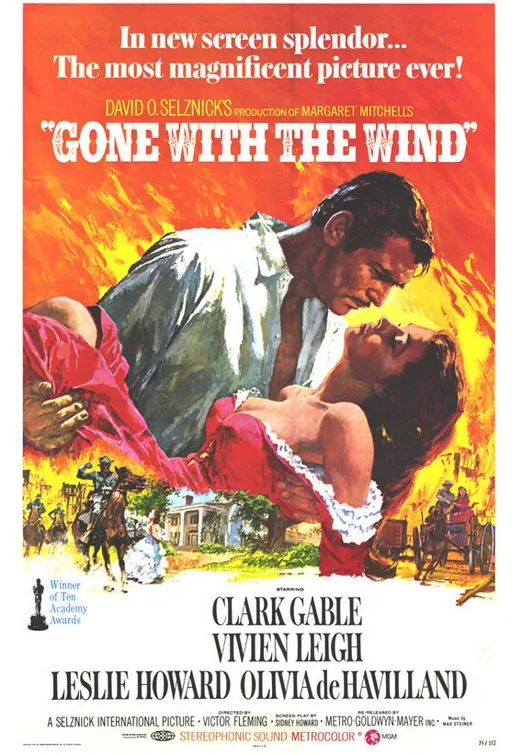
What changes Mudbound: multi-voice family portrait, slow social pressure and tragic escalation. Gone with the Wind: epic and measured.
A privileged young woman on a Georgia plantation pursues an attachment to a man whose commitments lie elsewhere as the American Civil War destroys the material security of her household. Surviving loss makes property and economic control increasingly urgent, while a second man's attraction offers possibilities she struggles to value beyond immediate need. Her effort to recover a familiar world is presented through a romanticised white Southern viewpoint that leaves the people sustaining that world without equal narrative authority.
Based on recorded story, mood and style. Your preferences can change the order.
War and civilian life
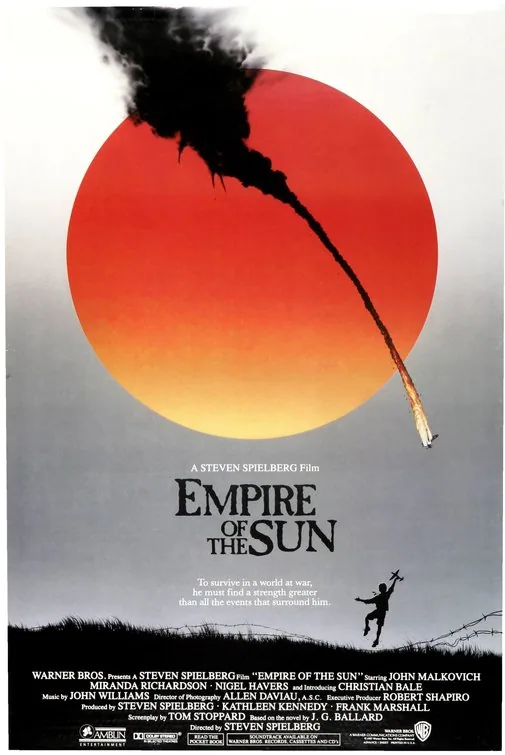
What changes Mudbound: multi-voice family portrait, slow social pressure and tragic escalation. Empire of the Sun: epic.
A privileged British boy separated from his parents during the Japanese occupation of Shanghai learns to survive through exchanges he could not have imagined in his protected household. Internment gives him temporary mentors, precarious alliances and an intense fascination with aircraft that does not neatly distinguish beauty from destructive force. Adaptation keeps him alive while changing what childhood reunion could mean, as the end of fighting cannot simply restore the person who entered it. Jim’s privilege shapes the wartime story: he loses colonial protection while the film remains close to his experience.
Both share themes of war trauma, plus a somber and intimate atmosphere.
Why this matches +
Genres: Drama / War
Shared film traits
Based on recorded story, mood and style. Your preferences can change the order.
War and civilian life
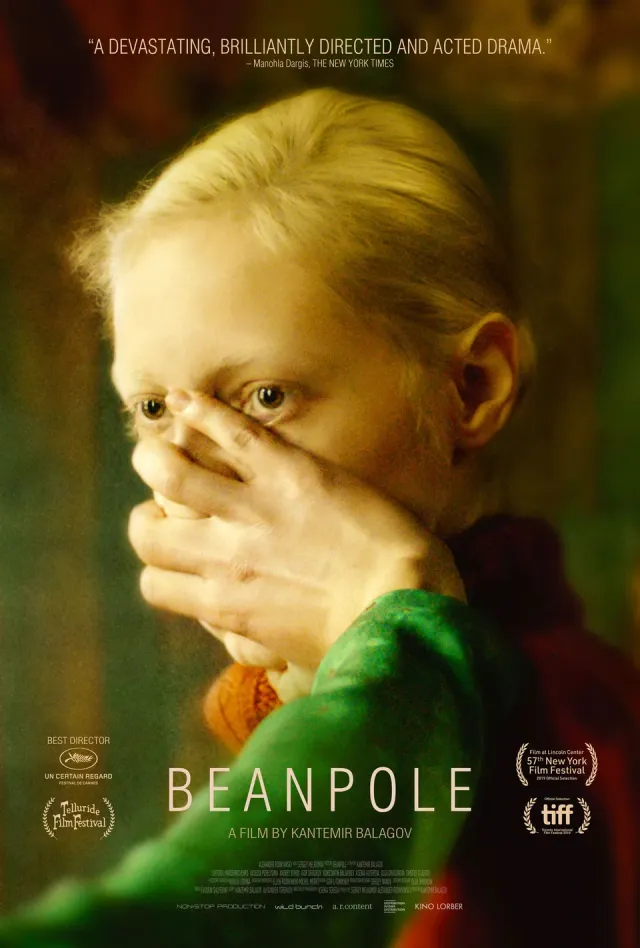
What changes Mudbound: multi-voice family portrait, slow social pressure and tragic escalation. Beanpole: character-driven, quiet tension and emotional ruptures.
In the aftermath of the Second World War, nurse Iya works in a crowded Leningrad hospital while coping with episodes that temporarily immobilize her. Masha returns from the front and resumes a complicated relationship with Iya, whose life has become entangled with the cost of war. As the women try to imagine a future in a damaged city, their bond is shaped by trauma, dependence, desire, and conflicting ideas about motherhood.
Based on recorded story, mood and style. Your preferences can change the order.
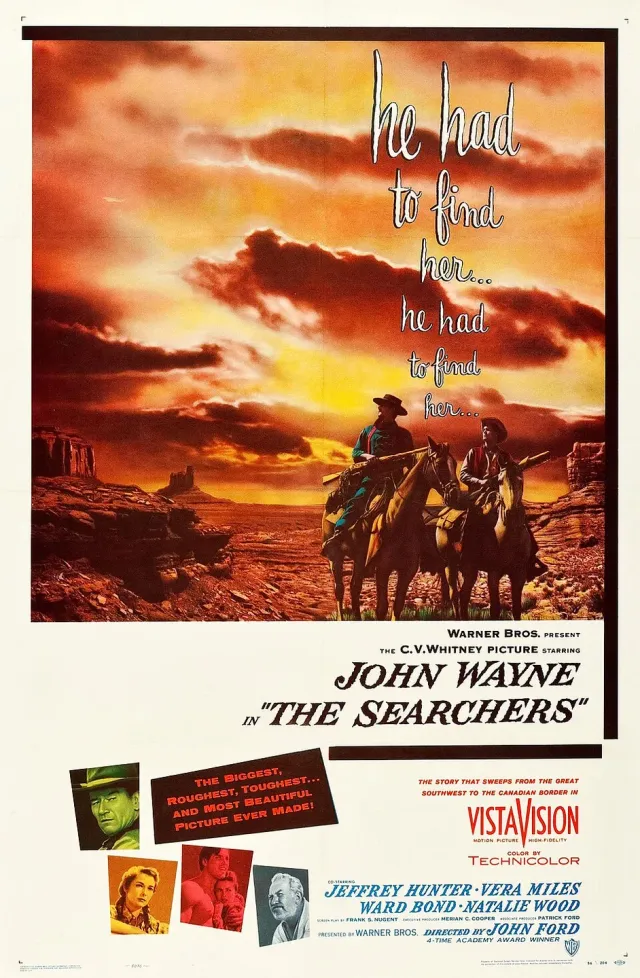
What changes Mudbound: multi-voice family portrait, slow social pressure and tragic escalation. The Searchers: expansive and episodic.
Civil War veteran Ethan Edwards returns to his brother's Texas home and joins a pursuit after a Comanche raid kills much of the family and takes young Debbie. Ethan and Debbie's adopted, part-Cherokee brother Martin search for years, but they do not share the same purpose: Martin hopes to bring Debbie home, while Ethan's racism makes him question whether she should be rescued if she has assimilated into Comanche life. Their route crosses ranches, military posts and settlements, while Martin's attachment to Laurie and Ethan's fixation on the search complicate their return to ordinary life. When they finally find Debbie, Martin has to prevent Ethan's hatred from determining her fate. The film's iconic Western landscape frames a story that exposes the violence and racial hierarchy embedded in its frontier mythology.
Based on recorded story, mood and style. Your preferences can change the order.
War and civilian life
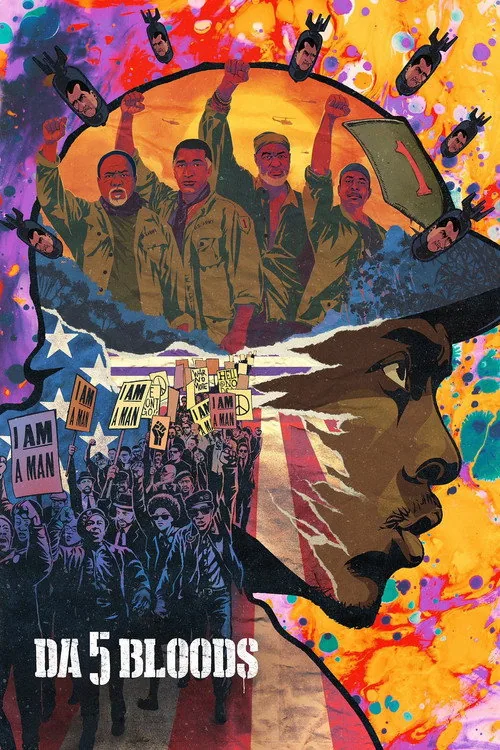
What changes Mudbound: multi-voice family portrait, slow social pressure and tragic escalation. Da 5 Bloods: reunion and expedition, flashback-driven reflection and violent reckoning.
Four Black Vietnam War veterans return to the country decades after combat to recover the remains of their squad leader and locate a cache of gold they buried. Paul, Otis, Eddie, and Melvin travel with Paul's son David, whose presence raises old questions about family and responsibility. The search brings the men through landscapes shaped by war, tourism, and unresolved memory. Spike Lee's drama shifts between past and present, linking the veterans' mission to Black history, trauma, and the costs of American intervention.
Based on recorded story, mood and style. Your preferences can change the order.
War and civilian life
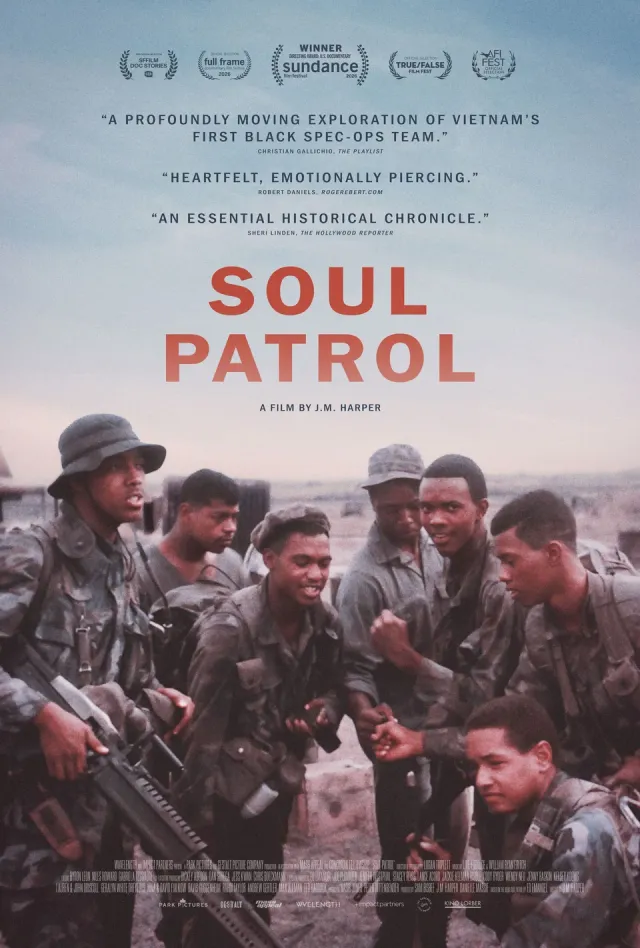
What changes Mudbound: multi-voice family portrait, slow social pressure and tragic escalation. Soul Patrol: observational.
Surviving members of a pioneering Black special operations team revisit their service in Vietnam and its long aftermath. J.M. Harper brings their testimony together with photographs, recordings and personal film archives. The documentary considers the bond formed by dangerous missions alongside the contradiction of fighting for American freedom while facing racial inequality, making memory and life after combat as significant as battlefield history.
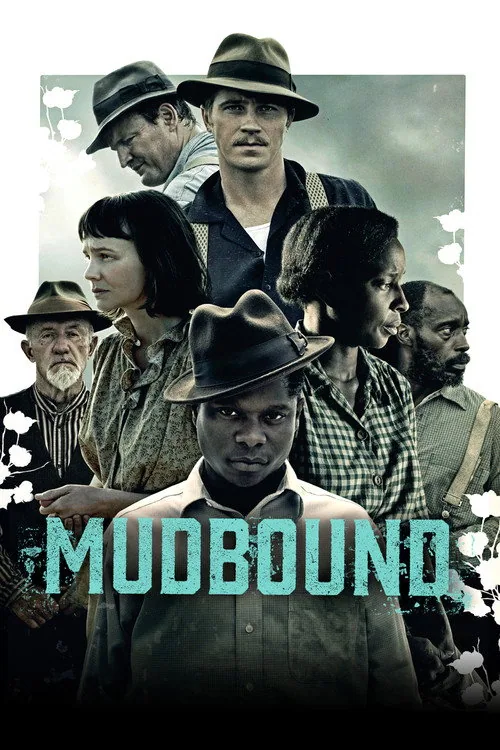
After World War II, the white McAllan family struggles to run a farm in the Mississippi Delta alongside the Black Jackson family, who work the same land under unequal conditions. Veterans Jamie McAllan and Ronsel Jackson return from war with experiences that do not fit the racial hierarchy at home. Their friendship grows in secret, drawing hostility from family and community. Told through several points of view, the drama follows an intergenerational story of land, racism, trauma, and fragile solidarity.
What drives the story
The shared farm brings two families into daily contact while the returning veterans' wartime experiences expose unequal lives at home.
The people at its centre
Jamie and Ronsel form a bond across racial lines, while their families respond from very different positions of power and fear.
What it feels like
A multi-perspective historical drama uses weather, labor, and domestic spaces to make structural racism feel immediate.
Worth knowing
It follows interconnected rural families and postwar racial violence, rather than centering a single veteran's combat experience.
racism and powerwar traumaland and family
Mood
somber · intimate · unyielding
Pacing
multi-voice family portrait · slow social pressure · tragic escalation
Visual style
muddy delta landscapes · earthy period palette · close domestic portraits
Storytelling
two families share a farm under unequal terms · veterans return to segregated Mississippi · friendship challenges local racial order