The escort order places former enemies in the same exposed journey where survival depends on cooperation.
Why this matches +
Selected for the central appeal: Western journeys about a long search, family obligation and the violence of frontier prejudice.
Genres: Drama / Western
Shared film traits
Based on recorded story, mood and style. Your preferences can change the order.
Survival
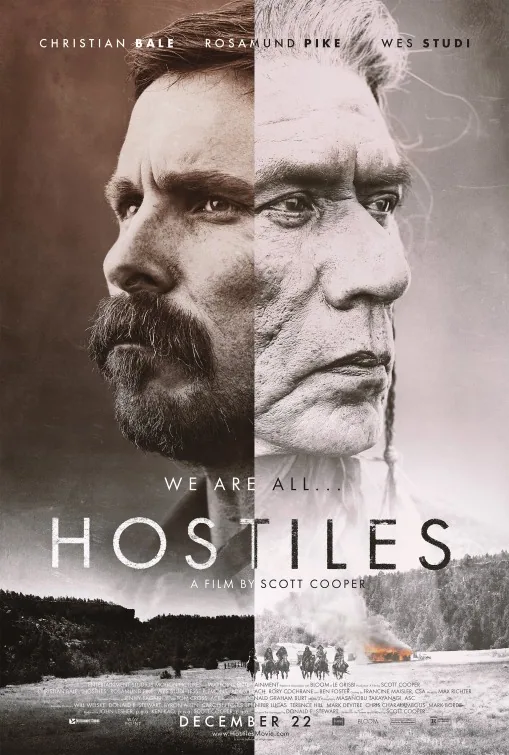
What changes Hostiles follows a difficult Western journey that forces a soldier to confront his hostility toward Indigenous people.
A U.S. Army captain is ordered to escort a Cheyenne chief and his family across dangerous territory to their homeland. The mission forces a group shaped by years of violence to travel together while facing threats from the surrounding frontier. The Western drama examines grief, racism and the possibility of limited cooperation without treating reconciliation as easy or complete.
The cattle drive becomes a test of Dunson’s authority when Matt decides the route and the danger no longer justify obedience.
Why this matches +
These offer a related experience with a meaningful difference in story, tone, or presentation.
An adjacent discovery: a related idea with a different viewing experience.
Genres: Drama / Western
Shared film traits
Based on recorded story, mood and style. Your preferences can change the order.
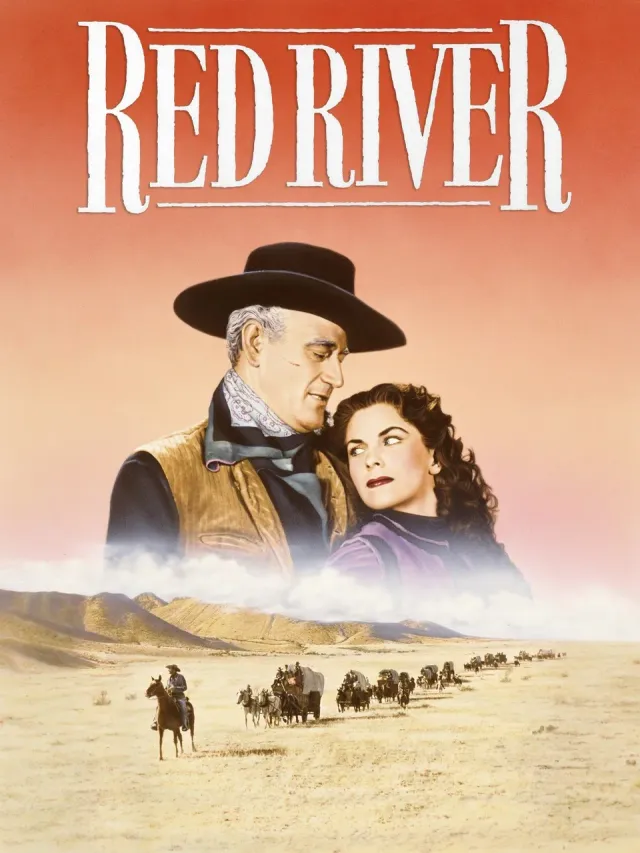
What changes Red River follows a long Western journey complicated by a controlling older man's conflict with a younger companion.
After taking a teenage orphan, Matt Garth, under his care, rancher Thomas Dunson builds a Texas cattle empire with him. Years later, financial pressure leads Dunson to drive a huge herd toward a distant railhead, but his stubborn route and harsh control increasingly endanger the drovers. Matt challenges his authority and takes the herd toward a closer market, leaving Dunson behind. The two men then move toward a reckoning as Dunson follows the drive and tries to reclaim both the cattle and the son he helped raise. Their conflict turns a cattle journey into a struggle over inheritance, loyalty and command.
Joshua’s search for his sons’ graves becomes a search for reliable testimony amid the unsettled aftermath of Gallipoli.
Why this matches +
These offer a related experience with a meaningful difference in story, tone, or presentation.
An adjacent discovery: a related idea with a different viewing experience.
Genres: Drama / History
Shared film traits
Based on recorded story, mood and style. Your preferences can change the order.
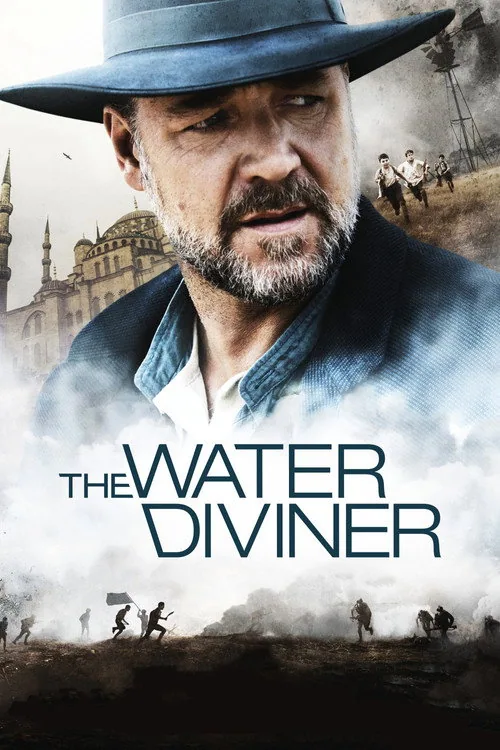
What changes The Water Diviner follows a man on a years-later search for missing family through a landscape marked by war.
In 1919, Australian farmer Joshua Connor travels to Turkey after the deaths of his three sons at Gallipoli and his wife’s grief-driven suicide. He hopes to recover their remains and bring them home, but the search draws him into the aftermath of war, where a Turkish widow and a Turkish officer help him understand what happened. Russell Crowe’s directorial debut is a period drama about mourning, cross-cultural contact, and the long human consequences of battle.
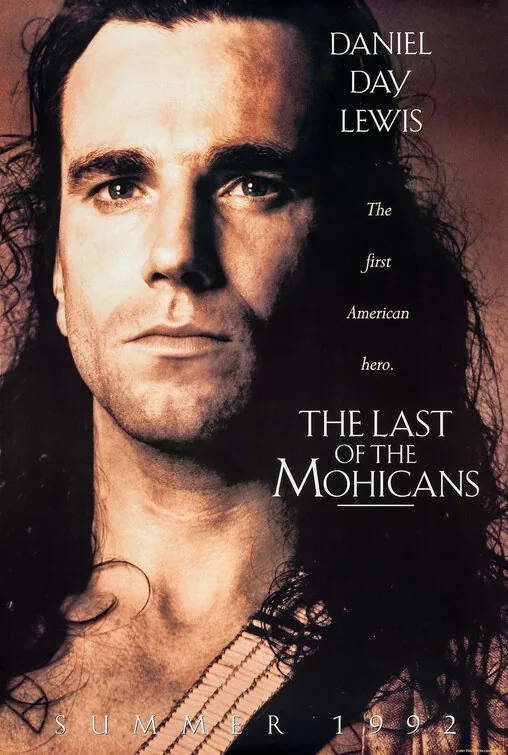
The escort mission becomes a rescue when the guide’s betrayal exposes the women to danger; the military campaign gives the pursuit its wider stakes.
Why this matches +
These offer a related experience with a meaningful difference in story, tone, or presentation.
An adjacent discovery: a related idea with a different viewing experience.
Genres: Drama / Romance
Shared film traits
Based on recorded story, mood and style. Your preferences can change the order.
Escape and pursuit
What changes The Last of the Mohicans follows a dangerous frontier rescue amid conflict between settlers and Indigenous communities.
During the French and Indian War, Hawkeye, his adopted Mohican father Chingachgook and Chingachgook’s son Uncas help escort Cora and Alice Munro through contested territory toward Fort William Henry. Their guide Magua betrays the party, drawing the travelers into a struggle shaped by shifting alliances among British, French and Indigenous forces. Hawkeye and Cora grow close as the group attempts to survive attacks and reach the fort. After its surrender, the daughters face a new threat and the Mohican family pursues them. The film builds toward a final confrontation about kinship, loss and who can claim a future in the land.
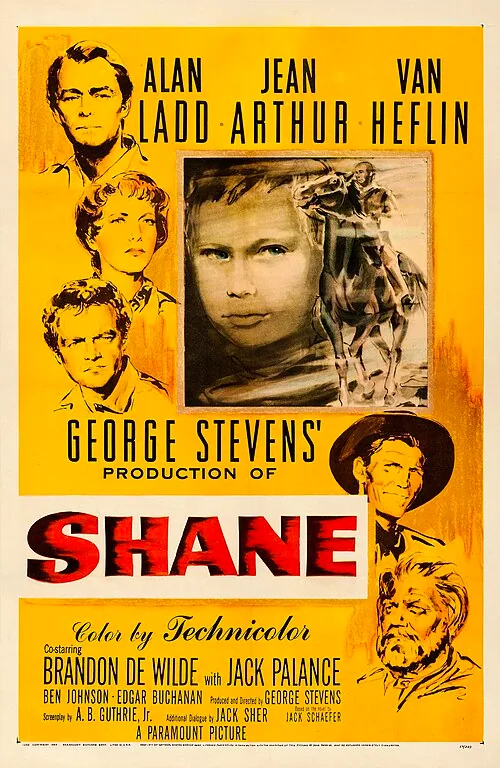
Ryker’s land pressure starts as intimidation and escalates into a showdown when the homesteaders’ legal claims cannot protect them from armed force.
Why this matches +
These offer a related experience with a meaningful difference in story, tone, or presentation.
An adjacent discovery: a related idea with a different viewing experience.
Genres: Drama / Romance
Shared film traits
Based on recorded story, mood and style. Your preferences can change the order.
What changes Shane examines violence and belonging in a frontier community through family relationships and Western myth.
A quiet gunfighter rides into a Wyoming valley and takes work on Joe Starrett’s homestead, where settlers are being pressured to leave by cattle baron Rufus Ryker. Joe and Shane first confront Ryker’s men without guns, but the arrival of hired gunfighter Jack Wilson turns the dispute toward lethal violence. The Starretts’ young son Joey admires Shane’s skill, while Marian sees the cost of making a gunman the family’s protector. When Ryker tries to draw Joe into a trap, Shane intervenes, wins the final fight and rides away despite Joey’s call to return.
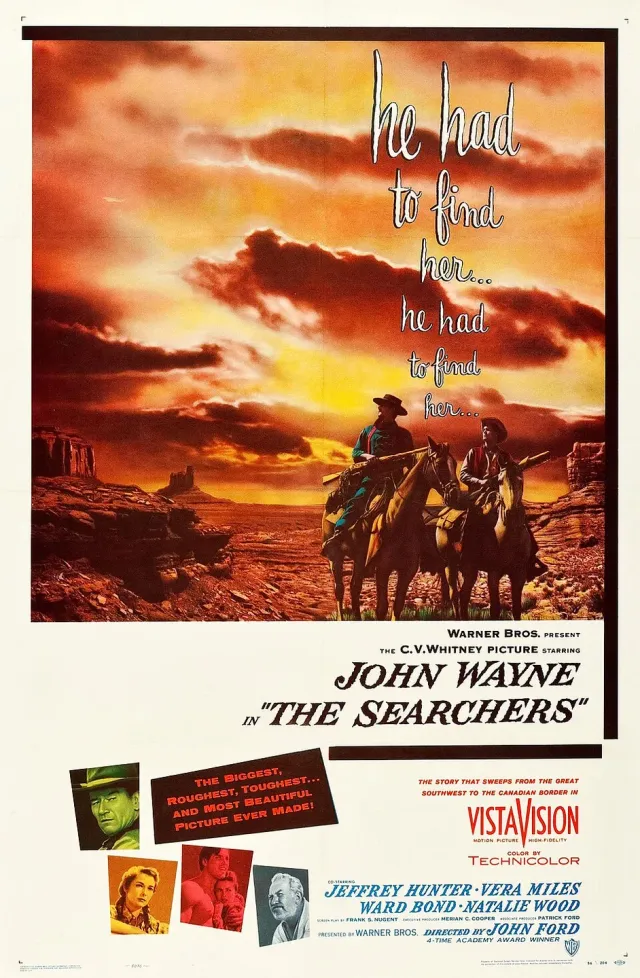
Civil War veteran Ethan Edwards returns to his brother's Texas home and joins a pursuit after a Comanche raid kills much of the family and takes young Debbie. Ethan and Debbie's adopted, part-Cherokee brother Martin search for years, but they do not share the same purpose: Martin hopes to bring Debbie home, while Ethan's racism makes him question whether she should be rescued if she has assimilated into Comanche life. Their route crosses ranches, military posts and settlements, while Martin's attachment to Laurie and Ethan's fixation on the search complicate their return to ordinary life. When they finally find Debbie, Martin has to prevent Ethan's hatred from determining her fate. The film's iconic Western landscape frames a story that exposes the violence and racial hierarchy embedded in its frontier mythology.
What drives the story
A long rescue search splits between Martin's concern for Debbie and Ethan's fixation on racial purity and revenge, making the destination morally uncertain.
The people at its centre
Ethan's affection for family is inseparable from his prejudice; Martin's kinship and Cherokee identity make him more alert to Debbie's agency and to the danger Ethan poses.
What it feels like
Monument Valley vistas and the threshold framing of home create an epic, elegiac Western whose formal beauty sits alongside its troubling racial perspective.
Worth knowing
For viewers interested in a canonical Western whose antihero is psychologically complicated. Its Indigenous characters and frontier assumptions demand historical and representational context; do not treat its pursuit as a neutral rescue story.
Racismrevengebelonging
Mood
Severe · epic · unsettling
Pacing
Expansive · episodic
Visual style
Monumental western landscapes · stark interiors
Storytelling
A prolonged search exposes the protagonist's own destructive fixation