Explore films connected to Da 5 Bloods through war memory and trauma, Black identity and history, brotherhood and inheritance. Choose the qualities you want to carry into your next watch.
What should feel similar?
Find your next favourite
9 films · Closest overall matches
Hide films you’ve seen or don’t want. Saved on this device.
No matches for this combination yet.
Try another option or reset your choices to see more films.
Based on recorded story, mood and style. Your preferences can change the order.
War and civilian life
What changes Da 5 Bloods: reunion and expedition, flashback-driven reflection and violent reckoning. Soul Patrol: observational.
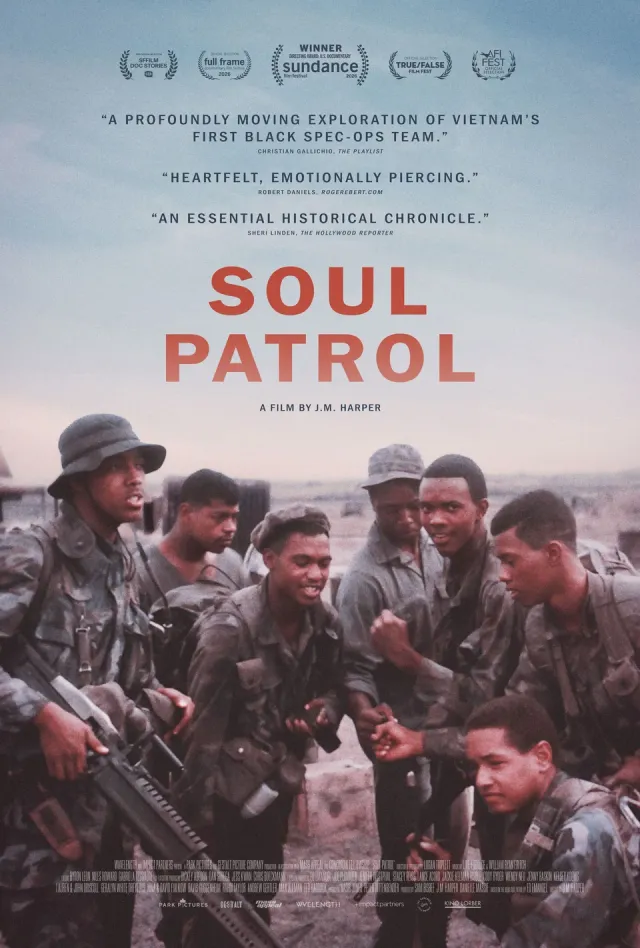
Surviving members of a pioneering Black special operations team revisit their service in Vietnam and its long aftermath. J.M. Harper brings their testimony together with photographs, recordings and personal film archives. The documentary considers the bond formed by dangerous missions alongside the contradiction of fighting for American freedom while facing racial inequality, making memory and life after combat as significant as battlefield history.
Based on recorded story, mood and style. Your preferences can change the order.
War and civilian life · Memory and identity
What changes Da 5 Bloods: reunion and expedition, flashback-driven reflection and violent reckoning. Brothers: slow-building and emotionally escalating.
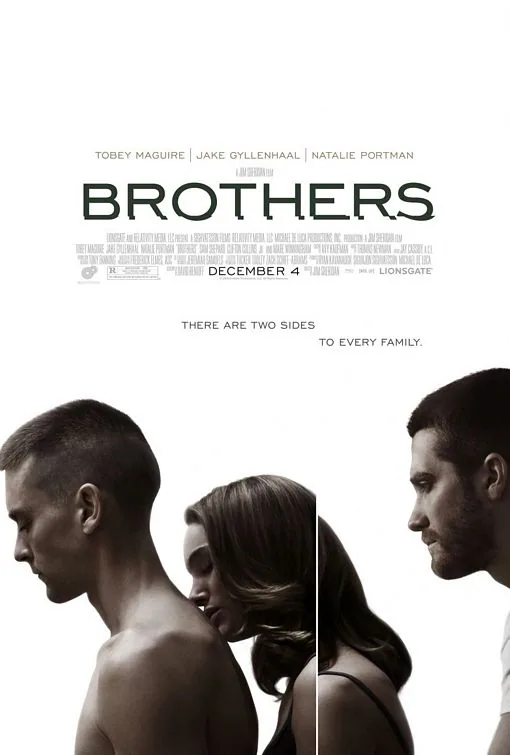
Marine Sam Cahill is presumed dead after a mission in Afghanistan, and his brother Tommy steps in to support Sam’s wife Grace and their children. When Sam returns home, his experiences of captivity and violence alter the family’s fragile arrangements. The drama follows loyalty, grief and trauma through a domestic setting, focusing on how an event far from home continues to shape relationships after a soldier’s return.
Based on recorded story, mood and style. Your preferences can change the order.
War and civilian life
What changes Da 5 Bloods: reunion and expedition, flashback-driven reflection and violent reckoning. Rambo: First Blood Part II: fast, action-driven and escalating.
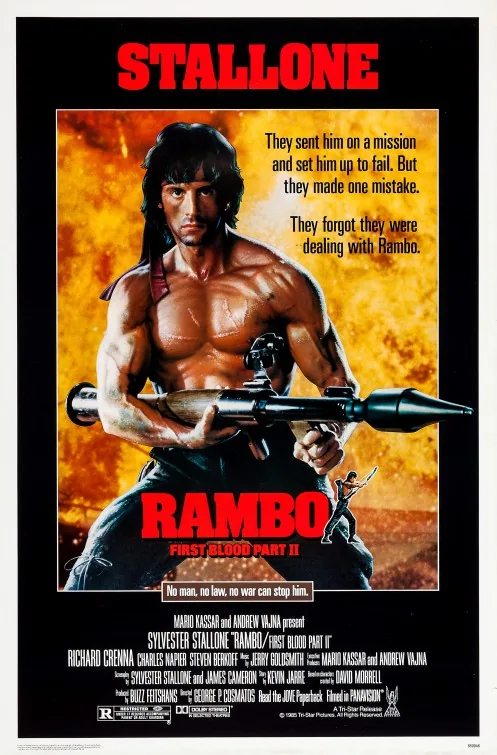
Three years after the events in Hope, John Rambo is offered a possible pardon if he will return to Vietnam and photograph evidence of American prisoners still held there. Colonel Sam Trautman supervises the mission, while bureaucrat Marshall Murdock limits Rambo’s orders to reconnaissance. Rambo discovers living prisoners and breaks the mission’s boundaries to rescue them, aided by local contact Co Bao. When the extraction is sabotaged, Rambo must return through the jungle and confront the officials who sent him. His final demand is that the country care for its veterans, not merely use them when politically convenient.
Based on recorded story, mood and style. Your preferences can change the order.
War and civilian life · Memory and identity
What changes Da 5 Bloods: reunion and expedition, flashback-driven reflection and violent reckoning. The Last Full Measure: battlefield rescue in flashback, investigation begins, witness accounts accumulate and recognition decision.
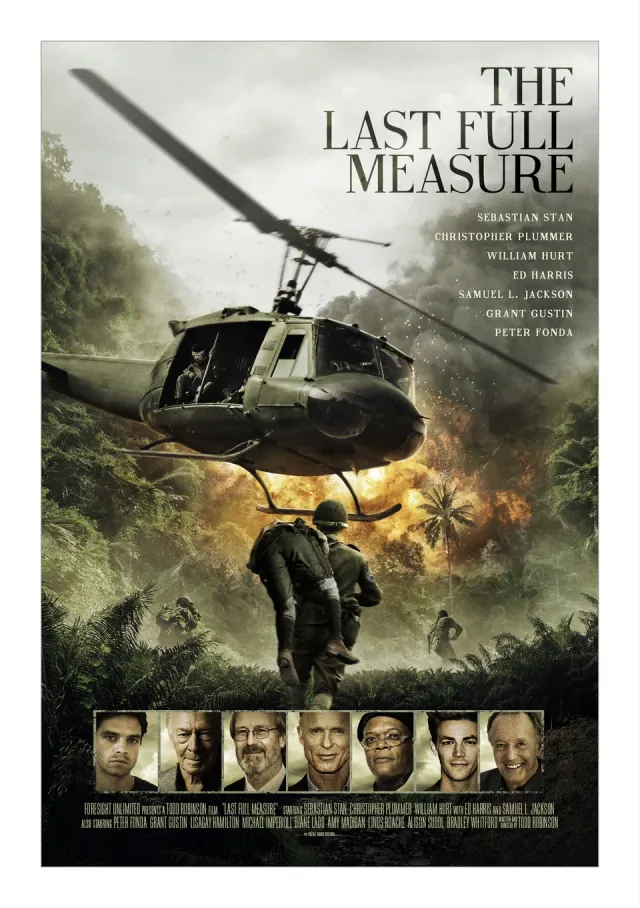
Decades after Air Force pararescueman William H. Pitsenbarger gives his life rescuing soldiers in Vietnam, Pentagon staffer Scott Huffman is assigned to review a request for the Medal of Honor. Huffman interviews veterans and witnesses whose accounts reveal the scale of Pitsenbarger’s actions and the bureaucratic resistance surrounding recognition. Todd Robinson’s war drama moves between the 1966 battle and the later campaign to honor a fallen serviceman, focusing on memory, testimony, sacrifice, and the obligations owed to those who served.
Based on recorded story, mood and style. Your preferences can change the order.
War and civilian life
What changes Da 5 Bloods: reunion and expedition, flashback-driven reflection and violent reckoning. Hamburger Hill: attritional battle with periods of preparation.
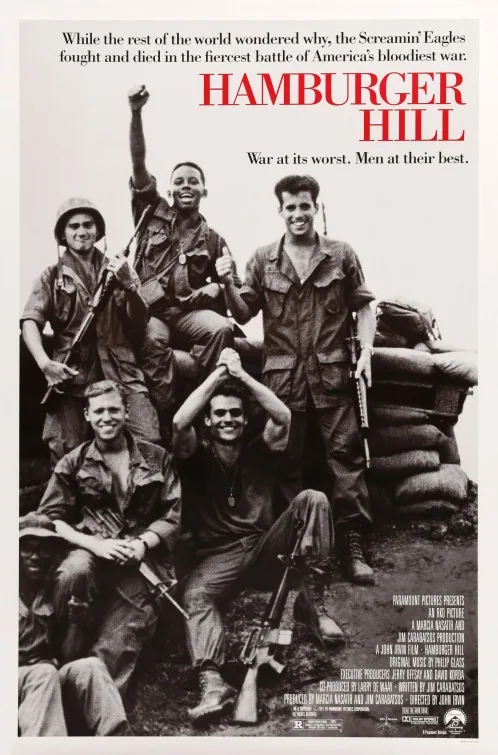
A platoon of American soldiers arrives in Vietnam in 1969 with inexperienced replacements and a battle-weary leadership. Their mission is to seize Hill 937, a steep and fortified position that becomes the focus of repeated assaults. The film follows the physical cost of attritional combat and the tensions among soldiers, including racial inequities, as the unit struggles to understand what its repeated sacrifices will accomplish.
Based on recorded story, mood and style. Your preferences can change the order.
What changes Da 5 Bloods: reunion and expedition, flashback-driven reflection and violent reckoning. The Searchers: expansive and episodic.
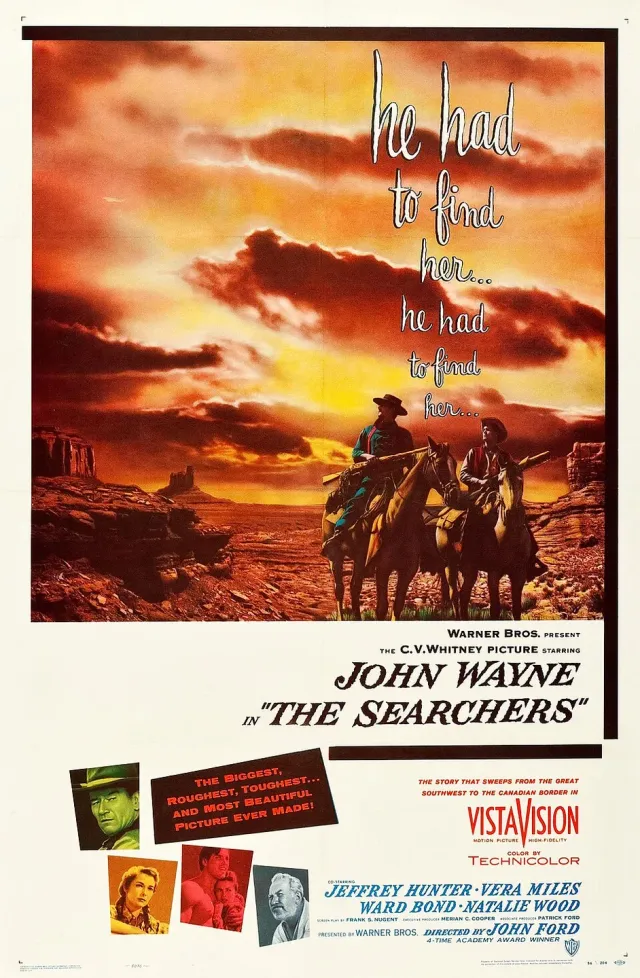
Civil War veteran Ethan Edwards returns to his brother's Texas home and joins a pursuit after a Comanche raid kills much of the family and takes young Debbie. Ethan and Debbie's adopted, part-Cherokee brother Martin search for years, but they do not share the same purpose: Martin hopes to bring Debbie home, while Ethan's racism makes him question whether she should be rescued if she has assimilated into Comanche life. Their route crosses ranches, military posts and settlements, while Martin's attachment to Laurie and Ethan's fixation on the search complicate their return to ordinary life. When they finally find Debbie, Martin has to prevent Ethan's hatred from determining her fate. The film's iconic Western landscape frames a story that exposes the violence and racial hierarchy embedded in its frontier mythology.
Based on recorded story, mood and style. Your preferences can change the order.
War and civilian life
What changes Da 5 Bloods: reunion and expedition, flashback-driven reflection and violent reckoning. Mudbound: multi-voice family portrait, slow social pressure and tragic escalation.
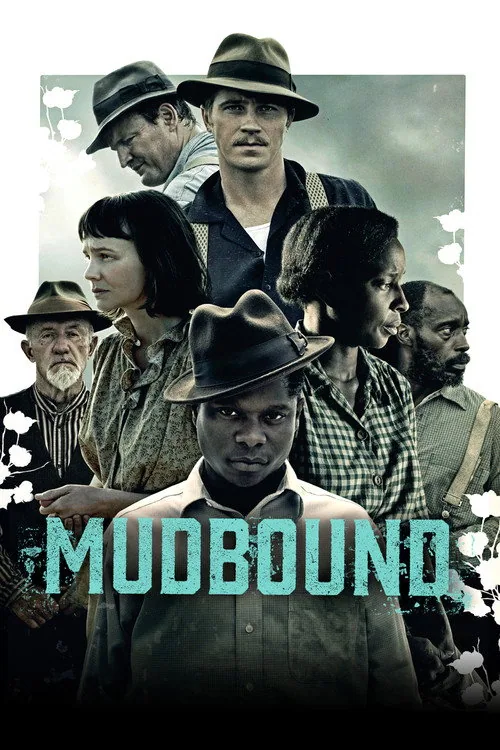
After World War II, the white McAllan family struggles to run a farm in the Mississippi Delta alongside the Black Jackson family, who work the same land under unequal conditions. Veterans Jamie McAllan and Ronsel Jackson return from war with experiences that do not fit the racial hierarchy at home. Their friendship grows in secret, drawing hostility from family and community. Told through several points of view, the drama follows an intergenerational story of land, racism, trauma, and fragile solidarity.
Based on recorded story, mood and style. Your preferences can change the order.
War and civilian life
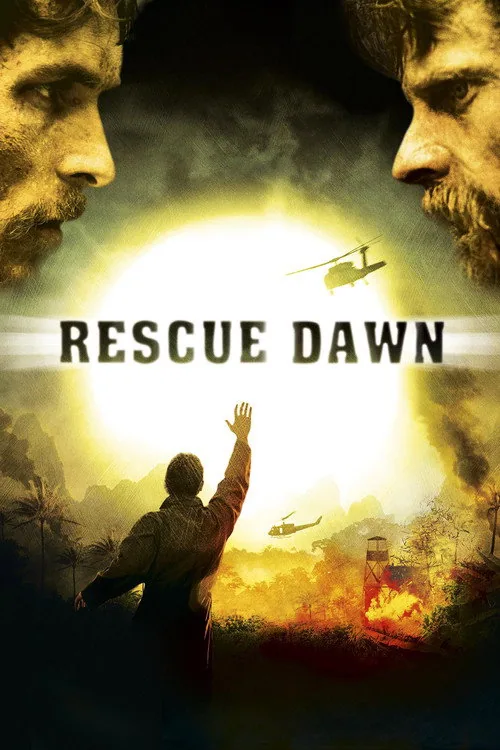
What changes Da 5 Bloods: reunion and expedition, flashback-driven reflection and violent reckoning. Rescue Dawn: a carefully planned camp escape becomes a less controlled struggle through the jungle..
Navy pilot Dieter Dengler is shot down over Laos during the Vietnam War, captured, and held in a remote prisoner camp. He refuses an offer to condemn the United States and begins planning an escape with other prisoners, whose strength and willingness to take risks differ. Werner Herzog’s survival drama follows the escape into dense jungle, where the group must improvise food, shelter, and a route toward rescue. The film is based on Dengler’s account and emphasizes the physical costs of captivity and flight.
Based on recorded story, mood and style. Your preferences can change the order.
War and civilian life
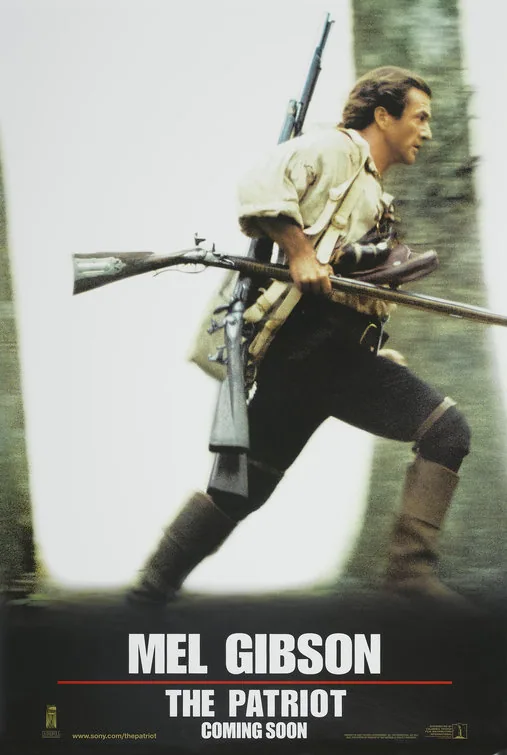
What changes Da 5 Bloods: reunion and expedition, flashback-driven reflection and violent reckoning. The Patriot: escalating and battle-driven.
Widower and veteran Benjamin Martin opposes South Carolina’s entry into the Revolutionary War, but his son Gabriel joins the Continental Army. When British officer William Tavington kills another of Benjamin’s sons and burns the family home, Benjamin takes up arms and leads a militia in guerrilla attacks. The film presents him as having freed the enslaved Occam, yet largely removes plantation slavery from its view of South Carolina. It also uses a fictional church-burning massacre, modeled on a twentieth-century atrocity, to turn British troops into a singular villain. Gabriel returns to fight alongside his father, and family revenge becomes the engine of a campaign whose composite characters and altered events make it action melodrama rather than a measured history.
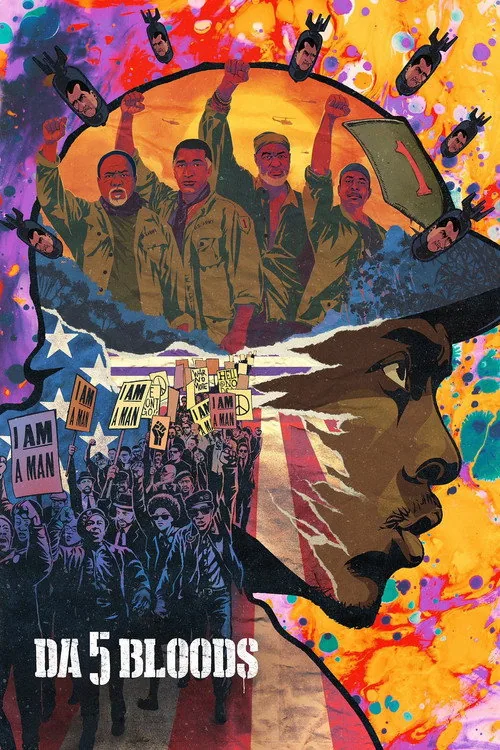
Four Black Vietnam War veterans return to the country decades after combat to recover the remains of their squad leader and locate a cache of gold they buried. Paul, Otis, Eddie, and Melvin travel with Paul's son David, whose presence raises old questions about family and responsibility. The search brings the men through landscapes shaped by war, tourism, and unresolved memory. Spike Lee's drama shifts between past and present, linking the veterans' mission to Black history, trauma, and the costs of American intervention.
What drives the story
A mission to retrieve their fallen leader and hidden gold forces the veterans back through places tied to their wartime past.
The people at its centre
Paul's distrust and father-son tension shape the group, while the surviving Bloods disagree about what the treasure means.
What it feels like
A politically engaged war drama blends adventure, memory, music, and abrupt tonal shifts across several visual formats.
Worth knowing
The story follows Black American veterans returning to Vietnam and wrestling with history, rather than a combat unit during the war itself.
war memory and traumaBlack identity and historybrotherhood and inheritance
Mood
political · reflective · volatile
Pacing
reunion and expedition · flashback-driven reflection · violent reckoning
Visual style
Vietnamese landscapes · archival war imagery · format shifts between past and present
Storytelling
veterans return to recover comrade and gold · son joins father's mission · war past interrupts present journey