Explore films connected to The Man Who Would Be King through imperial ambition, friendship and betrayal, power and belief. Choose the qualities you want to carry into your next watch.
What should feel similar?
Find your next favourite
9 films · Closest overall matches
Hide films you’ve seen or don’t want. Saved on this device.
No matches for this combination yet.
Try another option or reset your choices to see more films.
Based on recorded story, mood and style. Your preferences can change the order.
Political resistance
What changes The Man Who Would Be King: framed confession, expedition and conquest and tragic downfall. Braveheart: epic and intense.
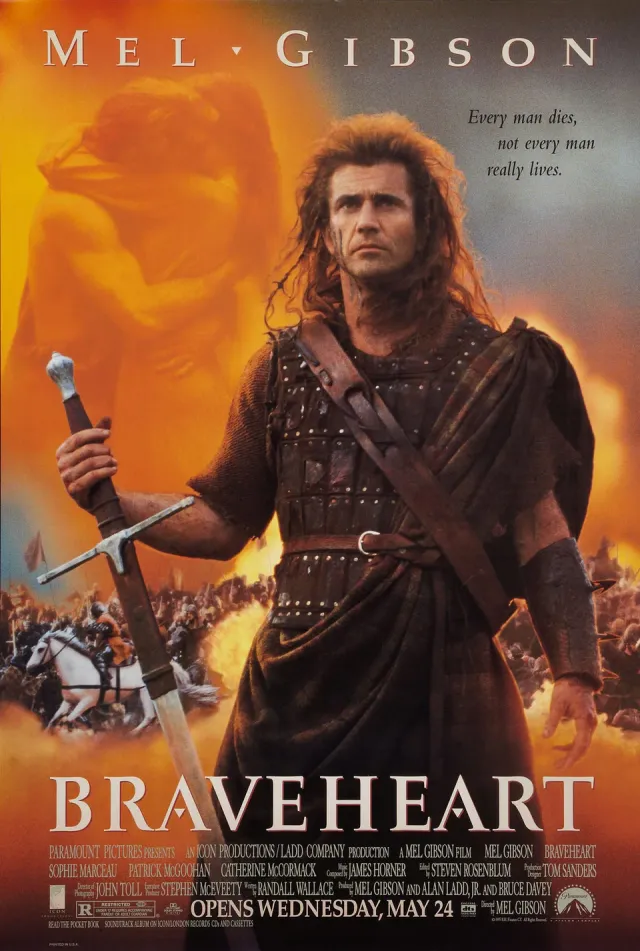
A Scottish man hoping for an ordinary domestic life is drawn into rebellion after personal loss exposes the violence sustaining English rule. Military success makes him a symbol around which competing nobles and ordinary fighters organise different hopes. As diplomacy and betrayal complicate the campaign, his private grief becomes inseparable from a public mythology of freedom that requires costs no single leader can control.
Based on recorded story, mood and style. Your preferences can change the order.
Political resistance
What changes The Man Who Would Be King: framed confession, expedition and conquest and tragic downfall. The Message: origins and conversion, exile and community building and return and battle.
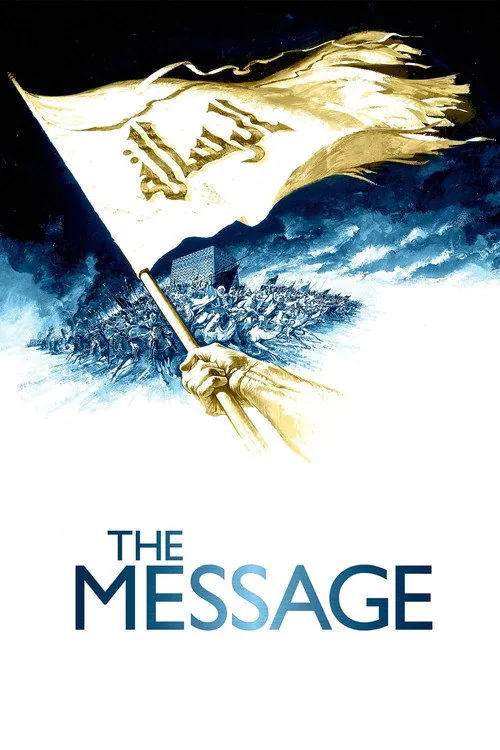
The film follows the early spread of Islam through the experiences of Muhammad's companions, whose persecution in Mecca leads them to seek refuge and later return with a growing community. As the new faith challenges established power, its followers face social pressure, exile, and armed conflict. The story depicts the Prophet without showing his face or using an actor, respecting a central religious convention. Moustapha Akkad's historical epic presents the foundation of Islam through surrounding figures and major events rather than a single biographical lead performance.
Based on recorded story, mood and style. Your preferences can change the order.
Memory and identity
What changes The Man Who Would Be King: framed confession, expedition and conquest and tragic downfall. Laal Singh Chaddha: episodic progression across decades.
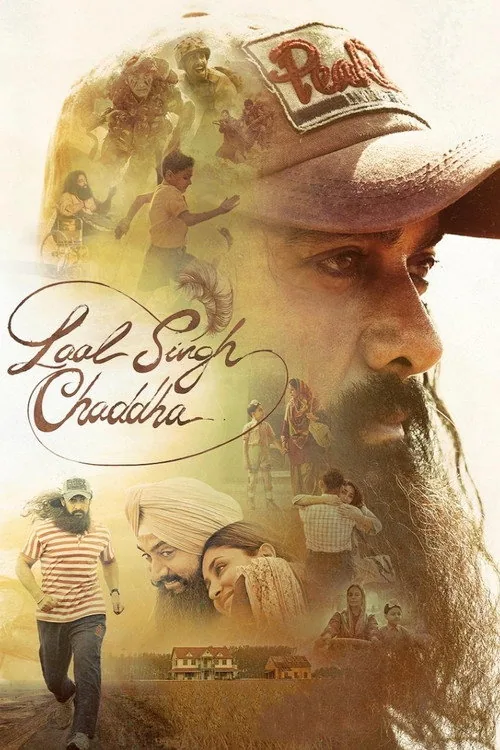
During a train journey, Laal Singh Chaddha recounts the extraordinary path of his life, from a village childhood and school friendship with Rupa to experiences shaped by major events in modern India. His mother encourages him to trust his abilities despite physical challenges, and his persistence carries him through military service, sport, and unexpected success. The Hindi drama adapts a familiar life-journey structure to Indian history and places emotional loyalty above conventional ambition.
Based on recorded story, mood and style. Your preferences can change the order.
What changes The Man Who Would Be King: framed confession, expedition and conquest and tragic downfall. Whiskey Tango Foxtrot: episodic reporting life, comic social turns and war-zone action interruptions.
Frustrated television journalist Kim Baker accepts a short assignment in Afghanistan and arrives expecting a temporary change from her routine. She adapts to the Kabul press corps with help from fellow correspondents and an Afghan fixer, then begins taking greater risks to get stories and maintain her standing. Her career develops alongside complicated friendships, romantic entanglements, and the reality of reporting in a war zone. The comedy-drama draws loosely from Kim Barker's memoir and follows a correspondent discovering both the rush and the cost of conflict journalism.
Based on recorded story, mood and style. Your preferences can change the order.
Political resistance
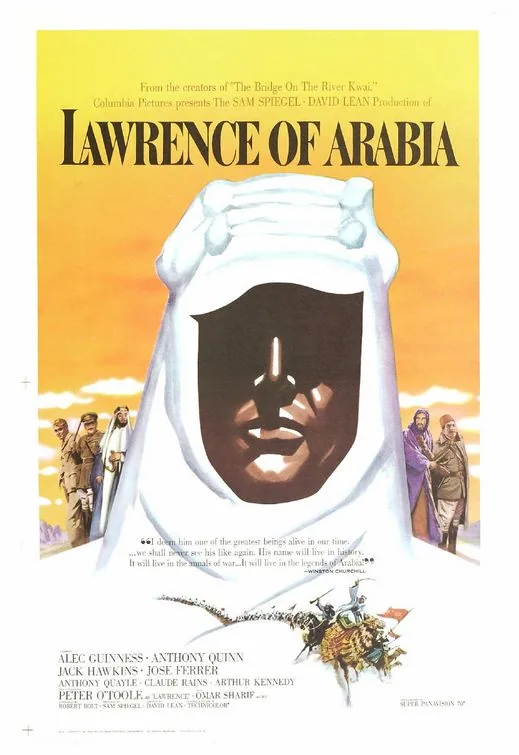
What changes The Man Who Would Be King: framed confession, expedition and conquest and tragic downfall. Lawrence of Arabia: epic and measured.
A British officer posted to the Middle East during the First World War joins Arab forces opposing Ottoman rule and becomes a celebrated figure in their campaign. His identification with the desert and hunger for extraordinary achievement grow entangled with competing local aims and British strategic interests. Victories intensify rather than resolve questions about violence, self-invention and who is permitted to claim ownership of a liberation struggle.
Based on recorded story, mood and style. Your preferences can change the order.
Memory and identity
What changes The Man Who Would Be King: framed confession, expedition and conquest and tragic downfall. Sita Ramam: gradual discovery, romance-led and emotional crescendo.
In 1985, Afreen is tasked with delivering a letter that an Indian soldier named Ram wrote to Sita decades earlier but that never reached its destination. Her search takes her from London to Hyderabad and leads her to retired officer Vikas, who can explain Ram’s service in Kashmir and the relationship behind the letter. As Afreen reconstructs the past from testimony and memory, a romance emerges against a backdrop of military conflict and divided loyalties. The film uses a delayed message to connect personal devotion with history.
Based on recorded story, mood and style. Your preferences can change the order.
Political resistance
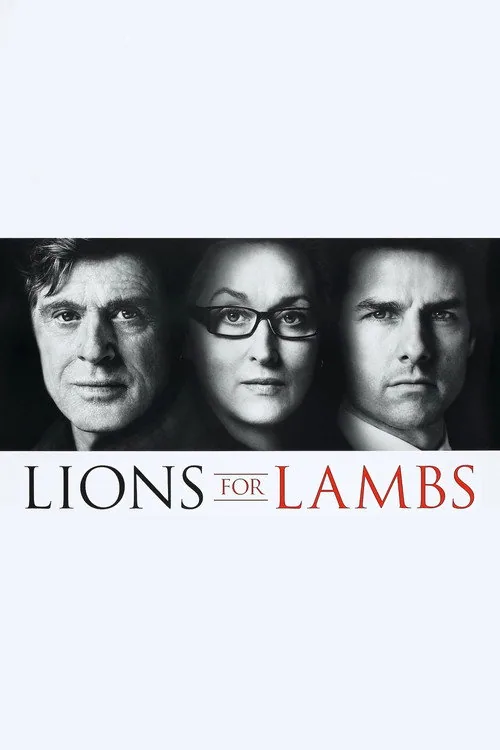
What changes The Man Who Would Be King: framed confession, expedition and conquest and tragic downfall. Lions for Lambs: parallel conversation threads, limited battlefield action and argument-centered ending.
A senator explains a new Afghanistan strategy to a skeptical television reporter while two young soldiers execute a dangerous mission on the ground. At a West Coast university, a professor tries to reach an apathetic student whose past choices intersect with those soldiers' enlistment. The three strands unfold over roughly the same period, linking policy, journalism, education, and combat. The political drama is structured around conversations and cross-cutting rather than action, asking how people justify participation or withdrawal from public life.
Based on recorded story, mood and style. Your preferences can change the order.
Political resistance
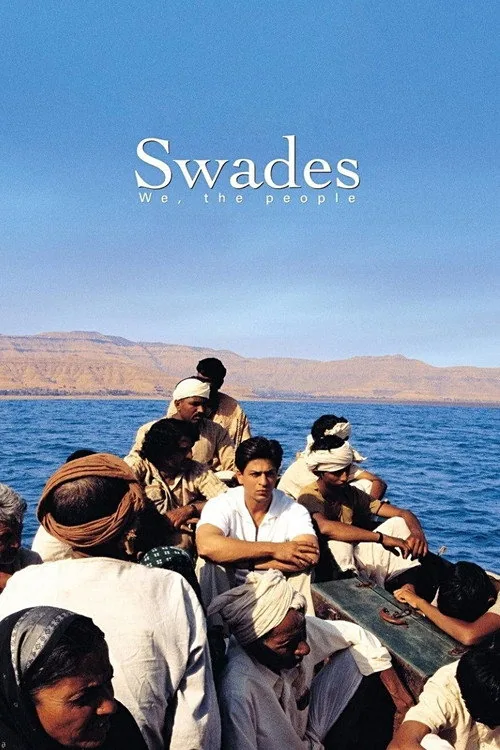
What changes The Man Who Would Be King: framed confession, expedition and conquest and tragic downfall. Swades: a nasa engineer’s visit to his former caregiver’s village leads him to address a basic local need..
Mohan Bhargava, a project manager at NASA, returns to India to find Kaveri, the woman who cared for him as a child. His visit to her village in Uttar Pradesh brings him into contact with the residents’ daily struggles, including unreliable electricity and barriers to education. A request to help a poor farmer prompts Mohan to reconsider the distance between his comfortable life abroad and the community he has left behind. Ashutosh Gowariker’s drama follows his gradual commitment to a small-scale hydroelectric project and a renewed sense of belonging.
Based on recorded story, mood and style. Your preferences can change the order.
Political resistance
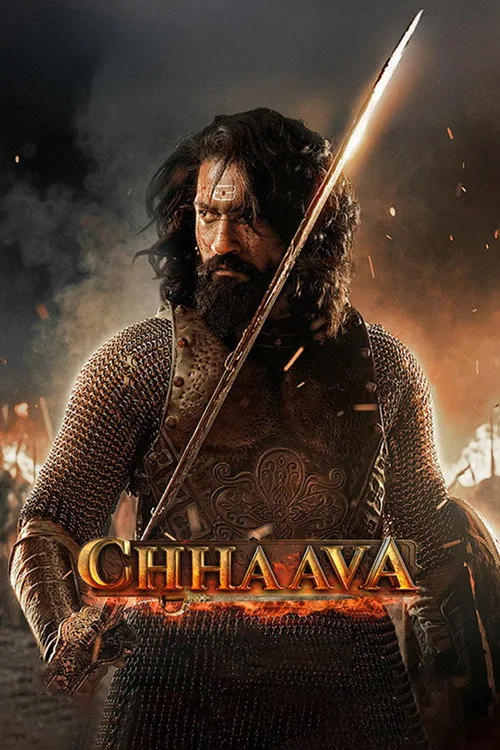
What changes The Man Who Would Be King: framed confession, expedition and conquest and tragic downfall. Chhaava: succession sparks a renewed campaign, battles and alliances widen the stakes and capture leads to a final test of conviction.
After the death of Shivaji, his son Sambhaji takes leadership of the Maratha resistance against Mughal emperor Aurangzeb. He launches a campaign against Mughal power, balancing military strategy with the need to hold together a kingdom and its allies. When Sambhaji is captured, the conflict becomes a test of endurance, conviction, and the political future he represents. The Hindi historical epic combines court rivalry, battlefield spectacle, and a portrait of a ruler whose resistance becomes a symbol for his people.
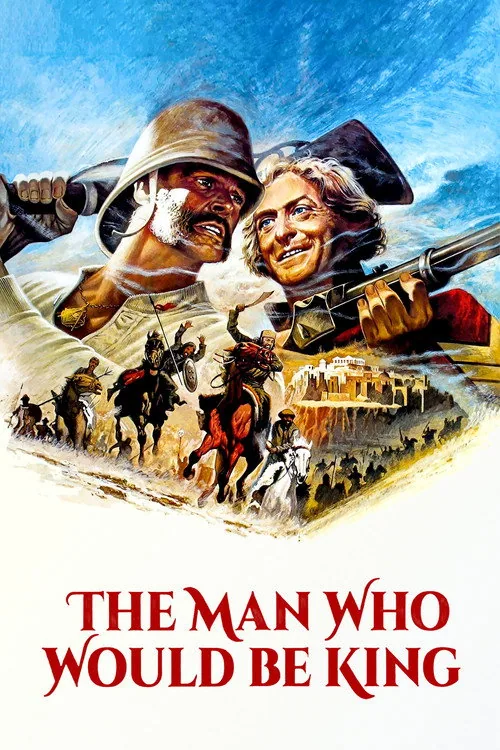
In British India, former soldiers Daniel Dravot and Peachy Carnehan tell journalist Rudyard Kipling of their plan to travel to remote Kafiristan and become rulers. They cross dangerous terrain, use military skill to support local leaders, and eventually exploit a people's belief that Dravot may be a god. As power and admiration grow, the friends abandon the limits they set for themselves and risk losing the bond that sustained their scheme. John Huston's adventure explores colonial ambition, hubris, and the boundary between performance and belief.
What drives the story
Dravot and Carnehan's colonial scheme succeeds beyond expectation until belief in Dravot's divinity puts their pact at risk.
The people at its centre
Their friendship and shared appetite for adventure become strained when one partner begins to accept the authority they fabricated.
What it feels like
A classic adventure combines travel, humor, and spectacle with a sober account of imperial self-deception.
Worth knowing
Its journey examines British colonial arrogance through two rogue adventurers, rather than celebrating conquest as a straightforward triumph.
imperial ambitionfriendship and betrayalpower and belief
Mood
adventurous · wry · tragic
Pacing
framed confession · expedition and conquest · tragic downfall
Visual style
rugged mountain landscapes · period adventure staging · ceremonial costumes and ritual
Storytelling
two ex-soldiers pursue rule in remote kingdom · local belief elevates adventurer to godlike status · success undermines pact between friends