Explore films connected to Whiskey Tango Foxtrot through ambition and risk, journalism and proximity to war, identity away from home. Choose the qualities you want to carry into your next watch.
What should feel similar?
Find your next favourite
9 films · Closest overall matches
Hide films you’ve seen or don’t want. Saved on this device.
No matches for this combination yet.
Try another option or reset your choices to see more films.
Based on recorded story, mood and style. Your preferences can change the order.
War and civilian life
What changes Whiskey Tango Foxtrot: episodic reporting life, comic social turns and war-zone action interruptions. Lions for Lambs: parallel conversation threads, limited battlefield action and argument-centered ending.
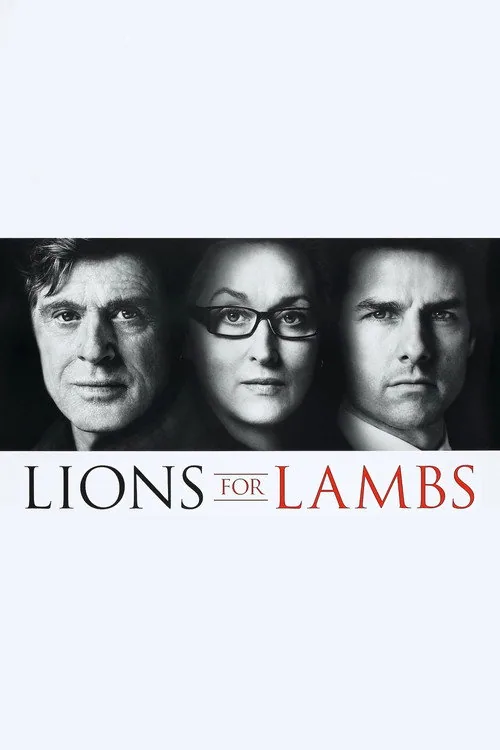
A senator explains a new Afghanistan strategy to a skeptical television reporter while two young soldiers execute a dangerous mission on the ground. At a West Coast university, a professor tries to reach an apathetic student whose past choices intersect with those soldiers' enlistment. The three strands unfold over roughly the same period, linking policy, journalism, education, and combat. The political drama is structured around conversations and cross-cutting rather than action, asking how people justify participation or withdrawal from public life.
Based on recorded story, mood and style. Your preferences can change the order.
War and civilian life · Investigation
What changes Whiskey Tango Foxtrot: episodic reporting life, comic social turns and war-zone action interruptions. The Men Who Stare at Goats: episodic and travel-led.
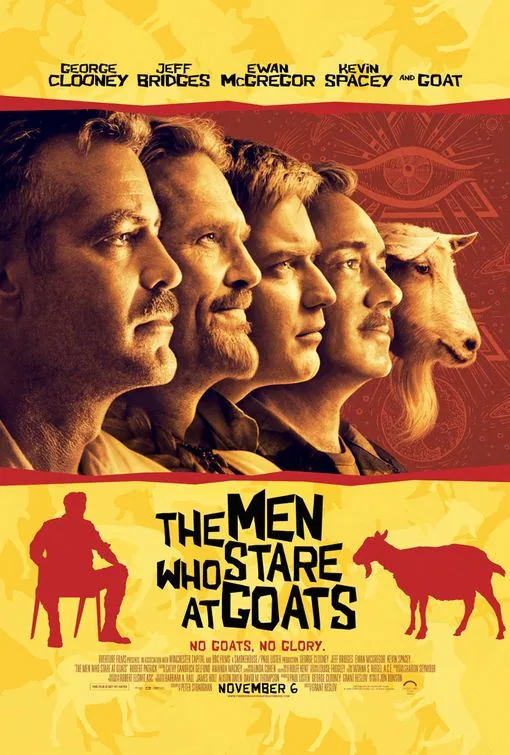
A journalist in Iraq meets a former soldier who claims to have trained in a secret program that explored unconventional mental techniques for military use. Their journey brings together military ambition, spiritual language and the absurdity of institutions trying to make unusual ideas operational. The comedy draws on a fictionalized account of reported claims, using dry humor to question authority and the stories people tell to give purpose to conflict.
Based on recorded story, mood and style. Your preferences can change the order.
What changes Whiskey Tango Foxtrot: episodic reporting life, comic social turns and war-zone action interruptions. Wag the Dog: schematic and escalating deception.
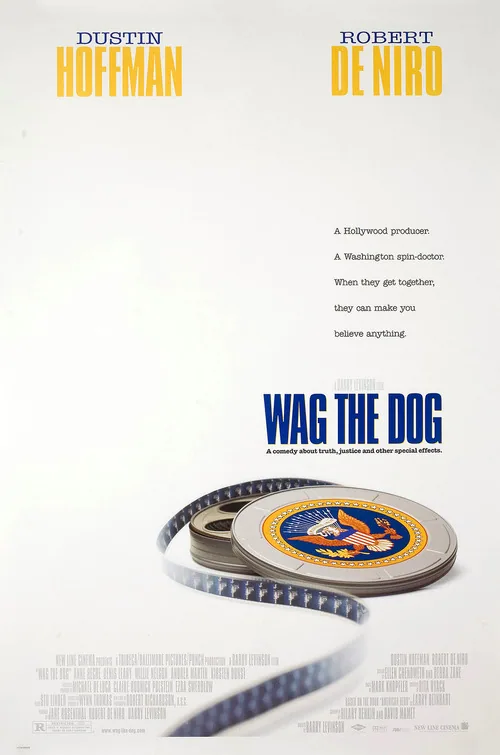
With a presidential sex scandal threatening an election, political consultant Conrad Brean hires Hollywood producer Stanley Motss to invent a distant war that can redirect the news. Motss treats the crisis as a production problem, assembling images, slogans, music and a fictional hero with the same craft he would use for a movie. Brean manages government messaging while the fabricated conflict begins to acquire an independent life in the media. The film’s comedy comes from watching public belief depend on the details of a story that exists mainly because two professionals know how to stage it. As the campaign grows, it becomes less controllable, even for the people who made it. The satire targets both political spin and entertainment’s ability to make images feel like evidence.
Based on recorded story, mood and style. Your preferences can change the order.
Investigation
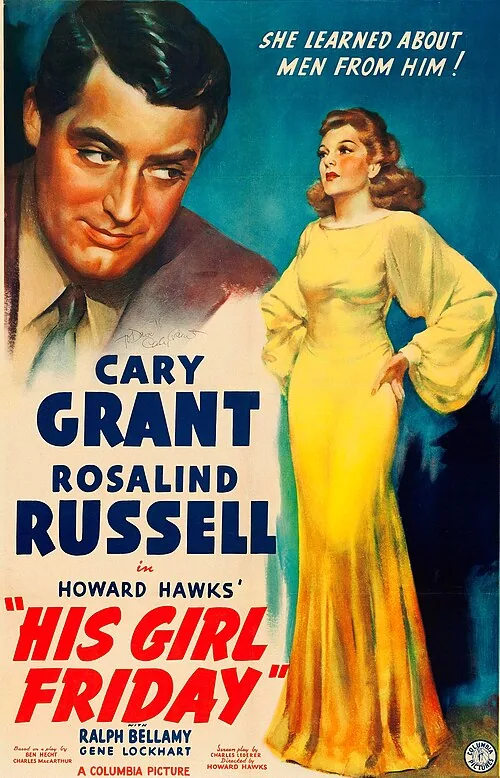
What changes Whiskey Tango Foxtrot: episodic reporting life, comic social turns and war-zone action interruptions. His Girl Friday: fast.
A celebrated reporter plans to leave both her newspaper and her former husband for a quieter marriage. Her editor draws her into one last assignment, then sabotages her fiancé while an escaped prisoner turns the newsroom into a hiding place. Political officials protecting their careers and journalists protecting a scoop prove differently willing to sacrifice a vulnerable man's future. The screwball comedy makes professional exhilaration difficult to separate from manipulation, with romantic reunion entangled in a workplace that repeatedly claims the reporter's attention as its own.
Based on recorded story, mood and style. Your preferences can change the order.
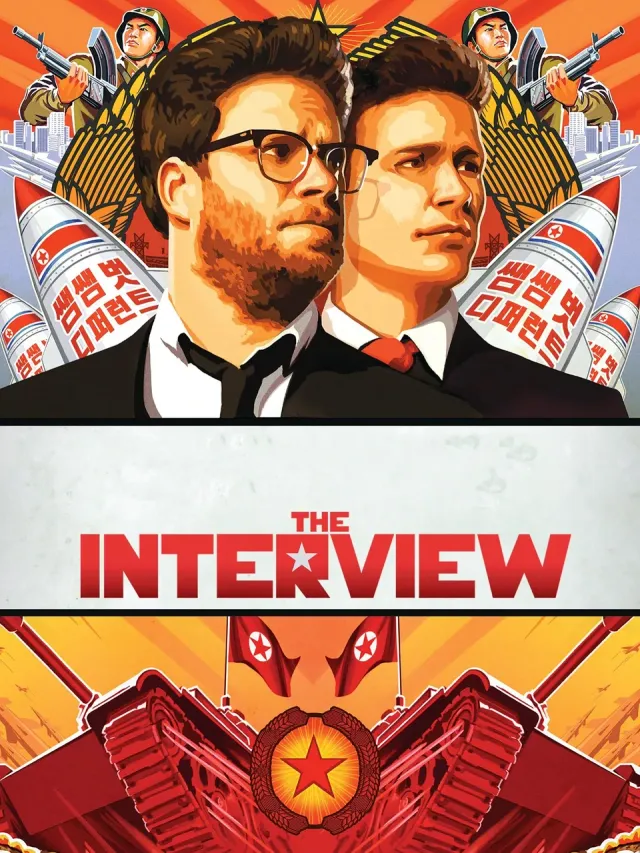
What changes Whiskey Tango Foxtrot: episodic reporting life, comic social turns and war-zone action interruptions. The Interview: mission planning and comic reversals.
Talk-show host Dave Skylark and producer Aaron Rapaport are invited to interview North Korean leader Kim Jong Un after learning he watches their celebrity program. The CIA recruits the pair to use the trip for an assassination, turning a media visit into an increasingly chaotic covert operation. Dave’s unexpected rapport with Kim complicates the assignment, while Aaron worries about the moral and political consequences of what they have agreed to do. The comedy sends celebrity culture and state spectacle into absurd collision, deliberately treating geopolitical stakes as material for farce.
Based on recorded story, mood and style. Your preferences can change the order.
War and civilian life · Investigation
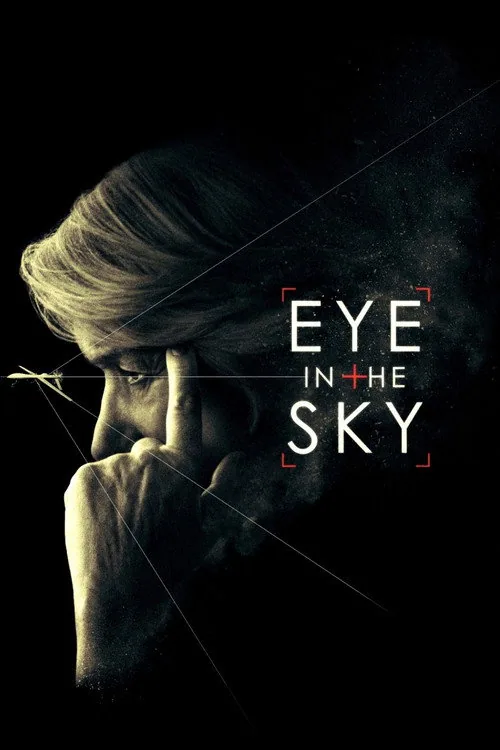
What changes Whiskey Tango Foxtrot: episodic reporting life, comic social turns and war-zone action interruptions. Eye in the Sky: procedural, tightly paced and deadline-driven.
A multinational military team tracks Al-Shabaab leaders in a Nairobi safe house, first planning a capture and then reconsidering after discovering an imminent suicide attack. Colonel Katherine Powell oversees the mission while drone pilot Steve Watts watches from Nevada. A young girl selling bread beside the building raises the immediate risk of civilian harm. Gavin Hood’s thriller follows the legal, military, and political chain of command as its participants debate whether and when to strike.
Based on recorded story, mood and style. Your preferences can change the order.
War and civilian life
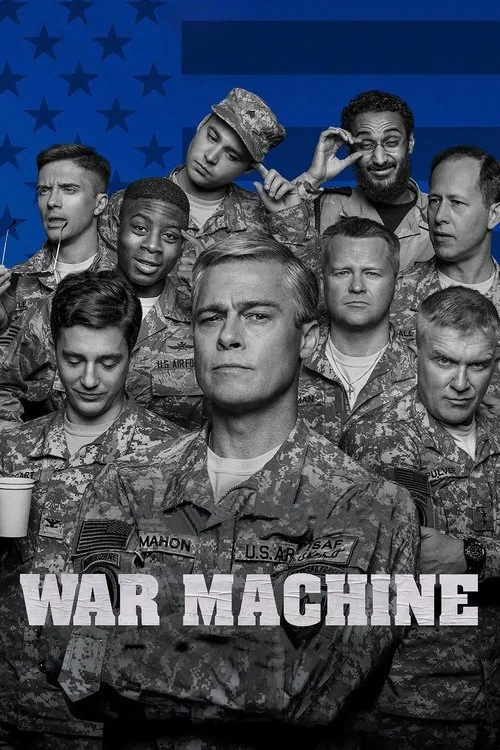
What changes Whiskey Tango Foxtrot: episodic reporting life, comic social turns and war-zone action interruptions. War Machine: arrival and strategic planning, bureaucratic delay and public controversy and campaign's contradictions become clear.
General Glen McMahon arrives in Afghanistan in 2009 to assess the war and believes a large troop surge can deliver victory, despite political limits on his mandate. He and his staff pursue a strategy that requires allied support, while an election crisis and public messaging complicate their plans. McMahon's confidence in military leadership clashes with the political and cultural realities around him, and his decision to leak a report turns the campaign into a satirical portrait of ambition, institutional blind spots, and an unwinnable mission.
Based on recorded story, mood and style. Your preferences can change the order.
War and civilian life
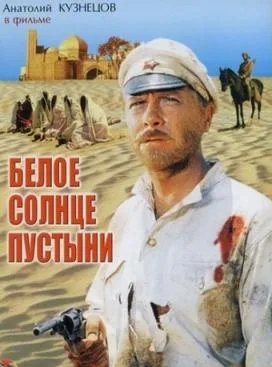
What changes Whiskey Tango Foxtrot: episodic reporting life, comic social turns and war-zone action interruptions. White Sun of the Desert: episodic adventure and action climax.
After the Russian Civil War, demobilized Red Army soldier Fyodor Sukhov is trying to travel home through the sands of Turkestan when he is asked to guard the wives abandoned by the fleeing bandit Abdullah. Sukhov’s sense of duty keeps delaying his return, and he is joined by the inexperienced Petrukha and the more complicated local ally Said as Abdullah’s pursuit draws closer. The film combines a desert adventure with comic exchanges and a western-like frontier structure. Its historical frame and portrayal of local women require context beyond a simple heroic-journey label. The comedy of delayed homecoming sits alongside the threat to the women Sukhov is assigned to guard. Each encounter postpones his travel and tests his sense of duty.
Based on recorded story, mood and style. Your preferences can change the order.
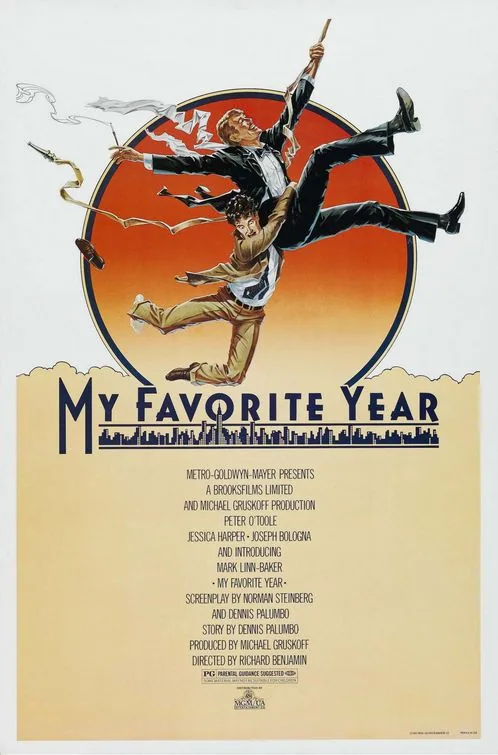
What changes Whiskey Tango Foxtrot: episodic reporting life, comic social turns and war-zone action interruptions. My Favorite Year: one-day build and backstage farce.
A young writer at a live television comedy program is assigned to escort a celebrated but unreliable movie star through New York before a broadcast. The star's appetite for drink and distraction threatens the episode, while the writer discovers a more complicated person beneath the public image. The comedy draws on backstage chaos and a mentor-like connection between a novice and a performer.
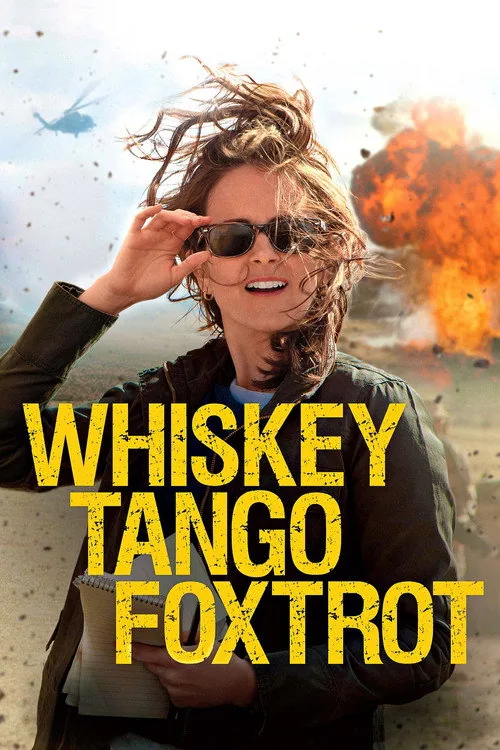
Frustrated television journalist Kim Baker accepts a short assignment in Afghanistan and arrives expecting a temporary change from her routine. She adapts to the Kabul press corps with help from fellow correspondents and an Afghan fixer, then begins taking greater risks to get stories and maintain her standing. Her career develops alongside complicated friendships, romantic entanglements, and the reality of reporting in a war zone. The comedy-drama draws loosely from Kim Barker's memoir and follows a correspondent discovering both the rush and the cost of conflict journalism.
What drives the story
Kim's short assignment in Afghanistan becomes a career-changing immersion as she pursues stories in a dangerous environment.
The people at its centre
Her bond with Tanya and Iain complicates an already shifting sense of home, while her fixer Fahim provides crucial local support.
What it feels like
A comedy-drama mixes social satire and newsroom humor with the unpredictability of war reporting.
Worth knowing
It adapts a memoir through a fictionalized correspondent's experience, not a straight news chronicle or battlefield combat film.
ambition and riskjournalism and proximity to waridentity away from home
Mood
wry · adventurous · uneasy
Pacing
episodic reporting life · comic social turns · war-zone action interruptions
Visual style
Kabul locations · newsroom and field contrasts · contemporary war-reporting imagery
Storytelling
reporter accepts Afghanistan assignment · press corps provides a new social world · career ambition raises personal risk