Explore films connected to War Machine through military ambition and political limits, institutional self-deception, leadership and public image. Choose the qualities you want to carry into your next watch.
What should feel similar?
Find your next favourite
9 films · Closest overall matches
Hide films you’ve seen or don’t want. Saved on this device.
No matches for this combination yet.
Try another option or reset your choices to see more films.
Based on recorded story, mood and style. Your preferences can change the order.
War and civilian life · Political resistance
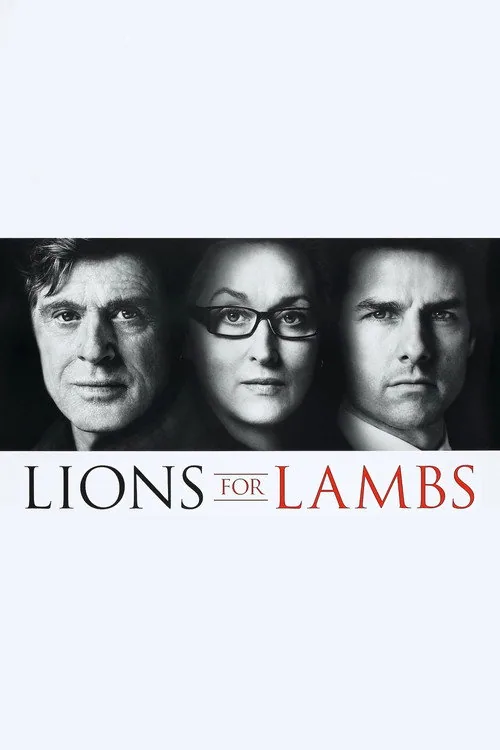
What changes War Machine: arrival and strategic planning, bureaucratic delay and public controversy and campaign's contradictions become clear. Lions for Lambs: parallel conversation threads, limited battlefield action and argument-centered ending.
A senator explains a new Afghanistan strategy to a skeptical television reporter while two young soldiers execute a dangerous mission on the ground. At a West Coast university, a professor tries to reach an apathetic student whose past choices intersect with those soldiers' enlistment. The three strands unfold over roughly the same period, linking policy, journalism, education, and combat. The political drama is structured around conversations and cross-cutting rather than action, asking how people justify participation or withdrawal from public life.
Based on recorded story, mood and style. Your preferences can change the order.
War and civilian life
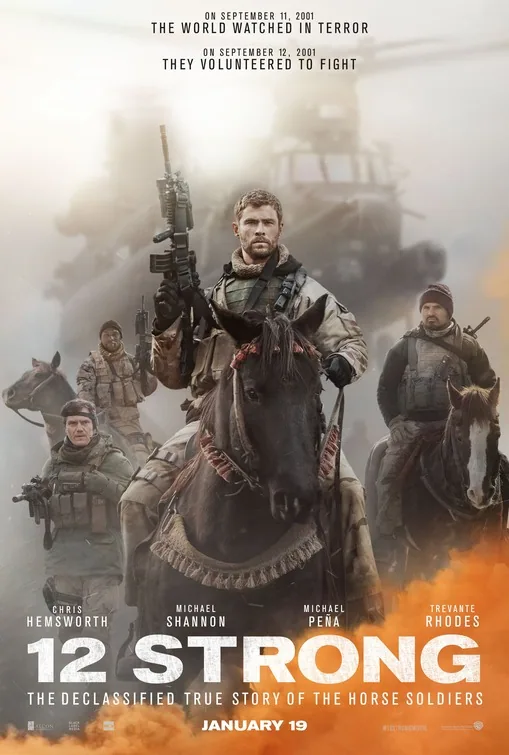
What changes War Machine: arrival and strategic planning, bureaucratic delay and public controversy and campaign's contradictions become clear. 12 Strong: mission-based escalation.
Following the September 11 attacks, a small U.S. Army Special Forces team deploys to Afghanistan and partners with local commander Abdul Rashid Dostum. The soldiers move across difficult terrain on horseback while trying to coordinate against Taliban forces and gain control of strategic locations. The war film frames the operation through unit discipline and alliance, while showing how unfamiliar tactics and trust shape a dangerous early mission.
Based on recorded story, mood and style. Your preferences can change the order.
War and civilian life · Political resistance
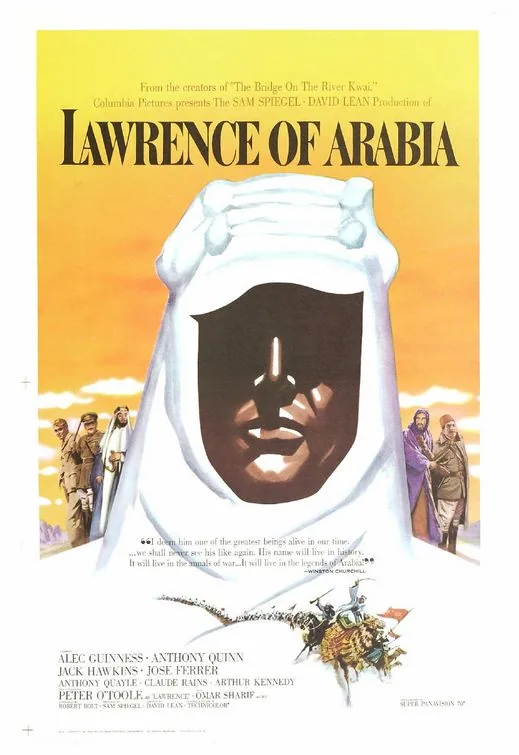
What changes War Machine: arrival and strategic planning, bureaucratic delay and public controversy and campaign's contradictions become clear. Lawrence of Arabia: epic and measured.
A British officer posted to the Middle East during the First World War joins Arab forces opposing Ottoman rule and becomes a celebrated figure in their campaign. His identification with the desert and hunger for extraordinary achievement grow entangled with competing local aims and British strategic interests. Victories intensify rather than resolve questions about violence, self-invention and who is permitted to claim ownership of a liberation struggle.
Based on recorded story, mood and style. Your preferences can change the order.
Political resistance
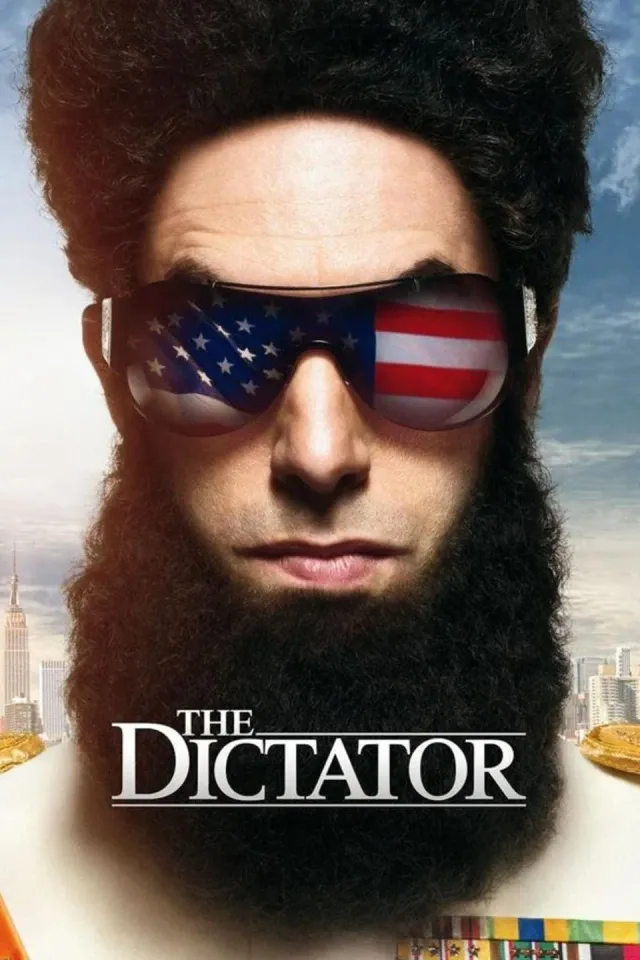
What changes War Machine: arrival and strategic planning, bureaucratic delay and public controversy and campaign's contradictions become clear. The Dictator: fish-out-of-water and confrontation.
Admiral-General Aladeen, the authoritarian ruler of fictional Wadiya, travels to New York to address the United Nations about his country’s nuclear program. His uncle Tamir has him kidnapped, replaces him with a dim-witted lookalike and expects the substitute to sign away control of Wadiya’s oil. Shorn of his beard and status, Aladeen is left in the city and taken in by Zoey, who runs an egalitarian food cooperative. He tries to get back to the UN while learning how ordinary people see him, and Zoey tries to keep his arrogance from undoing their uneasy alliance. The satire follows his struggle to reclaim political power and decide what kind of leader he wants to be.
Based on recorded story, mood and style. Your preferences can change the order.
War and civilian life
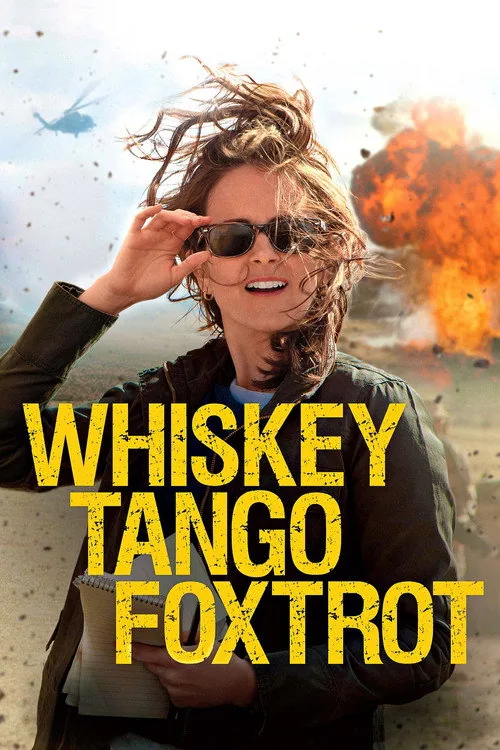
What changes War Machine: arrival and strategic planning, bureaucratic delay and public controversy and campaign's contradictions become clear. Whiskey Tango Foxtrot: episodic reporting life, comic social turns and war-zone action interruptions.
Frustrated television journalist Kim Baker accepts a short assignment in Afghanistan and arrives expecting a temporary change from her routine. She adapts to the Kabul press corps with help from fellow correspondents and an Afghan fixer, then begins taking greater risks to get stories and maintain her standing. Her career develops alongside complicated friendships, romantic entanglements, and the reality of reporting in a war zone. The comedy-drama draws loosely from Kim Barker's memoir and follows a correspondent discovering both the rush and the cost of conflict journalism.
Based on recorded story, mood and style. Your preferences can change the order.
War and civilian life
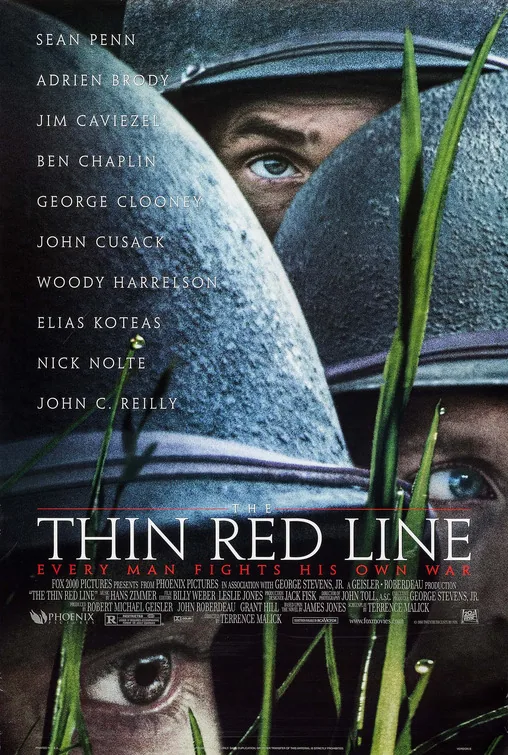
What changes War Machine: arrival and strategic planning, bureaucratic delay and public controversy and campaign's contradictions become clear. The Thin Red Line: meditative.
An American infantry company arrives on Guadalcanal and confronts a landscape whose beauty offers no protection from military objectives or unpredictable killing. Attempts to capture a defended position expose differences between career ambition, tactical responsibility and the soldiers' private attachments. Multiple voices reflect on nature, violence and loss as the campaign continues, making neither strategic progress nor individual courage sufficient to explain what the men experience.
Based on recorded story, mood and style. Your preferences can change the order.
War and civilian life
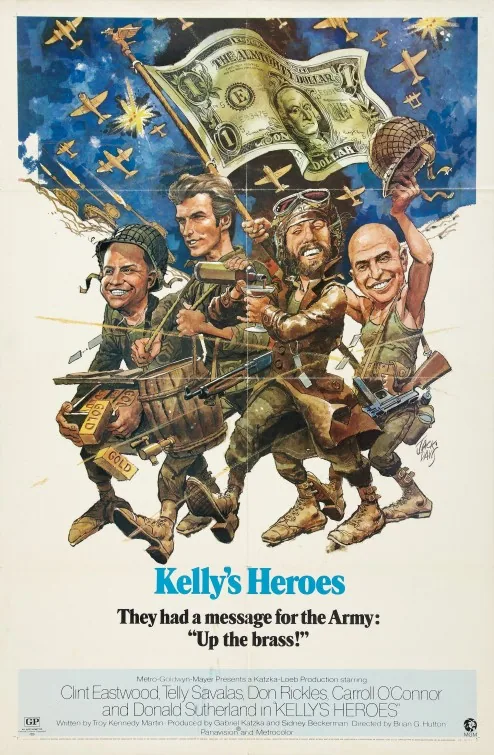
What changes War Machine: arrival and strategic planning, bureaucratic delay and public controversy and campaign's contradictions become clear. Kelly's Heroes: brisk and escalating.
An American soldier learns of gold held behind enemy lines and recruits men willing to use their military access for private profit. Planning requires supplies, armor and passage through a battlefield where even friendly forces can destroy the means of escape. As the operation expands, commanders misread its progress as exemplary aggression. The war caper turns dissatisfaction with official purpose into an opportunistic alternative, mixing anti-authoritarian humor with danger that cannot be entirely converted into a joke or a clean division of spoils.
Based on recorded story, mood and style. Your preferences can change the order.
War and civilian life
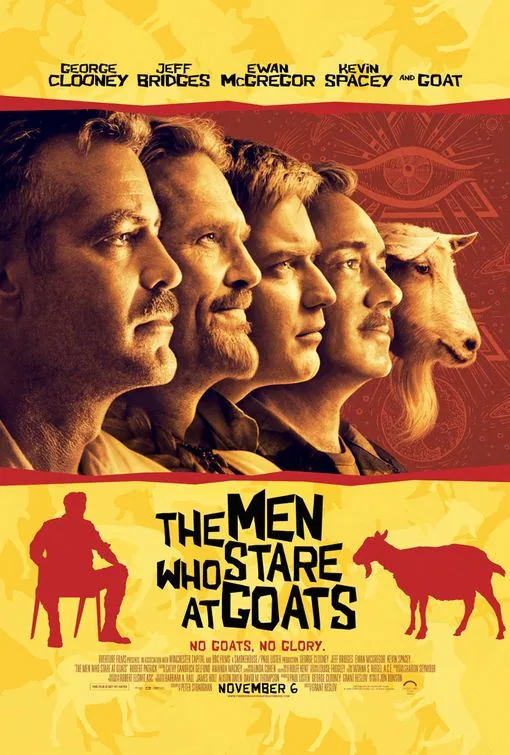
What changes War Machine: arrival and strategic planning, bureaucratic delay and public controversy and campaign's contradictions become clear. The Men Who Stare at Goats: episodic and travel-led.
A journalist in Iraq meets a former soldier who claims to have trained in a secret program that explored unconventional mental techniques for military use. Their journey brings together military ambition, spiritual language and the absurdity of institutions trying to make unusual ideas operational. The comedy draws on a fictionalized account of reported claims, using dry humor to question authority and the stories people tell to give purpose to conflict.
Based on recorded story, mood and style. Your preferences can change the order.
War and civilian life
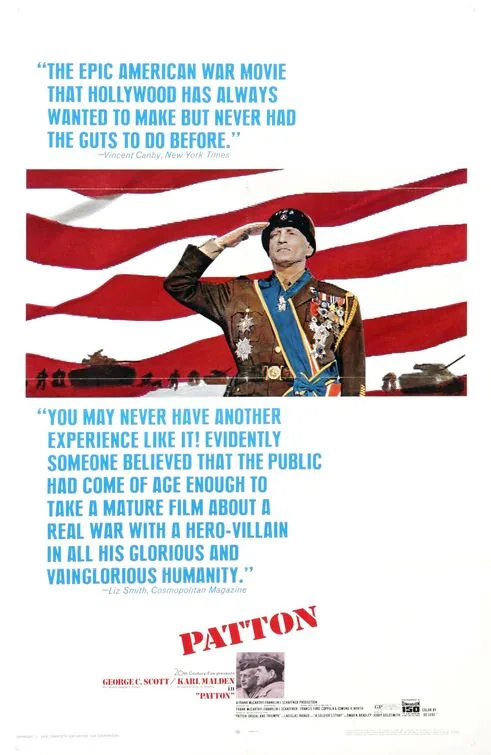
What changes War Machine: arrival and strategic planning, bureaucratic delay and public controversy and campaign's contradictions become clear. Patton: episodic, building and measured.
After the American defeat at Kasserine Pass, General George S. Patton takes command of the II Corps and imposes demanding discipline. His rivalry with British General Bernard Montgomery sharpens during the campaign in Sicily, where Patton pushes for a more ambitious advance. Two historical incidents in which he struck hospitalized soldiers there trigger a reprimand and temporarily sideline him; the film compresses that scandal into its own dramatic portrait. Later, his command of the Third Army brings rapid victories across France, but his public remarks and political conduct repeatedly threaten his position. The film follows his military drive alongside his pride, theatrical self-image and belief that battle is the route to lasting glory.
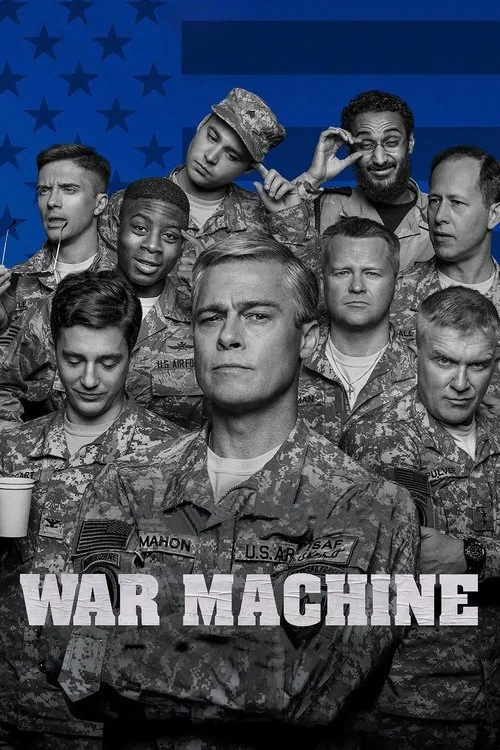
General Glen McMahon arrives in Afghanistan in 2009 to assess the war and believes a large troop surge can deliver victory, despite political limits on his mandate. He and his staff pursue a strategy that requires allied support, while an election crisis and public messaging complicate their plans. McMahon's confidence in military leadership clashes with the political and cultural realities around him, and his decision to leak a report turns the campaign into a satirical portrait of ambition, institutional blind spots, and an unwinnable mission.
What drives the story
McMahon is tasked with preparing a war assessment but his troop-heavy plan runs into political limits, delays, and the realities on the ground.
The people at its centre
The general's certainty draws his staff into his ambitions, while Afghan liaison Basim and civilian officials reveal how little authority can control events.
What it feels like
A deadpan war satire turns briefings, diplomacy, and media performance into a critique of command confidence.
Worth knowing
Its focus is strategic messaging and institutional hubris, using Afghanistan as the setting for a political-military satire rather than combat heroics.
military ambition and political limitsinstitutional self-deceptionleadership and public image
Mood
satirical · dry · disillusioned
Pacing
arrival and strategic planning · bureaucratic delay and public controversy · campaign's contradictions become clear
Visual style
sunlit Afghan terrain · military briefings and press imagery · deadpan comic framing
Storytelling
general sent to assess Afghanistan campaign · troop surge conflicts with political constraints · leaked strategy exposes leadership tensions