The undercover escort becomes a test of loyalty when the agent’s attraction to Mei complicates his orders.
Why this matches +
Selected for the central appeal: Painterly martial-arts tragedy uses revised stories to test love, revenge and political sacrifice.
Genres: Action / Adventure
Shared film traits
Based on recorded story, mood and style. Your preferences can change the order.
Political resistance
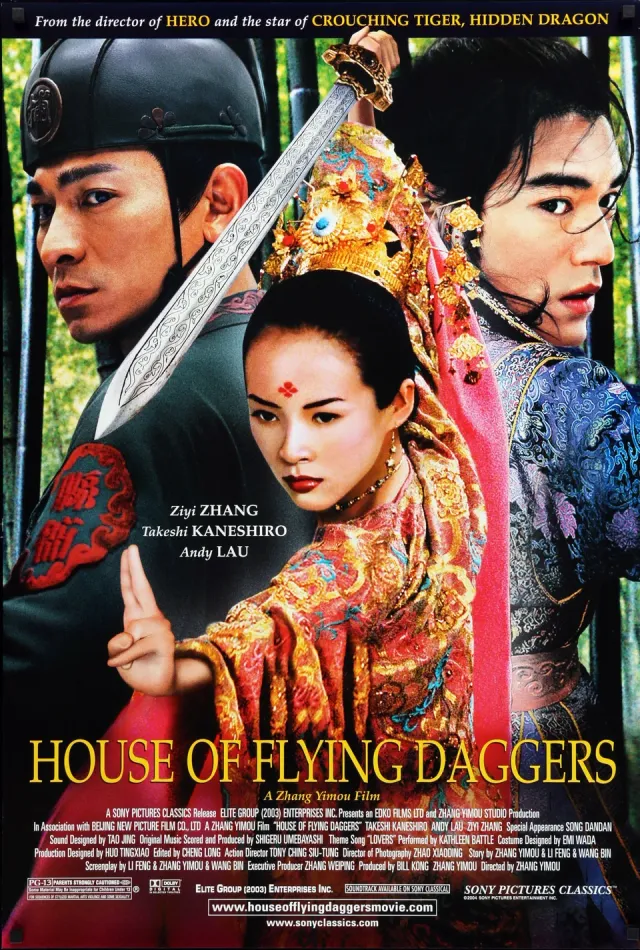
What changes Colorful wuxia spectacle entangles undercover identities, romance and shifting loyalties in a doomed triangle; pursuit through natural landscapes replaces the ruler’s chamber and competing accounts.
In Tang dynasty China, a police captain is assigned to infiltrate the rebel group known as the Flying Daggers by drawing close to the blind dancer Mei. Their journey brings attraction and political deception into conflict as loyalties shift and the cost of the mission grows. The wuxia romance combines elaborate action with a triangle in which performance, identity and allegiance remain uncertain.
A stolen weapon brings concealed talent and suppressed attachments into conflict with a martial tradition's demands for responsibility.
Why this matches +
Selected for the central appeal: Painterly martial-arts tragedy uses revised stories to test love, revenge and political sacrifice.
Genres: Action / Adventure
Shared film traits
Based on recorded story, mood and style. Your preferences can change the order.
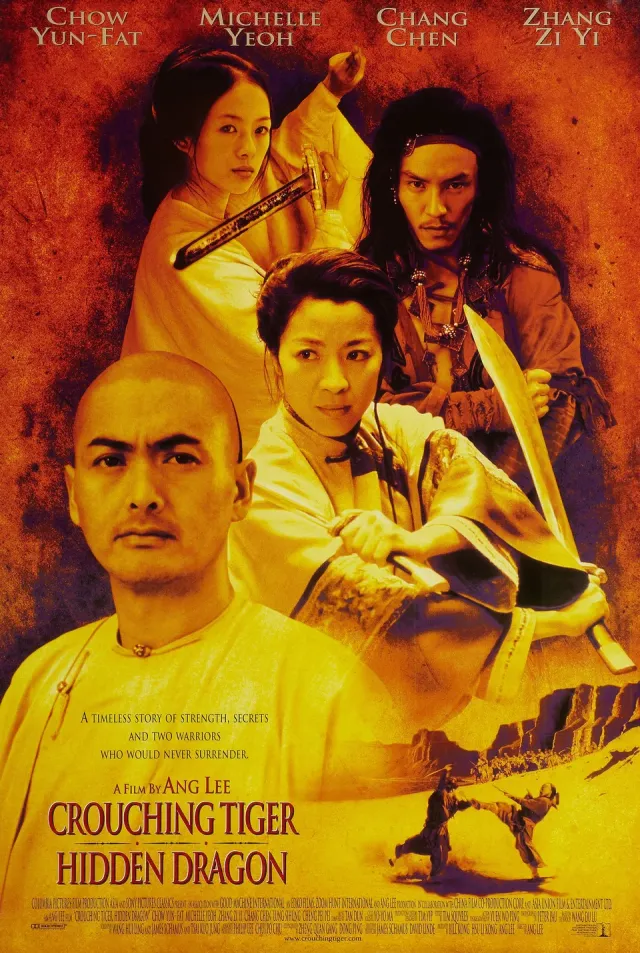
What changes Lyrical martial-arts choreography turns restrained desire and chosen sacrifice into tragic drama; personal freedom and mentorship replace Nameless’s argument about imperial unification.
A respected warrior's attempt to put aside a legendary sword draws an old friend into a theft involving a young aristocratic woman resisting her prescribed future. The younger woman's skill exceeds the freedom available to her, while the older pair's long restraint exposes a different cost of honour. Pursuit and instruction connect intimate desire with competing claims about discipline, obligation and who may choose the terms of a life.
Yinniang must decide whether to carry out her assignment against a cousin whose life and rule she can now see up close.
Why this matches +
Related viewing experiences with the specific differences recorded for each pair.
An adjacent discovery: a related idea with a different viewing experience.
Genres: Action / Drama
Shared film traits
Based on recorded story, mood and style. Your preferences can change the order.
Political resistance
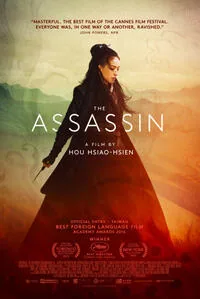
What changes A highly trained assassin must choose between an assigned political killing and human ties; sparse, contemplative observation replaces explicit narrative revision and large color-coded battles.
In ninth-century China, Nie Yinniang returns to her family after years of training as an assassin. Her mentor assigns her to kill Tian Ji’an, a powerful regional governor who is also her cousin and former betrothed. The mission brings Yinniang into the political world she left behind, where loyalty, affection and duty pull in different directions. Hou Hsiao-hsien’s wuxia film treats the assignment through quiet observation, formal compositions and landscapes that dwarf the people within them.
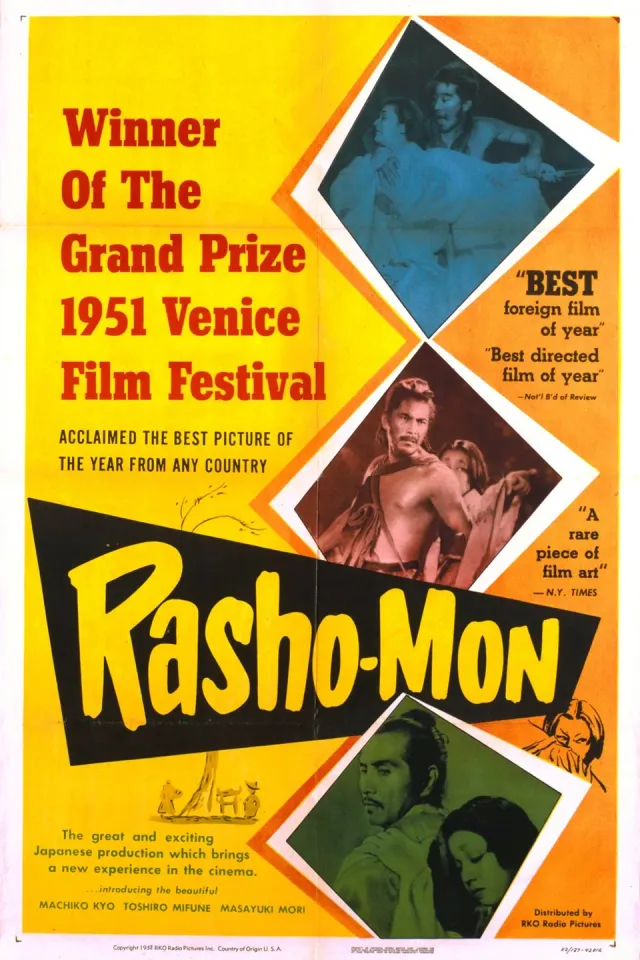
Successive retellings of a forest encounter replace a stable reconstruction with contradictions shaped by each speaker's self-presentation.
Why this matches +
Related viewing experiences with the specific differences recorded for each pair.
An adjacent discovery: a related idea with a different viewing experience.
Genres: Crime / Drama
Shared film traits
Based on recorded story, mood and style. Your preferences can change the order.
What changes Conflicting retellings change what an audience believes about violent events and motives; a compact moral inquiry replaces spectacular wuxia and a ruler’s political future.
Sheltering from rain at a ruined gate, several men discuss testimony concerning a violent encounter in a forest. A bandit, a woman, her dead husband through a medium, and another witness offer incompatible accounts of the same events. Each version rearranges agency, shame and honour, making the search for factual certainty inseparable from what people need their stories to say about themselves.
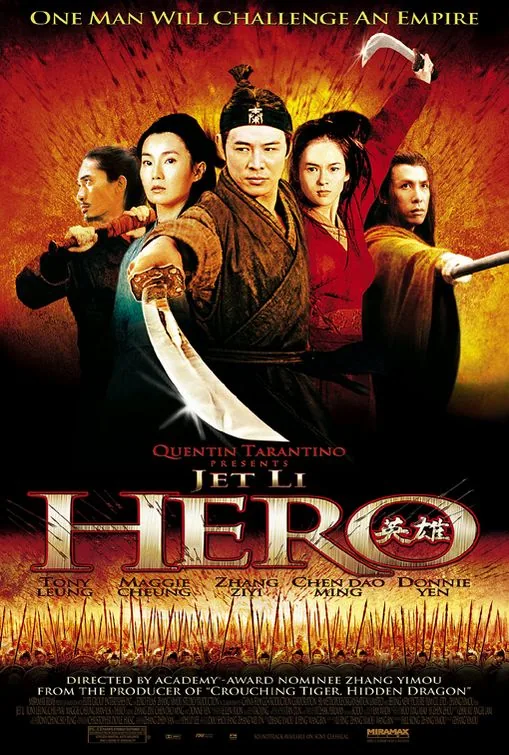
An assassin called Nameless recounts to the King of Qin how he defeated three opponents who threatened the ruler, but each account changes the apparent motives and events. Color-coded flashbacks make narrative revision visible, so the audience must watch the same relationships shift as the story changes. The final meeting moves beyond tactical deception to a choice between revenge and the possibility of a unified realm. That choice gives the film’s spectacular martial arts an explicit political argument, but it does not require viewers to accept imperial order as morally uncomplicated. Its beauty and its endorsement of sacrifice need to be considered together.
What drives the story
Nameless’s successive versions of the assassination plot revise what the King believes, until narrative uncertainty gives way to a decision about political unity. Each retelling changes what the King can infer about the assassins’ motives and loyalty.
The people at its centre
Nameless, Broken Sword, Flying Snow and the King each connect love, loyalty and violence differently, so changing testimony alters more than the details of a fight. The choice to spare the ruler asks whether political unity outweighs personal justice.
What it feels like
Color-coded episodes, precise martial choreography and monumental landscapes make each retelling visually distinct while drawing attention to the limits of any single account. Color, still compositions and balletic wirework make testimony a visual as well as verbal structure.
Worth knowing
Compare with wuxia epics built from competing testimony, while examining the film’s political rhetoric about unification rather than equating aesthetic grandeur with an unambiguous endorsement. The final appeal to unity remains politically contested; spectacle alone cannot settle its meaning.