Based on recorded story, mood and style. Your preferences can change the order.
What changes The Assassin: slow, contemplative and deliberate. Fist of Fury: fast.
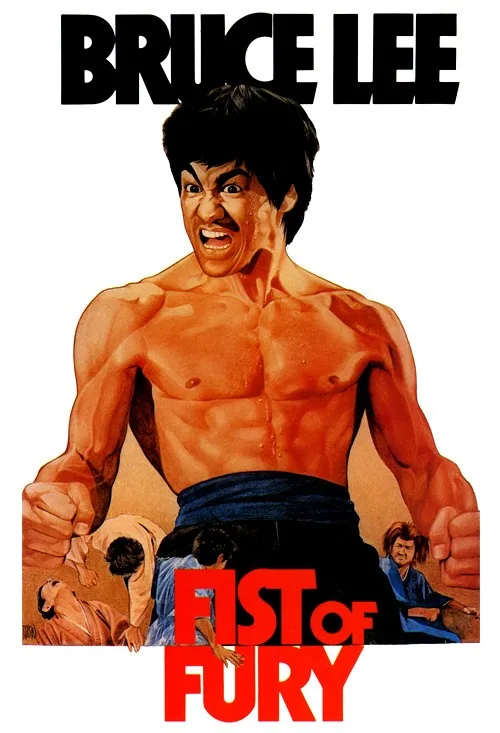
When Chen Zhen returns to his Shanghai martial-arts school and finds his teacher dead, public insults from a rival Japanese dojo turn mourning into a demand that the Chinese community defend its dignity. Chen uncovers the killing and retaliates with spectacular skill, but each victory exposes the school to reprisals from a colonial order with greater power to define legitimate violence. The film makes individual combat a nationalist spectacle while keeping collective consequences in view. Chen is a fictional figure; the story’s invocation of Huo Yuanjia and its depiction of imperial-era Shanghai should not be read as a literal record of the historical person or events.
Based on recorded story, mood and style. Your preferences can change the order.
Romance and intimacy · Memory and identity
What changes The Assassin: slow, contemplative and deliberate. Yi Yi: interwoven stories follow each family member as separate events reveal overlapping questions about life and perspective.
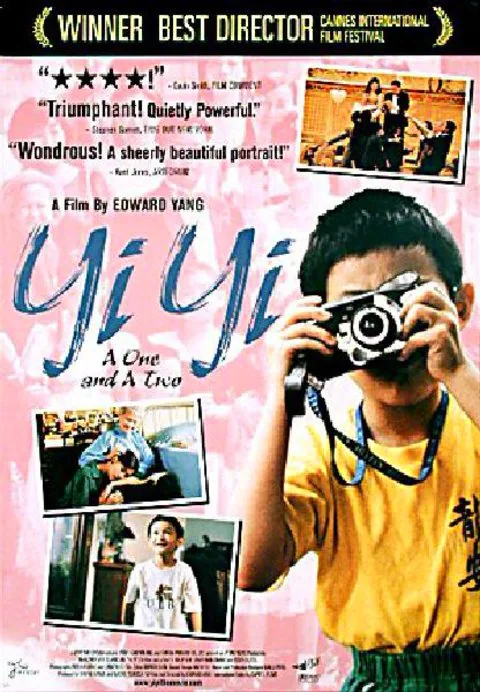
Over the course of a year in Taipei, the middle-class Jian family faces a wedding, a grandmother’s stroke, business troubles and the strains of ordinary family life. Father NJ reconnects with a former love while negotiating a new business deal; his wife Min-Min leaves for a Buddhist retreat; daughter Ting-Ting navigates adolescent relationships; and young Yang-Yang observes the adults with unusual curiosity. Each family member sees only part of the whole, and the film follows how private choices ripple through the household and its wider community.
Based on recorded story, mood and style. Your preferences can change the order.
What changes The Assassin: slow, contemplative and deliberate. The Big Boss: workplace mystery and martial-arts confrontation.
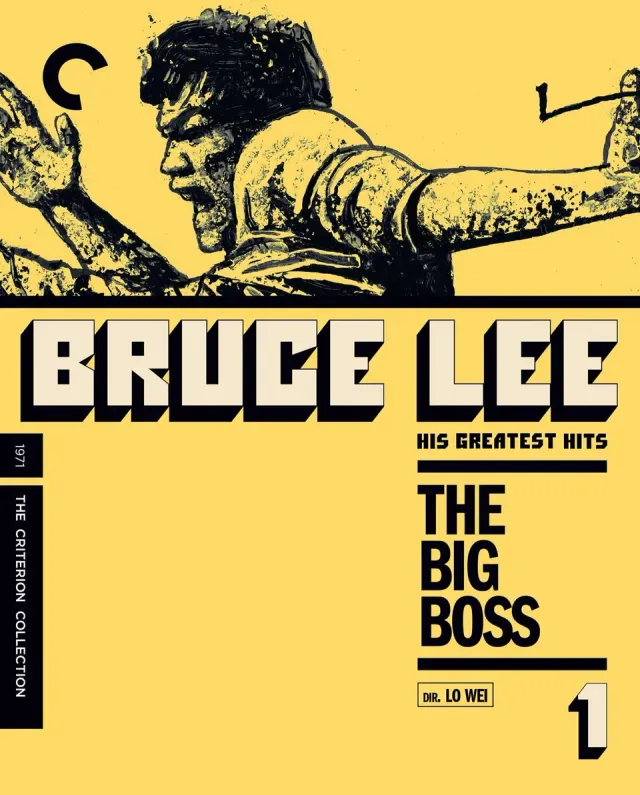
Cheng Chao-an moves from mainland China to Thailand to work at an ice factory alongside his relatives. He has promised his mother not to fight, but the factory proves to be a front for a drug-smuggling operation. When workers who discover the crime disappear, Cheng's cousins investigate and are killed. Their deaths and a strike by the laborers finally draw him into a confrontation with the factory's criminal boss. The film transforms Cheng's refusal to fight into a crisis of loyalty, as he must decide whether keeping his promise matters more than defending his family and coworkers.
Based on recorded story, mood and style. Your preferences can change the order.
Political resistance
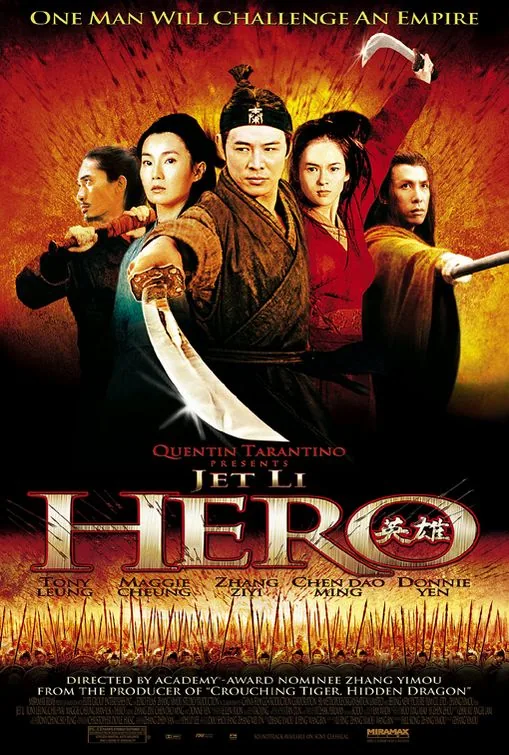
What changes The Assassin: slow, contemplative and deliberate. Hero: nonlinear and measured.
An assassin called Nameless recounts to the King of Qin how he defeated three opponents who threatened the ruler, but each account changes the apparent motives and events. Color-coded flashbacks make narrative revision visible, so the audience must watch the same relationships shift as the story changes. The final meeting moves beyond tactical deception to a choice between revenge and the possibility of a unified realm. That choice gives the film’s spectacular martial arts an explicit political argument, but it does not require viewers to accept imperial order as morally uncomplicated. Its beauty and its endorsement of sacrifice need to be considered together.
Based on recorded story, mood and style. Your preferences can change the order.
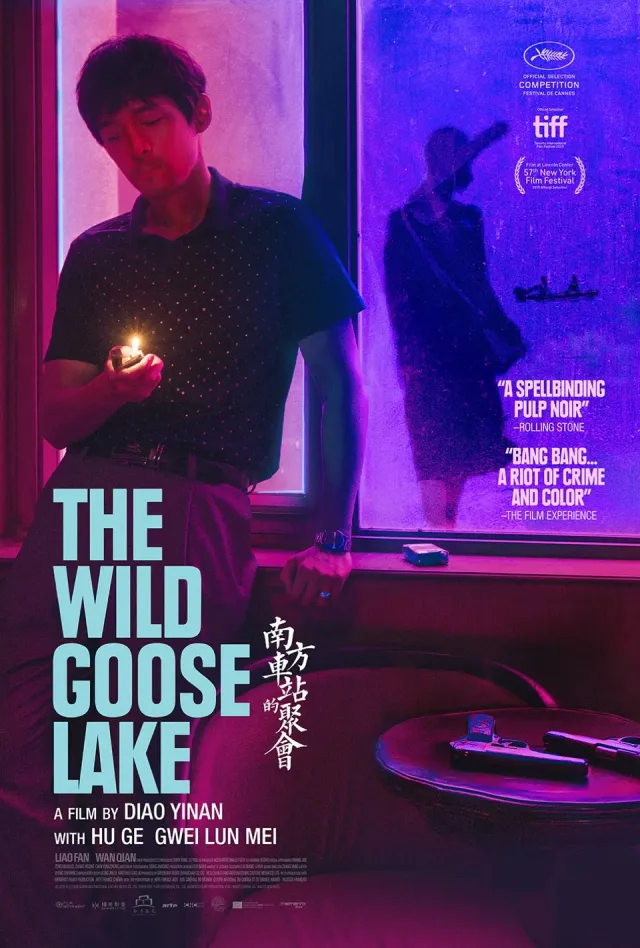
What changes The Assassin: slow, contemplative and deliberate. The Wild Goose Lake: fragmented timeline, pursuit-driven and slow-burn violence.
Motorcycle gang leader Zhou Zenong is wounded and wanted after a confrontation with a rival gang ends in a policeman’s death. He hides around Wuhan’s Wild Goose Lake and asks Liu Aiai, a woman connected to his gang, to help him contact his estranged wife. Police officers and rival factions close in as Zhou weighs whether to surrender and leave a reward for his family. The Chinese neo-noir follows a man navigating a city of shifting loyalties.
Based on recorded story, mood and style. Your preferences can change the order.
Romance and intimacy · Memory and identity
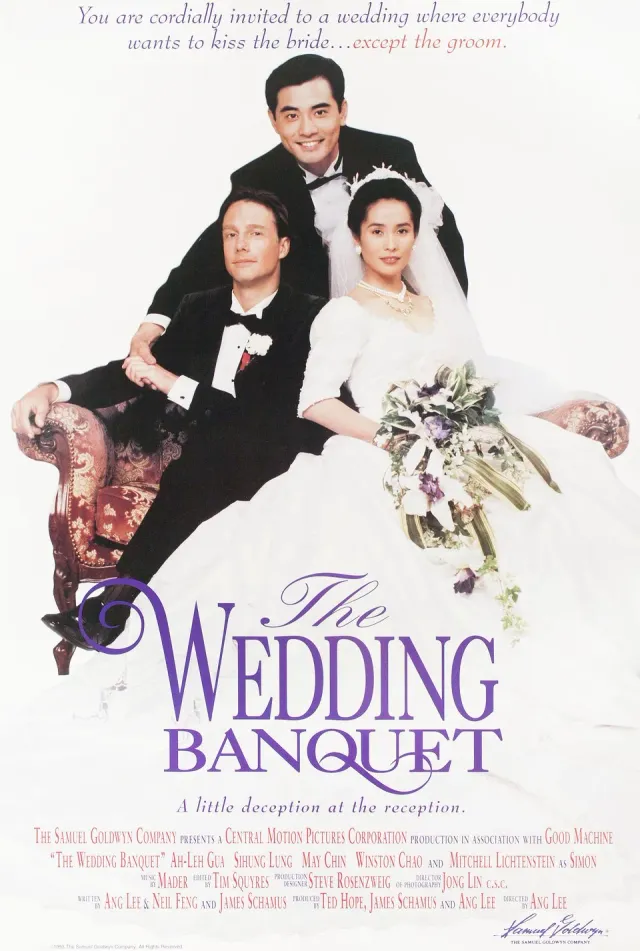
What changes The Assassin: slow, contemplative and deliberate. The Wedding Banquet: a private arrangement expands into a banquet and a series of comic attempts to keep different truths apart.
Wai-Tung Gao, a Taiwanese immigrant in New York, lives happily with his partner Simon but has not told his traditional parents that he is gay. His parents want him to marry and continue the family line, so he and Simon invent impossible requirements for a bride. When Wei-Wei, a penniless artist renting from Wai-Tung, agrees to a marriage of convenience, the plan seems manageable until his parents travel from Taiwan for a lavish banquet. The visit turns a private arrangement into a comic web of performance and concealment. As the parents’ expectations collide with Simon’s place in Wai-Tung’s life, the family must decide what honesty and care can look like.
Based on recorded story, mood and style. Your preferences can change the order.
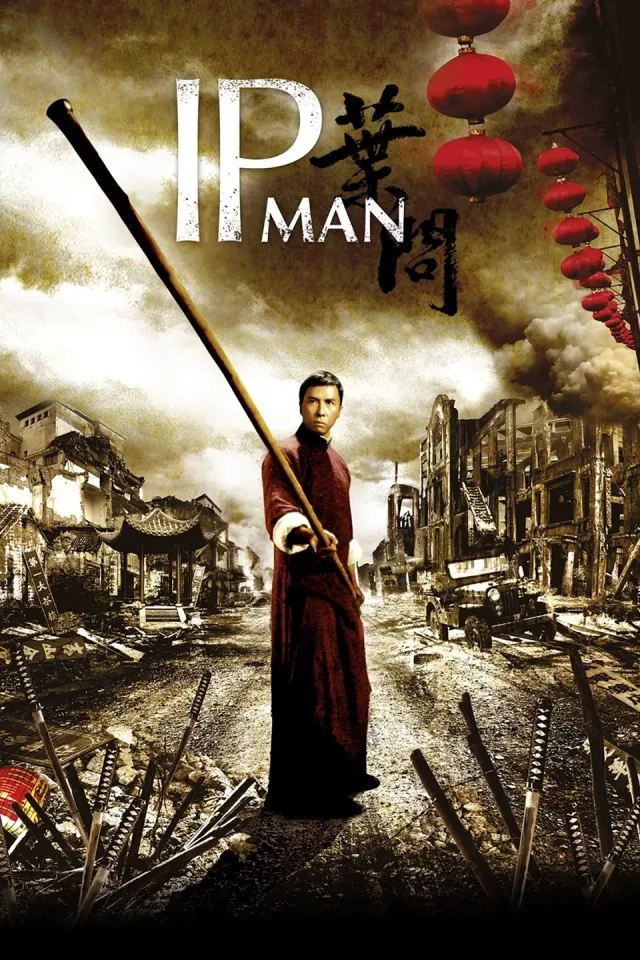
What changes The Assassin: slow, contemplative and deliberate. Ip Man: steady and escalating.
The prosperous Wing Chun teacher Ip Man lives quietly in Foshan until Japanese occupation strips away his home, income and social standing. After a local martial artist is killed and food is tied to combat demonstrations, Ip’s skill becomes entangled with an occupying power’s demand for spectacle. He initially avoids public resistance, then chooses to fight after violence reaches people he feels responsible for. The film turns mastery from private discipline into a public symbol of Chinese dignity, with the climactic confrontation designed as a nationalist action set piece. That emotional arc belongs to a fictionalized biopic: the invented bouts, compressed chronology and heroic characterization should not be carried over as documented episodes from Ip Man’s life.
Based on recorded story, mood and style. Your preferences can change the order.
Political resistance
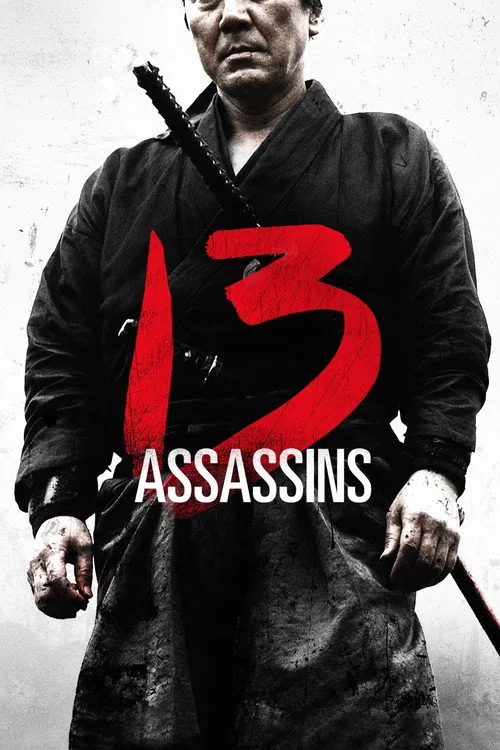
What changes The Assassin: slow, contemplative and deliberate. 13 Assassins: measured mission planning, tension before confrontation and extended action climax.
In 1844, samurai Shinzaemon Shimada is asked to stop Lord Naritsugu, a cruel member of the ruling family whose appointment threatens the lives of many. Shinzaemon assembles twelve additional warriors and plans an ambush designed to trap Naritsugu’s much larger escort. Takashi Miike’s Japanese period action film follows the group’s preparation and final battle, using the mission to explore honor, political obligation, and the limits of a samurai code under a corrupt shogunate.
Based on recorded story, mood and style. Your preferences can change the order.
Memory and identity
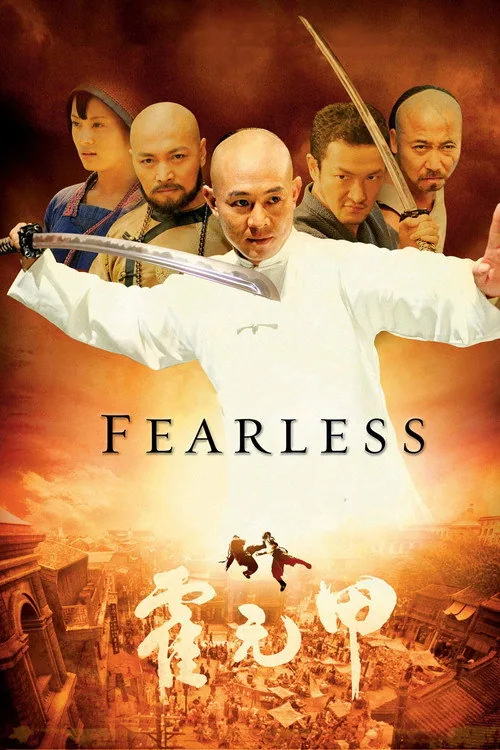
What changes The Assassin: slow, contemplative and deliberate. Fearless: biographical sweep, training and recovery and combat-driven climax.
Set in early twentieth-century China, the film follows martial artist Huo Yuanjia from an ambitious young fighter to a champion whose confidence is shattered by personal loss. After years away from the city, he returns with a changed understanding of discipline, dignity, and responsibility. Foreign powers and local pride shape the public contests he enters, and his final challenge becomes a test of what martial arts should represent. Jet Li stars in a fictionalized story loosely based on Huo’s life.
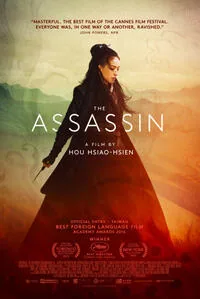
In ninth-century China, Nie Yinniang returns to her family after years of training as an assassin. Her mentor assigns her to kill Tian Ji’an, a powerful regional governor who is also her cousin and former betrothed. The mission brings Yinniang into the political world she left behind, where loyalty, affection and duty pull in different directions. Hou Hsiao-hsien’s wuxia film treats the assignment through quiet observation, formal compositions and landscapes that dwarf the people within them.
What drives the story
Yinniang must decide whether to carry out her assignment against a cousin whose life and rule she can now see up close.
The people at its centre
The trained assassin’s discipline is tested by former family bonds, while political leaders and attendants move within rules she is expected to obey.
What it feels like
Patient images, expressive landscapes and understated action make the film’s moral choices as important as its swordplay.
Worth knowing
Its quiet historical form and focus on a single assassin’s hesitation distinguish it from fast, spectacle-heavy martial-arts adventures.
dutyloyaltypolitical power
Mood
meditative · austere · poetic · restrained
Pacing
slow · contemplative · deliberate
Visual style
carefully composed tableaux · misty landscapes · rich interior color · measured long takes