Both share themes of dignity, plus a defiant and intense atmosphere.
Why this matches +
Genres: Action / Drama
Shared film traits
Based on recorded story, mood and style. Your preferences can change the order.
What changes Fist of Fury: fast. Ip Man: steady and escalating.
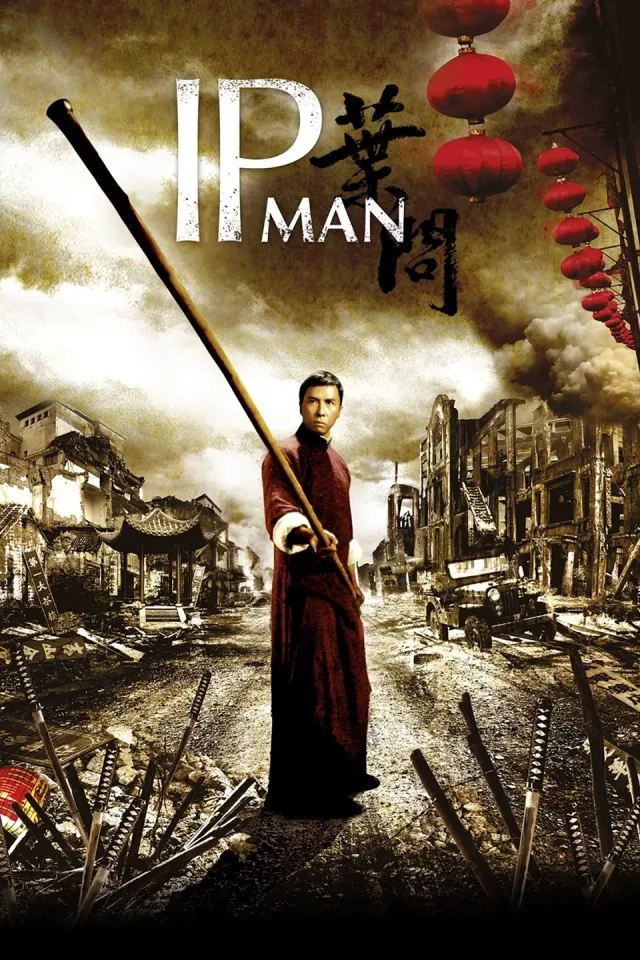
The prosperous Wing Chun teacher Ip Man lives quietly in Foshan until Japanese occupation strips away his home, income and social standing. After a local martial artist is killed and food is tied to combat demonstrations, Ip’s skill becomes entangled with an occupying power’s demand for spectacle. He initially avoids public resistance, then chooses to fight after violence reaches people he feels responsible for. The film turns mastery from private discipline into a public symbol of Chinese dignity, with the climactic confrontation designed as a nationalist action set piece. That emotional arc belongs to a fictionalized biopic: the invented bouts, compressed chronology and heroic characterization should not be carried over as documented episodes from Ip Man’s life.
Both share themes of revenge, plus a defiant and intense atmosphere.
Why this matches +
Genres: Action / Drama
Shared film traits
Based on recorded story, mood and style. Your preferences can change the order.
What changes Fist of Fury: fast. Gladiator II: brisk and escalating.
A man captured after Rome destroys his home enters the arena with revenge as his immediate purpose. A powerful sponsor offers access to the commander he blames, while the discovery of his connection to an earlier Roman struggle gives his survival a political value he did not choose. Public combat becomes a means through which rival elites attempt to control succession. The sequel turns an enslaved fighter's private loss into a contest over inherited legitimacy, with the promise of liberation repeatedly entangled with another person's ambition.
Based on recorded story, mood and style. Your preferences can change the order.
What changes Fist of Fury: fast. Fearless: biographical sweep, training and recovery and combat-driven climax.
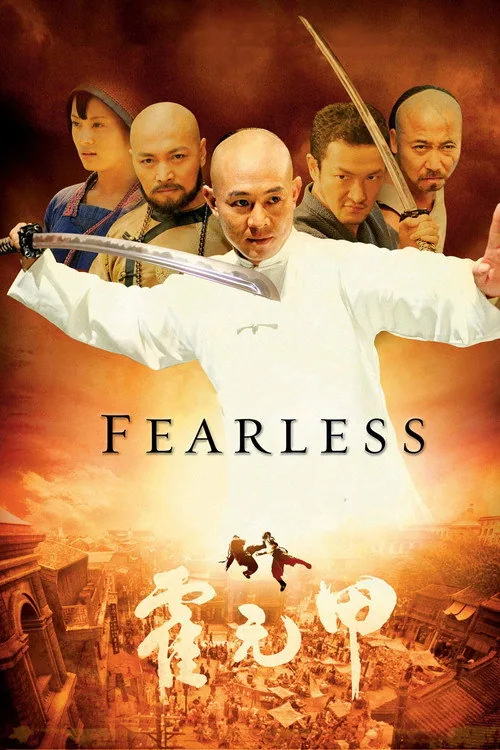
Set in early twentieth-century China, the film follows martial artist Huo Yuanjia from an ambitious young fighter to a champion whose confidence is shattered by personal loss. After years away from the city, he returns with a changed understanding of discipline, dignity, and responsibility. Foreign powers and local pride shape the public contests he enters, and his final challenge becomes a test of what martial arts should represent. Jet Li stars in a fictionalized story loosely based on Huo’s life.
Based on recorded story, mood and style. Your preferences can change the order.
Investigation
Expect tense and energetic, with fast pacing.
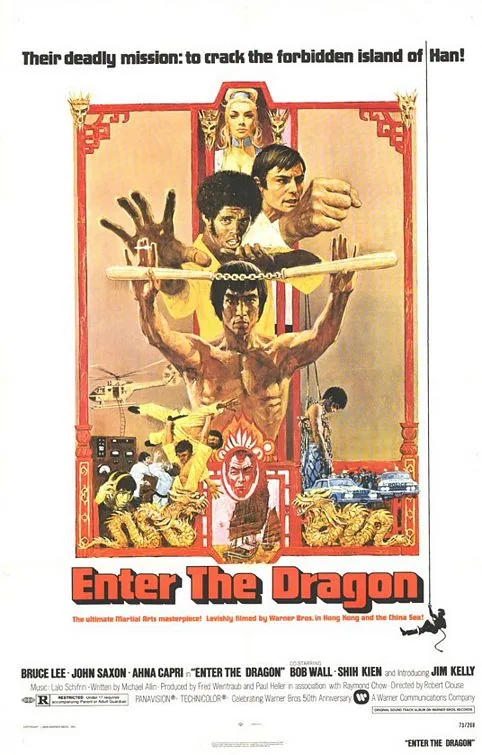
A martial artist accepts an intelligence assignment to enter a tournament hosted by a suspected crime lord whose island limits ordinary investigation. Personal knowledge of a family death gives the mission another motive, while fellow competitors arrive with needs and vulnerabilities the host can exploit. Gathering evidence requires moving beyond sanctioned performance into the hidden economy beneath it, making disciplined skill a means of exposing authority rather than simply winning a contest.
Based on recorded story, mood and style. Your preferences can change the order.
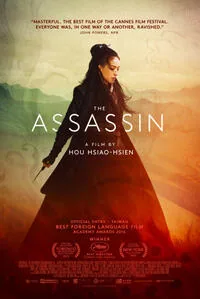
What changes Fist of Fury: fast. The Assassin: slow, contemplative and deliberate.
In ninth-century China, Nie Yinniang returns to her family after years of training as an assassin. Her mentor assigns her to kill Tian Ji’an, a powerful regional governor who is also her cousin and former betrothed. The mission brings Yinniang into the political world she left behind, where loyalty, affection and duty pull in different directions. Hou Hsiao-hsien’s wuxia film treats the assignment through quiet observation, formal compositions and landscapes that dwarf the people within them.
Based on recorded story, mood and style. Your preferences can change the order.
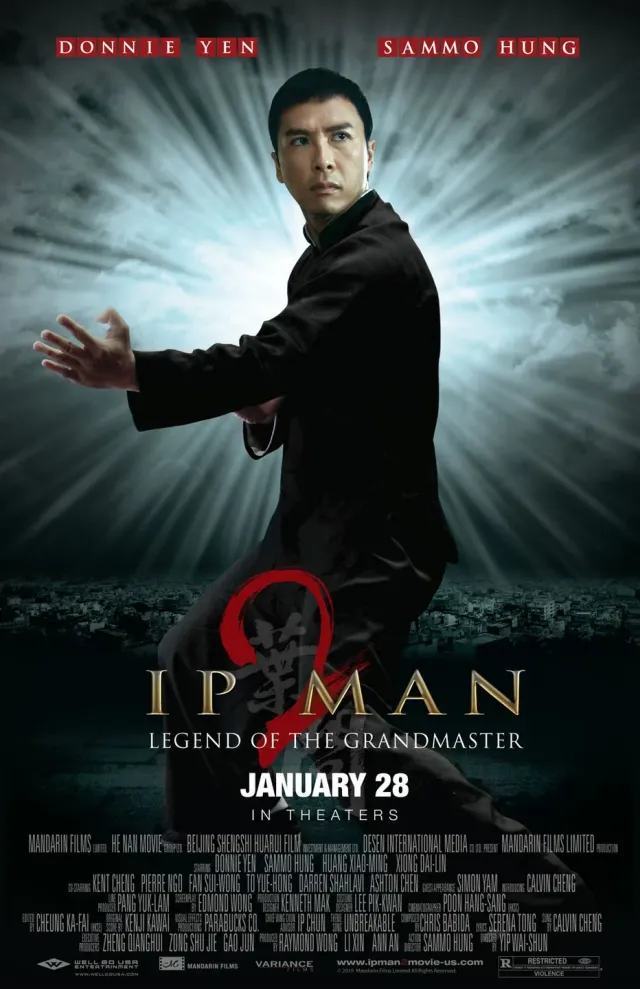
What changes Fist of Fury: fast. Ip Man 2: a series of challenges builds toward a public martial-arts contest.
Ip Man arrives in postwar Hong Kong and tries to establish a Wing Chun school while supporting his family. He must earn recognition from local martial-arts masters, whose rules and rivalries eventually collide with a British boxing exhibition. The biographical action drama combines training and combat with questions of cultural dignity, showing a teacher defending his art against both domestic competition and colonial arrogance.
Based on recorded story, mood and style. Your preferences can change the order.
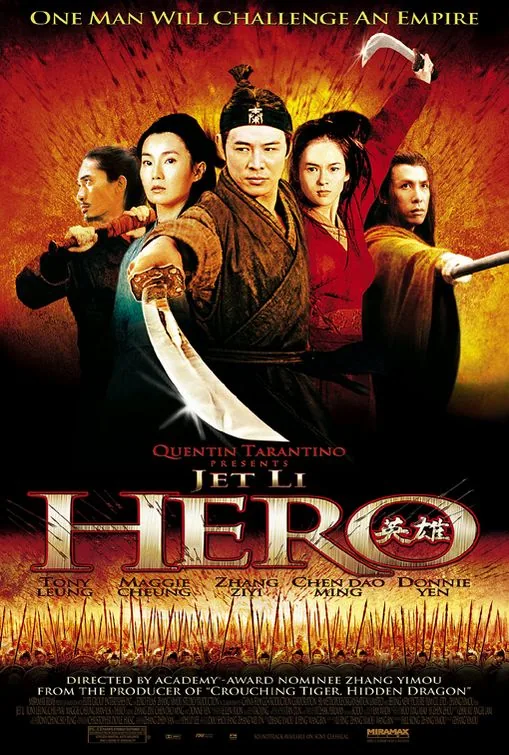
What changes Fist of Fury: fast. Hero: nonlinear and measured.
An assassin called Nameless recounts to the King of Qin how he defeated three opponents who threatened the ruler, but each account changes the apparent motives and events. Color-coded flashbacks make narrative revision visible, so the audience must watch the same relationships shift as the story changes. The final meeting moves beyond tactical deception to a choice between revenge and the possibility of a unified realm. That choice gives the film’s spectacular martial arts an explicit political argument, but it does not require viewers to accept imperial order as morally uncomplicated. Its beauty and its endorsement of sacrifice need to be considered together.
Based on recorded story, mood and style. Your preferences can change the order.
What changes Fist of Fury: fast. The 36th Chamber of Shaolin: progressive, chapter-based and action-driven.
Student Liu Yu-de joins a local rebellion against Qing rule, but government forces crush the uprising and kill people close to him. Seeking both training and a way to resist oppression, Liu reaches the Shaolin temple and asks to study kung fu. The monks initially reject him, but the abbot allows him to stay. Liu advances through demanding chambers designed to train different skills, and his mastery gives him a new purpose: to teach ordinary people how to defend themselves against the ruling forces.
Based on recorded story, mood and style. Your preferences can change the order.
What changes Fist of Fury: fast. The Big Boss: workplace mystery and martial-arts confrontation.
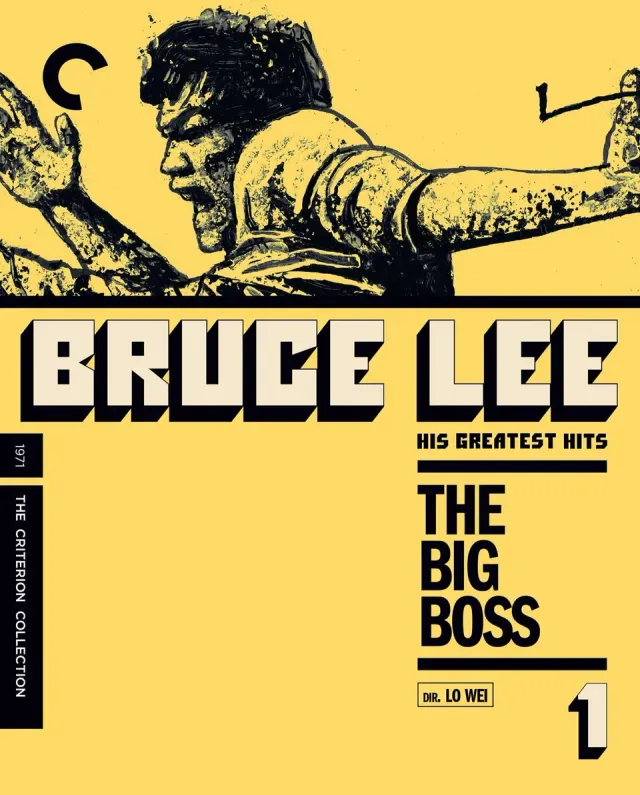
Cheng Chao-an moves from mainland China to Thailand to work at an ice factory alongside his relatives. He has promised his mother not to fight, but the factory proves to be a front for a drug-smuggling operation. When workers who discover the crime disappear, Cheng's cousins investigate and are killed. Their deaths and a strike by the laborers finally draw him into a confrontation with the factory's criminal boss. The film transforms Cheng's refusal to fight into a crisis of loyalty, as he must decide whether keeping his promise matters more than defending his family and coworkers.
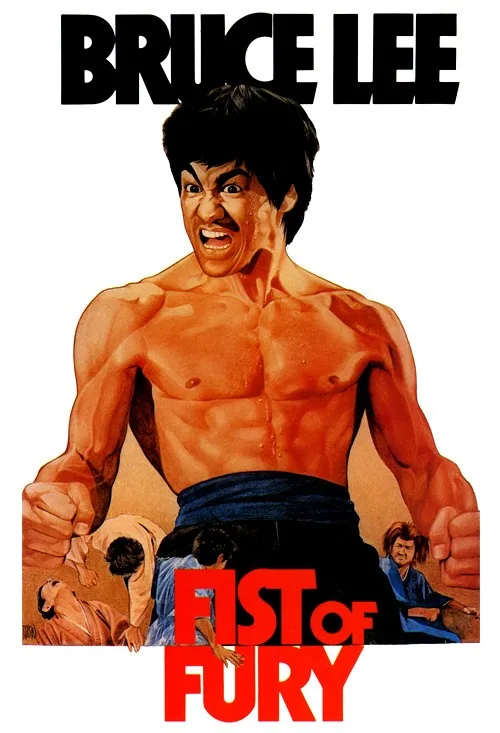
When Chen Zhen returns to his Shanghai martial-arts school and finds his teacher dead, public insults from a rival Japanese dojo turn mourning into a demand that the Chinese community defend its dignity. Chen uncovers the killing and retaliates with spectacular skill, but each victory exposes the school to reprisals from a colonial order with greater power to define legitimate violence. The film makes individual combat a nationalist spectacle while keeping collective consequences in view. Chen is a fictional figure; the story’s invocation of Huo Yuanjia and its depiction of imperial-era Shanghai should not be read as a literal record of the historical person or events.
What drives the story
A suspicious death and deliberate public humiliation provoke retaliation that demonstrates both Chen’s skill and the limits of individual resistance under colonial power. Chen’s reprisals can feel empowering while exposing classmates to retaliation they did not choose.
The people at its centre
Chen’s loyalty and anger put classmates at risk, while his fiancée faces the future his escalating commitment leaves little room to share. The school represents a threatened community, not a neutral backdrop for individual virtuosity.
What it feels like
Rapid, emphatic combat and staged public confrontations turn bodily skill into an answer to imposed inferiority; melodramatic force outweighs investigative realism. Choreographed bodies turn public insult into a visible answer to colonial humiliation.
Worth knowing
Compare with martial-arts films where revenge stands for collective dignity but transfers danger to others; separate fictional Chen Zhen from Huo Yuanjia’s biography and verified history. The story’s nationalist imagery is a dramatic argument, not documentary evidence of historical events.
DignityRevengeLoyalty
Mood
Defiant · Intense · Tragic
Pacing
Fast
Visual style
Martial choreography · Period imagery · Emphatic performance
Storytelling
Master's death investigated · Public humiliation · Collective retaliation risk