Explore films connected to The 36th Chamber of Shaolin through Resistance, Discipline, Justice. Choose the qualities you want to carry into your next watch.
What should feel similar?
Find your next favourite
9 films · Closest overall matches
Hide films you’ve seen or don’t want. Saved on this device.
No matches for this combination yet.
Try another option or reset your choices to see more films.
Both share themes of discipline, plus a triumphant and energetic atmosphere.
Why this matches +
Genres: Action / Sport
Shared film traits
Based on recorded story, mood and style. Your preferences can change the order.
What changes The 36th Chamber of Shaolin: progressive, chapter-based and action-driven. Bloodsport: competition-driven.
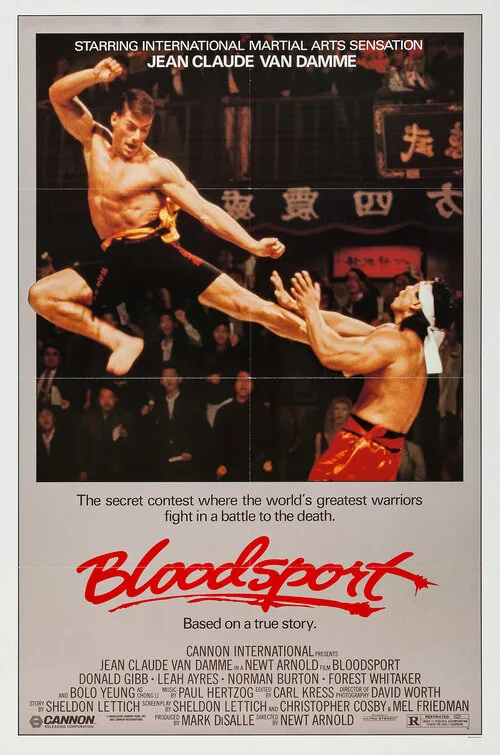
Frank Dux, a martial artist trained by a Japanese-American mentor, travels to Hong Kong to compete in the Kumite, an underground tournament where fighters from around the world face one another. As he advances through the contest, Dux draws the attention of military investigators who want him back in the United States. The story alternates discipline, rivalry, and pursuit, with the tournament serving as a proving ground for his skill and determination.
Both share themes of discipline, plus an energetic atmosphere.
Why this matches +
Genres: Action / Drama
Shared film traits
Based on recorded story, mood and style. Your preferences can change the order.
Political resistance
What changes The 36th Chamber of Shaolin: progressive, chapter-based and action-driven. Ip Man 2: a series of challenges builds toward a public martial-arts contest.
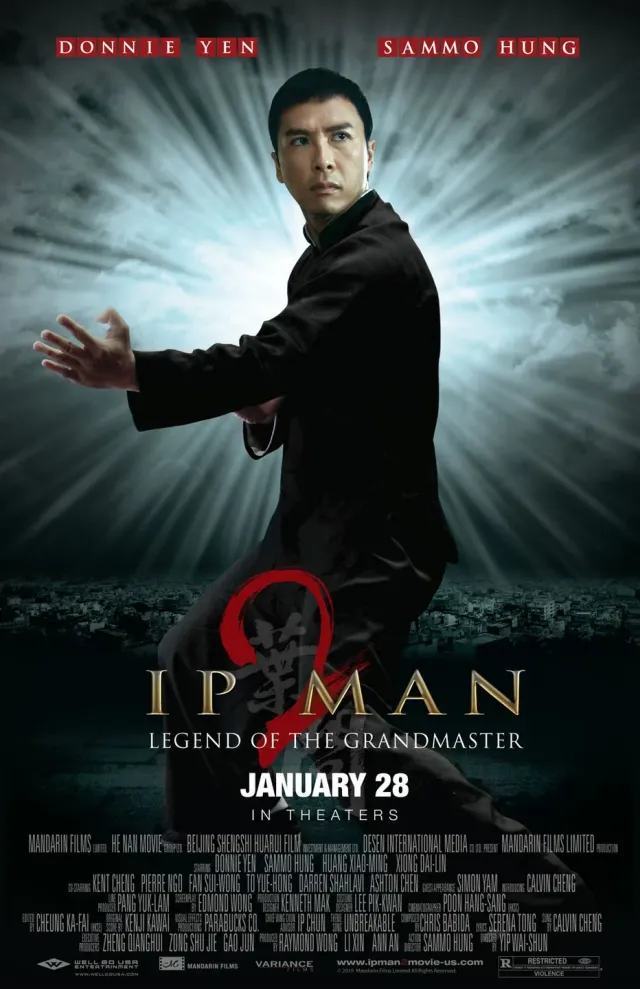
Ip Man arrives in postwar Hong Kong and tries to establish a Wing Chun school while supporting his family. He must earn recognition from local martial-arts masters, whose rules and rivalries eventually collide with a British boxing exhibition. The biographical action drama combines training and combat with questions of cultural dignity, showing a teacher defending his art against both domestic competition and colonial arrogance.
Both share themes of discipline, plus a triumphant atmosphere.
Why this matches +
Genres: Action / Comedy
Shared film traits
Based on recorded story, mood and style. Your preferences can change the order.
What changes The 36th Chamber of Shaolin: progressive, chapter-based and action-driven. Shaolin Soccer: fast and set-piece driven.
A former Shaolin monk sees a chance to share the value of martial arts by forming a soccer team with his brothers. Their specialized skills initially make them social outsiders, but a tournament gives them a common purpose and a way to test their discipline. The story treats sport as a comic arena for teamwork, reinvention and spectacularly exaggerated physical action.
Based on recorded story, mood and style. Your preferences can change the order.
What changes The 36th Chamber of Shaolin: progressive, chapter-based and action-driven. Fist of Fury: fast.
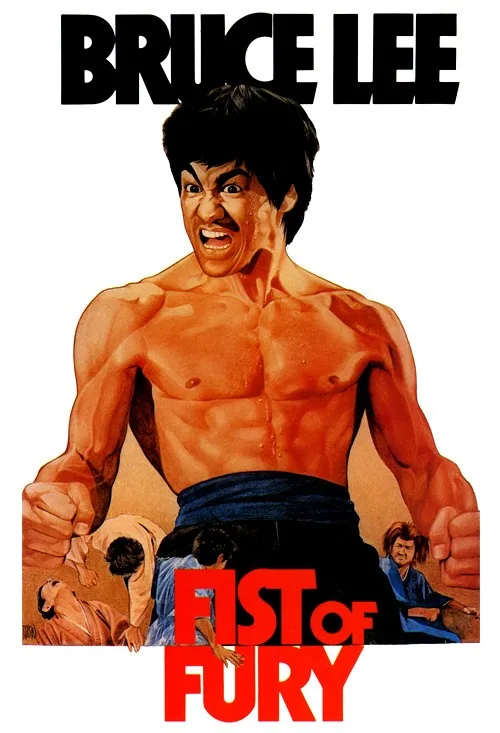
When Chen Zhen returns to his Shanghai martial-arts school and finds his teacher dead, public insults from a rival Japanese dojo turn mourning into a demand that the Chinese community defend its dignity. Chen uncovers the killing and retaliates with spectacular skill, but each victory exposes the school to reprisals from a colonial order with greater power to define legitimate violence. The film makes individual combat a nationalist spectacle while keeping collective consequences in view. Chen is a fictional figure; the story’s invocation of Huo Yuanjia and its depiction of imperial-era Shanghai should not be read as a literal record of the historical person or events.
Based on recorded story, mood and style. Your preferences can change the order.
Power and authority
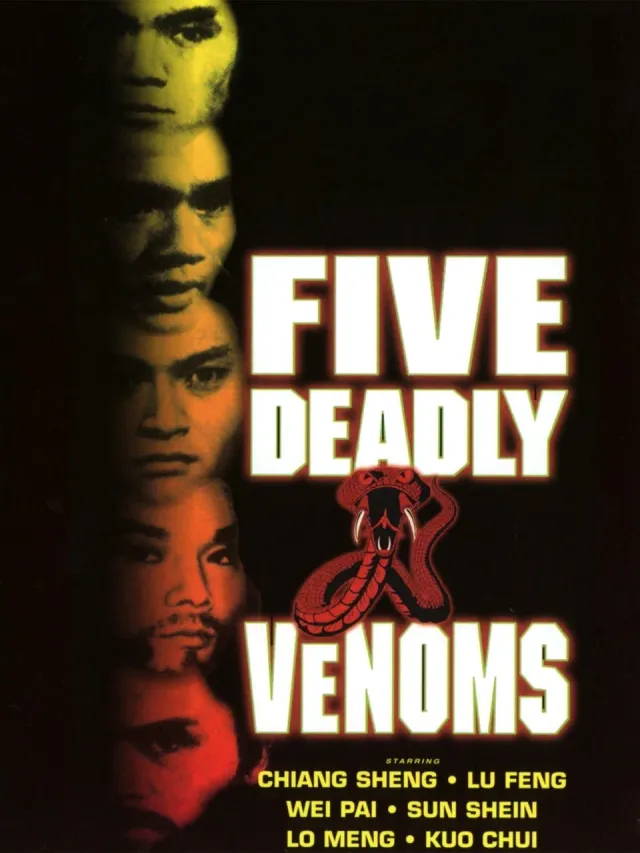
What changes The 36th Chamber of Shaolin: progressive, chapter-based and action-driven. Five Deadly Venoms: puzzle-like, episodic and fight-driven.
A dying martial-arts master gives his final pupil, Yang Tieh, a mission: locate his former student Yun and warn him that five dangerous former pupils seek a hidden fortune. Each pupil is trained in a distinctive fighting style, and their identities and allegiances are uncertain. Yang knows the weaknesses of their techniques but must decide whom to trust while the Venoms close in. Investigation, reversals, and carefully differentiated combat styles turn the search into a test of judgment as well as skill.
Both share themes of discipline, plus an energetic atmosphere.
Why this matches +
Genres: Action / Drama
Shared film traits
Based on recorded story, mood and style. Your preferences can change the order.
Coming of age
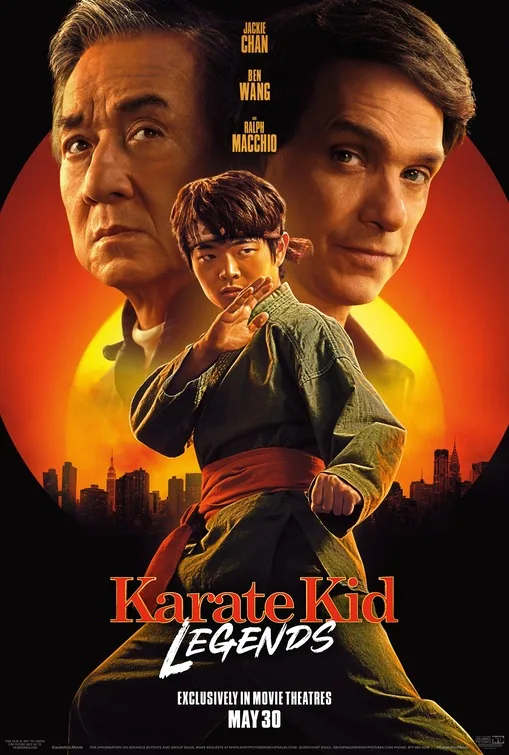
What changes The 36th Chamber of Shaolin: progressive, chapter-based and action-driven. Karate Kid: Legends: training and tournament stages structure a cross-generational sports drama.
After moving to New York, teenager Li Fong struggles to adjust while carrying the grief and discipline of his life in Beijing. He enters a karate competition to help a new friend and receives guidance from both Mr. Han and Daniel LaRusso. The franchise crossover links kung fu and karate traditions through mentorship, training, and a young fighter’s attempt to choose his own way forward.
Based on recorded story, mood and style. Your preferences can change the order.
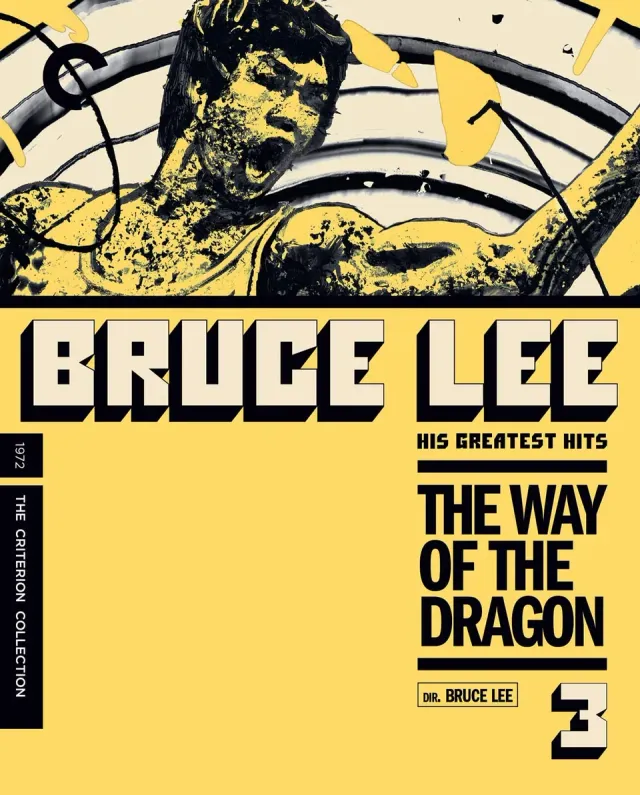
What changes The 36th Chamber of Shaolin: progressive, chapter-based and action-driven. Way of the Dragon: comic setup and fight escalation.
Tang Lung travels from Hong Kong to Rome to help relatives whose restaurant is being pressured by a criminal gang. His unfamiliarity with the city and its customs creates comic misunderstandings, but he quickly becomes the family’s defender when intimidation escalates. The gang hires skilled fighters, testing Tang’s discipline as he moves from protecting the restaurant to confronting its enemies directly. Bruce Lee wrote, directed and starred in the film, which builds toward a famous duel in the Colosseum rather than treating its martial arts as anonymous action. His arrival shows that straight talk and discipline matter as much as physical skill. Restaurant workers move from fearful dependence to active support as the gang's pressure intensifies.
Based on recorded story, mood and style. Your preferences can change the order.
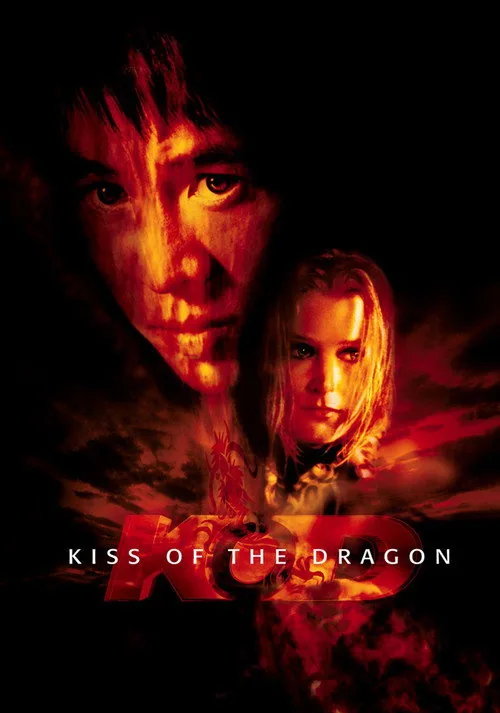
What changes The 36th Chamber of Shaolin: progressive, chapter-based and action-driven. Kiss of the Dragon: action-forward and continuous chase and fight sequences.
Liu Jian, a Chinese intelligence officer sent to Paris for a mission, is framed for murder by a corrupt French detective. With his passport and reputation compromised, Liu teams up with Jessica, a woman forced into sex work who needs to reach her daughters, and uses his martial-arts skill to expose the scheme. Chris Nahon directs Jet Li in a fast-moving action thriller that combines close-quarters combat with a rescue story, following two people whose different vulnerabilities make them reluctant but determined allies.
Based on recorded story, mood and style. Your preferences can change the order.
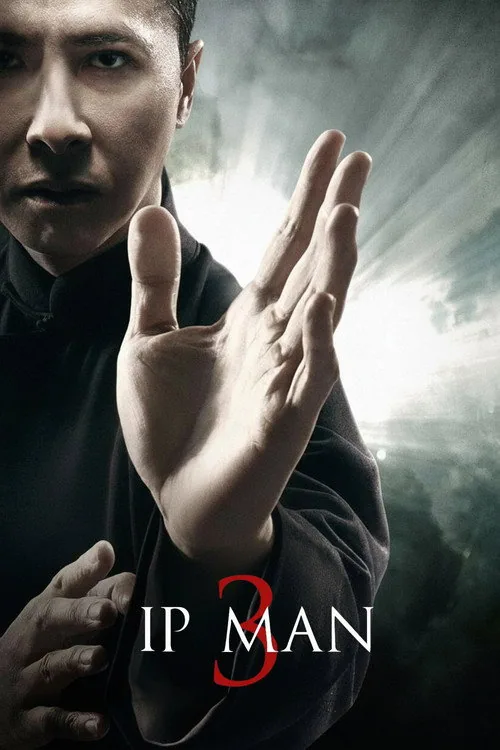
What changes The 36th Chamber of Shaolin: progressive, chapter-based and action-driven. Ip Man 3: alternating domestic and action scenes, duel-centered escalation and reflective character moments.
In 1959 Hong Kong, Wing Chun master Ip Man tries to protect a local school from a property developer whose gang is threatening teachers and families. A rival martial artist, Cheung Tin-chi, also challenges Ip's standing, while the master balances public obligations with a serious illness affecting his wife. The film places disciplined combat beside quieter questions about family, pride, and what it means to teach. As the third entry in the biographical action series, it combines stylized fights with an increasingly personal portrait of Ip Man.
Student Liu Yu-de joins a local rebellion against Qing rule, but government forces crush the uprising and kill people close to him. Seeking both training and a way to resist oppression, Liu reaches the Shaolin temple and asks to study kung fu. The monks initially reject him, but the abbot allows him to stay. Liu advances through demanding chambers designed to train different skills, and his mastery gives him a new purpose: to teach ordinary people how to defend themselves against the ruling forces.
What drives the story
A grieving student turns to rigorous martial-arts training after state violence destroys his community.
The people at its centre
Liu's early desire for revenge develops into a broader commitment to help ordinary people resist oppression.
What it feels like
The film builds through distinct training stages before releasing its energy in expertly choreographed action.
Worth knowing
This is a martial-arts training and resistance story, not simply a tournament or revenge cycle.
ResistanceDisciplineJustice
Mood
Energetic · Focused · Triumphant
Pacing
Progressive · Chapter-based · Action-driven
Visual style
Precise fight choreography · Temple architecture · Training sequences
Storytelling
Martial-arts training · Rebellion · Temple trials · Teaching