Explore films connected to Ip Man 3 through discipline and humility, family devotion, honor and rivalry. Choose the qualities you want to carry into your next watch.
What should feel similar?
Find your next favourite
9 films · Closest overall matches
Hide films you’ve seen or don’t want. Saved on this device.
No matches for this combination yet.
Try another option or reset your choices to see more films.
Based on recorded story, mood and style. Your preferences can change the order.
Sport and competition
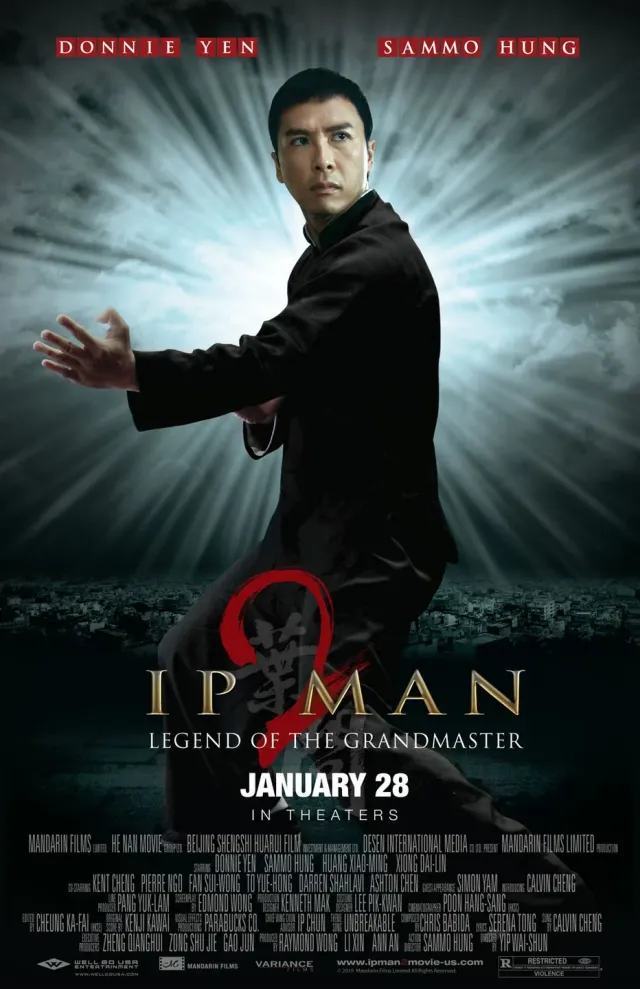
What changes Ip Man 3: alternating domestic and action scenes, duel-centered escalation and reflective character moments. Ip Man 2: a series of challenges builds toward a public martial-arts contest.
Ip Man arrives in postwar Hong Kong and tries to establish a Wing Chun school while supporting his family. He must earn recognition from local martial-arts masters, whose rules and rivalries eventually collide with a British boxing exhibition. The biographical action drama combines training and combat with questions of cultural dignity, showing a teacher defending his art against both domestic competition and colonial arrogance.
Based on recorded story, mood and style. Your preferences can change the order.
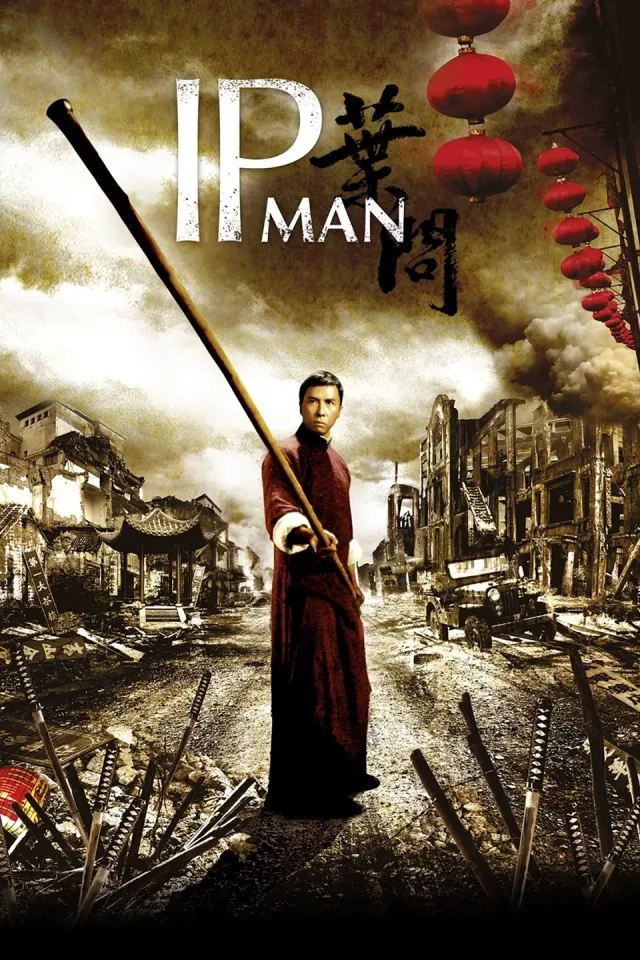
What changes Ip Man 3: alternating domestic and action scenes, duel-centered escalation and reflective character moments. Ip Man: steady and escalating.
The prosperous Wing Chun teacher Ip Man lives quietly in Foshan until Japanese occupation strips away his home, income and social standing. After a local martial artist is killed and food is tied to combat demonstrations, Ip’s skill becomes entangled with an occupying power’s demand for spectacle. He initially avoids public resistance, then chooses to fight after violence reaches people he feels responsible for. The film turns mastery from private discipline into a public symbol of Chinese dignity, with the climactic confrontation designed as a nationalist action set piece. That emotional arc belongs to a fictionalized biopic: the invented bouts, compressed chronology and heroic characterization should not be carried over as documented episodes from Ip Man’s life.
Based on recorded story, mood and style. Your preferences can change the order.
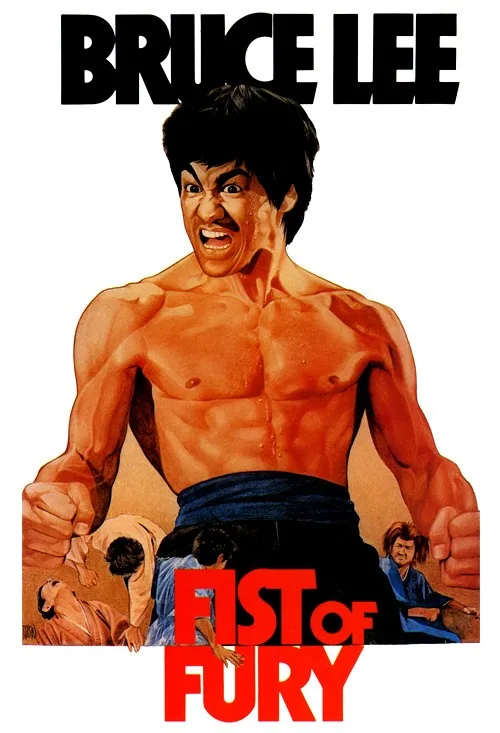
What changes Ip Man 3: alternating domestic and action scenes, duel-centered escalation and reflective character moments. Fist of Fury: fast.
When Chen Zhen returns to his Shanghai martial-arts school and finds his teacher dead, public insults from a rival Japanese dojo turn mourning into a demand that the Chinese community defend its dignity. Chen uncovers the killing and retaliates with spectacular skill, but each victory exposes the school to reprisals from a colonial order with greater power to define legitimate violence. The film makes individual combat a nationalist spectacle while keeping collective consequences in view. Chen is a fictional figure; the story’s invocation of Huo Yuanjia and its depiction of imperial-era Shanghai should not be read as a literal record of the historical person or events.
Based on recorded story, mood and style. Your preferences can change the order.
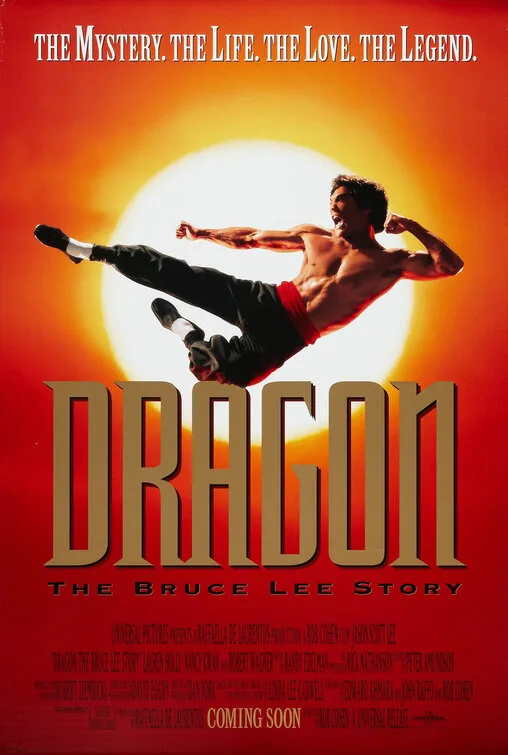
What changes Ip Man 3: alternating domestic and action scenes, duel-centered escalation and reflective character moments. Dragon: The Bruce Lee Story: biographical and progressive.
Bruce Lee grows from a young martial artist in Hong Kong into an actor and teacher trying to build a career in the United States. Racism, family ties and professional setbacks shape the story alongside his ambition to bring his martial-arts practice to wider audiences. The biographical drama presents Lee's public legend through personal relationships and stylized encounters rather than exhaustive historical detail.
Based on recorded story, mood and style. Your preferences can change the order.
Sport and competition
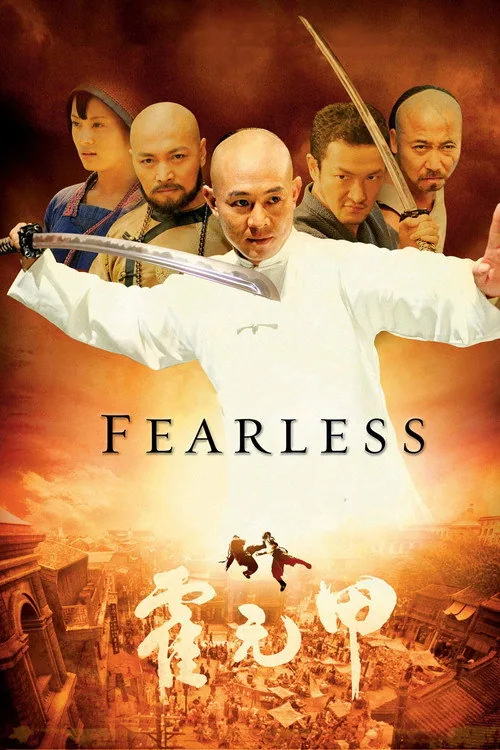
What changes Ip Man 3: alternating domestic and action scenes, duel-centered escalation and reflective character moments. Fearless: biographical sweep, training and recovery and combat-driven climax.
Set in early twentieth-century China, the film follows martial artist Huo Yuanjia from an ambitious young fighter to a champion whose confidence is shattered by personal loss. After years away from the city, he returns with a changed understanding of discipline, dignity, and responsibility. Foreign powers and local pride shape the public contests he enters, and his final challenge becomes a test of what martial arts should represent. Jet Li stars in a fictionalized story loosely based on Huo’s life.
Based on recorded story, mood and style. Your preferences can change the order.
Sport and competition
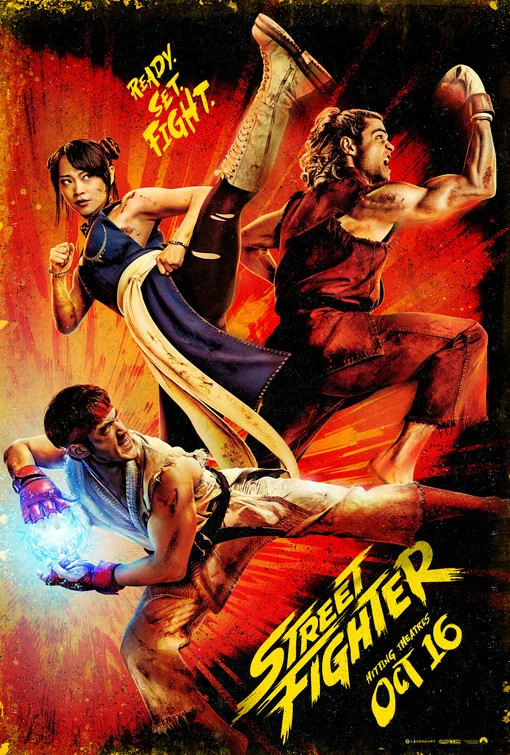
What changes Ip Man 3: alternating domestic and action scenes, duel-centered escalation and reflective character moments. Street Fighter: tournament bracket and rising confrontations.
Set in 1993, the film follows estranged friends Ryu and Ken Masters six years after the death of their mentor, Gouken, left them divided. Chun-Li recruits both for the second World Warrior Tournament, but M. Bison has staged the competition to gather powerful fighters for his own ends. Ken’s commercialized fighting career and Ryu’s isolation pull the former friends in different directions before they must confront the grief and resentment around Gouken. The released film leans into the game’s exaggerated roster and camp, with hand-drawn animated flashbacks and frequent fights; the tournament spectacle competes with a crowded plot.
Based on recorded story, mood and style. Your preferences can change the order.
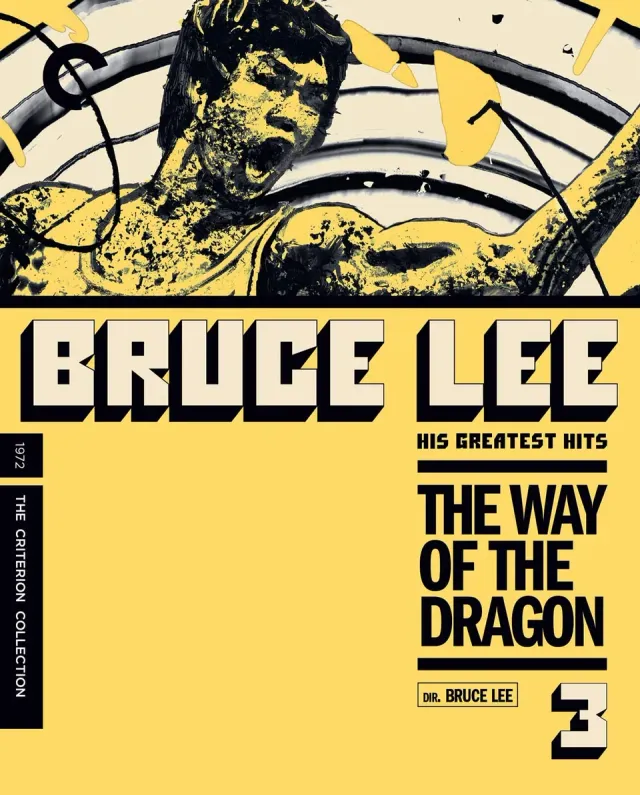
What changes Ip Man 3: alternating domestic and action scenes, duel-centered escalation and reflective character moments. Way of the Dragon: comic setup and fight escalation.
Tang Lung travels from Hong Kong to Rome to help relatives whose restaurant is being pressured by a criminal gang. His unfamiliarity with the city and its customs creates comic misunderstandings, but he quickly becomes the family’s defender when intimidation escalates. The gang hires skilled fighters, testing Tang’s discipline as he moves from protecting the restaurant to confronting its enemies directly. Bruce Lee wrote, directed and starred in the film, which builds toward a famous duel in the Colosseum rather than treating its martial arts as anonymous action. His arrival shows that straight talk and discipline matter as much as physical skill. Restaurant workers move from fearful dependence to active support as the gang's pressure intensifies.
Based on recorded story, mood and style. Your preferences can change the order.
Sport and competition
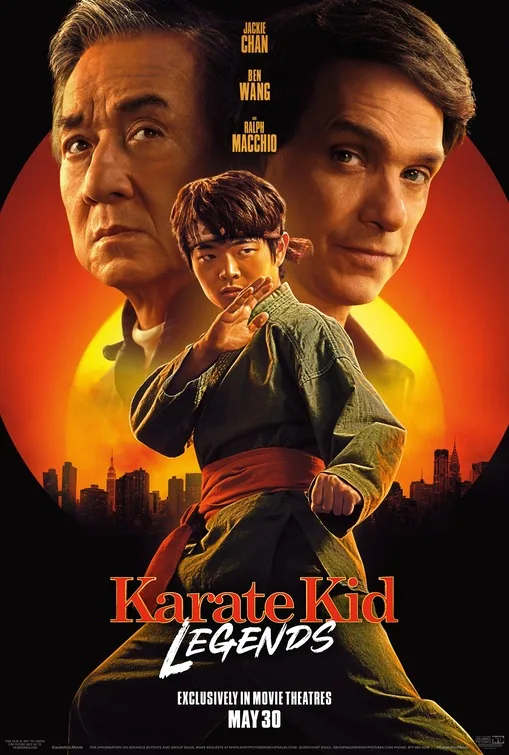
What changes Ip Man 3: alternating domestic and action scenes, duel-centered escalation and reflective character moments. Karate Kid: Legends: training and tournament stages structure a cross-generational sports drama.
After moving to New York, teenager Li Fong struggles to adjust while carrying the grief and discipline of his life in Beijing. He enters a karate competition to help a new friend and receives guidance from both Mr. Han and Daniel LaRusso. The franchise crossover links kung fu and karate traditions through mentorship, training, and a young fighter’s attempt to choose his own way forward.
Based on recorded story, mood and style. Your preferences can change the order.
What changes Ip Man 3: alternating domestic and action scenes, duel-centered escalation and reflective character moments. The 36th Chamber of Shaolin: progressive, chapter-based and action-driven.
Student Liu Yu-de joins a local rebellion against Qing rule, but government forces crush the uprising and kill people close to him. Seeking both training and a way to resist oppression, Liu reaches the Shaolin temple and asks to study kung fu. The monks initially reject him, but the abbot allows him to stay. Liu advances through demanding chambers designed to train different skills, and his mastery gives him a new purpose: to teach ordinary people how to defend themselves against the ruling forces.
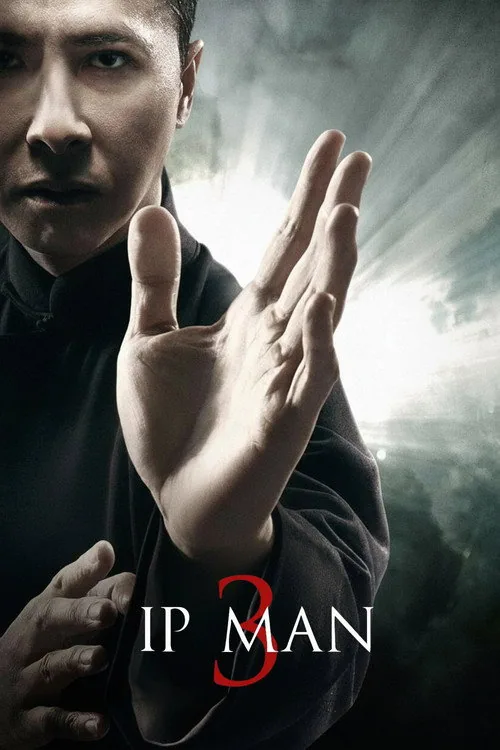
In 1959 Hong Kong, Wing Chun master Ip Man tries to protect a local school from a property developer whose gang is threatening teachers and families. A rival martial artist, Cheung Tin-chi, also challenges Ip's standing, while the master balances public obligations with a serious illness affecting his wife. The film places disciplined combat beside quieter questions about family, pride, and what it means to teach. As the third entry in the biographical action series, it combines stylized fights with an increasingly personal portrait of Ip Man.
What drives the story
Ip Man's protection of a school brings him into conflict with a developer and a rival master while his family faces private strain.
The people at its centre
His restrained approach contrasts with Cheung's ambition, and his devotion to his wife shapes how he measures victory.
What it feels like
The film balances sharply choreographed martial-arts contests with intimate scenes about responsibility and aging.
Worth knowing
Its fights dramatize a biographical legend and personal values, rather than a tournament-centered sports narrative.
discipline and humilityfamily devotionhonor and rivalry
Mood
measured · respectful · action-driven
Pacing
alternating domestic and action scenes · duel-centered escalation · reflective character moments
Visual style
precise Wing Chun choreography · 1950s Hong Kong setting · close interior fight staging
Storytelling
martial-arts master defends neighborhood school · rival teacher challenges reputation · family illness changes priorities