A suspicious death and deliberate public humiliation provoke retaliation that demonstrates both Chen’s skill and the limits of individual resistance under colonial power. Chen’s reprisals can feel empowering while exposing classmates to retaliation they did not choose.
Why this matches +
Selected for the central appeal: Martial-arts dramas about discipline, occupation and a skilled fighter confronting injustice.
Genres: Action / Drama
Shared film traits
Based on recorded story, mood and style. Your preferences can change the order.
What changes Fist of Fury follows a martial artist whose fight against oppression becomes a public symbol of resistance.
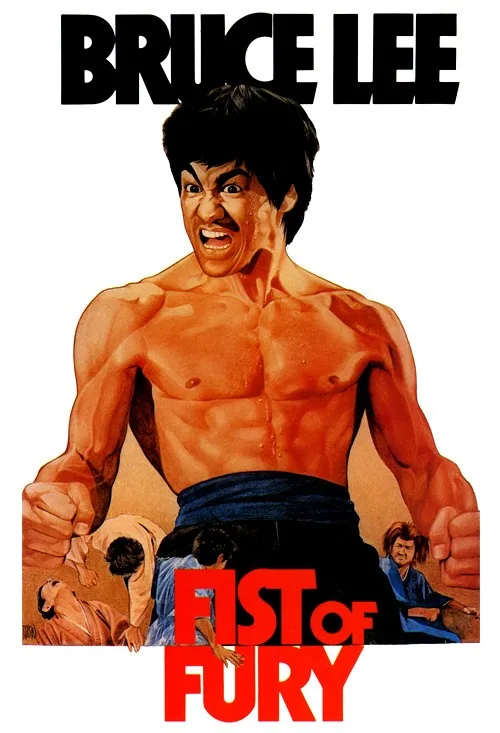
When Chen Zhen returns to his Shanghai martial-arts school and finds his teacher dead, public insults from a rival Japanese dojo turn mourning into a demand that the Chinese community defend its dignity. Chen uncovers the killing and retaliates with spectacular skill, but each victory exposes the school to reprisals from a colonial order with greater power to define legitimate violence. The film makes individual combat a nationalist spectacle while keeping collective consequences in view. Chen is a fictional figure; the story’s invocation of Huo Yuanjia and its depiction of imperial-era Shanghai should not be read as a literal record of the historical person or events.
Huo’s public ambition and private tragedy lead him toward a final series of contests that redefine his purpose as a fighter.
Why this matches +
Selected for the central appeal: Martial-arts dramas about discipline, occupation and a skilled fighter confronting injustice.
Genres: Action / Drama
Shared film traits
Based on recorded story, mood and style. Your preferences can change the order.
What changes Fearless follows a martial artist whose public contests and personal losses reshape his understanding of discipline.
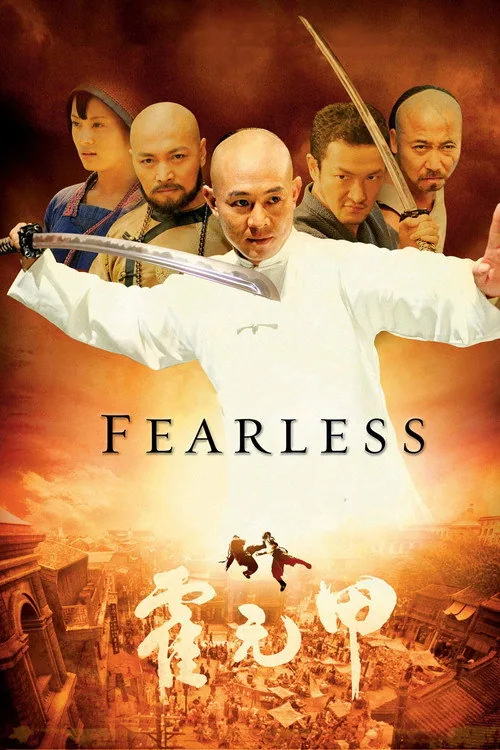
Set in early twentieth-century China, the film follows martial artist Huo Yuanjia from an ambitious young fighter to a champion whose confidence is shattered by personal loss. After years away from the city, he returns with a changed understanding of discipline, dignity, and responsibility. Foreign powers and local pride shape the public contests he enters, and his final challenge becomes a test of what martial arts should represent. Jet Li stars in a fictionalized story loosely based on Huo’s life.
A martial artist pursues a public career while negotiating cultural barriers and family responsibilities.
Why this matches +
These offer a related experience with a meaningful difference in story, tone, or presentation.
An adjacent discovery: a related idea with a different viewing experience.
Genres: Drama / Action
Shared film traits
Based on recorded story, mood and style. Your preferences can change the order.
What changes Dragon: The Bruce Lee Story dramatizes a martial artist's life, public contests and the barriers surrounding his career.
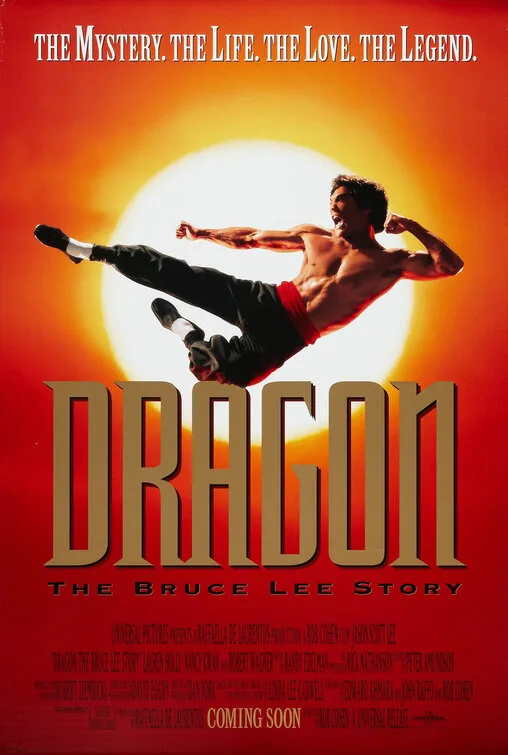
Bruce Lee grows from a young martial artist in Hong Kong into an actor and teacher trying to build a career in the United States. Racism, family ties and professional setbacks shape the story alongside his ambition to bring his martial-arts practice to wider audiences. The biographical drama presents Lee's public legend through personal relationships and stylized encounters rather than exhaustive historical detail.
A grieving student turns to rigorous martial-arts training after state violence destroys his community.
Why this matches +
These offer a related experience with a meaningful difference in story, tone, or presentation.
An adjacent discovery: a related idea with a different viewing experience.
Genres: Action / Martial arts
Shared film traits
Based on recorded story, mood and style. Your preferences can change the order.
What changes The 36th Chamber of Shaolin follows a student training in martial arts to resist an oppressive regime.
Student Liu Yu-de joins a local rebellion against Qing rule, but government forces crush the uprising and kill people close to him. Seeking both training and a way to resist oppression, Liu reaches the Shaolin temple and asks to study kung fu. The monks initially reject him, but the abbot allows him to stay. Liu advances through demanding chambers designed to train different skills, and his mastery gives him a new purpose: to teach ordinary people how to defend themselves against the ruling forces.
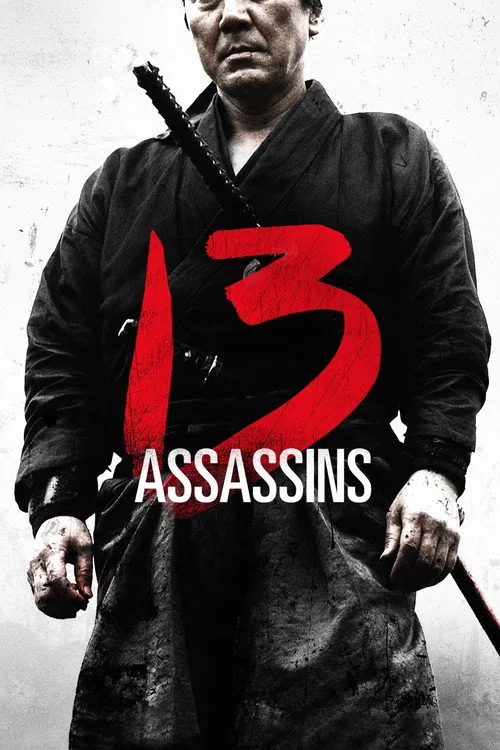
Shinzaemon gathers a small force and prepares a village ambush to prevent Naritsugu from gaining greater political power.
Why this matches +
These offer a related experience with a meaningful difference in story, tone, or presentation.
An adjacent discovery: a related idea with a different viewing experience.
Genres: Action / Drama
Shared film traits
Based on recorded story, mood and style. Your preferences can change the order.
War and civilian life
What changes 13 Assassins follows skilled fighters organizing against an abusive authority in a historical setting.
In 1844, samurai Shinzaemon Shimada is asked to stop Lord Naritsugu, a cruel member of the ruling family whose appointment threatens the lives of many. Shinzaemon assembles twelve additional warriors and plans an ambush designed to trap Naritsugu’s much larger escort. Takashi Miike’s Japanese period action film follows the group’s preparation and final battle, using the mission to explore honor, political obligation, and the limits of a samurai code under a corrupt shogunate.
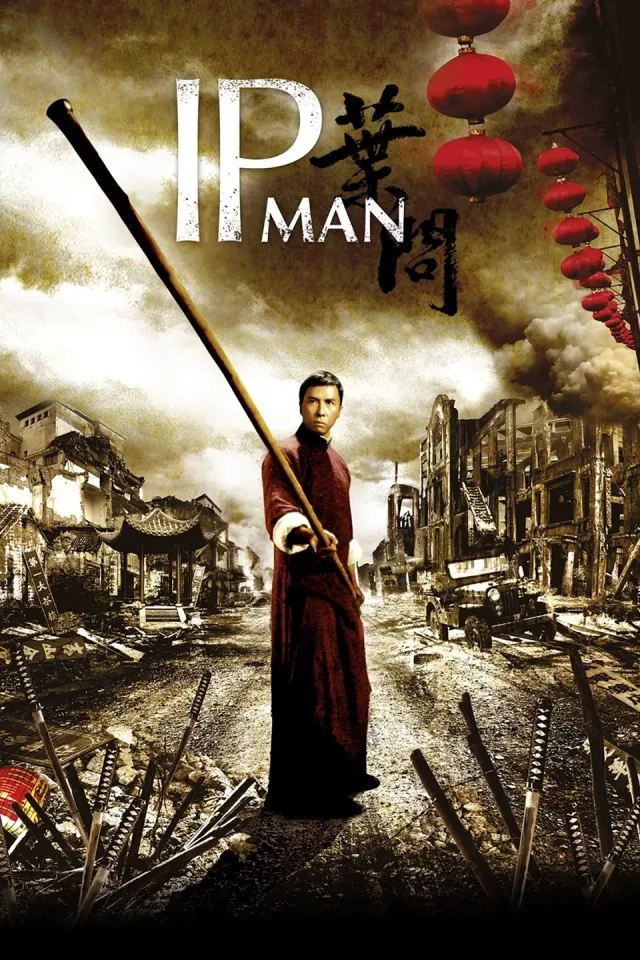
The prosperous Wing Chun teacher Ip Man lives quietly in Foshan until Japanese occupation strips away his home, income and social standing. After a local martial artist is killed and food is tied to combat demonstrations, Ip’s skill becomes entangled with an occupying power’s demand for spectacle. He initially avoids public resistance, then chooses to fight after violence reaches people he feels responsible for. The film turns mastery from private discipline into a public symbol of Chinese dignity, with the climactic confrontation designed as a nationalist action set piece. That emotional arc belongs to a fictionalized biopic: the invented bouts, compressed chronology and heroic characterization should not be carried over as documented episodes from Ip Man’s life.
What drives the story
Occupation transforms martial contests into coercive exchanges, so the turning point is not simply a stronger opponent: Ip must decide whether participation legitimizes the system or creates a chance to protect others.
The people at its centre
His restraint and family obligations contrast with the more openly confrontational Jin and the compromised interpreter Li Zhao. Their choices show different forms of survival, not interchangeable measures of courage or loyalty.
What it feels like
Choreographed Wing Chun sequences are repeatedly set against empty rooms, hunger and humiliating public encounters. The later duel shifts skill into national symbolism, with action spectacle carrying more weight than documentary realism.
Worth knowing
The Hong Kong Film Archive identifies the 2008 Cantonese-language feature and its production context, but the biographical premise does not make its major encounters factual. Compare it with stylized martial-arts resistance stories, not as a reliable record of Ip’s wartime biography.
DignityDutyOccupation
Mood
Defiant · Somber · Intense
Pacing
Steady · Escalating
Visual style
Precise fight choreography · Period deprivation
Storytelling
Master under occupation · Food-for-combat coercion · Public martial resistance