Based on recorded story, mood and style. Your preferences can change the order.
War and civilian life · Political resistance
What changes Outlaw King: campaign-driven, battle escalation and character-led. Macbeth: ritualized tragedy, battlefield interludes and inevitable escalation.
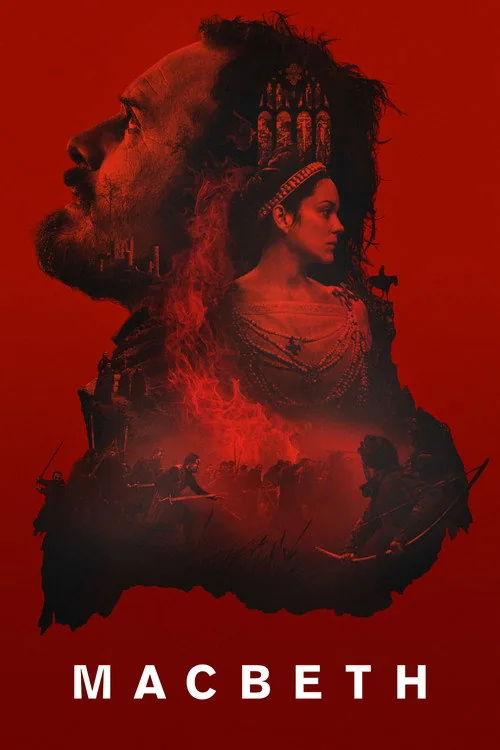
Returning from a brutal civil war, Scottish general Macbeth hears a prophecy that he will become king. His ambition and Lady Macbeth's persuasion lead him to murder Duncan and seize the crown, but each act of violence produces new suspicion and retaliation. This adaptation preserves Shakespeare's tragedy while grounding it in a stark landscape of mud, smoke, and battlefield trauma, making the ruler's private visions and public brutality feel like continuations of the same war.
Based on recorded story, mood and style. Your preferences can change the order.
Political resistance
What changes Outlaw King: campaign-driven, battle escalation and character-led. Rob Roy: cattle-trading plan creates a debt, theft and framing force resistance and personal duels and testimony resolve the conflict.
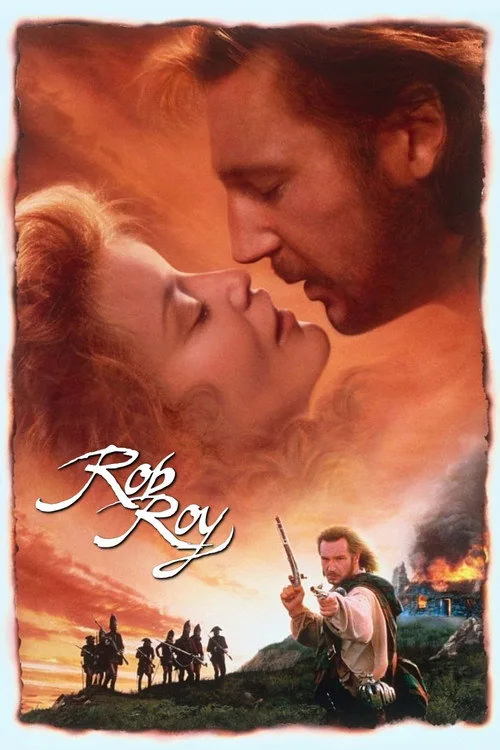
In early eighteenth-century Scotland, clan leader Rob Roy MacGregor borrows money from the Marquess of Montrose to establish a cattle trade that might support his people. Montrose's agent Cunningham steals the funds and frames Rob, forcing him into hiding and turning his economic plan into a struggle for honor. Rob refuses to wage open war against the nobleman, while his wife Mary and clan members face the consequences of Cunningham's violence. The historical adventure joins Highland resistance with a personal contest of integrity.
Based on recorded story, mood and style. Your preferences can change the order.
War and civilian life
What changes Outlaw King: campaign-driven, battle escalation and character-led. The Tragedy of Macbeth: the witches’ prediction opens a possible future, macbeth and lady macbeth act to hasten it and and the resulting crown becomes difficult to defend..
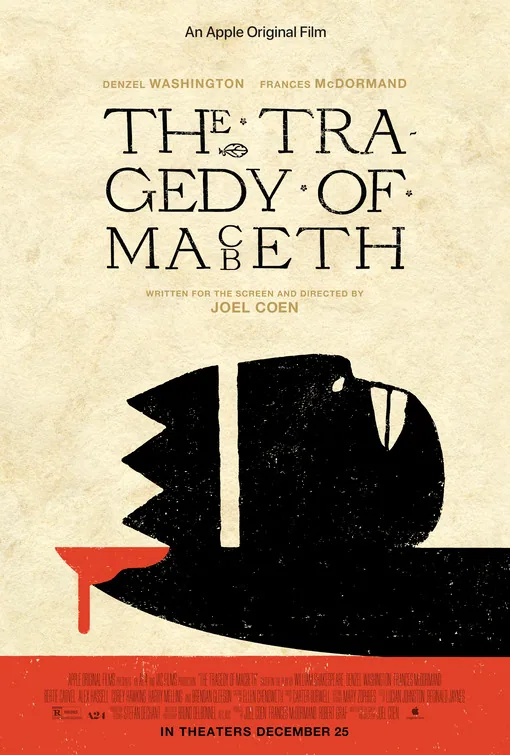
After three witches tell Macbeth that he will become king, the Scottish commander and his wife consider how prophecy might be turned into power. Their decisions set off a cycle of suspicion, violence and political resistance. Joel Coen’s adaptation focuses on the play’s verbal force and on how ambition changes the couple’s judgment as the kingdom shifts around them.
Based on recorded story, mood and style. Your preferences can change the order.
War and civilian life · Political resistance
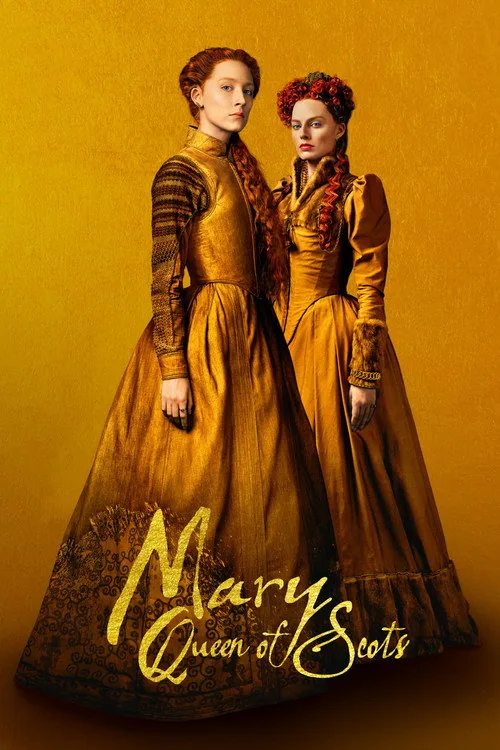
What changes Outlaw King: campaign-driven, battle escalation and character-led. Mary Queen of Scots: courtly political maneuvering, relationship-centered scenes and historical tragedy.
After returning from France to rule Scotland, Mary Stuart faces a court divided by religious conflict and a claim to the English throne held by her cousin Elizabeth. The two queens try to balance political necessity with a personal wish for trust, but advisors, marriages, and succession crises keep turning their relationship into a contest. The historical drama compresses years of conflict into a portrait of female sovereignty under scrutiny, emphasizing the choices and constraints surrounding two powerful rulers.
Both share themes of resistance, plus a somber atmosphere.
Why this matches +
Genres: Drama / Action
Shared film traits
Based on recorded story, mood and style. Your preferences can change the order.
Political resistance · Survival
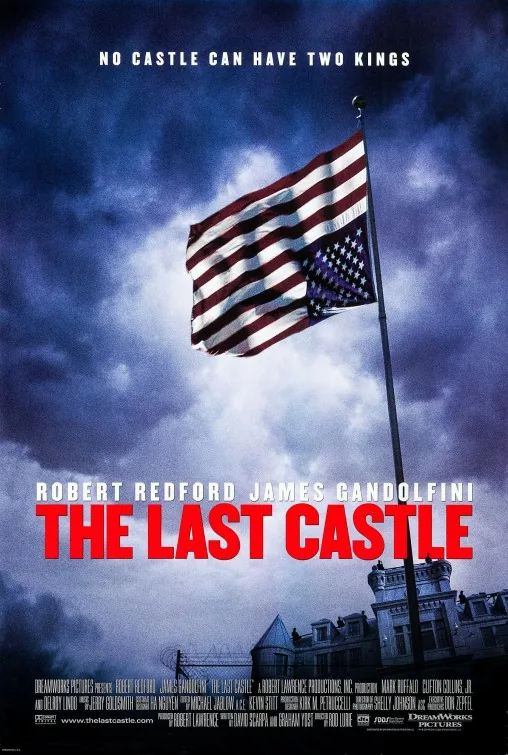
What changes Outlaw King: campaign-driven, battle escalation and character-led. The Last Castle: measured and escalating.
A decorated general is sent to a military prison after a court-martial and clashes with the commandant over the treatment of the inmates. What begins as a dispute over authority develops into an organized challenge to the prison's abusive system, drawing former soldiers into a difficult test of discipline and solidarity. The film frames rebellion as a conflict between rank and moral leadership, with the prison's structure turning every act of resistance into a public choice.
Based on recorded story, mood and style. Your preferences can change the order.
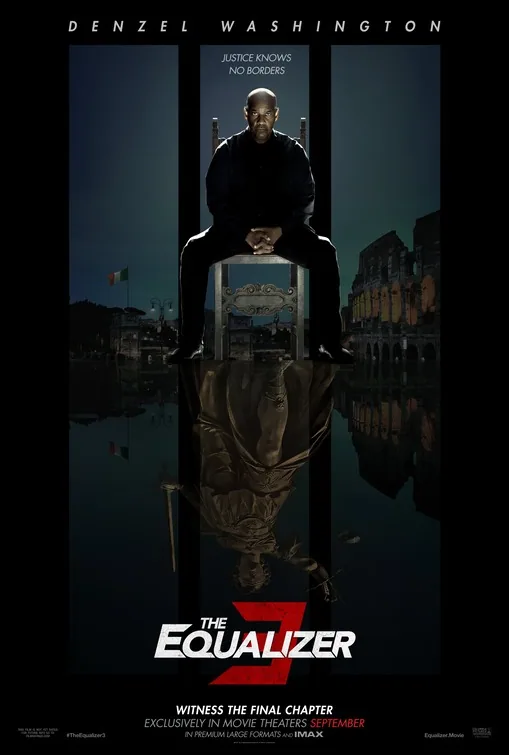
What changes Outlaw King: campaign-driven, battle escalation and character-led. The Equalizer 3: slow-burn and violence punctuated.
Robert McCall is wounded after a violent job in Sicily and finds care in a small coastal community. As he recovers, he learns that local residents live under the control of the Camorra and begins quietly intervening on their behalf. McCall's friendships in town make his actions more personal, while the criminals' response turns the peaceful setting into a conflict between a solitary outsider and an entrenched organization.
Based on recorded story, mood and style. Your preferences can change the order.
Political resistance
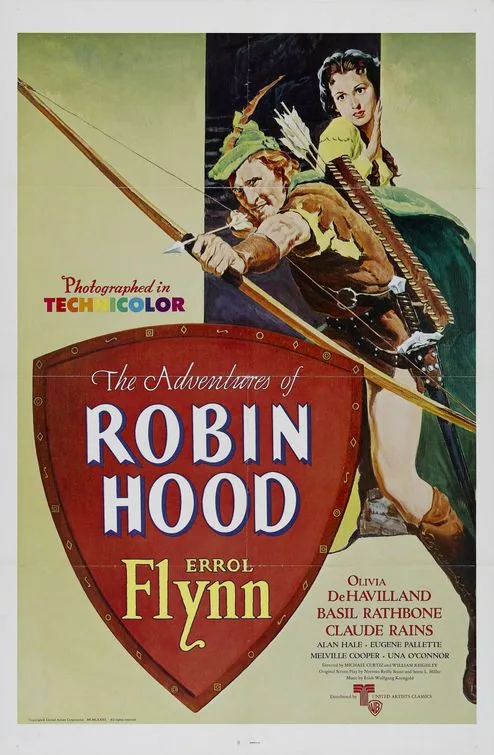
What changes Outlaw King: campaign-driven, battle escalation and character-led. The Adventures of Robin Hood: adventure episodes and tournament and rescue climaxes.
When King Richard is held captive abroad, his brother Prince John claims the regency and imposes harsher taxes on England's Saxons. Sir Robin of Locksley openly defies John and his ally Guy of Gisbourne, becoming an outlaw in Sherwood Forest. He gathers a band of followers and repeatedly robs the Normans to aid people facing the regime's abuse. Lady Marian initially serves John's court, but her view changes as she sees the costs of his rule. Robin's conflict with Gisbourne becomes a public challenge to John's authority as the king's return approaches.
Based on recorded story, mood and style. Your preferences can change the order.
Political resistance
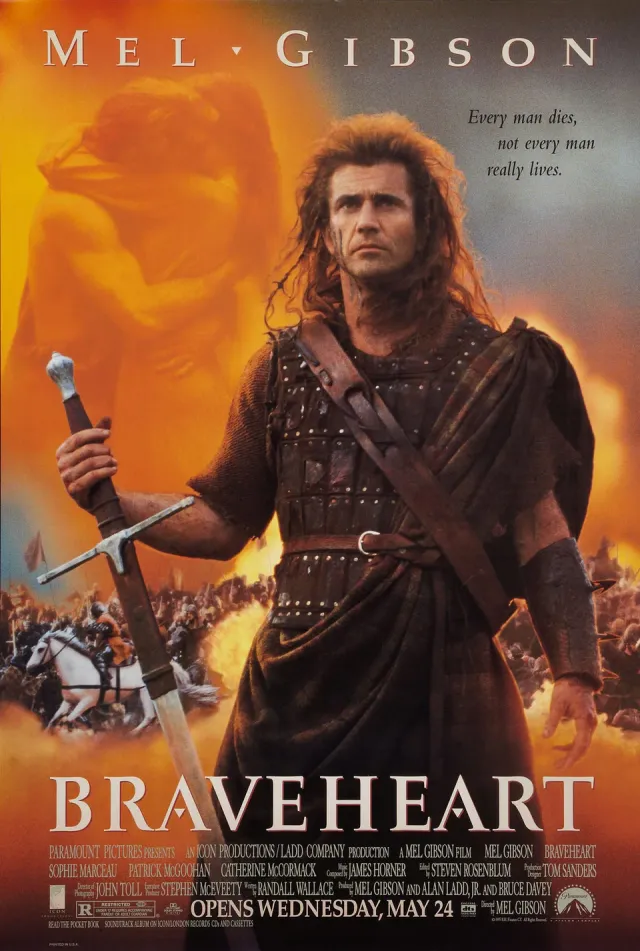
What changes Outlaw King: campaign-driven, battle escalation and character-led. Braveheart: epic and intense.
A Scottish man hoping for an ordinary domestic life is drawn into rebellion after personal loss exposes the violence sustaining English rule. Military success makes him a symbol around which competing nobles and ordinary fighters organise different hopes. As diplomacy and betrayal complicate the campaign, his private grief becomes inseparable from a public mythology of freedom that requires costs no single leader can control.
Based on recorded story, mood and style. Your preferences can change the order.
War and civilian life
Expect somber and measured, with deliberate and campaign-driven pacing.
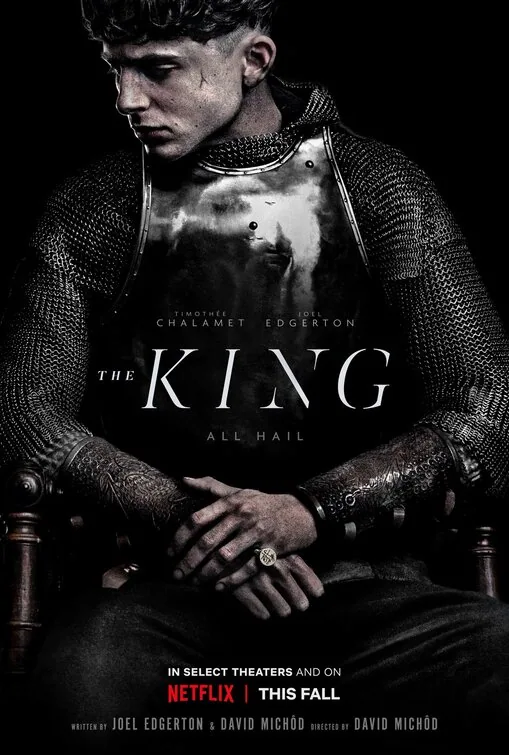
Prince Hal prefers taverns and the company of Falstaff to the court, but his father’s death forces him onto the English throne. As Henry V, he faces rebellion at home and a campaign in France while confronting the burdens of authority and the consequences of choosing whom to trust. David Michôd gives the Shakespeare-inspired history a somber, muddy visual texture and a restrained account of a young ruler becoming a wartime king.
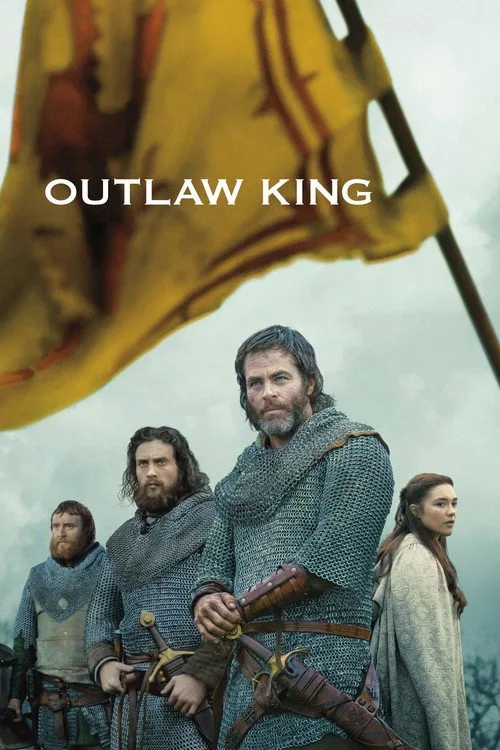
In 1304, Robert the Bruce swears allegiance to Edward I but soon becomes entangled in Scotland’s struggle for independence. Following the execution of William Wallace and the English crown’s pressure on Scottish nobles, Robert claims the crown and leads a rebellion. He must gather allies, protect his family, and fight a stronger occupying force as the conflict shifts across the Scottish landscape. David Mackenzie’s historical action drama compresses events from the Wars of Independence into a story of political resistance and military survival.
What drives the story
Robert turns from submission to rebellion, assembling a campaign against English control and political rivals.
The people at its centre
Robert’s alliance with Elizabeth and James Douglas places family ties and noble loyalty inside the resistance effort.
What it feels like
Contains graphic medieval battle violence, executions, warfare, and civilian danger.
Worth knowing
The historical epic focuses on a short, compressed phase of Scottish independence rather than a full life biography.