Based on recorded story, mood and style. Your preferences can change the order.
War and civilian life
What changes Henry V: chorus-led adaptation, campaign episodes and battle climax and diplomatic resolution. The King: deliberate and campaign-driven.
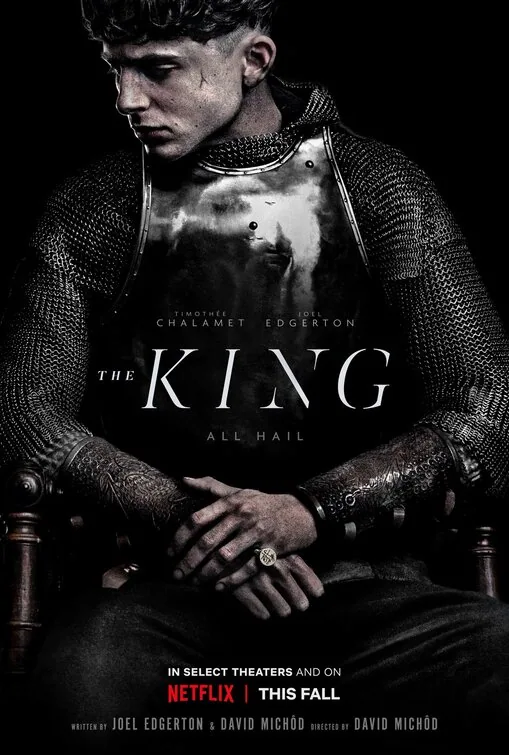
Prince Hal prefers taverns and the company of Falstaff to the court, but his father’s death forces him onto the English throne. As Henry V, he faces rebellion at home and a campaign in France while confronting the burdens of authority and the consequences of choosing whom to trust. David Michôd gives the Shakespeare-inspired history a somber, muddy visual texture and a restrained account of a young ruler becoming a wartime king.
Based on recorded story, mood and style. Your preferences can change the order.
War and civilian life
What changes Henry V: chorus-led adaptation, campaign episodes and battle climax and diplomatic resolution. The Messenger: The Story of Joan of Arc: battlefield ascent and courtroom and trial questioning.
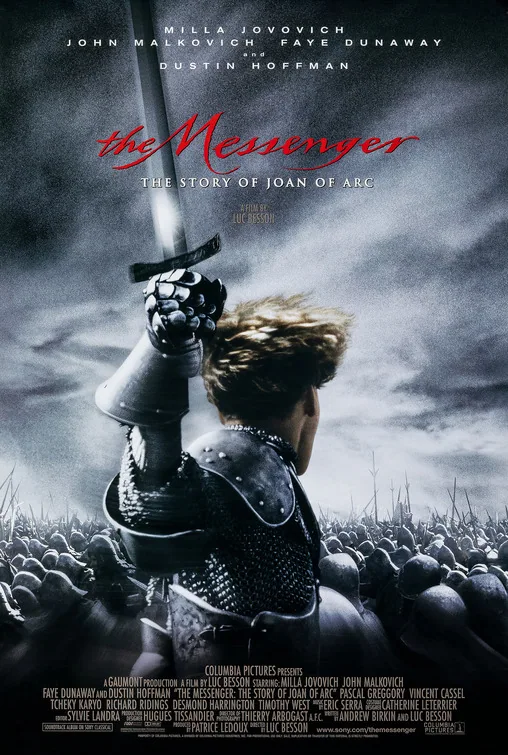
As a child in fifteenth-century France, Joan hears voices she understands as divine instruction. Years later, during the English occupation, she convinces the dauphin’s court to let her lead troops toward Orléans and help secure his coronation. Her military success makes her a symbol and a political concern, while battlefield violence and court rivalries test her certainty. Captured by Burgundian forces and handed to the English, Joan faces a trial that challenges both her visions and the motives of those who once supported her. Luc Besson’s film dramatizes her life and leaves the meaning of the voices open to debate.
Based on recorded story, mood and style. Your preferences can change the order.
War and civilian life
What changes Henry V: chorus-led adaptation, campaign episodes and battle climax and diplomatic resolution. Paths of Glory: measured and escalating.
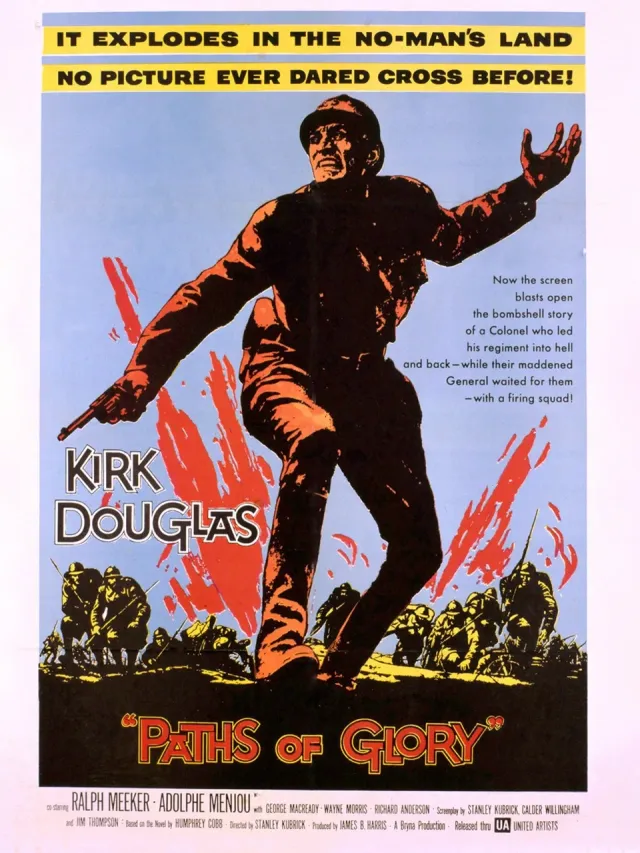
A French regiment is ordered into an attack that senior officers have little reason to expect it can survive. After failure, selected soldiers face trial for cowardice while their commander attempts to defend them. The proceedings expose a hierarchy more concerned with reputation and discipline than with the circumstances of the men whose lives it controls.
Based on recorded story, mood and style. Your preferences can change the order.
War and civilian life
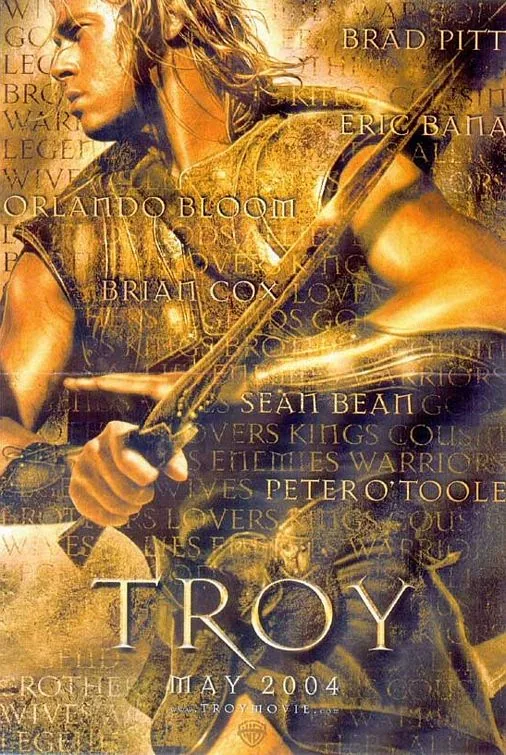
What changes Henry V: chorus-led adaptation, campaign episodes and battle climax and diplomatic resolution. Troy: epic and intense.
The departure of a prince and a married queen becomes the public cause for a Greek assault on Troy, but the expedition's leaders bring ambitions extending beyond the return of one woman. A celebrated warrior resists the king who needs his skill, while a Trojan defender attempts to protect a city whose fate is being shaped by family loyalty and political calculation. Personal attachment and the pursuit of lasting fame repeatedly expose others to consequences their champions cannot control.
Based on recorded story, mood and style. Your preferences can change the order.
War and civilian life
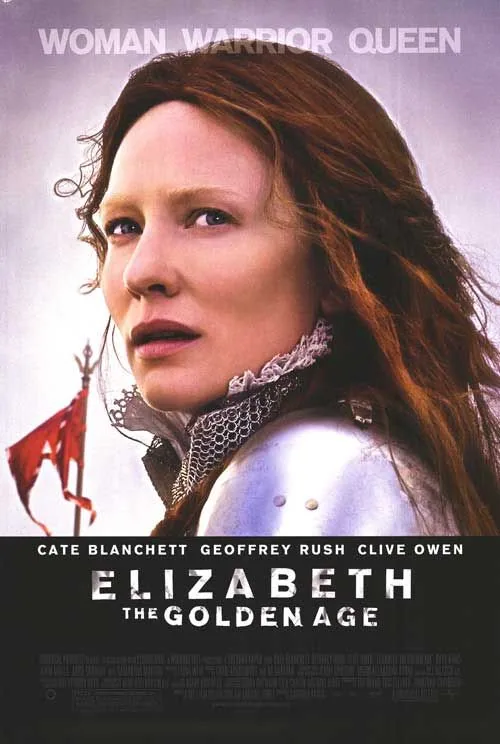
What changes Henry V: chorus-led adaptation, campaign episodes and battle climax and diplomatic resolution. Elizabeth: The Golden Age: epic.
An established queen faces foreign invasion and domestic plots while remaining under pressure to secure a succession through marriage. Attraction to a celebrated explorer offers an imagined freedom that his relationship with her attendant makes painful and politically unequal. Public defiance and private jealousy develop beside an intelligence struggle, turning the defense of sovereign independence into a spectacle whose confidence cannot remove the costs borne by people close to the throne. The sequel uses national defense as spectacle while connecting sovereign self-command to a painful romantic triangle.
Based on recorded story, mood and style. Your preferences can change the order.
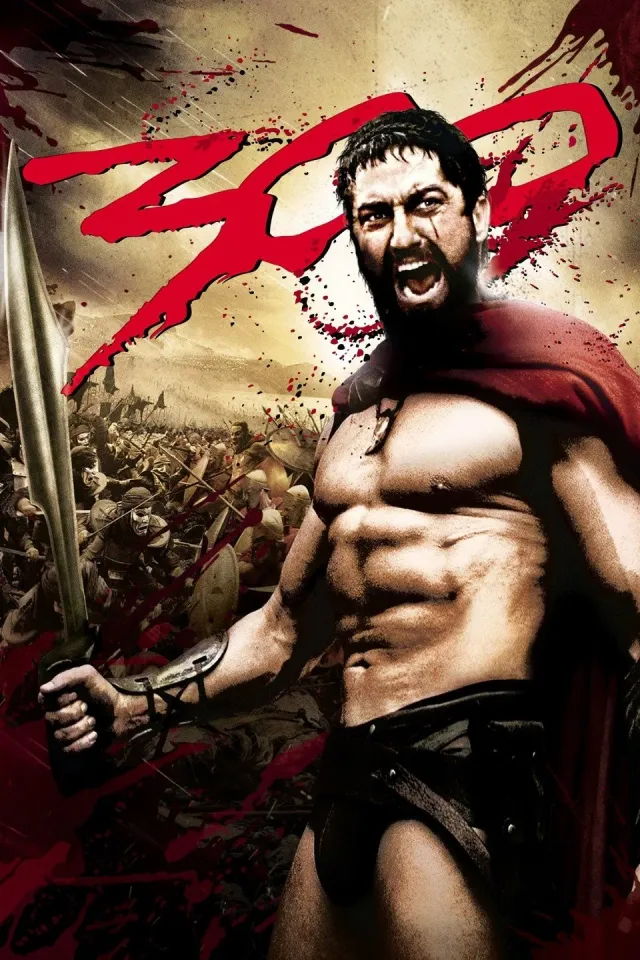
What changes Henry V: chorus-led adaptation, campaign episodes and battle climax and diplomatic resolution. 300: intense.
A Spartan ruler leads a small force to oppose an invading empire despite political and religious constraints on a larger deployment. A narrow battlefield briefly makes an overwhelming numerical disadvantage appear manageable, while events at home expose conflict over whether resistance deserves support. The campaign is presented through an intensely stylised account in which bodily courage, national myth and the storyteller's purpose shape what the audience is asked to admire.
Based on recorded story, mood and style. Your preferences can change the order.
War and civilian life
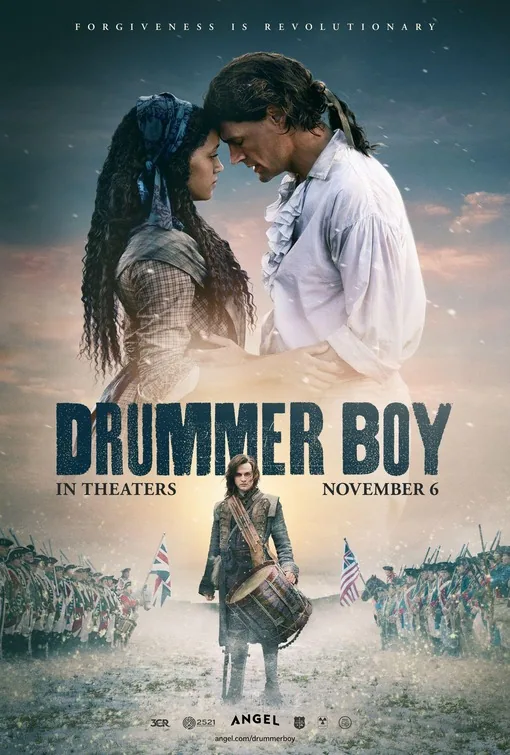
What changes Henry V: chorus-led adaptation, campaign episodes and battle climax and diplomatic resolution. Drummer Boy: building.
Two brothers find themselves on opposing sides of the American Revolution, turning a national conflict into a struggle within their own family. Love and loyalty pull against the commitments each has made as the war forces them to decide what kind of men they want to become. The historical musical connects divided allegiances with the possibility of forgiveness.
Based on recorded story, mood and style. Your preferences can change the order.
War and civilian life
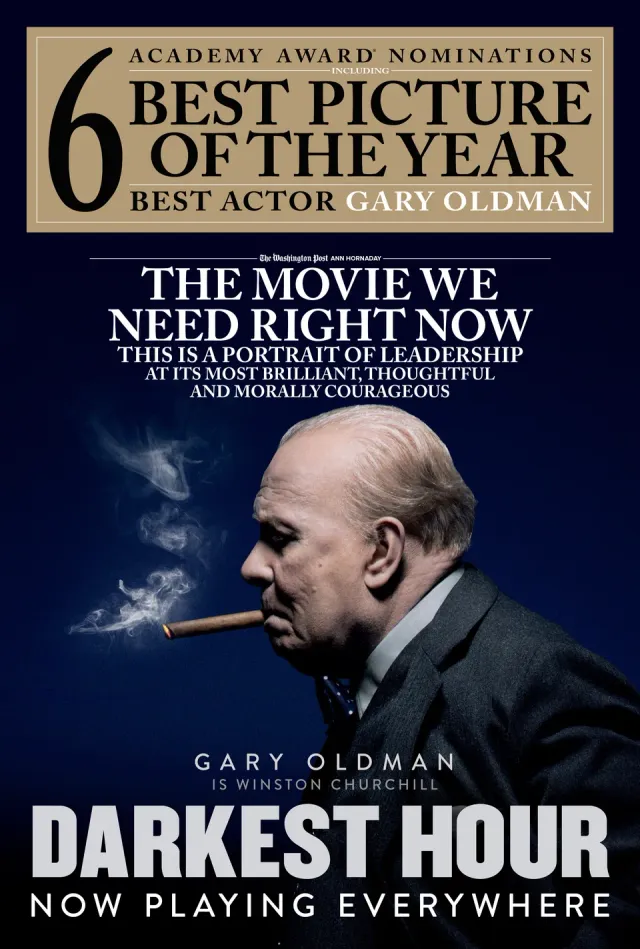
What changes Henry V: chorus-led adaptation, campaign episodes and battle climax and diplomatic resolution. Darkest Hour: measured.
Newly appointed British prime minister as German forces advance in 1940, Winston Churchill must persuade colleagues who distrust his judgment to support continued resistance. Reports from France and the peril of trapped troops make each public statement a gamble over more than morale. The film concentrates political history into pressured conversations, private doubts and acts of persuasion, portraying leadership as an effort to secure room for a decision whose consequences others will bear.
Based on recorded story, mood and style. Your preferences can change the order.
War and civilian life
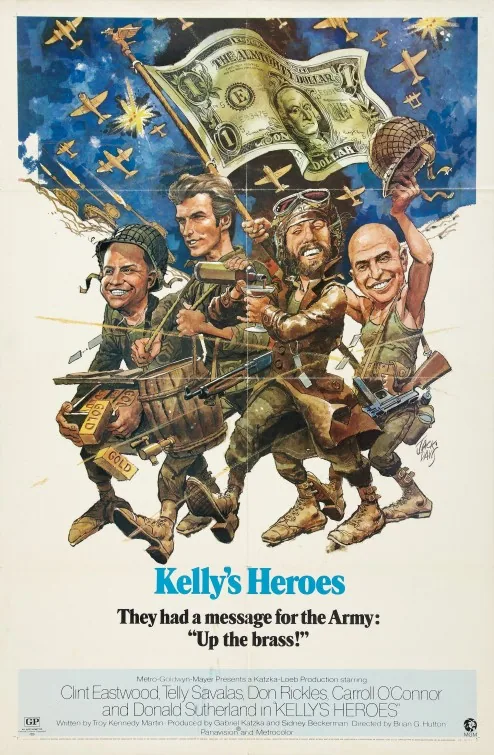
What changes Henry V: chorus-led adaptation, campaign episodes and battle climax and diplomatic resolution. Kelly's Heroes: brisk and escalating.
An American soldier learns of gold held behind enemy lines and recruits men willing to use their military access for private profit. Planning requires supplies, armor and passage through a battlefield where even friendly forces can destroy the means of escape. As the operation expands, commanders misread its progress as exemplary aggression. The war caper turns dissatisfaction with official purpose into an opportunistic alternative, mixing anti-authoritarian humor with danger that cannot be entirely converted into a joke or a clean division of spoils.
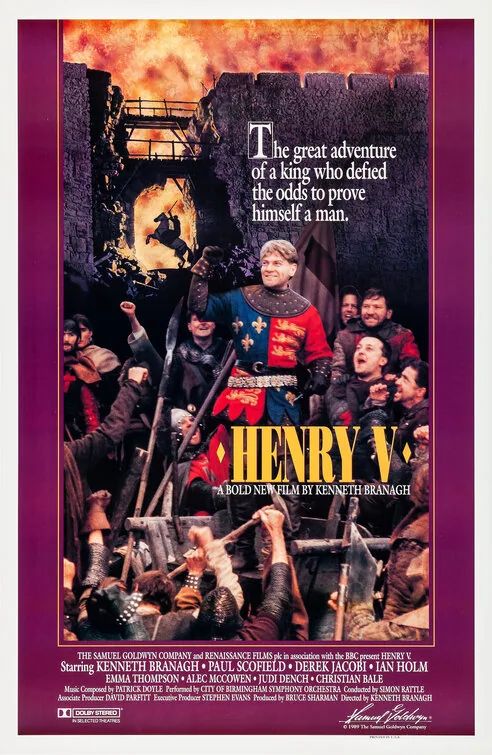
King Henry V claims the French crown and leads an English campaign across the Channel, despite the Chorus’s reminders that the film can only imagine the scale of history through cinema. After taking Harfleur, Henry faces the consequences of war and the threat of defeat at Agincourt, where English troops overcome a larger French force. The campaign is punctuated by debates over kingship, loyalty, responsibility and the treatment of civilians. Shakespeare’s Chorus moves between the modern film set and the medieval action, making the adaptation’s theatrical origins part of its account of how a nation remembers victory.
What drives the story
Henry shifts between confident monarch, battlefield commander and a ruler aware of the burdens carried by ordinary soldiers.
The people at its centre
The campaign links command decisions to the lives of soldiers and civilians; the concluding marriage frames political union as personal diplomacy.
What it feels like
The modern-dress Chorus exposes the crafted nature of the national epic while the battle imagery celebrates and questions its heroic account.
Worth knowing
A Shakespearean war epic that stages the distance between national legend and the human cost of battle.