The tactical shift to a defense from caves and tunnels changes the battle from an open-front engagement into a prolonged survival problem. Letters provide a second structure, carrying home lives into a position where return is unlikely.
Why this matches +
These films share important themes, atmosphere or storytelling interests with this selection.
Genres: War / Drama
Shared film traits
Based on recorded story, mood and style. Your preferences can change the order.
Both directed by Clint Eastwood.
War and civilian life
What changes Its own story: The tactical shift to a defense from caves and tunnels changes the battle from an open-front engagement into a prolonged survival problem. Letters provide a second structure, carrying home lives into a position where return is unlikely.
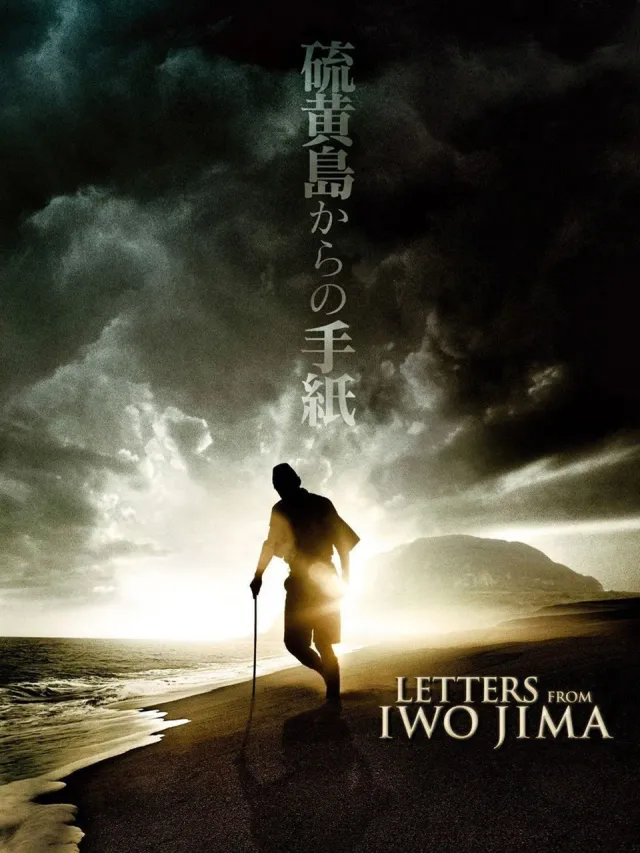
As U.S. forces approach Iwo Jima in 1945, Japanese soldiers prepare to defend an island they know they may not survive. Letters and flashbacks follow General Kuribayashi, Saigo the baker and other men whose motives range from duty and fear to attachment to families at home. Their human individuality complicates the language of national honor without making the film a full account of the Pacific War or Japanese imperial responsibility. Clint Eastwood’s Japanese-language companion to Flags of Our Fathers focuses on one selected military perspective; it does not stand for every Japanese soldier or civilian. The battle’s underground tunnels and fragmented correspondence turn defense into an intimate, enclosed ordeal, while the historical context remains larger than the film’s sympathetic frame.
A disabling combat injury exposes the gap between patriotic promises and veterans' material treatment, redirecting Ron's loyalty toward organized opposition and public testimony. The political turn grows from failed care and encounters with other veterans.
Why this matches +
These films share important themes, atmosphere or storytelling interests with this selection.
Genres: Drama / War
Shared film traits
Based on recorded story, mood and style. Your preferences can change the order.
War and civilian life
What changes Its own story: A disabling combat injury exposes the gap between patriotic promises and veterans' material treatment, redirecting Ron's loyalty toward organized opposition and public testimony. The political turn grows from failed care and encounters with other veterans.
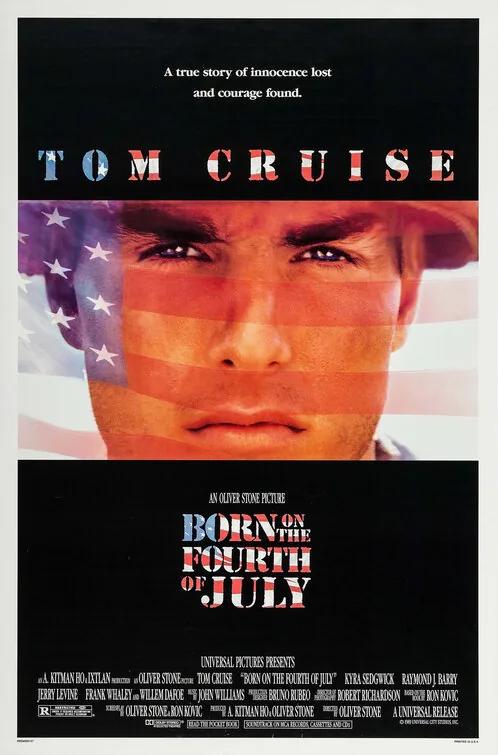
Raised on patriotic ritual, Ron Kovic volunteers for Vietnam believing service will make inherited ideals real. A catastrophic injury, inadequate care and a difficult return home unsettle that belief, while family expectations and encounters with other veterans turn private anger toward public speech. The film follows a changing political identity rather than a simple recovery arc: disability persists, and activism does not restore the life he imagined before enlistment. Kovic's story is personal and dramatized, not a universal account of veterans or the war.
A contested advance places command pressure against the cost of sending particular men into danger, while shifting perspectives continually exceed the official mission.
Why this matches +
These films share important themes, atmosphere or storytelling interests with this selection.
Genres: Drama / War
Shared film traits
Based on recorded story, mood and style. Your preferences can change the order.
War and civilian life
What changes Its own story: A contested advance places command pressure against the cost of sending particular men into danger, while shifting perspectives continually exceed the official mission.
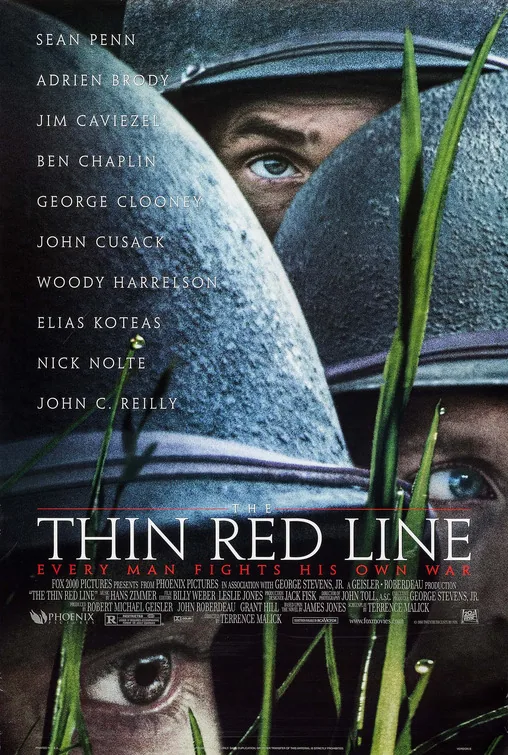
An American infantry company arrives on Guadalcanal and confronts a landscape whose beauty offers no protection from military objectives or unpredictable killing. Attempts to capture a defended position expose differences between career ambition, tactical responsibility and the soldiers' private attachments. Multiple voices reflect on nature, violence and loss as the campaign continues, making neither strategic progress nor individual courage sufficient to explain what the men experience.
The veterans' homecoming is only the start: jobs, marriages and public attitudes force each man to renegotiate a civilian identity after the war.
Why this matches +
These films share important themes, atmosphere or storytelling interests with this selection.
Genres: Drama / War
Shared film traits
Based on recorded story, mood and style. Your preferences can change the order.
War and civilian life
What changes Its own story: The veterans' homecoming is only the start: jobs, marriages and public attitudes force each man to renegotiate a civilian identity after the war.
Three World War II veterans return to Boone City and try to resume lives that continued without them. Fred Derry struggles with work and a marriage that has changed; Al Stephenson returns to banking and family life while drinking too much; Homer Parrish, who lost both hands, worries that his loved ones see his disability before they see him. Their stories intersect through the Stephenson family and the women they love. The film follows rehabilitation, employment and intimacy as practical parts of returning home, ending with weddings but not pretending that adjustment has been simple.
The long delay between preparation and action becomes the central pressure shaping the unit’s experience.
Why this matches +
These films share important themes, atmosphere or storytelling interests with this selection.
Genres: Biography / Drama
Shared film traits
Based on recorded story, mood and style. Your preferences can change the order.
War and civilian life
What changes Its own story: The long delay between preparation and action becomes the central pressure shaping the unit’s experience.
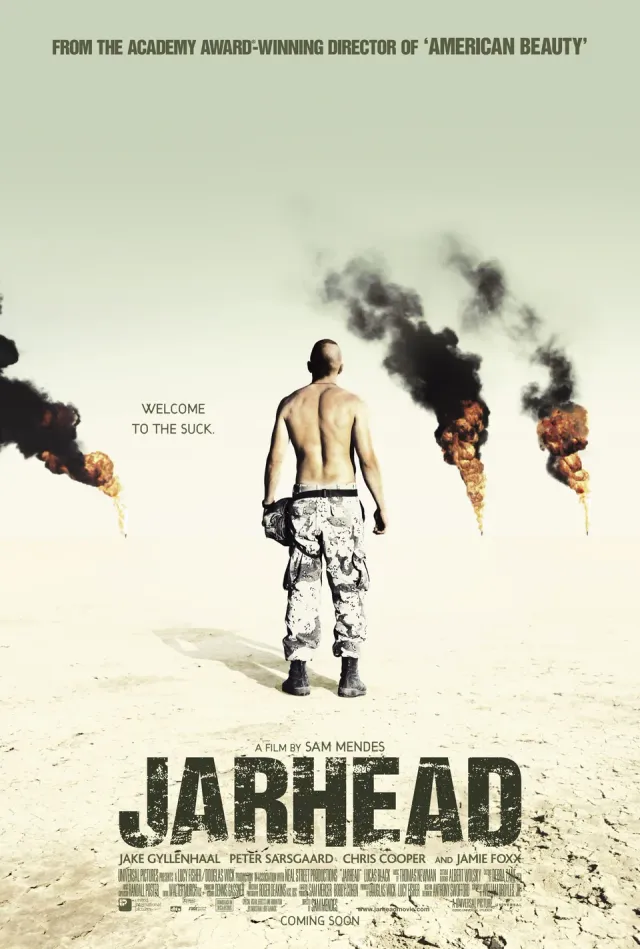
A young Marine enlists during the Gulf War and trains for deployment, only to find that much of military life consists of waiting under severe physical and psychological pressure. The film follows his unit through preparation, boredom and sudden danger, focusing on what conflict does to identity when direct combat is intermittent. It is a war drama about routine, frustration and expectation.
A communal departure, wartime captivity and fractured return reveal how violence changes the possibility of resuming an earlier life.
Why this matches +
These films share important themes, atmosphere or storytelling interests with this selection.
Genres: Drama / War
Shared film traits
Based on recorded story, mood and style. Your preferences can change the order.
War and civilian life
What changes Its own story: A communal departure, wartime captivity and fractured return reveal how violence changes the possibility of resuming an earlier life.
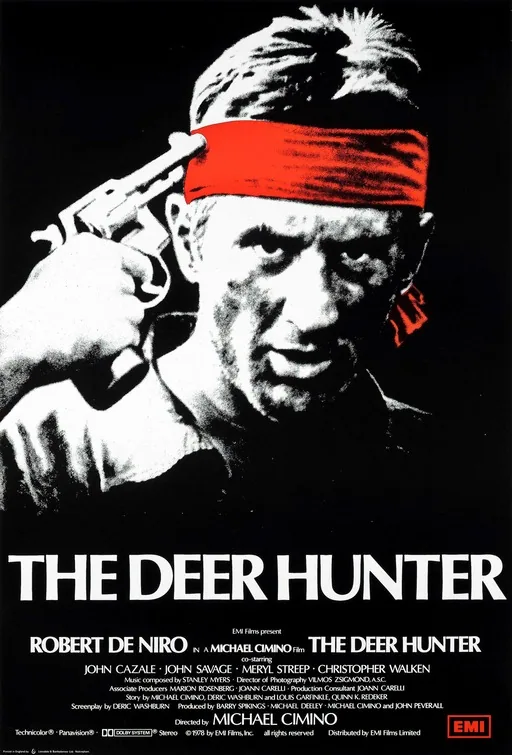
Three friends from a Pennsylvania steelworking community leave for service in Vietnam after a wedding that draws together their social world. Captivity and extreme coercion rupture their shared assumptions, and returning home does not restore the relationships or confidence the departure seemed to guarantee. A renewed effort to recover a missing friend makes survival inseparable from confronting damage that cannot be solved by reproducing familiar rituals.
Episodic bomb-disposal missions test the distinction between skilled duty and dependence on danger, while a countdown to departure strains unit cohesion.
Why this matches +
These films share important themes, atmosphere or storytelling interests with this selection.
Genres: Drama / Thriller
Shared film traits
Based on recorded story, mood and style. Your preferences can change the order.
War and civilian life
What changes Its own story: Episodic bomb-disposal missions test the distinction between skilled duty and dependence on danger, while a countdown to departure strains unit cohesion.
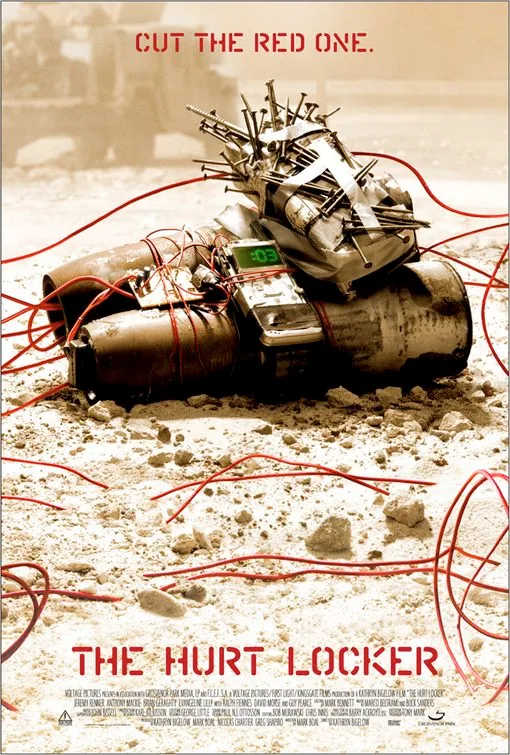
A bomb-disposal team in Iraq receives a new leader whose technical ability comes with an appetite for risk that unsettles the men protecting him. Successive calls turn ordinary streets, vehicles and civilian encounters into uncertain threats, while each operation exposes a different limit in the team's trust. As their rotation nears its end, survival appears less difficult to imagine than a shared understanding of what returning to ordinary life would mean.
Frontline attrition unfolds beside armistice negotiations, making the continuation of killing a choice sustained by institutional pride rather than an absence of possible alternatives.
Why this matches +
These films share important themes, atmosphere or storytelling interests with this selection.
Genres: War / Drama
Shared film traits
Based on recorded story, mood and style. Your preferences can change the order.
War and civilian life
What changes Its own story: Frontline attrition unfolds beside armistice negotiations, making the continuation of killing a choice sustained by institutional pride rather than an absence of possible alternatives.
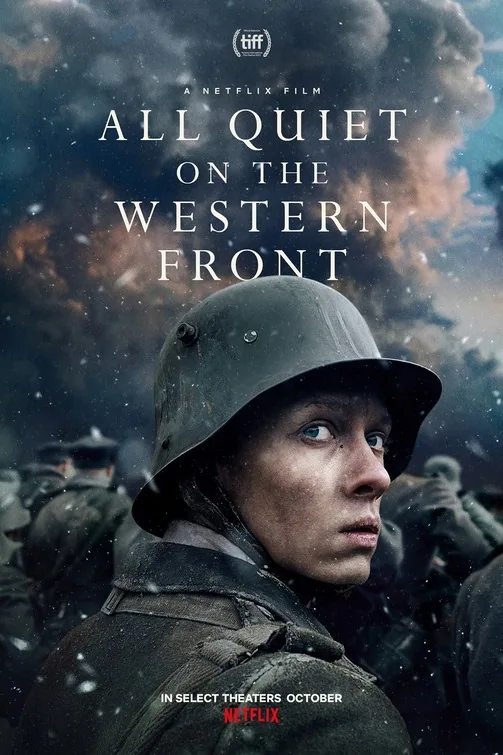
A German teenager enlists with friends near the end of the First World War and discovers a front defined by mud, deprivation, and abrupt industrial violence. His changing group struggles to obtain brief moments of food and companionship while officials negotiate an end to the fighting. The distance between strategic decisions and expendable lives becomes increasingly stark as the possibility of peace fails to make the remaining hours safe.
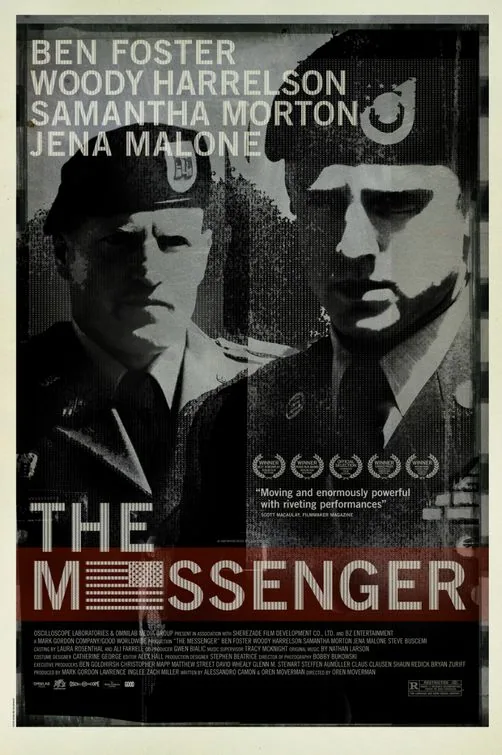
Will and Stone deliver death notifications to families, while each visit tests their formal rules and personal defenses.
Why this matches +
These films share important themes, atmosphere or storytelling interests with this selection.
Genres: Drama / Romance
Shared film traits
Based on recorded story, mood and style. Your preferences can change the order.
War and civilian life
What changes Its own story: Will and Stone deliver death notifications to families, while each visit tests their formal rules and personal defenses.
Will Montgomery returns from Iraq wounded, carrying the effects of combat and a broken engagement. Before discharge, he is paired with veteran Captain Tony Stone to deliver military casualty notices. Their visits bring them into direct contact with families experiencing grief, anger and disbelief. When Will meets Olivia, a widow whose response seems contained, he begins to cross the professional boundary Stone has taught him to maintain. The assignment forces both men to face how they handle loss, duty and the possibility of connection.
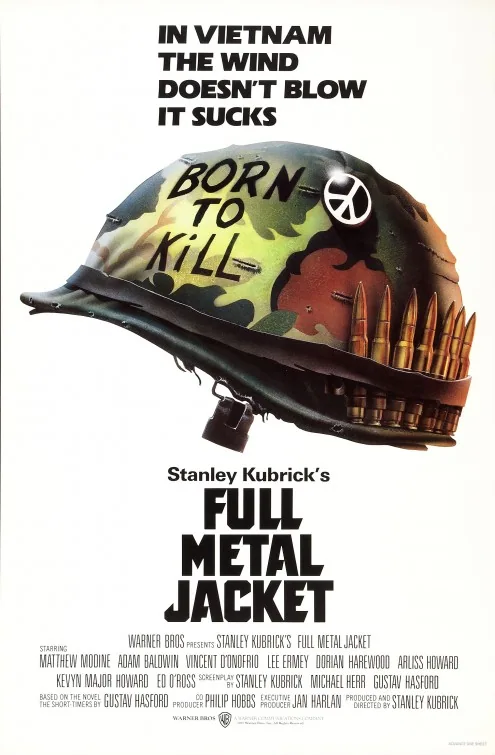
A two-part account connects the manufacture of military obedience with a combat environment that makes the resulting identities unstable and morally difficult to sustain.
Why this matches +
These films explore a related idea in a different setting, genre or style.
An adjacent discovery: a related idea with a different viewing experience.
Genres: Drama / War
Shared film traits
Based on recorded story, mood and style. Your preferences can change the order.
War and civilian life
What changes Its own story: A two-part account connects the manufacture of military obedience with a combat environment that makes the resulting identities unstable and morally difficult to sustain.
Young American recruits enter Marine training under an instructor who treats humiliation and the destruction of private identity as tools for producing soldiers. The story later follows a military journalist and other servicemen into urban fighting in Vietnam, where institutional language and actual violence do not remain comfortably aligned. Moving between the training system and its consequences exposes both the habits it creates and the ways individuals adapt, perform or fracture inside them.
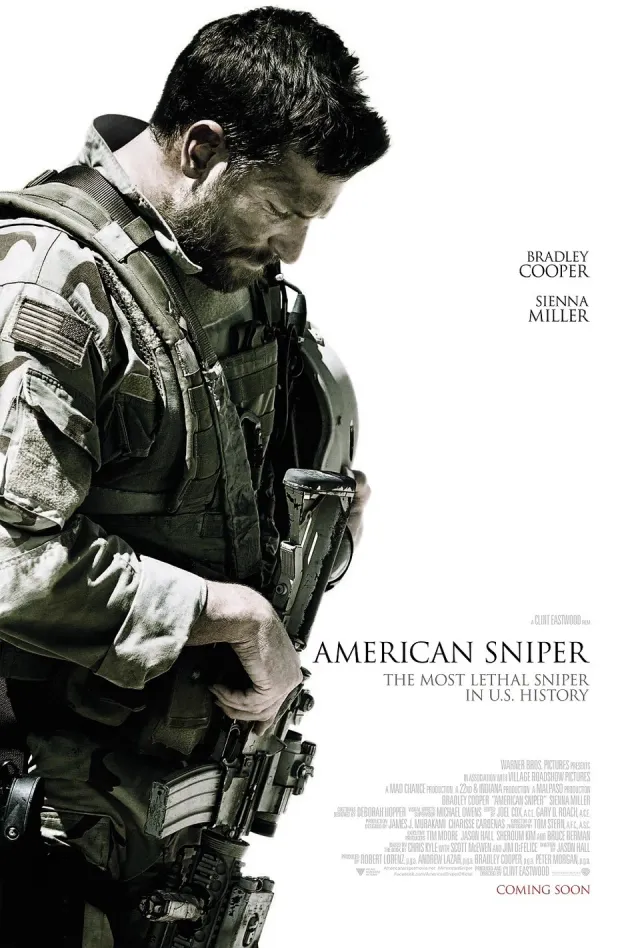
Repeated deployment reinforces a protective military identity while making withdrawal from threat and responsibility increasingly difficult at home.
Why this matches +
These films explore a related idea in a different setting, genre or style.
An adjacent discovery: a related idea with a different viewing experience.
Genres: War / Drama
Shared film traits
Based on recorded story, mood and style. Your preferences can change the order.
War and civilian life
What changes Its own story: Repeated deployment reinforces a protective military identity while making withdrawal from threat and responsibility increasingly difficult at home.
A Navy SEAL becomes known for his skill as a sniper during repeated deployments to Iraq, where protecting fellow soldiers supplies a clear sense of duty. Returning home does not restore the ease or attention his family needs. The film follows the widening distance between battlefield usefulness and domestic presence, as exposure to threat and a continuing identification with military responsibility make civilian life another difficult environment to inhabit.
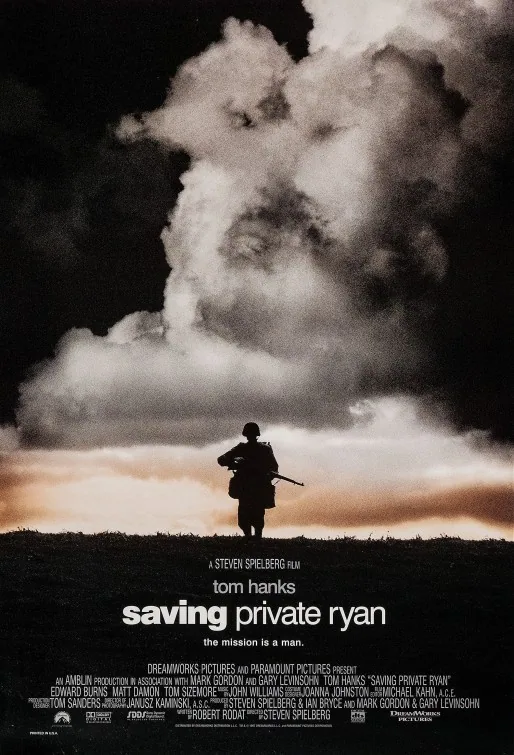
A rescue order sends an exhausted combat unit across hostile territory, repeatedly forcing tactical decisions against the moral arithmetic of the mission.
Why this matches +
These films explore a related idea in a different setting, genre or style.
An adjacent discovery: a related idea with a different viewing experience.
Genres: Drama / Action
Shared film traits
Based on recorded story, mood and style. Your preferences can change the order.
War and civilian life
What changes Its own story: A rescue order sends an exhausted combat unit across hostile territory, repeatedly forcing tactical decisions against the moral arithmetic of the mission.
Following the Normandy landings, a squad of American soldiers is ordered to locate a paratrooper whose brothers have been killed and send him home. Their movement through contested French territory exposes them to repeated losses and disagreements about the value of risking several lives for one. A captain's authority must hold the unit together as the mission tests duty, compassion and the uneasy meaning of deserving survival.
Repeated patrols expose a recruit to an escalating division within his own unit, making combat inseparable from a struggle over the conduct of war.
Why this matches +
These films explore a related idea in a different setting, genre or style.
An adjacent discovery: a related idea with a different viewing experience.
Genres: Drama / Action
Shared film traits
Based on recorded story, mood and style. Your preferences can change the order.
War and civilian life
What changes Its own story: Repeated patrols expose a recruit to an escalating division within his own unit, making combat inseparable from a struggle over the conduct of war.
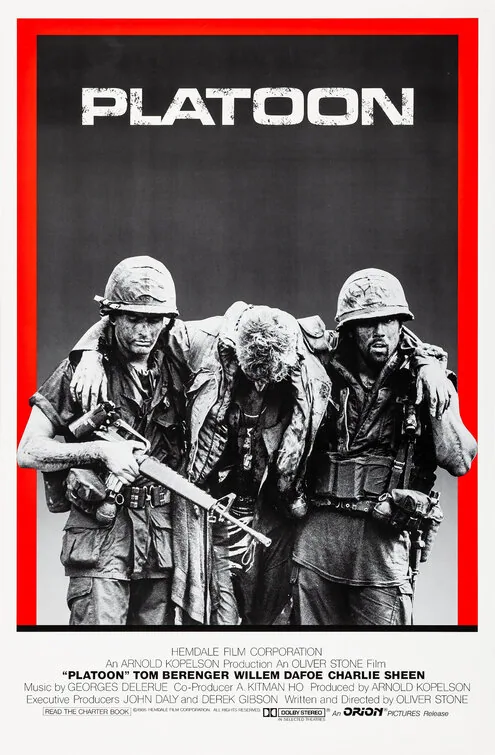
A young American volunteer arrives in Vietnam expecting a test of courage and finds exhaustion, fear and a unit divided between two experienced sergeants. Their conflicting responses to civilians and perceived betrayal turn the platoon's internal loyalties into another source of danger. The recruit's effort to understand what kind of soldier he can become is overtaken by acts that blur the separation between survival, obedience and moral responsibility.
Capture gives Algren time to understand the people he was hired to defeat; his shift in allegiance leads into a final battle over modernization and power.
Why this matches +
These films explore a related idea in a different setting, genre or style.
An adjacent discovery: a related idea with a different viewing experience.
Genres: Drama / Action
Shared film traits
Based on recorded story, mood and style. Your preferences can change the order.
War and civilian life
What changes Its own story: Capture gives Algren time to understand the people he was hired to defeat; his shift in allegiance leads into a final battle over modernization and power.
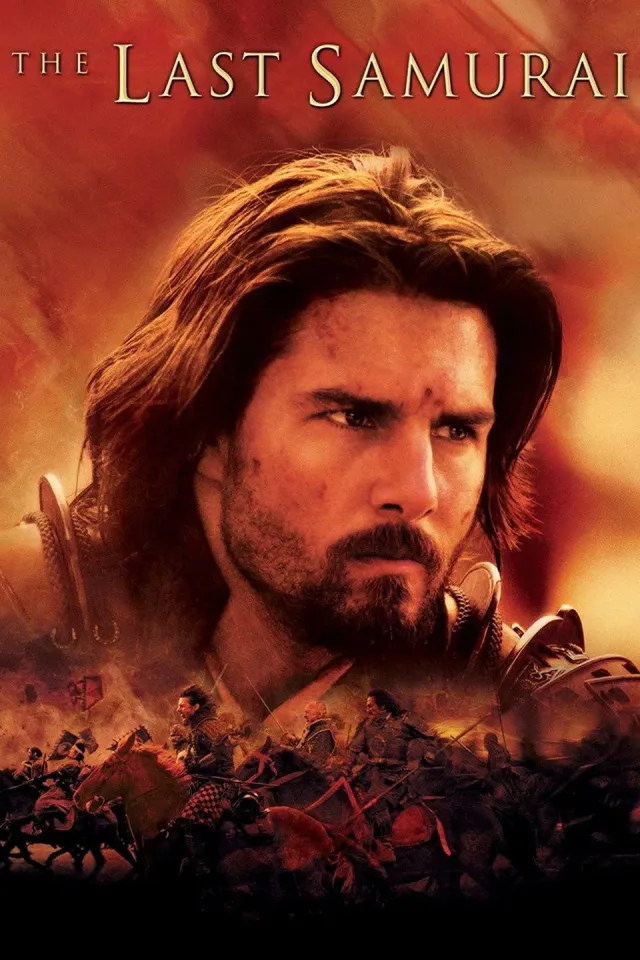
Former U.S. Army captain Nathan Algren is hired to train Japan’s new imperial army, but its recruits are sent into battle before they are ready. Captured by samurai leader Katsumoto, Algren is taken to a village where he gradually learns the language and daily rhythms of the people he was sent to fight. His military past and his experiences in the village change how he understands the conflict, while Katsumoto challenges the government’s rapid modernization. When the imperial army prepares a final attack, Algren must decide where his loyalties lie. The film frames the rebellion through an American outsider’s transformation, making that perspective a major part of its appeal and its limits.
An impossible military order produces a prosecution designed to displace responsibility down the chain of command.
Why this matches +
These films explore a related idea in a different setting, genre or style.
An adjacent discovery: a related idea with a different viewing experience.
Genres: Drama / War
Shared film traits
Based on recorded story, mood and style. Your preferences can change the order.
War and civilian life
What changes Its own story: An impossible military order produces a prosecution designed to displace responsibility down the chain of command.
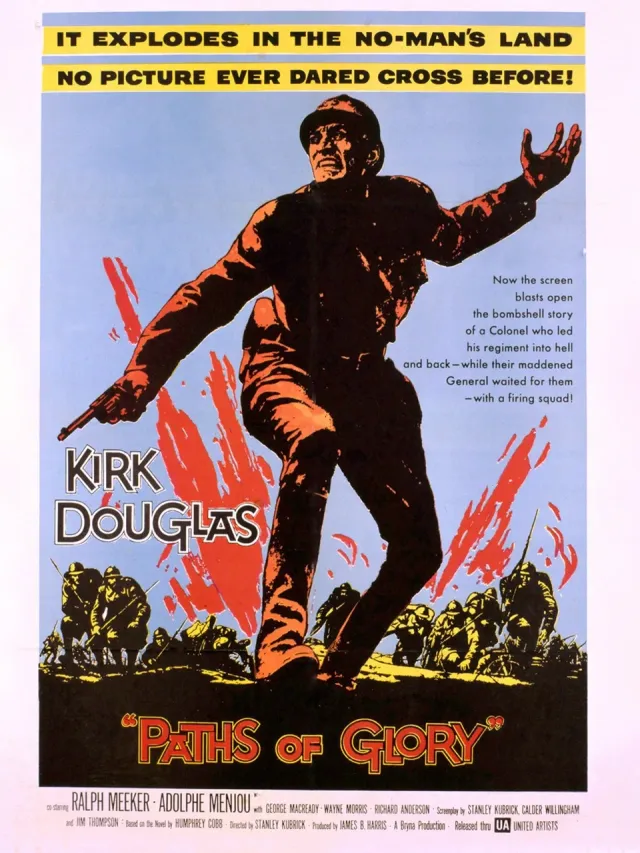
A French regiment is ordered into an attack that senior officers have little reason to expect it can survive. After failure, selected soldiers face trial for cowardice while their commander attempts to defend them. The proceedings expose a hierarchy more concerned with reputation and discipline than with the circumstances of the men whose lives it controls.
The three-tunnel plan divides the escape into interdependent jobs requiring secrecy, specialized skill and timing. Hilts’s individual escape attempts contrast with Bartlett’s collective operation, but the film’s American characters are inventions rather than participants in the actual breakout.
Why this matches +
These films explore a related idea in a different setting, genre or style.
An adjacent discovery: a related idea with a different viewing experience.
Genres: Drama / Thriller
Shared film traits
Based on recorded story, mood and style. Your preferences can change the order.
War and civilian life
What changes Its own story: The three-tunnel plan divides the escape into interdependent jobs requiring secrecy, specialized skill and timing. Hilts’s individual escape attempts contrast with Bartlett’s collective operation, but the film’s American characters are inventions rather than participants in the actual breakout.
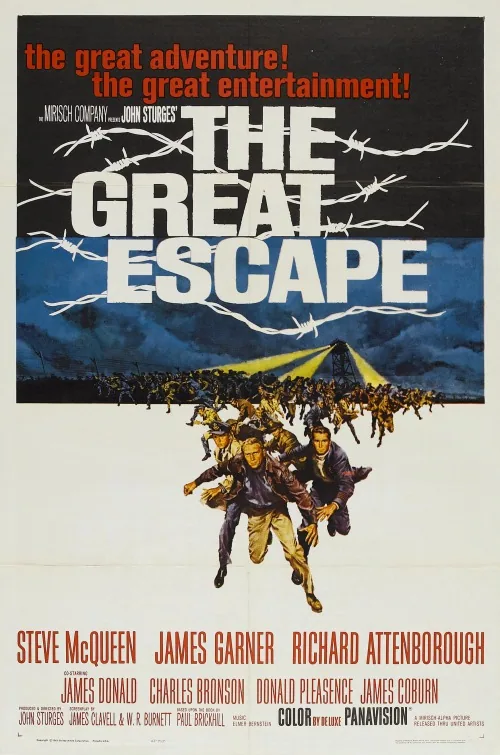
At Stalag Luft III, Allied airmen organize a mass escape through three tunnels, relying on specialist teams to make forged papers, civilian clothes and a hidden route. Hilts repeatedly tries to escape alone while Bartlett coordinates the larger plan. In the real 1944 breakout, 76 prisoners got out, 73 were recaptured and 50 were murdered by the Gestapo. The film preserves the scale and tragic outcome but invents characters such as Steve McQueen’s American Hilts and gives Americans a prominent role; no Americans were in the North Compound when the breakout happened. Its ensemble adventure is highly fictionalized and should not be read as a precise account of who planned or escaped.
A false accusation produced by limited observation and class assumptions creates a separation that later writing can revisit but cannot simply undo.
Why this matches +
These films explore a related idea in a different setting, genre or style.
An adjacent discovery: a related idea with a different viewing experience.
Genres: Drama / Romance
Shared film traits
Based on recorded story, mood and style. Your preferences can change the order.
War and civilian life
What changes Its own story: A false accusation produced by limited observation and class assumptions creates a separation that later writing can revisit but cannot simply undo.
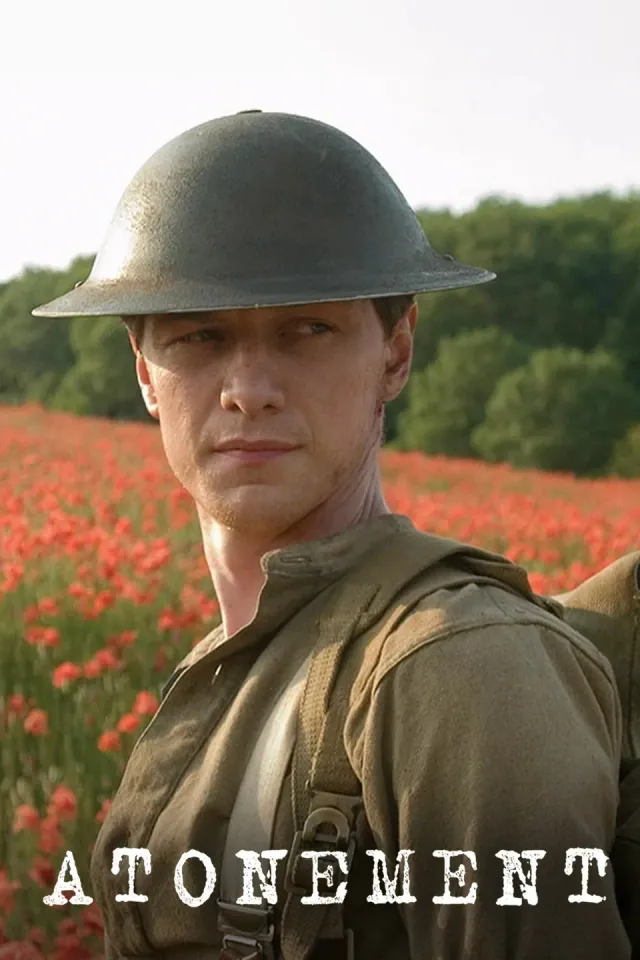
A young girl in an affluent English household misreads encounters between her older sister and the housekeeper's son, then gives testimony that converts private imagination into devastating institutional consequences. The separated couple's attempt to retain a future unfolds against prison, military service and wartime nursing. Later acts of narration revisit what can be known and repaired, exposing a gap between the consolations a story offers and the irreversible lives on which it depends.
The search for a missing memory becomes an inquiry into what the witnesses saw and what they could bear to remember.
Why this matches +
These films explore a related idea in a different setting, genre or style.
An adjacent discovery: a related idea with a different viewing experience.
Genres: Documentary / War
The approach A documentary treatment rather than a dramatic feature.
Shared film traits
Based on recorded story, mood and style. Your preferences can change the order.
War and civilian life
What changes Its own story: The search for a missing memory becomes an inquiry into what the witnesses saw and what they could bear to remember.
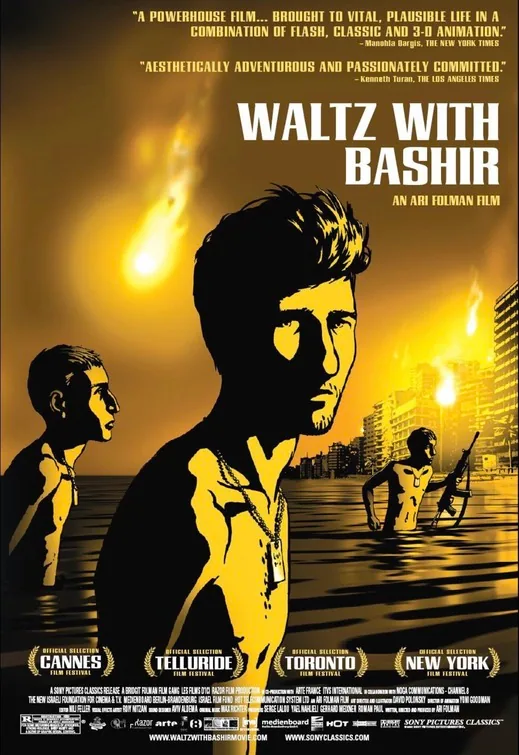
An Israeli veteran tries to recover memories of his service during the 1982 Lebanon War after a former comrade describes a recurring nightmare. Conversations with other veterans lead toward the events surrounding the Sabra and Shatila massacre and the narrator’s own missing recollections. The animated documentary combines testimony, dream imagery and uncertain memory to explore responsibility, trauma and the difficulty of witnessing violence one has helped enable.
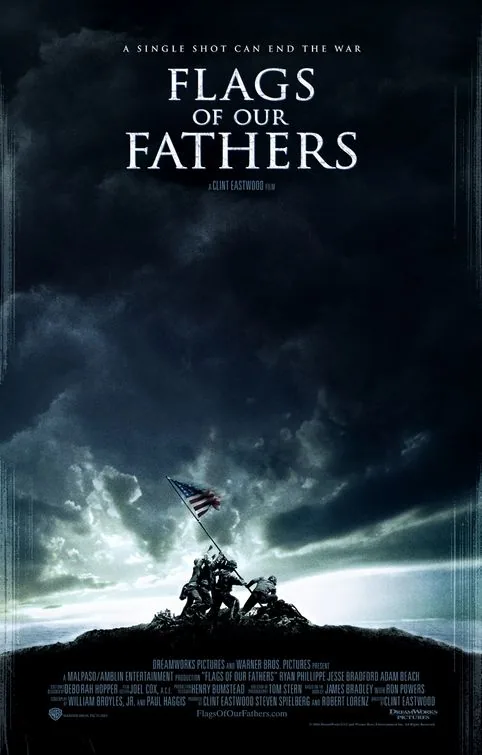
After the flag raising at Iwo Jima is photographed, surviving men are brought home to help sell war bonds, and public celebration turns them into symbols before they can agree on what the image means. Flashbacks revisit the battle and the men around the flag, while the campaign asks survivors to perform a heroic story that cannot contain their losses or the experience of those left behind. The 2006 film predates the Marine Corps’ later identity correction: corpsman John Bradley was not in Rosenthal’s famous second-flag photograph; Harold Schultz was. Its reenacted memories and public symbolism should be read separately from that archival record.
What drives the story
A wartime photograph becomes a fundraising instrument, pulling surviving servicemen between battlefield memory and a public role they did not choose. The bond tour asks survivors to repeat a polished symbol while privately carrying fragmented memories.
The people at its centre
The men share exposure but not an identical relationship to the image, while organizers and audiences need a stable symbol that their recollections cannot reliably supply. Public recognition can make the men famous without making their experiences interchangeable.
What it feels like
Battlefield flashbacks interrupt publicity events, contrasting chaotic combat with a polished heroic image and keeping memory’s instability in the film’s structure. Battlefield flashbacks disrupt the clarity of the photograph’s heroic pose.
Worth knowing
Compare with war dramas about propaganda and public memory; distinguish the two flag raisings, later identity corrections and fictionalized recollection from the photograph’s documentary record. Separate archival identities from dramatized recollection and from the later correction of who raised the flag.
War memoryPublic imageSurvivor guilt
Mood
Somber · Reflective · Intense
Pacing
Measured · Nonlinear
Visual style
Desaturated combat · Period detail
Storytelling
War bond tour · Fragmented recollection · Contested heroism